







Quick Answer: Trichomoniasis symptoms differ by gender. Women often experience burning, itching, odor, or unusual discharge, while men frequently have no symptoms at all, yet can still transmit the infection. Testing is key for both.
When Symptoms Say Everything, Or Nothing
Trichomoniasis has a reputation: the STD you didn’t know you had. That’s especially true for men, who may carry the infection without ever feeling a thing. But for women, the signs are often hard to miss, and equally hard to talk about. Vaginal odor, frothy discharge, or an uncomfortable burning after sex aren’t just annoying, they’re confusing, often mistaken for yeast infections or BV. That confusion delays care.
Lisa, 27, told us about her first infection: “It started as a weird smell. I thought it was BV. My doctor even gave me meds for that. But it didn’t go away, until I asked for a trich test.”
“I was mad that no one mentioned it sooner. And then my boyfriend tested positive but never had a single symptom.”
Her story isn’t rare. Below, we break down what to look for based on anatomy, not assumptions.
Symptoms of Trichomoniasis in Women
In people with a vagina, trichomoniasis tends to trigger noticeable inflammation. That’s because the urethra, cervix, and vaginal lining are sensitive to the protozoan parasite, *Trichomonas vaginalis*. Here’s what commonly happens:
| Symptom | Description | Why It Happens |
|---|---|---|
| Frothy yellow-green discharge | Often with a strong “fishy” odor | Reaction to parasite’s presence in the vagina |
| Vaginal itching or irritation | Burning sensation, especially during sex | Inflammation of vaginal walls and cervix |
| Painful urination | Stinging or burning while peeing | Parasite irritates the urethra |
| Red or inflamed vulva | Sometimes with visible swelling | Immune response to infection |
| Spotting or bleeding after sex | Light bleeding not related to periods | Trich can cause cervical inflammation |
Figure 1: Common symptoms of trichomoniasis in women and how they present.
These symptoms usually begin 5 to 28 days after exposure, though some people notice them sooner. According to the CDC, over 30% of women with trich do develop noticeable signs, but many dismiss them or are misdiagnosed with yeast infections or BV.
Trichomoniasis Symptoms in Men: Mostly Nothing
For people with a penis, trichomoniasis usually doesn’t cause symptoms at all. When it does, the signs are subtle, often confused with a UTI or just ignored. This symptom silence makes men frequent carriers, unknowingly passing the infection to partners.
| Symptom | Description | How Often It Appears |
|---|---|---|
| Burning after urination or ejaculation | May feel like a mild UTI | Reported in fewer than 25% of men |
| Penile discharge | Thin or cloudy, usually from urethra | Rare and often missed |
| Mild itching or irritation inside penis | Especially after sex | Often dismissed or unnoticed |
Figure 2: How trichomoniasis may appear in men, if at all.
Marcus, 31, shared, “I only got tested because my girlfriend said she had something. I didn’t feel anything weird, but I came back positive. It was honestly shocking.”
“I took the meds, but now I always ask to test for trich, not just the big STDs.”
That’s the takeaway: absence of symptoms doesn’t mean absence of infection. Trich can live in the urethra or prostate with little to no inflammation. But it’s still contagious.

People are also reading: Early HIV Symptoms You Shouldn’t Ignore: A Guide to Diagnosis & Treatment
The Mismatch That Fuels Reinfection
This gendered gap in symptoms is a public health nightmare. Here’s why: A woman gets treated for trich. Her male partner, feeling fine, skips testing. They have sex again. She gets re-infected. This cycle is so common that trichomoniasis is considered a “ping-pong” infection, bouncing between partners unless both are treated.
Studies show reinfection rates of up to 17% within three months if partners aren’t treated together . That’s why clinicians often prescribe treatment for both partners even if one tests negative, or doesn’t test at all.
If this sounds familiar, you're not alone. That cycle is exhausting, and it's preventable. But only if both partners get tested and treated.
Need a quick way to know for sure? Our Combo STD Home Test Kit includes a trichomoniasis test with results in minutes, no awkward clinic visits required.
Check Your STD Status in Minutes
Test at Home with Remedium7-in-1 STD Test Kit
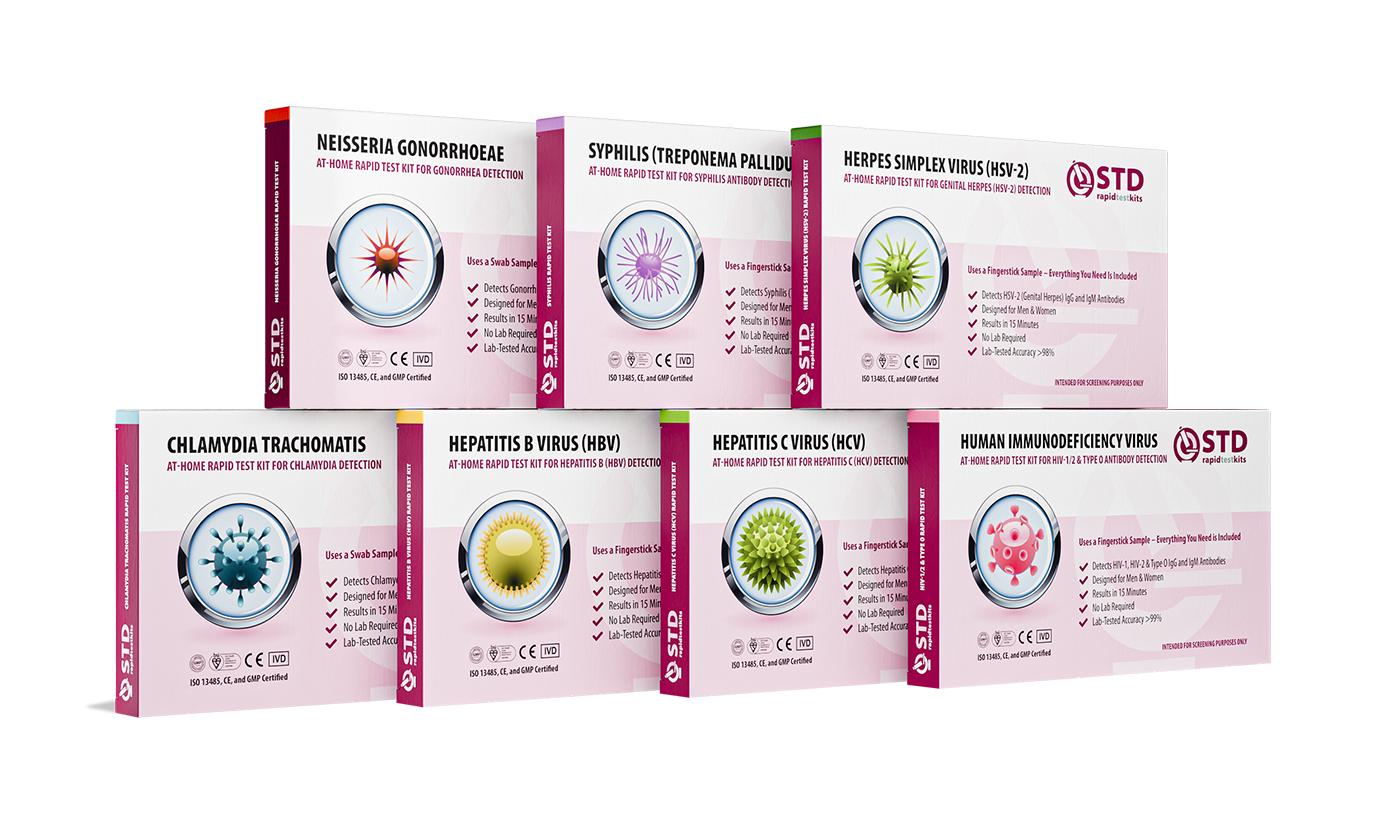
 For Men & Women
 Results in Minutes
 No Lab Needed
 Private & Discreet
Order Now $129.00 $343.00
For all 7 tests
Trichomoniasis or Something Else? The Great Confusion
One of the biggest problems with diagnosing trichomoniasis is how much it mimics other conditions, especially for women. If you’ve ever Googled “yeast infection that won’t go away” or “BV came back after antibiotics,” there’s a chance you were dealing with trich all along.
Here’s how trich compares to other vaginal infections that often get mistaken for it, or vice versa:
| Condition | Key Symptoms | Odor | Discharge | STD? |
|---|---|---|---|---|
| Trichomoniasis | Burning, itching, pain with sex | Strong, fishy | Frothy, green/yellow | Yes |
| Bacterial Vaginosis (BV) | Odor, light itching | Fishy, especially after sex | Thin, gray/white | No |
| Yeast Infection | Intense itching, redness | No odor | Thick, white, “cottage cheese” | No |
Figure 3: Trichomoniasis compared to BV and yeast infections.
While BV and yeast infections are not sexually transmitted, they can be triggered or worsened by sex. Trich, on the other hand, *is* an STI, and the only one caused by a parasite. If you’re being treated for BV and the odor won’t go away, it’s time to ask about trichomoniasis testing.
Why You Might Not Be Offered a Trich Test
Here’s a frustrating fact: most standard STD panels do *not* include trichomoniasis. Even at a clinic, unless you specifically request it, or your provider suspects it, you might not be tested for trich at all.
Why? Partly because testing requires a separate diagnostic method. The gold standard is NAAT (nucleic acid amplification testing), but many clinics rely on wet mount microscopy, which misses over half of infections, especially in men. Rapid antigen tests like the one in our Trichomoniasis Rapid Test Kit detect proteins specific to the parasite and are designed for quick, at-home use.
In short: unless you ask, you might never know. And if you're not tested, you're not treated, and your partner pays the price.
How Long Does It Take Trichomoniasis to Show Symptoms?
Like many STDs, trich has an *incubation period*, the time between exposure and when symptoms might start (if they ever do). For trichomoniasis, this window can vary by individual and anatomy.
| Group | Symptoms Appear | Chance of No Symptoms |
|---|---|---|
| Women | 5 to 28 days post-exposure | ~30% |
| Men | 7 to 30 days (if any) | ~70% |
Figure 4: Incubation timeline and symptom likelihood by gender.
It’s also important to know that trich can remain in the body for months, even years, if untreated. You can pass it to others long after your symptoms have faded or never appeared at all. That’s what makes it so sneaky, and dangerous.
Can Trichomoniasis Go Away on Its Own?
No. While some symptoms might fade, the infection doesn’t resolve without treatment. Left untreated, trichomoniasis can increase the risk of getting or transmitting HIV, cause complications during pregnancy, and lead to chronic inflammation in the genital tract.
It’s not just about comfort, it’s about health. Getting tested and treated is an act of care, not just for you, but for your partner(s), too.
Not sure what’s going on with your body? Peace of mind is one test away. Try our Combo STD Home Test Kit, confidential, fast, and medically trusted.
Testing, Timing, and Treatment: What You Need to Know
If you’re dealing with burning, odor, or unusual discharge, or even if you feel nothing at all but know a partner tested positive, it’s time to test. Here’s how testing for trichomoniasis works and when to do it.
Testing is most accurate at least 7 days after potential exposure. That gives the parasite time to replicate to detectable levels. For people with symptoms, test as soon as possible. For people without symptoms, testing between days 7 and 14 post-exposure is usually recommended.
Types of tests include:
- NAAT (Nucleic Acid Amplification Test): Lab-based and highly accurate; usually via urine or swab.
- Rapid Antigen Test: Detects trich proteins in vaginal swabs or urine; fast results at home.
- Wet Mount Microscopy: In-office swab test, but lower sensitivity (misses many cases).
Treatment is simple: a single dose or a short course of oral antibiotics (usually metronidazole or tinidazole). Both partners should be treated simultaneously to prevent reinfection.
If you’re using a rapid test at home and your result is positive, follow up with a provider to confirm and get antibiotics. But even if your result is negative, don’t ignore symptoms that persist. You might need to retest depending on timing or test type.
People are also reading: The Truth About STDs in Monogamous Relationships
Real Talk: Telling a Partner About Trich
This is the part most people dread. The awkward “hey, you should get tested too” conversation. But here’s the truth: being upfront about a trichomoniasis diagnosis isn’t shameful, it’s responsible, kind, and even protective. You’re preventing a cycle that could hurt you both later.
Here’s a script that helps:
“Hey, I found out I tested positive for trichomoniasis. I’m getting treated, and my doctor said partners need to get treated too, even if they don’t have symptoms. Just wanted you to know so you can take care of yourself too.”
If you feel unsafe sharing this info directly, some clinics offer anonymous partner notification. You can also find telehealth services that will prescribe treatment for both of you.
Check Your STD Status in Minutes
Test at Home with Remedium6-in-1 STD Test Kit
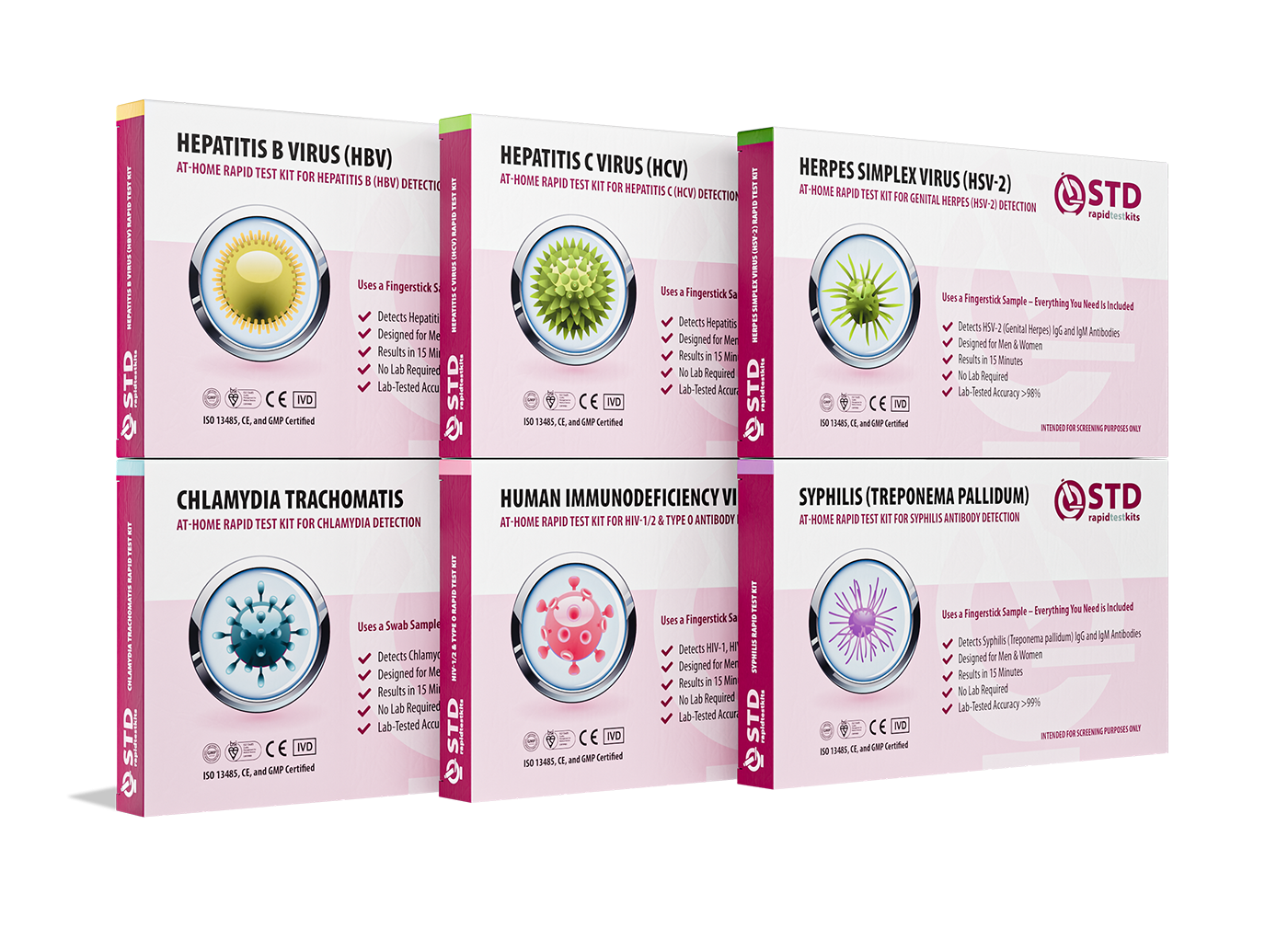 For Men & WomenResults in MinutesNo Lab NeededPrivate & Discreet
Order Now $119.00 $294.00
For all 6 tests
How to Prevent Trichomoniasis (and Stop the Cycle)
Because trich spreads through genital contact, even without penetration, condoms reduce risk but don’t eliminate it entirely. Here’s how to stay protected:
- Use protection: External condoms during vaginal or anal sex; internal condoms or dental dams for oral and genital contact.
- Test between partners: Especially if you’re not in a monogamous relationship.
- Retest if symptoms return: Trich can come back or be reintroduced by a partner who wasn’t treated.
Getting tested for STDs on a regular basis isn't just about safety; it's also about respect. For your health, your partners, and your peace of mind.
Need a discreet way to test? STD Rapid Test Kits delivers to your door with no clinic wait, no embarrassment, and no excuses.
The Emotional Weight: When Your Symptoms Are Dismissed
A lot of women say they feel ignored or misdiagnosed when they look for answers to vaginal pain. People talk about BV and yeast a lot, but you don't hear much about trichomoniasis unless you ask. This makes things worse, along with the gaslighting, the silence, and the frustration that surrounds vaginal health.
Tasha, 35, said: “I went to urgent care three times. They gave me Diflucan for yeast, then antibiotics for BV. I still smelled awful and felt gross. When I finally got tested for trich, I cried in relief, because I finally had an answer.”
Her story isn’t rare. Your symptoms are real. Your experience matters. And you deserve care that listens, not assumptions.
FAQs
1. Can men really have trich and never know it?
Absolutely, and that’s the problem. Most men with trichomoniasis don’t get symptoms, so they have no clue they’re infected. No itching, no burning, nothing. But they can still pass it on during sex, which makes it easy for the infection to keep bouncing back between partners.
2. What does trichomoniasis actually feel like for women?
Think of it like your body waving a red flag: burning when you pee, itchiness that won’t quit, and discharge that smells off, sometimes fishy, sometimes just “not right.” One woman described it as “BV’s evil twin but worse.” If you’ve been treated for BV or yeast and it keeps coming back, get tested for trich.
3. I’ve had weird discharge before, how do I know it’s not just BV or a yeast infection?
You might not, and that’s why testing matters. Trich can mimic both, but tends to cause more irritation and a more distinct (often stronger) odor. Yeast is usually thick and white, BV is thin and gray, trich can be yellow-green and frothy. Gross? Maybe. But helpful to know.
4. Is trich really an STD?
100%. It’s a sexually transmitted infection caused by a parasite, not bacteria, not a virus, but a tiny wriggling protozoan that moves like it’s late for brunch. It spreads through vaginal and genital contact, even if no one finishes, and even without penetration.
5. How soon after sex can I get tested?
Best to wait about 7 days after the encounter. That gives the infection time to settle in enough to be detected. If you test too early, you might get a false negative and think you’re fine when you’re not. If you’ve got symptoms, though, don’t wait, get checked.
6. Can I test at home for trichomoniasis?
Yes, and we’re big fans of that. Our Trichomoniasis Rapid Test Kit gives you answers in minutes without having to explain discharge to a stranger in a lab coat. Just follow the instructions, and you’re good to go.
7. Will trich go away on its own if I just wait it out?
Nope. It might chill for a while and then come back with a vengeance, or it might quietly cause inflammation that makes you more vulnerable to HIV or fertility issues. Bottom line: it won’t disappear without antibiotics. Don’t gamble with your body.
8. I got treated, but my symptoms came back. What’s going on?
It could be reinfection, especially if your partner didn’t get treated too. Trich is notorious for “ping-ponging” between couples. Even if you took your meds perfectly, having sex with an untreated partner can put you right back at square one.
9. Can trich affect pregnancy or fertility?
Yes. Untreated trich can increase the risk of preterm birth and low birth weight. It’s also linked to pelvic inflammation, which can affect fertility over time. If you’re pregnant or trying to conceive, it’s worth testing, even if you feel fine.
10. How do I tell my partner I have trich?
With honesty and calm. Try: “I tested positive for trichomoniasis. It’s common and treatable, but we both need meds to make sure it’s gone.” If they’re defensive or clueless, remind them that most people don’t get symptoms, but untreated, they can still spread it. It's not about blame. It’s about taking care of each other.
You Deserve Answers, Not Assumptions
Trichomoniasis doesn’t always shout. Sometimes it whispers, or stays completely silent. But the damage it causes isn’t quiet at all. Whether you have symptoms or not, whether your partner does or doesn’t, whether you feel embarrassed or empowered, testing puts you in control.
Don't wait and wonder; get the answers you need. This home test kit checks for the most common STDs quickly and quietly.
How We Sourced This Article: We combined current guidance from leading medical organizations with peer-reviewed research and lived-experience reporting to make this guide practical, compassionate, and accurate.
Sources
1. StatPearls – Trichomoniasis
6. Planned Parenthood – Understanding Trichomoniasis
About the Author
Dr. F. David, MD is a board-certified infectious disease specialist focused on STI prevention, diagnosis, and treatment. He blends clinical precision with a no-nonsense, sex-positive approach and is committed to expanding access for readers in both urban and off-grid settings.
Reviewed by: Dr. Janell Morgan, MPH | Last medically reviewed: September 2025
This article is for informational purposes and does not replace medical advice.


