







Quick Answer: Skin-to-skin STDs like herpes, HPV, and syphilis can spread even if you use a condom correctly. Condoms reduce, but don’t eliminate, risk, especially for infections outside the covered area.
This Isn’t a Condom Failure, It’s an STD Workaround
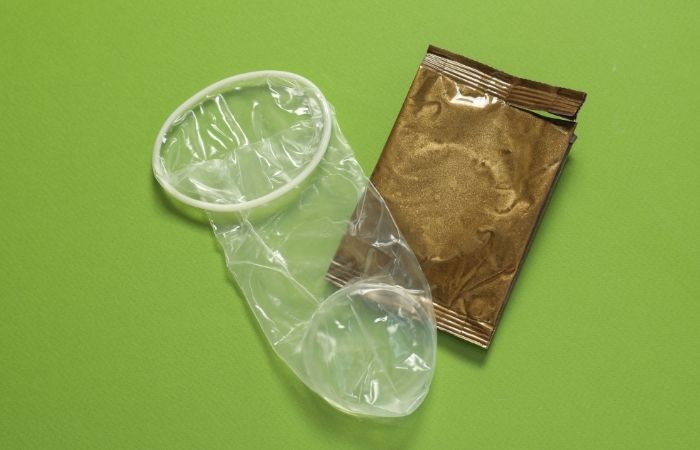
Let’s get something straight: condoms work. They’re one of the best tools we have to block transmission of STDs like chlamydia, gonorrhea, and HIV when used consistently and correctly. But some STDs don’t follow the usual rules. They don’t need semen, vaginal fluid, or even penetration. They just need skin, and they’re incredibly good at finding it.
Herpes, HPV, and syphilis are the top culprits. These infections can spread through skin-to-skin contact in areas not covered by a condom, like the base of the penis, scrotum, vulva, anus, or even the mouth. That means even when you wrap it up, risk remains.
And sometimes, condoms break, slip, or get used incorrectly. But even when everything goes “right,” some infections just don’t care. That’s not your fault, and it doesn’t make you reckless. It makes you human.
People are also looking for: Can You Have an STD With a Negative Test?
“I Got Herpes From a Guy Who Swore He Was Clean”
Mel, 27, used condoms with every partner. But one week after a new fling, she noticed a raw patch near her vulva. At first, she thought it was friction from a rough night. Then came the burning, the flu-like fatigue, and finally, those tiny, painful sores.
“I texted him. He said he didn’t have anything. I wanted to believe him. But he never tested for herpes. Turns out, he had it and didn’t know.”
Mel's story isn’t rare. In fact, according to the CDC, over 85% of people with genital herpes don’t know they have it. Why? Because herpes often has no symptoms, or symptoms that look like ingrown hairs or razor burn.
This isn’t about blame. It’s about the blind spots in our testing culture, where “clean” usually means “nothing I’ve been diagnosed with.” And herpes isn’t included in most routine panels unless you specifically ask.
The Skin Game: Why Some STDs Are Sneaky as Hell
Some STDs bypass fluids entirely. Here’s how they work around your best defenses:
| STD | Main Transmission | Why Condoms May Not Block It |
|---|---|---|
| Herpes (HSV-1, HSV-2) | Skin-to-skin, even without visible sores | Can live on surrounding skin, thighs, buttocks, lips |
| HPV | Skin contact and mucous membranes | Can infect uncovered areas; often symptomless |
| Syphilis | Contact with sores or rashes | Sores can appear on scrotum, anus, vulva, mouth |
| Pubic lice (Crabs) | Skin or hair contact | Condoms don’t cover pubic hair |
| Molluscum contagiosum | Direct skin contact | Spreads via touching infected bumps, not fluids |
Figure 1. STD transmission types and how they bypass condoms.
This is why people end up asking: “How did I get an STD if I used protection?” The answer often lies in the type of STD, not your behavior.
Let’s Talk Oral Sex, Because It Counts
Oral sex feels low-risk, but it’s far from immune. Many STDs pass through mouth-to-genital or mouth-to-anal contact, including:
- Herpes: HSV-1 is often transmitted through oral sex
- Gonorrhea: Thrives in the throat and can be passed both ways
- Syphilis: Sores can appear inside the mouth or on the lips
- HPV: Can cause oral and throat cancers
Dental dams and condoms for oral sex exist, but they’re rarely used. That doesn’t make anyone reckless. It just means you may be exposed without knowing. Especially when most of these infections are invisible or symptom-free. Don’t wait for symptoms to show. They might not.
The False Confidence of “Protected” Sex
Protection is a powerful thing, but it can also be misleading. After a hookup where a condom was used, it’s common to think, “I’m good, right?” That thought can delay testing, skip conversations, or even dismiss early symptoms. But the emotional relief a condom gives doesn’t always match medical reality.
That’s especially true when it comes to STDs with long incubation or no obvious symptoms. HPV can go years without showing up on a test. Syphilis may only present as a painless sore that you never even notice. Herpes might not flare up until stress, illness, or hormonal shifts trigger it weeks or months later.
In other words, “protected” sex can still leave room for exposure, and silence doesn’t mean safety.
When to Test After Protected Sex
If you used a condom but still want to be sure, here’s the key: timing matters. Testing too soon can give false negatives, especially for viral infections with delayed immune response.
| STD | Best Time to Test After Exposure | Why That Window Matters |
|---|---|---|
| Chlamydia | 7–14 days | Rapid growth; NAAT tests pick it up early |
| Gonorrhea | 5–14 days | Often present in throat, rectum, or genitals |
| Herpes | 14–28 days (or when symptoms appear) | Needs time to trigger immune response for antibodies |
| Syphilis | 3–6 weeks | Early stages can be missed without proper timing |
| HPV | 1–6 months (if tested) | Often not tested unless abnormal Pap or symptoms |
Figure 2. Recommended testing timelines after exposure, even when a condom was used.
That means if you're itching (literally or emotionally) to test right after sex, it's okay, but know you may need to retest later for full accuracy. Especially for herpes and syphilis, where early results can miss infections entirely.
If you’re not sure when to test, the Chlamydia, Gonorrhea & Syphilis 3-in-1 Rapid Test Kit is a safe way to start. No judgment, no waiting rooms, and no risk of your info showing up in your insurance records.
“I Waited Too Long to Test Because I Thought I Was Safe”
Ray, 32, had a casual hookup on vacation. They used condoms every time. No symptoms showed up for weeks, until he noticed a painless sore under the base of his penis.
“I thought it was a shaving cut or something. But it didn’t go away. I Googled a bit, saw ‘syphilis,’ and panicked.”
Ray eventually tested positive for syphilis. The sore had developed outside the area the condom covered. He never would have known without the test.
That’s why experts recommend testing even if you believe the sex was “safe.” You don’t have to wait for symptoms, or for regret, to act.
Myths That Keep People from Testing (And Why They’re Dangerous)
Let’s bust some myths that keep people from getting the care they deserve:
“If I don’t have symptoms, I don’t have an STD.”
False. Most STDs are asymptomatic, especially in the early stages.
“I used protection, so I don’t need to test.”
Incomplete. Some STDs spread through skin or oral contact, which condoms may not cover.
“We only did oral, it doesn’t count.”
Wrong. Oral sex transmits herpes, gonorrhea, syphilis, HPV, and more.
“If they were clean, I’m clean.”
Risky. Many people don’t know they’re infected due to lack of testing or asymptomatic cases.
People are also reading: Can Oil-Based Lube Cause STDs? What Most People Don’t Know
“Clean” Doesn’t Mean Tested for Everything
You’ve probably heard someone say, “Don’t worry, I’m clean.” But here’s the uncomfortable truth: “clean” often just means they don’t have symptoms, or they were tested recently, for some things. Not all clinics automatically test for herpes or HPV. And many people don’t realize that oral and anal sites need to be swabbed separately for gonorrhea and chlamydia.
The gap between what people believe they’ve been tested for and what’s actually on the panel is massive. It’s no one’s fault, but it does mean that relying on a partner’s last test as your safety net isn’t a guarantee.
That’s why your own testing, based on your timeline, exposure, and concerns, is essential. And yes, it still matters even if a condom was used.
Do You Need to Retest? Here's How to Know
Let’s say you tested early, right after a protected encounter. The results came back negative, but now you’re second-guessing. Maybe a bump showed up. Maybe you’re just anxious. Retesting can feel excessive, but in many cases, it’s smart.
Here's when a retest is recommended:
- You tested before the window period closed. (E.g., you took a herpes test 5 days after exposure, too early for antibodies to appear.)
- New symptoms show up weeks after your first test. (Pain, discharge, rashes, mouth sores, these can all appear late.)
- You’ve had a new partner since your last test.
- Your partner tests positive for something later.
Check Your STD Status in Minutes
Test at Home with Remedium8-in-1 STD Test Kit
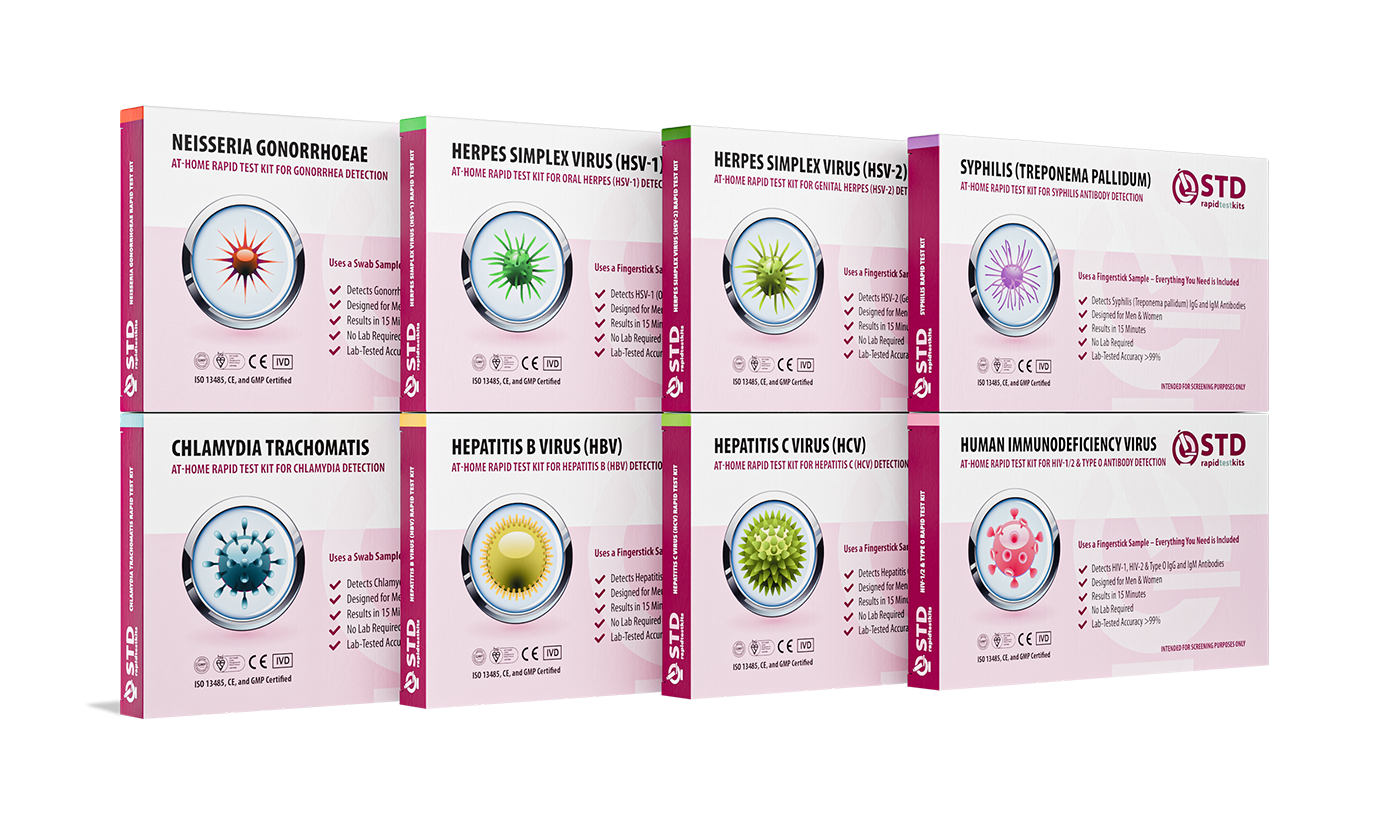
 For Men & Women
 Results in Minutes
 No Lab Needed
 Private & Discreet
Order Now $149.00 $392.00
For all 8 tests
“The Condom Broke, But I Didn’t Know It Right Away”
Luis, 25, hooked up with someone he met on a weekend trip. They used a condom, but a few days later he noticed it had torn halfway through the act. No symptoms came. He felt okay. Still, two weeks later, he tested out of paranoia. Negative.
Then, a month after that first test, he got sick. Swollen lymph nodes, fever, and what he thought was a pimple near his groin. The second test? Positive for HSV-2.
“I don’t blame them. I don’t even blame myself. But I wish I had known that one negative test doesn’t always mean you’re clear.”
Luis’s story is exactly why we recommend double-testing when symptoms are delayed or exposure is uncertain. Even condoms can’t stop something that happened before you noticed, or that happened outside the covered area.
What Testing from Home Really Feels Like
Ordering an STD test online can feel intimidating. What shows up at your door? How long does it take? Who sees the results?
Here’s the truth:
- The packaging is discreet, no one will know what’s inside, not even your roommate or mail carrier.
- Instructions are clear, and the process is fast, usually under 5 minutes.
- Results are confidential, only you see them, and they don’t show up on insurance unless you submit them.
We built STD Rapid Test Kits for people exactly like you, curious, careful, maybe a little freaked out, and deeply deserving of clarity. Whether you’re testing for peace of mind, for your partner, or because you’ve been here before, we’ve got your back.
Take control of your sexual health, without waiting for a clinic to open.
Order Now $119.00 $294.00 Check Your STD Status in Minutes
Test at Home with Remedium
6-in-1 STD Test Kit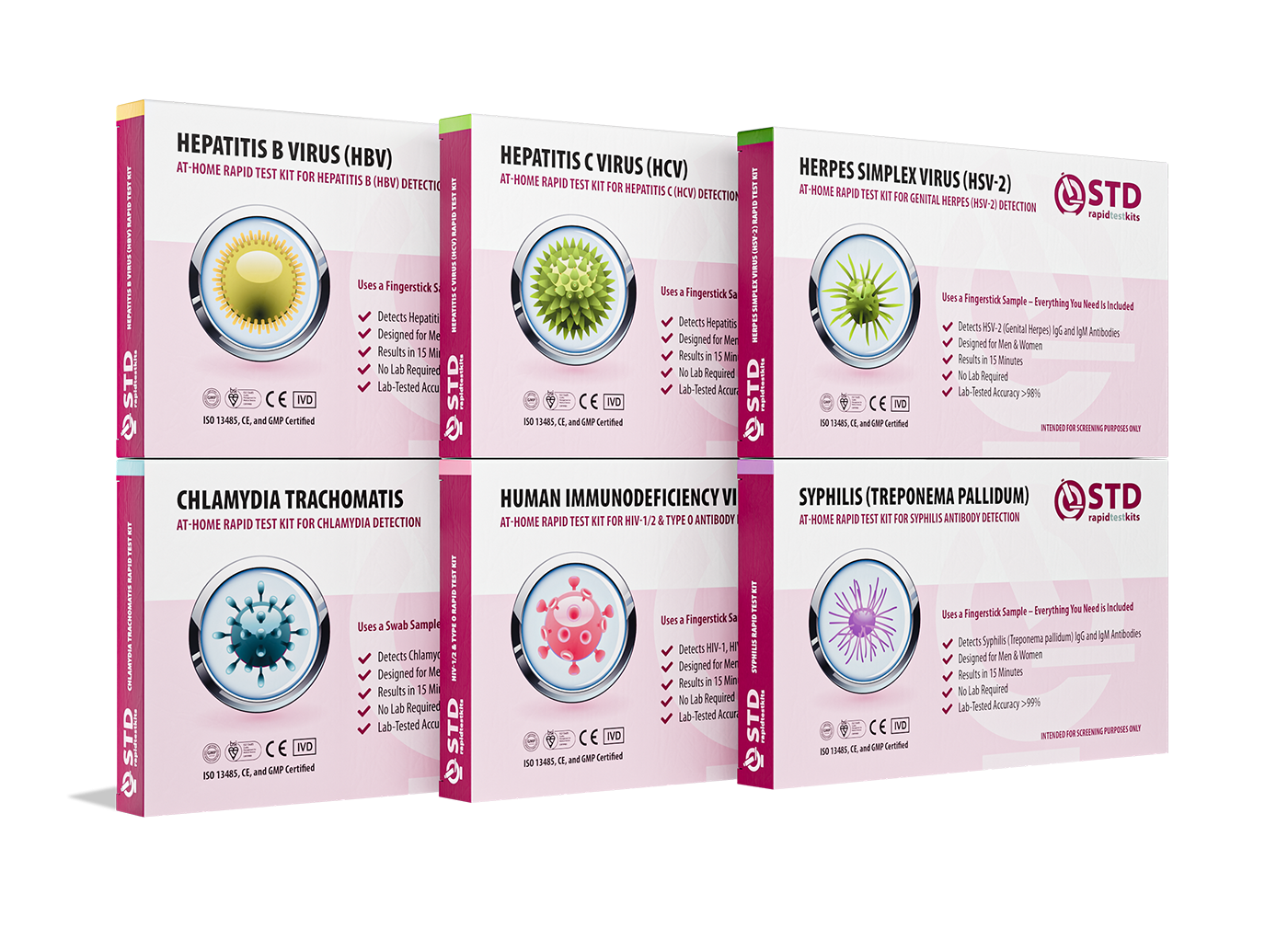 For Men & WomenResults in MinutesNo Lab NeededPrivate & Discreet
For all 6 tests
FAQs
1. Can you really get herpes even if your partner used a condom?
Yep. Herpes is sneaky like that. It doesn’t need fluids, it just needs skin. If your partner had a sore near their inner thigh or the base of their penis, the condom wouldn’t cover it. And here’s the kicker: they might not even know they have it.
2. Which STDs are most likely to spread even when you use protection?
The ones that spread by skin-to-skin contact. Top of the list: herpes, HPV, and syphilis. Condoms help, but they don’t create a force field around your entire body. They only cover what they cover. The rest? Still vulnerable.
3. I gave oral sex. We didn’t use protection. Should I be worried?
Honestly? Maybe. Oral sex is still sex, and infections like gonorrhea, herpes, syphilis, and even HPV can all pass through mouth-genital contact. Just because it didn’t feel risky doesn’t mean it wasn’t. A quick test could give you peace of mind.
4. Is it true most people don’t even know they have herpes or HPV?
100% true. The majority of folks with herpes and HPV never show symptoms. That’s why people say “But I’ve never had anything!” and still pass it to a partner. These infections can be totally silent, and still contagious.
5. How soon after sex can I get tested and trust the results?
Depends on the infection. For stuff like chlamydia and gonorrhea, 7 days is usually enough. For herpes and syphilis? You’ll want to wait 2–4 weeks or more. Test too early and you might get a false negative that gives you false peace.
6. They told me they were “clean.” Why did I still test positive?
Because “clean” isn’t a medical term, it’s a social one. It might mean they’ve never had symptoms. Or they got tested, but not for everything (herpes and HPV are often skipped). Bottom line: always protect your own health, no matter what someone else says.
7. Should I test again if I already got a negative result after the hookup?
If it was super soon after the encounter, yes. Some STDs take time to show up on a test. If you tested at, say, day 3, try again around day 14–28, depending on what you're worried about. Think of it like getting a receipt after you return something, you want that confirmation.
8. Can STDs really pass through just rubbing or “dry humping”?
They actually can. It’s rare, but if there's skin-to-skin friction and someone has an open sore or shedding virus (like herpes or HPV), it's possible. Especially if there's oral or genital contact mixed in. So yes, even without penetration, risk exists.
9. What’s the deal with home STD tests, are they legit?
The good ones? Absolutely. Tests from reputable sites like STD Rapid Test Kits are FDA-approved, confidential, and surprisingly easy. You swab, prick, or pee, then get your results without setting foot in a clinic.
10. Is it okay to feel angry or ashamed after a diagnosis?
Totally. But let’s be clear: an STD isn’t a moral failure. It doesn’t mean you’re reckless or dirty. It means you’re a person who had sex. And now you’re a person taking care of yourself. That’s brave. That’s smart. That’s sexy, honestly.
You’re Not Dirty. You’re Just Human.
It’s easy to spiral. “I did everything right.” “I used a condom.” “I trusted them.” But here’s the real talk: STDs don’t care if you’re careful. They don’t wait for a moral failing. They move quietly, sometimes through skin, sometimes without symptoms, and often without any shame attached at all.
You are not dirty. You are not broken. You are not alone. What you are is informed. And with that comes power, the power to test, to treat, to talk, and to move forward without fear.
Don’t wait for symptoms. Don’t wait for permission. You can order a discreet at-home combo test kit and get answers on your timeline. Because safety isn’t a condom, it’s information, and that starts with you.
How We Sourced This Article: We combined current guidance from leading medical organizations with peer-reviewed research and lived-experience reporting to make this guide practical, compassionate, and accurate. In total, around fifteen references informed the writing; below, we’ve highlighted six of the most relevant and reader-friendly sources.
Sources
1. What STDs Condoms Don’t Prevent – Healthline
2. 5 STIs That Condoms Don’t Always Prevent – Verywell Health
3. Do Condoms Protect Against All STIs? – Western Australia Health FAQ
4. Do Condoms Protect Against All STIs? – Medical News Today
5. Effectiveness of Condoms Preventing STIs – PMC
6. Condom Use: An Overview – CDC
About the Author
Dr. F. David, MD is a board-certified infectious disease specialist focused on STI prevention, diagnosis, and treatment. He blends clinical precision with a no-nonsense, sex-positive approach and is committed to expanding access for readers in both urban and off-grid settings.
Reviewed by: Taylor Mendez, MPH | Last medically reviewed: September 2025
This article is for informational purposes and does not replace medical advice.


