







Quick Answer: Yes, you can get an STD even with a condom. Skin-to-skin infections like HPV, Herpes, and Syphilis can bypass coverage. Condoms reduce risk, but testing, vaccines, and communication complete the picture.
“But We Used Protection…” (And Why That’s Not the End of the Story)
Ty, 26, remembers staring at the little red bump near his inner thigh, convinced it was just irritation from his jeans. “We used a condom,” he told himself. “It’s not an STD.” Three weeks later, a blood test confirmed it was Herpes Simplex Virus Type 2.
Stories like Ty’s aren’t rare. In fact, according to the CDC, condoms significantly reduce, but don’t eliminate, the risk of STDs. They’re most effective against infections spread through fluids, like Chlamydia or Gonorrhea. But infections like HPV, Syphilis, and Herpes can be transmitted through skin-to-skin contact, sometimes from areas condoms don’t cover.
Researchers found that 65% of people who got HPV in a 2022 study published in the journal Sexually Transmitted Diseases said they always used condoms. That doesn’t mean condoms are useless, it means that relying on them alone is like locking your front door but leaving the windows open. Protection is a system, not a single product.
Even when condoms are used perfectly, the human element matters. A brief lapse, a condom that slips during oral sex, or even a small tear unnoticed during use can allow infection to spread. And here’s something most sex ed never told you: some STDs can transmit even when there are no visible symptoms. That means your partner may not even know they’re contagious.
The Myth of “Safe” Sex, And Why We Need to Rethink It
The term “safe sex” has become shorthand for “use a condom,” but in 2025, that phrase deserves a serious update. Let’s be real: it was never about being completely safe. It was about reducing risk, and too often, that nuance gets lost.
Marisol, 22, said it best in her message to a college health forum: “I feel so stupid. I made him wear a condom, but I still got warts. I did everything right.” Her post was flooded with replies. People weren’t judging her, they were relating. Because in sex ed, we learned about condoms, maybe birth control, and a little fear-based slideshow of infected genitals. We didn’t learn that HPV can spread from groin contact, or that herpes can be transmitted when there are no symptoms.
Researchers who wrote a meta-analysis for BMJ Open said that using condoms regularly lowers the risk of many STDs, but it doesn't completely protect against infections that spread through skin-to-skin contact. The data supports this, but shame often clouds the conversation. We’re taught that if we get infected, it means we were reckless or careless. That stigma is dangerous. It stops people from testing. It stops people from talking. And it creates a culture where silence breeds transmission.
Let’s be very clear: getting an STD does not mean you messed up. It means you’re human. It means you had sex, which is a normal, healthy part of life, and the tools you were given weren’t the whole story. That’s not your failure. That’s a failure of education and healthcare messaging.
More Than Latex: What Real Protection Looks Like in 2025
Real protection means understanding that a condom is just one layer of defense. And the good news? There are more layers than ever before.
HPV vaccines like Gardasil 9 offer protection against multiple strains of the virus, including those that cause cancer and genital warts. PrEP (pre-exposure prophylaxis) dramatically reduces the risk of acquiring HIV. And at-home STD testing gives you a private, stigma-free way to check in on your status regularly, especially after new partners or symptoms.
Imagine a 2025 toolkit for safer sex. It doesn’t start and end with a condom. It starts with honest conversations, like, “When was your last test?” or “Do you have any symptoms right now?” It includes getting vaccinated if you can, using condoms or dental dams when appropriate, and testing regularly, because testing isn’t just for “after something goes wrong.” Testing is part of the protection itself.
If you're experiencing symptoms after protected sex, the first step is clarity. Don’t spiral. Don’t assume. This discreet at-home combo test kit checks for multiple STDs quickly and privately, no waiting rooms, no awkward questions. Peace of mind starts with knowledge.
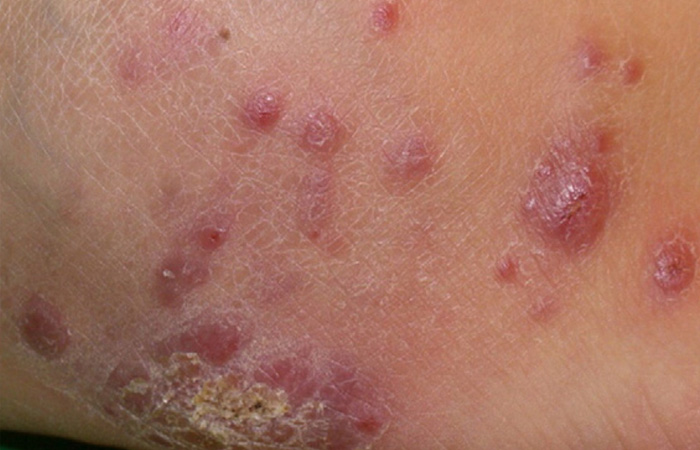
People are also looking for: Why That Rash Won’t Go Away, And Might Be Syphilis
Herpes, HPV, and the Skin Contact Nobody Warned You About
Here’s the part they never taught us: condoms don’t cover the whole story, literally. Herpes and HPV often live in areas that a condom doesn’t shield. Think thighs, groin, pubic mound, labia, base of the penis. Transmission happens when infected skin touches skin, no fluids required.
Jeremiah, 33, used condoms religiously. No exceptions. He tested clean at his annual checkup, felt proud of his record. But one weekend, after protected sex with a new partner, he noticed a cluster of painful blisters near his inner thigh. “It wasn’t even where the condom was,” he said. It wasn’t a mystery cut. It was genital herpes. The diagnosis shook him. He hadn’t done anything “wrong.” But his understanding of protection hadn’t caught up with reality.
According to research published in the Journal of Infectious Diseases, condoms reduce herpes transmission by about 30–50%, depending on consistency of use and where outbreaks occur. That’s helpful, but not bulletproof. HPV is even trickier, some strains show no symptoms for months or years, yet still transmit through contact.
Which brings us to the elephant in the room: just because it was protected doesn’t mean it was symptom-proof. And not all symptoms show up right away. A delayed reaction, like itching two weeks later or bumps a month out, isn’t uncommon. It’s frustrating, confusing, and scary. But it’s not uncommon.
Can You Really Get an STD from Oral Sex, Even with a Condom?
Short answer? Yes. And here’s why.
Oral sex carries real risk. Even with condom use, things get slippery, literally. Fluids can leak, condoms can slip, and most people skip barriers during oral altogether. But STDs don’t care if it was “just oral.” Infections like gonorrhea, herpes, syphilis, and even HPV can be transmitted through the mouth and throat.
Kira, 29, developed a persistent sore throat and white patches on her tonsils. She hadn’t had vaginal or anal sex in over six months, just one night of oral. She didn’t even think to get tested until her doctor ran a throat swab. The result? Oral gonorrhea. “I felt blindsided,” she said. “It didn’t even occur to me.”
Studies published by the World Health Organization and PubMed Central confirm that oral transmission plays a growing role in STD spread. In fact, oral sex is one of the fastest-growing vectors for HPV-related throat cancers in people under 40. The risk doesn’t disappear just because it “wasn’t real sex.” The virus doesn’t know the difference.
What Sex Ed Got Wrong, And What That Means for You
For many of us, sex education was a combination of fear tactics and euphemisms. We learned that condoms equal safety. That abstinence is best. That if you catch something, it’s your fault. But none of that teaches you how STDs really work, or how to live in your body without fear.
Renee, 35, shared her story on a podcast about sexual health. “When I got diagnosed with syphilis, I thought it had to be a mistake. We’d used a condom. I hadn’t noticed any sores.” Turns out, her partner had a painless chancre just outside the condom’s coverage area. She never saw it. Neither did he.
That’s how easy it is. Skin-to-skin infections don’t need permission. They don’t wait for symptoms to show up. And yet, when someone tests positive, the shame floods in. The same society that undereducates us also shames us for not knowing. That cycle keeps people from testing, from asking questions, from seeking treatment, and that’s the real danger.
You deserve better. You deserve accurate information, compassionate care, and accessible tools to protect yourself. And you deserve a world where having an STD doesn’t make you “dirty”, it just means you’re human.
Check Your STD Status in Minutes
Test at Home with Remedium8-in-1 STD Test Kit
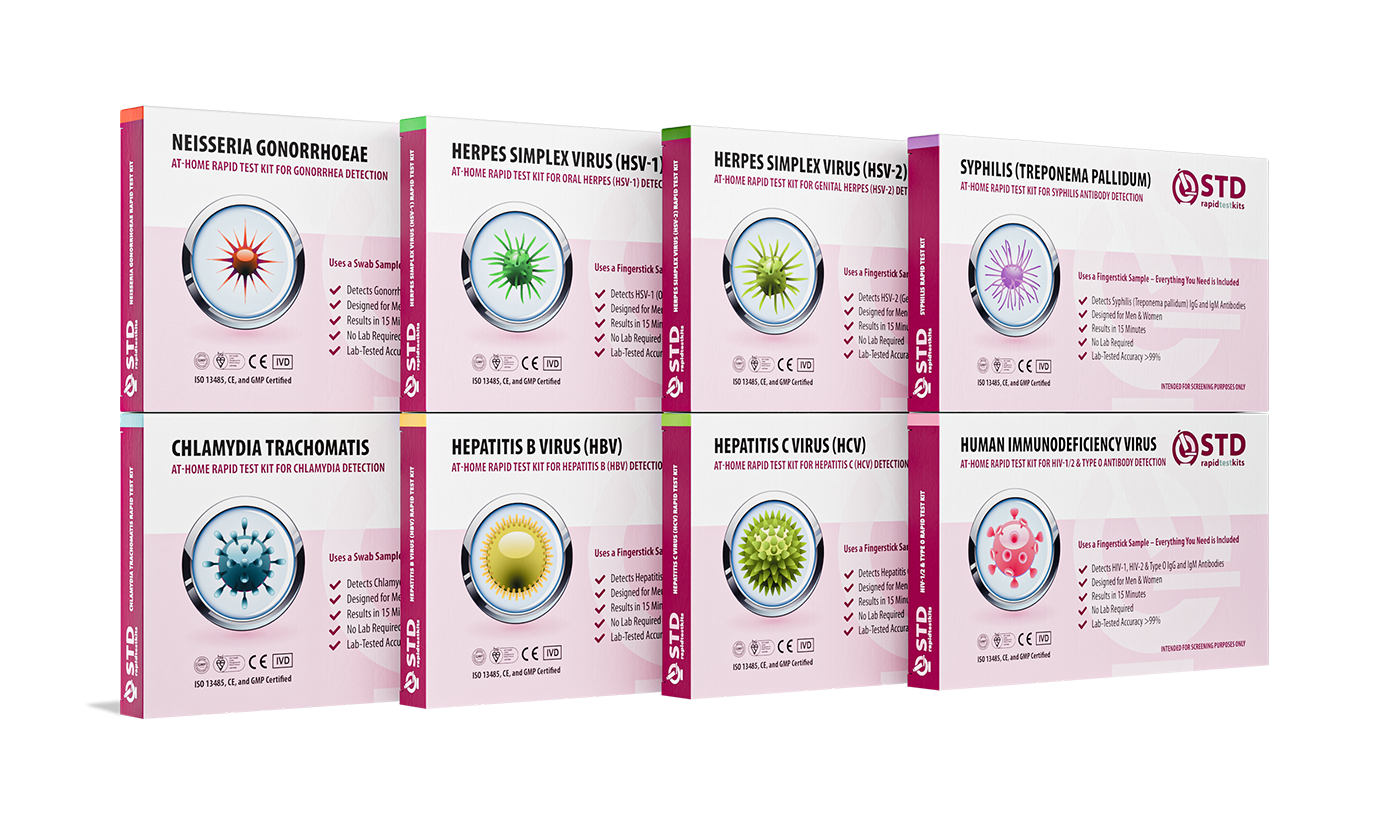
 For Men & Women
 Results in Minutes
 No Lab Needed
 Private & Discreet
Order Now $149.00 $392.00
For all 8 tests
How STD Risk Varies by Protection Type
Let’s break this down in a way that’s honest and usable. Not all protection is created equal, and different infections behave differently. What matters most is understanding what each layer of protection actually does, and what it can’t do.
| Type of Protection | Effective Against | Limitations |
|---|---|---|
| Condom (external) | Chlamydia, Gonorrhea, HIV (fluid-based STDs) | Does not fully prevent Herpes, HPV, or Syphilis due to skin contact |
| Dental Dam | Reduces risk during oral sex | Rarely used; doesn't cover all oral/genital contact |
| HPV Vaccine (e.g., Gardasil 9) | Prevents most cancer-causing HPV strains | Must be taken before exposure; doesn’t treat existing infection |
| PrEP (for HIV) | Prevents HIV if taken consistently | Does not protect against other STDs |
| At-Home Testing | Detects common infections discreetly | Requires correct timing after exposure for accuracy |
Figure 1. A comparison of modern protection tools and their limitations. This isn’t about replacing condoms, it’s about understanding their role in a full spectrum of prevention.
“I Got Tested Already”, Why One Test Isn’t Always Enough
You took a test. It was negative. You exhaled and tried to move on. But now you’re itching, spotting, or seeing bumps, and you’re spiraling again. That’s not you being paranoid. That’s you being smart. Because depending on the type of test and when you took it, that negative might have been too early to catch an infection.
Window periods matter, a lot. If you test for chlamydia two days after exposure, most tests won’t detect it yet. For HIV, the detection timeline varies by test type, some as early as 10 days, others needing 45. The same applies to syphilis, which can take up to six weeks to show antibodies.
Dana, 31, had protected sex, tested negative a week later, and moved on, until she started noticing strange pelvic cramps three weeks in. A second test caught chlamydia. “I felt stupid for trusting the first result,” she said. But it wasn’t stupidity. It was a misunderstanding of timing. According to the CDC’s STD screening guidelines, timing can make or break a result’s accuracy. That’s why retesting, especially after early testing, is not overkill. It’s clarity.
We created a Window Period Calculator to help with exactly this. It lets you plug in your exposure date and symptoms and shows when your test will be most accurate. No guessing. No overtesting. Just facts.
When “Doing Everything Right” Still Isn’t Enough
This is the heartbreak no one prepares you for: the feeling of betrayal by your own good judgment. You used a condom. You asked the right questions. You got tested. And yet, here you are, with discharge, sores, burning, or panic.
Leon, 27, messaged a telehealth nurse at 2AM after spotting a painless sore near his groin. “I feel like I failed some test,” he wrote. He hadn’t. The test failed him. Or rather, the messaging did. The story we tell people is that if they follow the rules, they’ll be fine. But infection doesn’t work like that. STDs aren’t moral punishments. They’re biological events. And sometimes, they slip past even our best barriers.
A 2024 meta-study published in JAMA found that the emotional toll of an STD diagnosis was directly tied to perceived “failure” of protection. People who used condoms and still got infected reported more guilt, more confusion, and more shame than those who didn’t use protection at all. That tells us everything we need to know. The problem isn’t just the virus. It’s the weight we put on people for getting it.
Let’s drop that weight. Let’s shift the conversation from blame to biology, from shame to support. You’re not dirty. You’re not reckless. You’re not alone.
People are also looking for: I Couldn’t Get a Test for 8 Months: COVID Delayed My STD Diagnosis
Testing as Self-Trust: Why Knowing Beats Guessing
The scariest part of this process is the uncertainty. The late-night what-ifs. The way your mind loops: was that a sore or a pimple? Is this itching a reaction, or something worse? That uncertainty is exhausting. Testing isn’t just medical. It’s emotional relief.
Tina, 24, described it best after taking an at-home test: “I just wanted to know. Not for him, not for a doctor, for me.” That’s the power of self-directed care. When you choose to test, especially in a way that’s private, fast, and trauma-free, you’re saying, “I deserve answers.”
STD Rapid Test Kits offers a full panel combo test you can do from home, with results in minutes. It’s the same technology used in clinics, just without the wait or side-eye. You don’t need to explain your story to anyone. You just need to know where you stand.
Whether you’re managing symptoms or just dealing with post-hookup anxiety, knowing beats guessing. Every single time.
What Happens If You Test Positive?
Take a breath. Most STDs are treatable. All are manageable. And a positive result is not the end of your sex life. It’s just the start of a new kind of awareness, one that includes care, communication, and maybe meds for a few days or weeks.
Herpes is lifelong but manageable. Chlamydia and Gonorrhea are cured with antibiotics. Syphilis is treatable if caught early. HPV often clears on its own. HIV is chronic, not a death sentence, and people on proper treatment live full lives and often become non-transmissible.
Paul, 39, tested positive for syphilis after a friend encouraged him to test “just in case.” He’d had no symptoms. He got treated the same week. “I caught it before it caused real damage,” he said. That’s the power of knowledge, quiet, life-changing action.
You may need to tell your partners. That sucks. But it’s doable, and we’ve got scripts, support, and even anonymous tools for that. You’re not alone. You’re just in the next chapter of the story.
FAQs
1. Wait, can I really get an STD even if we used a condom?
Yeah. And you wouldn’t be the first. Condoms are great at blocking fluids, like semen or vaginal secretions, but they don’t cover everything. Skin-to-skin infections like Herpes, HPV, and Syphilis can slip through the cracks, literally. That doesn’t mean condoms don’t work, it means they’re not invincible. Think of them as seatbelts, not force fields.
2. So why am I itchy down there if we had “safe” sex?
Sometimes, it’s nothing serious, a yeast imbalance, irritation from friction, maybe even a reaction to latex. But it can also be a symptom of something deeper. Some STDs start with just an itch, a tingle, or a small bump that’s easy to miss. If your body’s whispering, don’t ignore it. Get tested.
3. How soon after sex can I take an STD test and trust the result?
Depends on the infection. Chlamydia and Gonorrhea might show up in 5–7 days. HIV can take 10–45 days, depending on the test. Syphilis might need a few weeks. The rule of thumb? Wait 2 weeks for most tests, or use our Window Period Calculator for real timing based on your situation.
4. What if it was just oral, can I still catch something?
Totally. Oral sex isn’t a free pass. STDs like Herpes, HPV, Gonorrhea, and Syphilis can all spread through oral contact. Ever heard of “throat gonorrhea”? It’s a thing. And it doesn’t care whether it “felt safe.”
5. Why did my test come back negative, but I still have symptoms?
You might’ve tested too early, or used a test that wasn’t designed for your specific symptom. Some infections hide longer before becoming detectable. And some symptoms can be caused by things that aren’t STDs at all. But here’s the move: retest in a week or two. Trust your gut, not just one piece of paper.
6. I’m on PrEP. Do I need to worry about anything else?
You’re covered against HIV, which is awesome. But PrEP doesn’t block anything else. Not Chlamydia. Not Herpes. Not HPV. So yes, keep testing. Keep using condoms if that’s your thing. And keep the convo open with your partners.
7. Can you have Herpes and not know it? Yep, and that’s more common than people think. Most people with HSV-2 don’t have obvious outbreaks, but they can still pass it on. That’s why testing matters, especially if something’s off or your partner tests positive.
8. How the hell am I supposed to tell someone I might’ve exposed them?
Deep breath. It’s not easy, but it is doable. You don’t have to confess, you’re giving someone information they deserve. You can text. You can use anonymous tools. And we’ve got sample scripts if your brain locks up. You’re not a villain. You’re being responsible.
9. Are these at-home STD tests even legit?
They are. Ours use the same tech clinics do. The key is timing. If you test too early or don’t follow the steps, results can be off. But if you test at the right time? You’ll get answers fast, and privately. Way better than spiraling for days.
10. Is my sex life over if I get an STD?
Absolutely not. If anything, you might level up. Having an STD doesn’t cancel your worth. It just changes the conversation. With meds, communication, and care, people have amazing sex lives, with partners who respect and support them. You are still desirable. Still sexy. Still in the game.
You Deserve Answers, Not Assumptions
If you’ve made it this far, you’re already doing the hardest part: facing the unknown. Whether you’re just itchy and scared or staring down a positive result, know this, your story isn’t over. In fact, it’s about to get a lot clearer.
Testing is protection. Talking is protection. Condoms, PrEP, vaccines, treatment, they’re not judgment calls. They’re tools. And you get to decide how and when to use them.
Don’t wait and wonder, get the clarity you deserve. This at-home combo test kit checks for the most common STDs discreetly and quickly.
How We Sourced This Article: We combined current guidance from leading medical organizations with peer-reviewed research and lived-experience reporting to make this guide practical, compassionate, and accurate. In total, around fifteen references informed the writing; below, we’ve highlighted six of the most relevant and reader-friendly sources. Every external link in this article was checked to ensure it leads to a reputable destination and opens in a new tab, so you can verify claims without losing your place.
Sources
1. Centers for Disease Control and Prevention – STD Facts
2. World Health Organization – STI Overview
3. CDC – Screening Recommendations for STDs
About the Author
Dr. F. David, MD is a board-certified infectious disease specialist. He focuses on the prevention, diagnosis, and treatment of STIs. He blends clinical precision with a no-nonsense, sex-positive approach and is committed to expanding access for readers in both urban and off-grid settings.
Reviewed by: Jamie Lau, RN, MPH | Last medically reviewed: September 2025
This article is for informational purposes.


