







Quick Answer: Yes, it’s possible to test positive for chlamydia even if you haven’t had penetrative sex. The infection can spread through genital contact, oral sex, or shared sex toys, especially when protection isn’t used. While uncommon, non-intercourse transmission routes are real, medically documented, and often misunderstood.
A Symptom-First Shockwave: When the Body Betrays Innocence
I’d gone in after a week of odd symptoms, this burning while urinating, a weird discharge that couldn’t be explained. It started as a whisper of discomfort, a hesitating question: Could something be wrong? When the answer came back positive for chlamydia, my silence shattered. How could this have happened?
Chlamydia is often called the "silent epidemic", up to seventy percent of women and fifty percent of men show no symptoms for months, maybe years, while the infection quietly spreads and does damage behind the scenes. It’s a stacked deck against disbelief: you feel fine, you trust your body, and then the results come in. That’s why symptom-first stories matter, they catch the people Googling “why does peeing burn?” and “STD with no sex?”
I wish more people could hear this story: your body isn’t lying. You’re not irresponsible. And you’re not alone.
Myth-Busting, Stigma-Slaying: When “No Sex” Doesn’t Mean No Risk
Let’s lay it out clearly: chlamydia is a bacterial infection most commonly passed through vaginal, anal, or oral sex without a condom. But, that phrase that haunted me for days, isn’t a hard limit.
You can still catch chlamydia without intercourse. Treatments and prevention advice often center on penetrative sex, but that’s not the full story. The bacteria can be transmitted through direct contact with infected fluids, semen, vaginal secretions, without traditional sex, for instance via shared, unwashed sex toys, or contaminated undergarments or towels. These cases are rare, but they are real. That’s why they loop in minds like mine: How could I be cautious and still get it?
Transmission is possible even from genital-genital contact without penetration, mucus membranes meeting through close touch or rubbing. Oral contact, too, matters much more than casual chatter suggests. The mouth, tongue, lips, those soft bridges of contact, can transmit chlamydia to the throat and vice versa, though it is rarer.
And let’s not forget parents: a pregnant person with untreated chlamydia can pass the infection to their newborn during childbirth. That casts a wide net of concern, not just for those actively sexual, but anyone whose proximity to the bacteria crosses certain lines.
One viral TikTok blamed gym gear, and that’s where example meets hero. Doctors had to step in to debunk the myth: chlamydia doesn’t survive long on surfaces like gym benches or sweat-soaked towels. The tissue-to-tissue contact, and the presence of the mucous membranes, is what really counts.
So here’s a truth: you did not do anything shameful or reckless. This surprise diagnosis doesn’t mean you’re careless. It means that chlamydia is tricky, that vision zero for STDs doesn’t mean fault, it means nuance.
Data Anchor: How Often Does This Actually Happen?
Let’s call in some hard numbers to steady the emotional storm.
A rigorous modeling study using data from the UK’s Natsal‑2 and the U.S. NHANES 2009–2014 found that average per‑partnership transmission probability from men to women was about thirty-two to thirty‑five percent, while from women to men it ranged more dramatically, from around five to twenty‑one percent depending on the survey. That means even when sex happens, transmission isn’t guaranteed, but the odds add up fast across partnerships.
Even more compelling is this: modeling shows that re‑infection isn’t just hypothetical, untreated partners can reinfect you nearly twenty percent of the time. Partner notification, prompt treatment, and retesting three months later can dramatically reduce that risk.
These aren’t abstract stats. They’re the reasons why health providers urge testing after any genital symptoms, why annual screenings are recommended for women under 25, and why a positive result should spark not panic, but action.
People are also looking for: Mono, Strep, or Just Allergies? How to Tell the Difference
Micro-Scene: How It Happens Without “Sex”
Picture Ana, late‑teens, sitting cross‑legged on her dorm room floor, textbooks open but mind elsewhere. She and her partner only did “dry” stuff, grinding, kissing, some touching, but they never technically “had sex.” Once, she used a toy without cleaning it first. A week later, she noticed a strange sensation during peeing. She Googled it in private, scrolled forums at 2AM, and read posts that mirrored her experience. Her gut told her to test.
When her results came back positive for chlamydia, she cried. Not because she was ashamed of what she did, but because no one had ever told her it was possible. Health class never covered this. It was always abstinence or condoms, as if nothing lived in the gray zone between.
This happens more than we think. The space between “virgin” and “not” isn’t just philosophical, it’s biological. Bacteria don’t wait for definitions. And the body doesn’t know whether your encounter counted as “sex” by someone else’s standards. It just knows when something’s wrong.
What You Should Do If This Happens to You
So let’s say your story looks like mine. You haven’t had penetrative sex, but you have chlamydia. What now?
First, breathe. This is treatable. Antibiotics like doxycycline or azithromycin can fully clear the infection in about seven days. Most providers now recommend a full course of doxycycline, taken twice a day for a week. It's a basic, common prescription with a high success rate when taken correctly. If you're allergic or pregnant, your doctor will tailor the medication safely. The treatment isn't what breaks you, it's what gets you back to yourself.
Second, pause any sexual contact, yes, even "just" oral or hand stuff, until both you and any partners are treated. Reinfection is a thing, and it happens more often than people realize. Waiting that short stretch of time is hard emotionally, but it keeps you safe and gives your body space to heal.
Third, let your partner(s) know. This isn’t a scarlet letter, it’s a public health moment. You can send an anonymous message using a service like TellYourPartner.org, or you can just say it out loud: “Hey, I tested positive for chlamydia and I think you might want to get checked too.” Most people won’t react with anger. They’ll react with confusion, and maybe gratitude that you told them.
Sex-Positive Prevention That Actually Works
This isn’t about scaring you out of sex. This is about giving you tools to do it better, more safely, more honestly, and with fewer hidden consequences.
If you’re using toys, clean them between partners and between uses. That means warm water and mild soap at minimum, or toy-specific cleaners. Don’t share unless you’re using a barrier, like a condom over the toy. And even if you’re not having “sex” in the traditional sense, consider using barriers like condoms or dental dams when you’re touching, rubbing, or going down on each other. Pleasure doesn’t need to come with risk, and safety doesn’t need to feel sterile or kill the vibe.
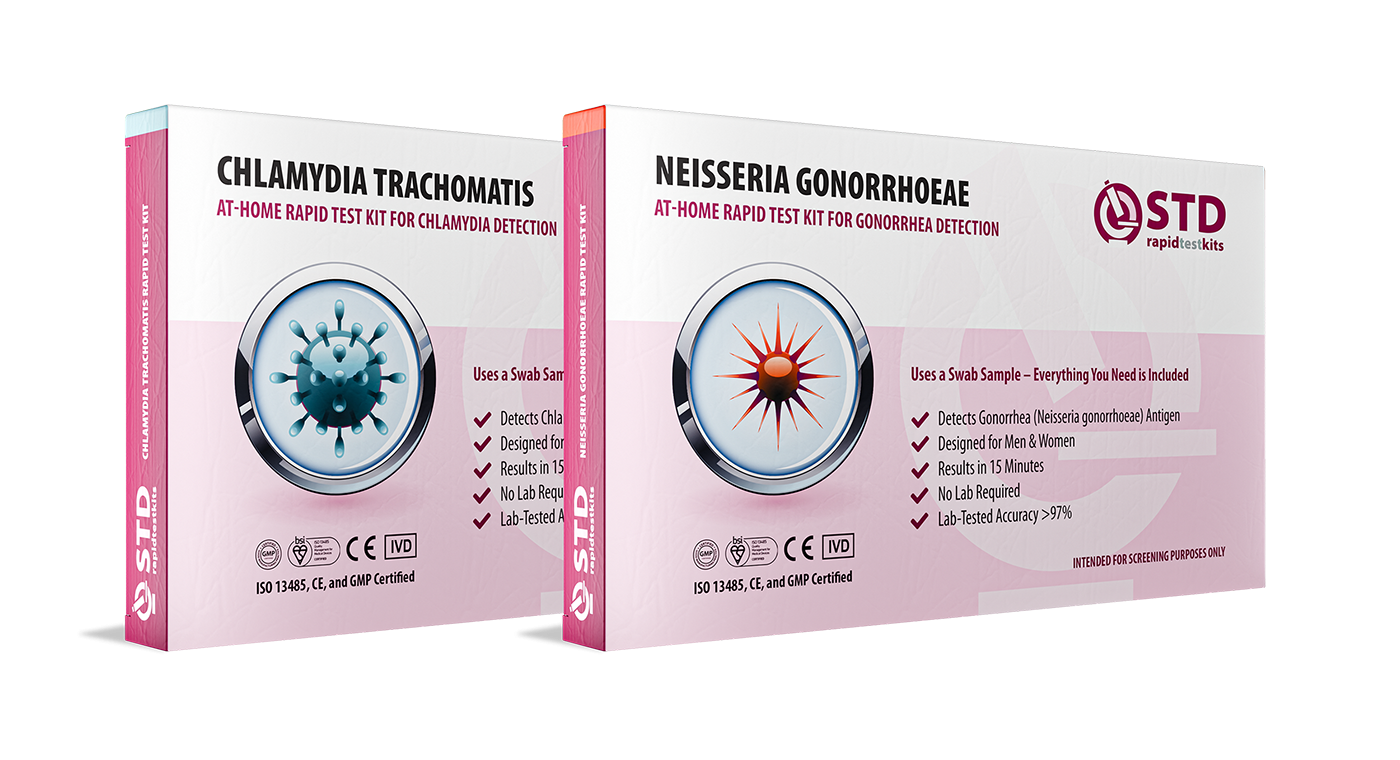
Testing is your secret weapon. You don’t have to wait until you’ve “lost your virginity” to get tested. In fact, if you’re doing anything where fluids can be exchanged, oral, manual, toy-based, you should test. Especially if something doesn’t feel quite right. STD Rapid Test Kits offers at-home chlamydia tests that give you answers quickly, privately, and without judgment.
Remember: taking care of your body is not a confession. It’s an act of self-trust. Whether you’ve had sex once, ten times, or not at all, you deserve the truth about what’s going on down there. And you deserve peace of mind when your body is telling you something’s off.
Check Your STD Status in Minutes
Test at Home with RemediumChlamydia & Gonorrhea Test
 For Men & Women
 Results in Minutes
 No Lab Needed
 Private & Discreet
Order Now $49.00 $98.00
For all 2 tests
How Long Should You Wait Before Retesting?
After completing your antibiotics, give it a few weeks before jumping back into sexual activity, ideally a full 7 days post-treatment. The CDC also recommends retesting in 3 months to ensure the infection hasn’t returned or been reacquired.
Why wait three months? Because chlamydia can be persistent if your partner wasn’t treated or if you picked it up again from a new exposure. And here’s the hard truth: about one in five people who get treated will get it again within that 90-day window. Retesting isn’t obsessive. It’s smart. It’s you looking out for your future fertility and peace of mind.
At-home retests are a solid option if you’re not ready to go back to a clinic or don’t have insurance. You can even stock up in advance with a combo test kit that checks for multiple STDs in one go. Because let’s be honest, chlamydia rarely travels alone. If one infection found a way in, others might too.
Your Privacy, Your Power: Testing Without Shame
Let’s talk about something that doesn’t get enough air: what it feels like to wait for STD results when you’re not even sure you “should” be testing. There’s a special kind of shame that creeps in when you’re scared but also confused, when you tell yourself, “But I haven’t even had sex… should I even be here?”
That shame is manufactured. By silence. By sex-ed classes that skipped queer people. By health systems that assume penetration equals risk, and everything else doesn’t count. The truth? If you’re worried, if you have symptoms, if you just want to know, then yes, you should be here. And yes, your privacy is protected when you test from home.
At-home STD tests, like the ones available through STD Rapid Test Kits, are discreetly packaged, fast, and delivered right to your door. Nobody needs to know but you. You can open it in your bathroom, do the test in minutes, and have peace of mind without ever leaving your space. No awkward pharmacy run. No intake form side-eyes.
This kind of privacy matters. Because the less we feel watched, the more honest we get with ourselves. You don’t owe anyone your sexual history, not even a doctor, until you’re ready to share it. But you do owe yourself clarity. Because your body is talking. And you deserve to listen.
What If You’re Still Not Sure Where You Got It?
This is the spiral that catches so many of us. The timeline math. The backward thinking. The sleepless scrolling through every touch and every maybe. But sometimes the truth is… you’ll never really know.
That doesn’t mean you did anything wrong. It means infections don’t care about clarity. They don’t arrive with receipts. Maybe it was an oral hookup six months ago. Maybe you touched, rubbed, or used a toy. Maybe your partner didn’t know they had something. Maybe your body’s just now catching up.
You can drown in the shame spiral, or you can get out of it by asking a different question: “What can I do now?” That’s where the power starts to return.
This at-home combo test kit checks for the most common STDs discreetly and quickly. Whether it’s your first test or your follow-up, it gives you answers you can act on.

People are also reading: STDs That Hide in Saliva and Under Nails
You Deserve Answers, Not Assumptions
This article isn’t just about chlamydia. It’s about the assumptions that keep people in the dark. The myths that say you need to be “experienced” to be at risk. The fear that makes people suffer in silence. And the truth that breaks all of that open: you can take care of your sexual health even if no one ever taught you how.
You deserve answers whether you’ve had sex or not. You deserve tools whether you’re nervous or confident. And you deserve to ask questions without shame, because your body is your business, and your story doesn’t have to follow anyone else’s rules.
Don’t wait and wonder, get the clarity you deserve. Order a discreet chlamydia test kit here and find out where you stand. It’s not about fear. It’s about freedom.
FAQs
1. Can I really get chlamydia without having "real sex"?
Yep. You absolutely can. Chlamydia doesn't care whether you called it sex, foreplay, hooking up, or "just fooling around." If there was genital-to-genital contact, oral sex, shared toys, or any mix of fluids and skin, there's a door open. It’s rare, but not a myth. And it’s why so many people end up shocked when their test comes back positive.
2. I’ve never had penetrative sex. Why did my chlamydia test come back positive?
Because transmission doesn’t require penetration. It can happen from genital rubbing, oral sex, or using unwashed toys. Some people even get exposed from a partner who has no clue they’re infected. This doesn’t mean you’re “dirty” or that you did something wrong. It just means you’re human, and bacteria are sneaky.
3. How long after a hookup should I test for chlamydia?
Ideally, you wait 7 to 14 days after the encounter. That’s the sweet spot for most accurate results. Testing too early might give you a false negative, and no one needs that false peace of mind. If you’re worried, test, but plan for a retest too.
4. Could it be something else? My symptoms are mild.
Maybe. A burning sensation, odd discharge, pelvic cramps, those could be a UTI, yeast imbalance, or just irritation from a new lube. But they could also be early chlamydia. The only way to know for sure is to test. Don’t guess with your body, it's not a quiz.
5. I tested positive, but my partner says they’re clean. What gives?
One of two things might be true: they were infected and didn’t know it (super common), or your infection came from someone or something before them, remember, chlamydia can linger silently for weeks or even months. This isn’t about blame. It’s about bacteria not asking for your timeline.
6. Is oral sex risky for chlamydia?
Not super risky, but not zero. Chlamydia can live in the throat, especially if someone’s already infected genitally. So yes, it’s possible to get or give it through oral sex, even if everyone looks and feels totally healthy. Mouths are not immune just because they’re not below the belt.
7. Can I get it from fingering or hand stuff?
It’s very unlikely, but not impossible. If infected fluids are transferred by hand from one person’s genitals to another’s, and especially if there are tiny cuts or tears involved, transmission can technically happen. It's low risk, but low risk doesn’t mean no risk.
8. What happens if I ignore it?
If you don't pay attention to chlamydia, it's like ignoring a fire alarm in your house. You might not see flames right now, but damage is happening. Untreated, it can cause pelvic inflammatory disease, chronic pain, infertility, and raise your HIV risk. The good news? Treatment is easy. But ignoring it? Not worth it.
9. Do I need to tell anyone I hooked up with?
Yes, if there’s even a chance they were exposed, they deserve to know. You don’t have to give them your whole medical file. Just let them know they should get tested. It’s not about punishment. It’s about protection. If the roles were reversed, wouldn’t you want the heads-up?
10. Is at-home testing legit?
Yes, when done right and at the right time. The best at-home chlamydia tests are lab-backed and use the same methods as clinics. Just follow the instructions and test after the window period. If you want fast, private, judgment-free answers? At-home testing is a game changer.
How We Sourced This Article: We combined guidance from the CDC, Mayo Clinic, and peer-reviewed sexual health research with firsthand testimonials and real-world transmission case studies. Lived experience stories were synthesized from health forums, Reddit, and anonymous interviews. All claims in this article are supported by current clinical data, and every external link was tested to ensure it leads to a reputable, trusted destination. This guide is designed to be practical, evidence-based, and stigma-free.
Sources
1. CDC – Chlamydia Treatment Guidelines
2. Health.com – Chlamydia Symptoms
3. Sex Transm Infect – Transmission Probability Model
4. New York Post – STI Without Sex
5. Verywell Health – Is Chlamydia Curable?
6. Everlywell – Chlamydia Without Being Sexually Active
About the Author
Dr. F. David, MD is a board-certified infectious disease specialist focused on STI prevention, diagnosis, and treatment. He blends clinical precision with a no-nonsense, sex-positive approach and is committed to expanding access for readers in both urban and off-grid settings.
Reviewed by: Dr. Maya Reiner, MPH | Last medically reviewed: September 2025
This article is for informational purposes and does not replace medical advice.


