






STD Symptoms After 3 Days: Early Signs You Shouldn’t Ignore
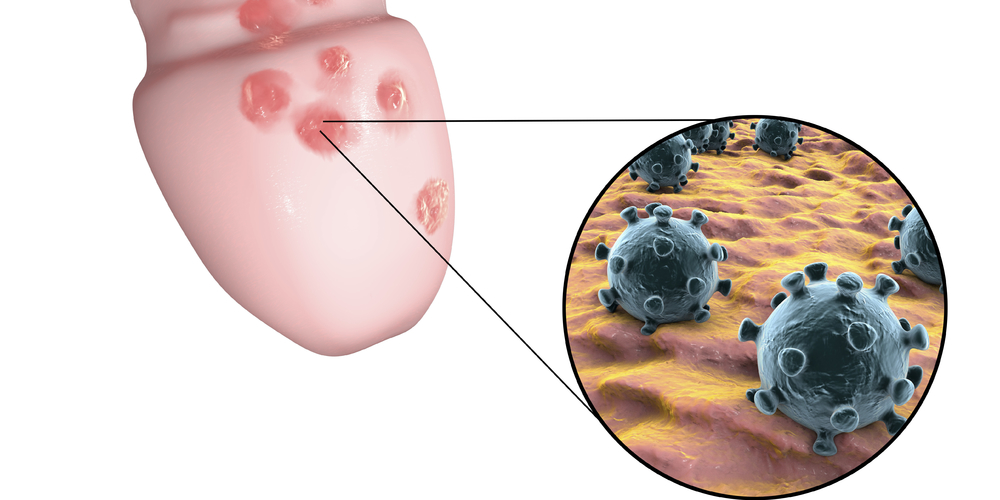
Itchy Red Spots on the Penis
Penile health is a very sensitive issue that can raise a high level of anxiety and concern, particularly when unusual symptoms appear, such as red spots and itching. These symptoms can be painful and embarrassing; thus, bringing about quick questions in one's mind as to what they might stem from, with STIs often times being the first thought.
However, these symptoms can be linked to many conditions other than STIs, so an appropriate diagnosis is necessary to establish the right treatment.
Possible Cause: Sexually Transmitted Infections
The red spots and itchiness may be symptoms of STIs. Commonly, STIs come in many forms, although some of the more common symptoms include the appearance of red spots, rash, blisters, warts, or ulcers, and itchiness. A few of the more common STIs which can result in such a condition are genital herpes, syphilis, human papilloma virus, and trichomoniasis.
Understanding Other Possible Causes
Besides STIs, there are many other possible causes of red spots and itchiness on the penis. These include:
- Dermatological Conditions: Psoriasis, balanitis, and dermatitis could present with symptoms such as red spots and itchiness. These can be due to irritation from the action of chemicals in soaps, detergents, or other hygiene products.
- Allergic Reactions: Allergies to latex, which condoms and a lot of lubricants are made of, spermicides, or certain soaps and detergents, can cause a skin reaction that leads to red spots and itchiness.
- Yeast Infections: The most common myth regarding yeast infections is that only females can acquire them. Actually, men can get yeast infections, too, which in many cases originate from their partner. Symptoms may include redness, itchiness, and small rashes.
- Physical Irritation: Simple physical irritation from rough sexual activity or too-tight clothing can also cause these symptoms.
The Importance of Proper Diagnosis
If you happen to develop some red spots and itching on your penis, the most important thing you can do is seek medical help immediately. The earlier your condition is correctly diagnosed, the earlier proper treatment can start. The symptoms need to be examined by a healthcare provider, your past medical history considered, tests conducted as needed, and finally, a diagnosis given.
Moreover, testing is important in sexually transmitted infections. Most sexually transmitted infections have slight or no symptoms, thus leading to many people spreading the infection unconsciously. Testing detects the infection early, and early treatment prevents further transmission and complications.
Managing Symptoms: Tips for Relief and Prevention
You can take some steps to relieve symptoms and avoid further irritation while you wait to see a doctor for an evaluation and diagnosis:
- Hygiene: Keep the affected area clean and dry. Regularly washing the genital area with warm water and mild, unscented soap can prevent irritation and infection.
- Clothing: Wear loose, well-ventilated underwear and clothes. Tight clothes irritate the skin further and increases the symptoms.
- Avoid Irritants: Avoid potentially irritating products, such as soaps, lubricants, or condoms, until you have identified the source of your symptoms.
- Sexual Relations: Avoid sexual relations until your symptoms have been evaluated and appropriately treated in order to eliminate the risk of possible infection transmission.
Check Your STD Status in Minutes
Test at Home with RemediumGenital & Oral Herpes Test Kit
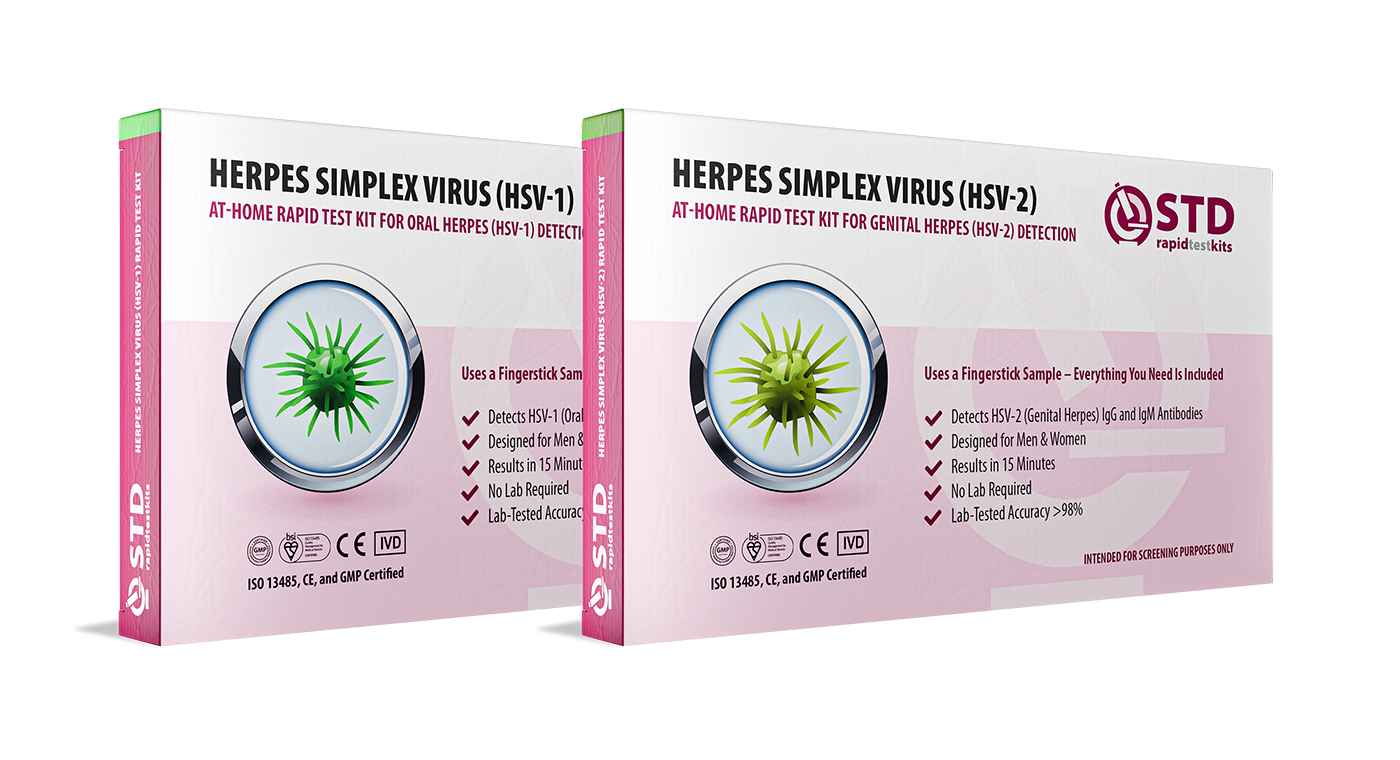
Claim Your Kit Today
Save 23%
 For Men & Women
 Results in Minutes
 No Lab Needed
 Private & Discreet
Order Now $75.00 $98.00
For all 2 tests
Consultation and Treatment
After seeing a medical professional and getting a diagnosis, a recommended treatment scheme will be given to you according to your condition. The treatment will depend on what was found to be the cause of the symptoms.
Medications such as antibiotics or antiviral drugs will be prescribed if an STI is diagnosed. Topical creams or ointments can be proposed for dermatological conditions. If the issue is an allergic reaction, the best course of action is usually to identify and avoid the allergen.
Communicate openly with your healthcare provider throughout your treatment process. Ask about any concerns, questions, or changes in symptoms you have. This will help your provider to assist you in managing symptoms and improving health.
Getting Regular STI Testing
Besides this issue of red spots and itchiness you are experiencing, regular testing for STIs is a good practice for anyone sexually active; this is truer when you have multiple sexual partners or when unprotected sex is involved. Even if one doesn't show symptoms, regular testing makes for early detection and treatment in cases of STIs, which could prevent potential long-term health problems and helps reduce their spread.
STI testing can be done at a doctor's office, sexual health clinics, or at home using approved home test kits. Results often come back within a few days to a week, depending on the type of test.
Improving Penis Health: Products to Consider
All of these can help in maintaining general good penile health—as can various products designed to protect and enhance this sensitive area, including specialized soaps, creams, and lotions that are hypoallergenic and intended specifically for use on intimate areas. Another important reason is the requirement for hypoallergenic condoms, which serve as protection during sex for those people who have sensitive skin or allergic reactions.
Check Your STD Status in Minutes
Test at Home with Remedium3-in-1 STD Test Kit
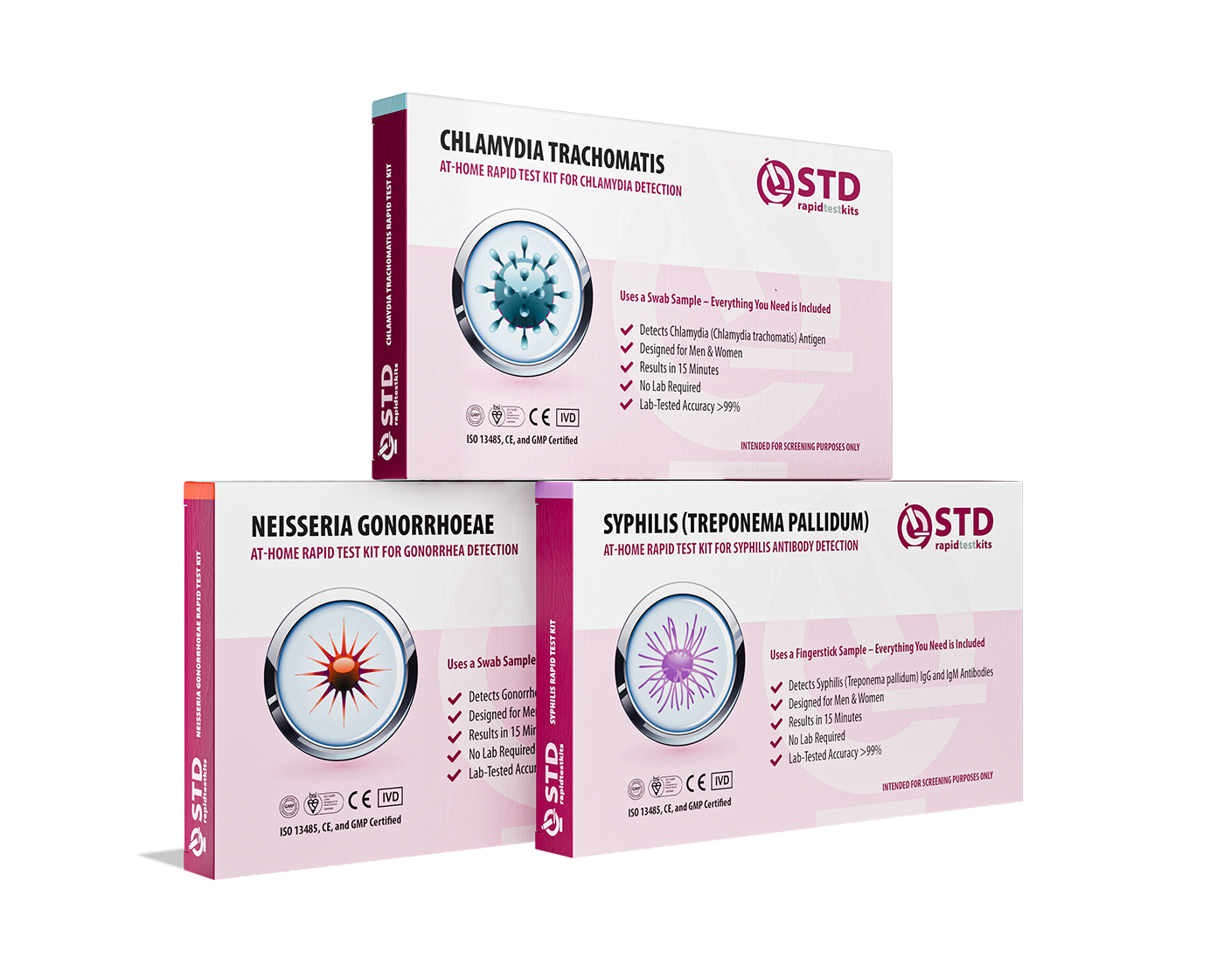
Claim Your Kit Today
Save 53%
For Men & WomenResults in MinutesNo Lab NeededPrivate & DiscreetOrder Now $69.00 $147.00
For all 3 tests
Proactive Health and Regular STD Checkups
Though alarming, red spots and itchiness on the penis do not actually signal an STI. Many other conditions or factors, which can involve anything from irritation and allergic reactions to medical conditions, may result in similar symptoms. The key is not to panic, but to seek professional medical advice as soon as you notice something out of the ordinary.
Remember, prevention is always better than cure. Regular medical check-ups, screening for sexually transmitted infections, safe sexual behavior, and good personal hygiene are the cornerstones of penile health. Being proactive about your health will not only help you maintain good penile health but will also contribute toward your general well-being.
References
-
Centers for Disease Control and Prevention. (2020). STDs (Sexually Transmitted Diseases)
-
Mayo Clinic. (2020). Sexually Transmitted Diseases (STDs)
-
National Health Service. (2019). Penis problems
-
American Sexual Health Association. (2021). STD Symptoms
-
MedlinePlus. (2021). Penis Disorders
-
WebMD. (2020). Sexual Conditions Health Center: Symptoms of STDs
-
Planned Parenthood. (2020). What Are the Symptoms of STDs?


