







Quick Answer: STD symptoms may not show up right away, but cortisol drops, immune shifts, and infection incubation can create subtle signs within 24 to 72 hours. You might feel sick, foggy, or off, and testing within the right window is the only way to know for sure.
That Sinking Feeling Isn’t Just in Your Head
Marla, 24, had no symptoms that screamed “STD.” She just felt weird. Foggy. Low energy. “I thought I was just ashamed of myself,” she said. “But I also kept googling things like ‘fatigue after hookup’ and ‘can you feel STD symptoms next day?’ I couldn’t shake the feeling something was wrong.”
Marla isn’t alone. The body’s post-sex crash mimics sickness in more ways than one. The drop in cortisol and dopamine after sex can leave you anxious, moody, or flat. But here’s where it gets more complicated: if you were exposed to an STD during that encounter, your immune system has also just taken a hit. The very window when you're most vulnerable emotionally is also when you're most biologically susceptible.
“The symptoms didn’t make sense. I wasn’t burning or anything. I just felt like my whole system was off,” Marla explained. Within two weeks, she tested positive forchlamydia. She had no discharge, no itching, no pain, just a sense of being wrong in her own body. And it turned out, she was right to trust that gut feeling.
Emotional symptoms after a hookup are real, but they can also mask real infections. The overlap makes it dangerously easy to dismiss that “off” feeling as shame or hangover. Sometimes it is. Sometimes it’s not.
The Body’s Biological Whiplash After Sex
Let’s talk hormones. During and after sex, your brain floods with oxytocin and dopamine, feel-good chemicals designed to bond you, calm you, and reward the experience. But that doesn’t last. In the hours after orgasm, dopamine drops and cortisol begins to rise again. For people who didn’t feel emotionally safe during the hookup, or who were already stressed, this swing can trigger a massive mood dive. And that’s when the body starts showing odd signals that don’t always feel “mental.”
Here’s where it gets wild: cortisol isn't just a stress hormone. It also plays a major role in immune suppression. When your cortisol spikes post-sex, it can actually create a short-term opening for viral and bacterial infections to establish themselves, especially if you've just been exposed to herpes, HPV, or gonorrhea.
In fact, a 2012 immunology study found that even minor increases in cortisol can affect T-cell activity, which is crucial for fighting infections. So yes, your mood swing after sex might be partnered with a dip in the very defenses that keep STDs from taking hold.
This biological opening, paired with regret or anxiety, can feel like punishment. But it’s not moral. It’s medical. And the more we understand that, the easier it becomes to respond with care instead of shame.
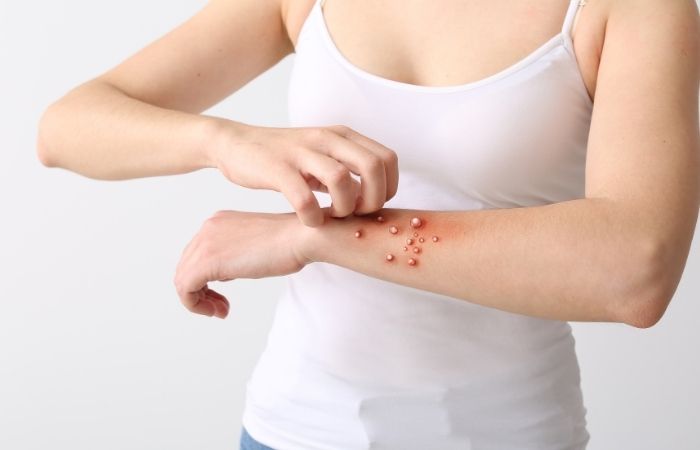
People are also reading: When to Relax, When to Test: Your Rash Doesn’t Always Mean an STD
When Cortisol Crashes, STDs Can Creep In
Think of your immune system like a bouncer at the door. After sex, especially in high-stress encounters, that bouncer might take a smoke break. For a short window, hours to days, your body is distracted, emotionally taxed, and slightly disarmed. That’s when an infection like herpes can quietly sneak in, even if you didn’t notice any symptoms right away.
Trey, 31, had unprotected oral sex at a party. “I didn’t think much of it. The guy looked healthy, said he was clean, and I was drunk and lonely,” he said. Four days later, he noticed a tingling around his lip. “I thought it was a cold sore. But then it came back two weeks later, worse.” Trey was eventually diagnosed with HSV-1. His first instinct was to blame himself. “I thought I was being punished. But really, I just didn’t know the signs or the timing.”
Many STDs don’t show immediate symptoms. According to the CDC, herpes can incubate silently for 2 to 12 days. Chlamydia and gonorrhea may take a week or more before triggering discharge or pain, if they cause symptoms at all. The morning after may feel like a clean slate, but your body is already processing a potential invader.
That’s the trap. You feel fine. You feel bad emotionally, sure, but biologically, there’s nothing obvious. So you don’t test. Or worse, you test too early. Then you trust that early negative result as proof that nothing happened. This is one of the most dangerous myths out there.
Testing immediately after a hookup can be comforting, but in many cases, it’s too soon. Most STDs have a “window period”, the time between exposure and when a test can detect the infection. Testing inside that window can give a false sense of security, especially with rapid tests that rely on immune response markers.
According to Mayo Clinic guidance, the optimal testing windows are as follows:
| STD | Earliest Test Window | Best Accuracy Timing |
|---|---|---|
| Chlamydia | 5–7 days | 14+ days |
| Gonorrhea | 5–7 days | 14+ days |
| Herpes (HSV-1/2) | 4–6 days (PCR) | Up to 12 weeks (blood test) |
| HIV | 10–33 days (NAAT) | 4–12 weeks (antibody) |
| HPV | ~3 weeks | ~6+ weeks |
Figure 1. Common STDs and their detection timelines. Testing too early can result in a false negative.
This isn’t a scare tactic, it’s strategy. If you test too early and get a negative, you may skip follow-up testing, exposing others or ignoring symptoms that surface later. Instead of panicking, think of your first test as a baseline. And if it’s within that early window, plan to retest. Especially if anything feels off.
Real Regret or Real Infection? Here’s How to Tell
There’s no shame in waking up with a pit in your stomach after sex. But if that feeling lingers, especially with fatigue, pelvic weirdness, swollen lymph nodes, fever, or sore throat, your body may be telling you something more. These early signs are subtle. They’re easy to miss. And they’re easy to misinterpret as hangover, PMS, or anxiety.
Nina, 27, had a “clean” hookup with a Tinder match who said he tested last month. “I didn’t even consider it until I started peeing more and felt itchy,” she said. “I thought it was a UTI. The doctor said it was trichomoniasis.” Nina had never even heard of it. “I thought I was doing everything right. I even asked him if he was good. But he didn’t even know he had it.”
That’s the key: many people carrying STDs don’t know. Some infections remain asymptomatic for weeks, or forever. And standard panels don’t always test for everything. HPV, trich, and herpes are often left off unless you specifically request them. That’s why relying on a partner’s “status” isn’t foolproof.
And for those asking: no, stress doesn’t cause STDs. But high stress, especially combined with alcohol and disrupted sleep, can suppress immunity and worsen symptom flare-ups. Some people with herpes notice their first outbreak within days after a major stress event, even if the exposure was earlier.
The real takeaway? Trust your body, but also verify. Feeling regretful doesn’t mean you’re paranoid. It might mean your nervous system is picking up on something your conscious brain hasn’t connected yet.
Wondering what to do next? Let’s talk about the one thing that cuts through confusion: testing with the right timing and the right tool.
Your Next Move, Test, Treat, and Reclaim Your Power
This is where the shame spiral usually kicks in. You start running scenarios in your head. Was it the condom slipping off? Was their “clean” status just a guess? Did that weird tingle mean anything, or am I spiraling?
Here’s what matters most: your power isn’t in what happened. It’s in what you do next. And that starts with testing, done smartly, within the right window, and in a way that makes you feel safe.
If you’re still within the first week after a risky encounter, that off-feeling doesn’t mean you’re imagining things. It means your body is reacting. But if you test too early, you risk getting a false negative, especially for infections like chlamydia, gonorrhea, and HIV. Early symptoms can include low-grade fever, sore throat, fatigue, or pelvic discomfort, none of which scream “STD,” but all of which deserve attention.
Waiting even a few extra days can make a massive difference. For at-home rapid STD tests, like the ones offered at STD Rapid Test Kits, accuracy improves dramatically after the 10–14 day mark, depending on the infection. That’s why some people choose to test twice: once early for peace of mind, and again after the window closes for confirmation.
If you’re anxious and can’t wait, there’s no harm in testing now, just don’t treat a negative as a final answer unless it’s past that optimal accuracy point. Plan to test again. That’s not paranoia. It’s precision.
And yes, these kits are private, fast, and accurate when used correctly. You can order a discreet Combo STD Home Test Kit and get results in minutes, without waiting at a clinic or explaining yourself to a stranger behind a clipboard.
This is harm reduction, not punishment. This is how we take care of ourselves and each other, even when the night before didn’t go how we planned.
Check Your STD Status in Minutes
Test at Home with Remedium10-in-1 STD Test Kit
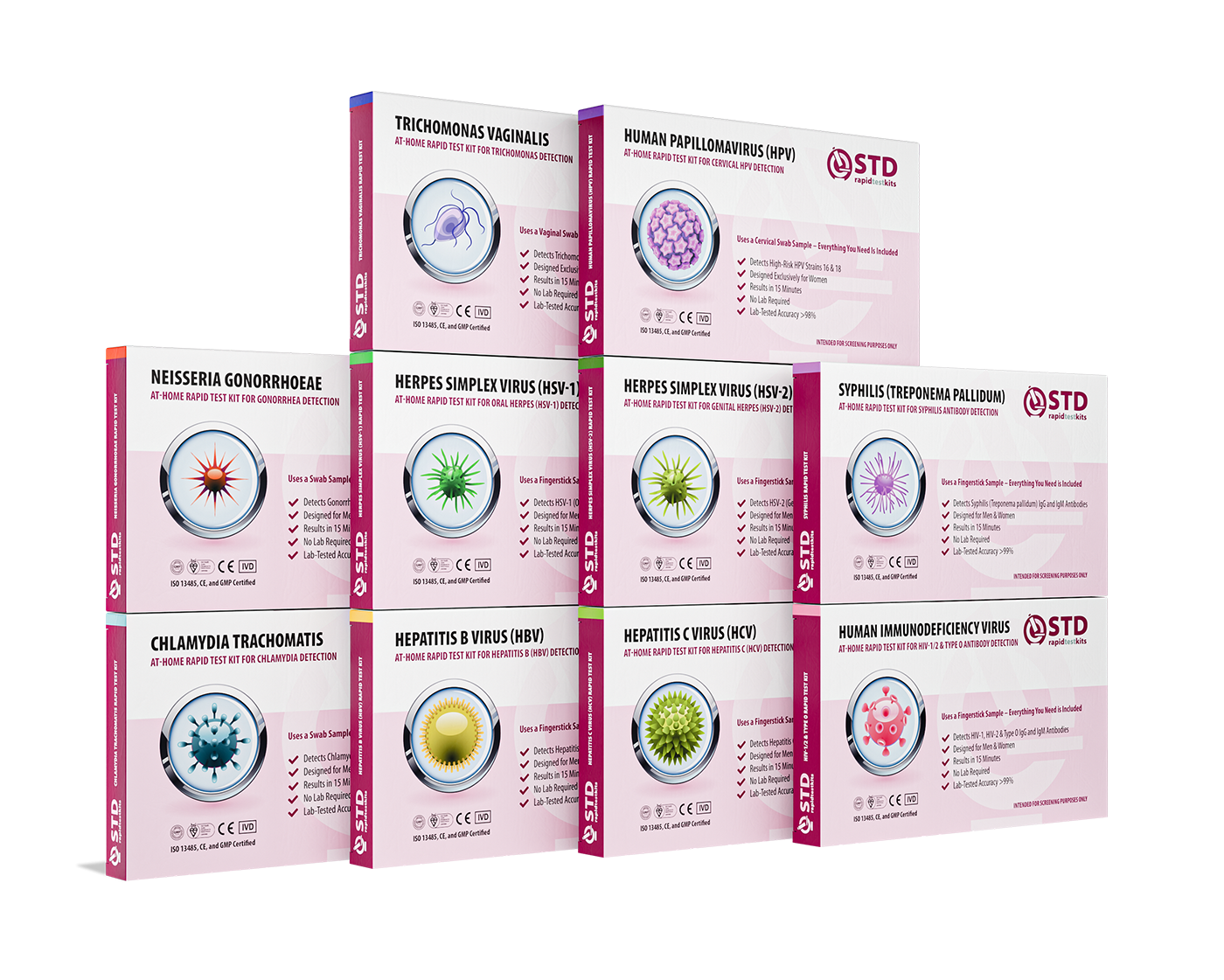
 For Women
 Results in Minutes
 No Lab Needed
 Private & Discreet
Order Now $189.00 $490.00
For all 10 tests
Why Prevention Isn’t Just a Buzzword
Some people will read this and think, “I should’ve known better.” That’s stigma talking. The truth is, STDs happen in every demographic, every age group, every type of relationship. The most protective tool you have is not perfection, it’s preparation.
That includes things like barrier methods, yes. But it also includes knowing the window periods, asking questions even when it’s awkward, and testing regularly, even when you feel fine. It means understanding that even people who test negative can still transmit herpes or HPV if they’re not actively showing symptoms but still shedding virus.
It also means building rituals around sexual health the way we build routines for brushing our teeth. A new partner? Set a calendar reminder to test. A night that got blurry or broke your usual rules? Don’t stew in regret, channel that energy into action.
And for those who keep spiraling about what might already be in their body: breathe. Most STDs are treatable. All are manageable. None of them make you dirty, ruined, or unworthy of love. What you deserve is clarity. And clarity starts with a test, not a shame spiral.
STD Rapid Test Kits offers multiple options you can use from the privacy of your home, no clinic waiting rooms, no judgment, just you taking care of you.
Because whether it’s a rash, a weird feeling, or just a gut instinct, you deserve answers.
FAQs
1. Can stress actually trigger STD symptoms?
Not the infection itself, but it can open the door. When your body’s cortisol surges, your immune defenses dip. If you’ve recently been exposed to something like herpes, that stress could help trigger your first outbreak. It’s not “in your head”, your nervous system and your immune system are in constant conversation.
2. Is it normal to feel sick after sex?
Surprisingly, yes. Especially if there was alcohol, anxiety, or a hookup you’re not emotionally settled about. Your brain just dumped oxytocin, dopamine, and adrenaline, and now the high is gone. Add in potential exposure to a new infection, and it’s no wonder you feel like a truck hit your nervous system.
3. Can I test the next day and trust the results?
You can test, but don’t treat an early negative as gospel. Most STDs need a few days to become detectable. For example, chlamydia and gonorrhea usually don’t show up on tests until day 7–10. Test early if it helps your anxiety, but mark your calendar to test again once the window closes.
4. How long does it really take for STD symptoms to show up?
That depends on the infection. Some show up in a few days. Others take weeks, or never show at all. Herpes can appear in 2–12 days. HIV might take a few weeks. And something like trichomoniasis can live quietly for months before symptoms flare.
5. He said he was “clean.” Was that just a lie?
Not necessarily. He might have tested, but too early. Or didn’t get tested for everything. Most people don’t realize that standard panels often skip HPV, herpes, and trich. “Clean” isn’t a medical term, it’s a hopeful guess at best. Always test based on behavior, not someone’s confidence.
6. So I can get an STD even if we used a condom?
Yeap. Condoms help a lot of course, but they don’t protect everything. Infections like herpes and HPV spread through skin-to-skin contact, which can happen outside the condom zone. Think thighs, mouths, fingers. Safe-ish doesn’t mean zero risk.
7. I had weird symptoms for a day, then they disappeared. Am I fine?
Maybe. But don’t rely on that. STDs can flare briefly, then settle before coming back stronger. What looks like a UTI or yeast infection could be something else entirely. If something felt off, even for one day, it’s worth getting checked.
8. Can I still have sex while I wait to test or retest?
Technically, yes. Ethically? Up to you, but ideally with a condom, and with open communication. If you’re not sure of your status, the kindest thing you can do for your partners (and your peace of mind) is to press pause until you’ve got answers.
9. Why does nobody talk about this stuff?
Shame, mostly. Plus a lot of sex ed skipped over how biology and emotion crash into each other after sex. We hear about condoms and STDs, but not about how our hormones crash the morning after, and how that messes with our judgment, immunity, and clarity. You’re not broken. The system is.
10. What’s the easiest way to test without making it a whole thing?
At-home kits are the move. You can pee in a cup or swab in private, get results in minutes, and avoid clinic awkwardness. The Combo STD Home Test Kit covers the most common infections all in one go. No lines, no lab coats, no judgment, just answers.
You Deserve Answers, Not Assumptions
Regret is a powerful feeling. So is fear. But neither should keep you from acting. The next time you wake up with that weird gut feeling after sex, listen, but don’t spiral. Test. Track your timing. Reclaim your clarity.
Your body deserves care, not criticism. And your decisions, whatever led to the night before, don’t erase your right to health today. STD Rapid Test Kits makes it possible to move from panic to plan without leaving your home.
Take back your peace of mind. Order a discreet Combo STD Home Test Kit today and get results in minutes.
How We Sourced This Article: We combined the latest guidance from medical leaders like the CDC, Mayo Clinic, and NIH with peer-reviewed immunology studies and real-life stories to make this guide both accurate and emotionally grounded. Around fifteen vetted sources informed this article; six of the most user-relevant are listed below. All external links open in a new tab for easy verification.
Sources
1. CDC – Genital Herpes Fact Sheet
2. Mayo Clinic – STD Diagnosis & Testing
3. CDC – STD Screening Recommendations
4. Mayo Clinic – STD Symptoms and Causes
5. Planned Parenthood – What do I need to know about STDs
About the Author
Dr. F. David, MD is a board-certified infectious disease specialist focused on STI prevention, diagnosis, and treatment. He blends clinical precision with a no-nonsense, sex-positive approach and is committed to expanding access for readers in both urban and off-grid settings.
Reviewed by: L. Jensen, RN, MPH | Last medically reviewed: September 2025
This article is for informational purposes and does not replace medical advice.


