






Quick Answer: Probiotics may help balance vaginal health and reduce yeast overgrowth, but they do not prevent or cure STIs. If symptoms persist, STD testing is the only way to know the truth.
Why This Conversation Matters
Too often, people self-diagnose vaginal itching or discharge as a yeast infection, grab probiotics or over-the-counter creams, and move on. But studies show that up to 70% of self-diagnosed “yeast infections” are misdiagnosed, with conditions like chlamydia, gonorrhea, trichomoniasis, or even herpes being the real culprit (CDC).
It matters because every week delayed is another week an untreated STD can spread, cause complications, or silently damage your reproductive health. And probiotics, while useful for general vaginal balance, won’t protect you from those risks. That’s why knowing the difference isn’t just trivia, it’s self-protection.
What Probiotics Can, and Can’t, Do
Probiotics are live microorganisms, often strains of Lactobacillus, that can support vaginal and gut health. They may help restore balance after antibiotics, lower the risk of recurrent yeast infections, and reduce bacterial vaginosis episodes. In that sense, they are allies in your intimate health routine.
But probiotics can’t cure STIs. They don’t kill bacteria like gonorrhea, can’t suppress viral infections like herpes, and won’t protect you from HIV. Their role is supportive, not curative. Think of them as a daily vitamin: they can help the system run smoother but they can’t replace treatment or testing when something goes wrong.
When Yeast Isn’t Yeast: The Overlap With STIs
Case Study: “I Swore It Was Just Another Yeast Infection.” Sara, 27, had been prone to yeast infections since college. She knew the signs: itching, thick discharge, and irritation after sex. So when the symptoms came back, she loaded up on probiotics and antifungal cream. Three weeks later, the itching hadn’t stopped, and a partner texted her saying he’d tested positive for chlamydia. What she thought was a yeast infection turned out to be an untreated STI.
Sara’s story isn’t rare. Discharge, odor, itching, and burning overlap across yeast infections, bacterial vaginosis, and multiple STIs. Without testing, even doctors sometimes misread the signs. That’s why self-treatment with probiotics alone can delay real answers.
People are also reading: STDs in Lesbian and Bisexual Women: Myths, Risks, and the Importance of Testing
Table: Symptom Confusion Between Yeast, BV, and STIs
| Condition | Typical Discharge | Other Key Symptoms | Can Probiotics Help? | Needs STD Test? |
|---|---|---|---|---|
| Yeast Infection | Thick, white, “cottage cheese” texture | Itching, redness, swelling | Yes, may reduce recurrence | No, unless symptoms don’t resolve |
| Bacterial Vaginosis | Thin, gray-white | Fishy odor, mild irritation | Yes, some strains reduce BV risk | Yes, to rule out STIs |
| Trichomoniasis | Yellow-green, frothy | Strong odor, itching, pain with sex | No | Yes, always |
| Chlamydia | May be clear or mucus-like | Often no symptoms, sometimes burning with urination | No | Yes, always |
| Gonorrhea | Yellow or greenish | Burning, pelvic pain | No | Yes, always |
Figure 1. Overlapping symptoms of yeast, BV, and common STIs. This table highlights why probiotics aren’t enough, testing remains the only way to confirm an infection.
Order Now $129.00 $343.00 Check Your STD Status in Minutes
Test at Home with Remedium
7-in-1 STD Test Kit
 For Men & Women
 Results in Minutes
 No Lab Needed
 Private & Discreet
For all 7 tests
Why Timing and Testing Still Rule
Imagine waking up three days after unprotected sex, itching and panicked. You grab probiotics, cranberry juice, maybe even an over-the-counter antifungal cream. But here’s the science: most STDs have incubation or window periods. That means testing too early won’t show the infection, no matter how strong your symptoms feel. A probiotic capsule can soothe some imbalance, but it can’t bend the biology of how infections replicate and show up on a test.
For example, chlamydia and gonorrhea usually take at least a week before they can be detected by testing. Syphilis antibodies may not appear until three to six weeks. HIV combo tests catch infections as early as 2 weeks, but accuracy increases closer to 6 weeks (WHO). In short: probiotics can comfort, but timing plus testing is what confirms.
Table: Common STIs and When They Show Up on Tests
| STD | Earliest Reliable Test Window | Best Time for Accuracy |
|---|---|---|
| Chlamydia | 7 days | 14 days+ |
| Gonorrhea | 7 days | 14 days+ |
| Syphilis | 3 weeks | 6–12 weeks |
| HIV | 2–4 weeks (combo test) | 6 weeks+ |
| Trichomoniasis | 5 days | 2–4 weeks |
Figure 2. Typical window periods for common STIs. Probiotics don’t change these timelines, only proper testing does.
Probiotic Myths That Can Put You at Risk
Myth 1: Probiotics can prevent STDs. They can’t. STIs are transmitted through sex, not gut imbalance. No capsule or yogurt drink stops that.
Myth 2: If probiotics clear my symptoms, I’m fine. Not true. Many STIs, especially chlamydia, remain silent for months. Symptoms resolving with probiotics doesn’t mean you’re infection-free.
Myth 3: Probiotics replace the need for testing. Dangerous thinking. Only a test, at home or at a clinic, can rule out an STD. Relying solely on supplements risks silent damage to fertility and long-term health (Mayo Clinic).
Why People Delay Testing (and How to Break the Cycle)
Probiotics can give a false sense of security. You feel like you’re “doing something,” so you put off making a real plan. But waiting can mean silent infections keep spreading. One Reddit user wrote, “I kept drinking kombucha thinking it was just another yeast flare. When I finally tested, it was trich the whole time.” The delay cost her a relationship and months of untreated discomfort.
This hesitation is human. Shame, fear, cost, and even optimism bias (“it can’t happen to me”) keep people stuck. But the solution is simpler than it feels: test. Whether with an at-home kit from STD Rapid Test Kits or at a local clinic, testing cuts through the guessing game.
Case Study: “I Tried to Probiotic My Way Out of It”
Marcus, 33, swore by his daily probiotic. When he noticed burning during urination, he doubled up, thinking his microbiome needed a reset. Weeks later, he landed in urgent care with untreated gonorrhea. “I thought I was being proactive,” he said, “but I was really just stalling.” His story highlights a common trap: mistaking wellness culture for medical care.
Marcus’s experience underlines the bottom line, probiotics support, but they don’t diagnose, and they don’t cure STIs.
The Role of At-Home Testing (and Why It Changes Everything)
Here’s the game-changer: you no longer have to choose between ignoring symptoms and facing a waiting room. At-home STD tests let you swab, prick, or pee in the privacy of your own bathroom, then ship or read results discreetly. Options like the Combo STD Home Test Kit screen for multiple infections at once, reducing confusion between yeast, BV, and STIs.
For someone unsure if their discharge is yeast or chlamydia, this is relief in a box. It’s about clarity, not confession. And it means probiotics can go back to being what they are: supplements, not substitutes.
People are also reading: The Truth About At-Home STD Testing: Accuracy and Reliability
When Privacy and Discretion Matter Most
For many readers, the idea of walking into a clinic and asking for an STD panel feels impossible. The waiting room glances, the billing statements, the fear of being “on record.” That’s where at-home testing changes the equation. Kits arrive in plain packaging. No one needs to know but you. And results are yours to decide how and when to share.
One customer described it this way: “I ordered mine to my office under my initials. No one blinked. When the kit arrived, I slipped it into my purse and did it at home after dinner. Zero judgment, zero stress.” That sense of control is powerful when anxiety already feels like it’s running the show.
How to Talk to a Partner Without Panic
Finding out you might have an STD while you’re also dealing with yeast-like symptoms can feel overwhelming. But honesty doesn’t have to sound like a confession. A script can help: “I’ve been having some symptoms that might just be yeast, but they could also be something else. I’m getting tested, and I think we should both check in.”
It reframes testing as a shared act of care instead of blame. And if you’ve already started probiotics, you can frame it as part of your broader wellness routine, not as proof you did something “wrong.” Testing together can turn a scary moment into a team effort.
Check Your STD Status in Minutes
Test at Home with Remedium6-in-1 STD Test Kit
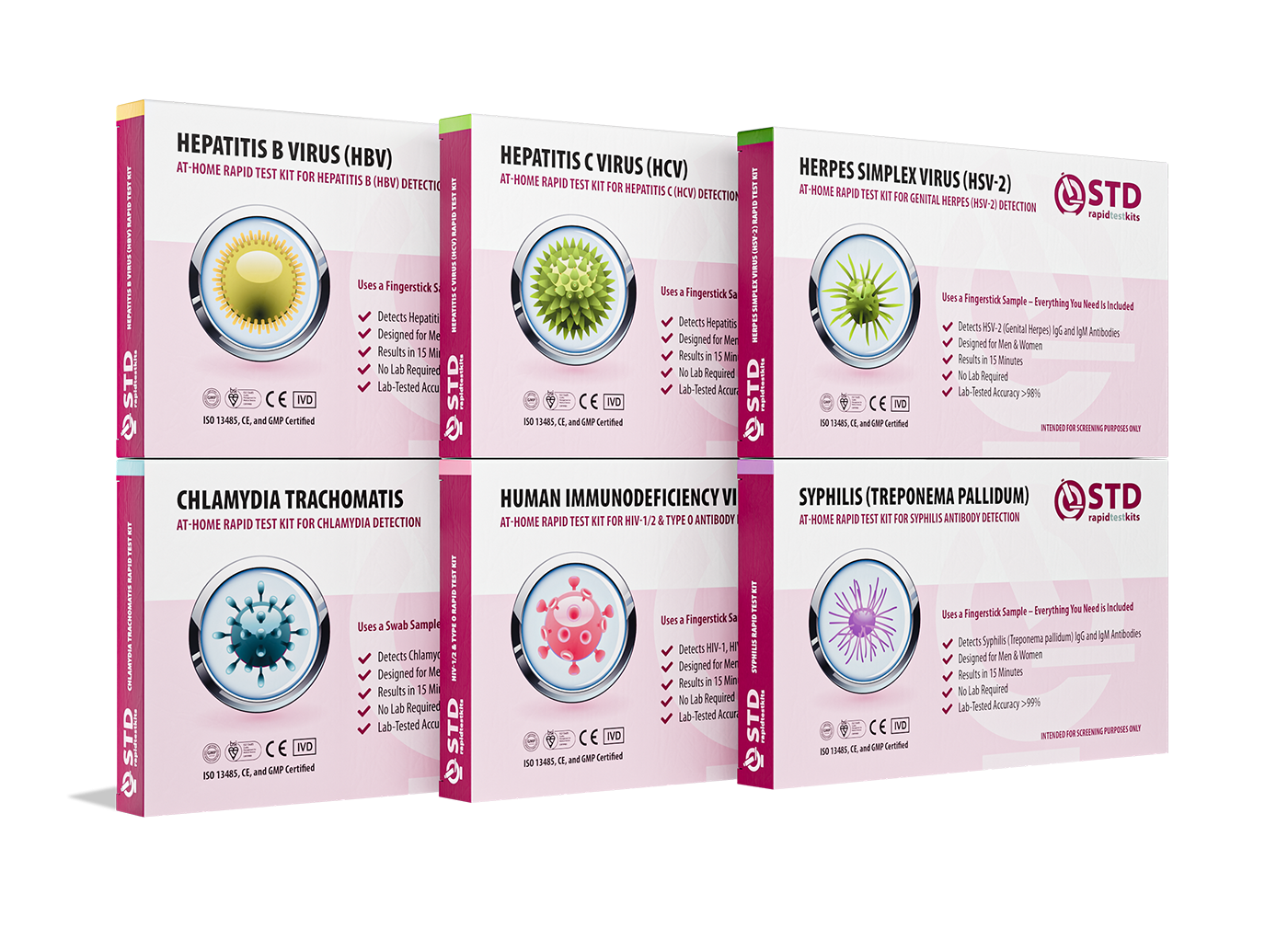 For Men & WomenResults in MinutesNo Lab NeededPrivate & Discreet
Order Now $119.00 $294.00
For all 6 tests
Breaking the Shame Loop
Shame is a stubborn barrier. Many people quietly throw probiotics and antifungals at symptoms because the alternative, saying “STD” out loud, feels unbearable. But shame doesn’t change biology. Chlamydia still scars fallopian tubes. Gonorrhea still causes pelvic inflammatory disease. HIV still requires lifelong management.
The good news? Testing is an act of self-respect, not self-blame. And while probiotics may symbolize self-care, real self-care includes knowing for sure. The stigma fades once the uncertainty does. And the more we normalize these conversations, the less power shame has.
When Probiotics Help, And When They Don’t
Let’s be clear: probiotics aren’t useless. They may help reduce recurrence of yeast infections. Some evidence suggests certain Lactobacillus strains lower bacterial vaginosis risk (PubMed). For people prone to imbalance, they can be a helpful ally.
But probiotics are not antibiotics. They don’t clear gonorrhea. They don’t suppress herpes. They don’t protect against syphilis or HIV. That’s where testing and medical treatment step in. Think of probiotics as background support, not frontline defense.
Call to Action: Taking Back Control
It's time to start over if you've been stuck in a cycle of guessing, googling, and taking probiotic capsules in the hopes that your symptoms will go away. You deserve facts, not guesses. Testing doesn't mean you should panic; it means you should feel safe.
Don’t wait and wonder. Order a discreet at-home kit today, like the Combo STD Home Test Kit, and know exactly what’s happening. Whether it’s yeast, BV, or an STD, clarity is the first step toward care that works.
FAQs
1. Can probiotics help with yeast infections?
No. Probiotics might help keep things in balance and lower the risk of yeast infections coming back, but they don't get rid of them. Antifungal medications are needed for active infections.
2. Do probiotics help prevent STDs?
No. Sexually transmitted diseases like chlamydia, gonorrhea, and syphilis spread through sexual contact, not by having too many bacteria. Probiotics can't stop the spread.
3. Why do yeast infections feel like STDs?
Because symptoms overlap. Itching, burning, and discharge are common in both. Without testing, it’s nearly impossible to tell the difference.
4. How can I tell if it's BV, yeast, or an STD?
Probiotics might help with BV or yeast, but the only way to be sure you don't have an STD is to get tested for it. You can't trust self-diagnosis.
5. Can probiotics hide STD symptoms?
They may soothe irritation, but they don’t eliminate the infection. That can delay diagnosis if someone mistakes relief for a cure.
6. Are probiotics safe to use with antibiotics for STDs?
Yes. They may even help restore gut and vaginal flora after antibiotic treatment. But they don’t replace prescribed medication.
7. Do probiotics help men with their sexual health?
Yes. Probiotics are marketed to women, but they can also help men's gut and urinary health. However, they won't stop or treat STDs.
8. What will happen if I treat a yeast infection when it's really an STD?
The symptoms of the yeast infection may get better for a short time, but the STD will keep getting worse. If you don't treat an infection, it can lead to problems like infertility or long-term pain.
9. Can probiotics help with recurrent BV?
Some evidence supports certain strains for lowering recurrence, but results vary. Clinical treatment plus testing is still recommended.
10. Should I stop probiotics if I think I have an STD?
No, but don't make them your only plan. If you take probiotics regularly, keep doing so, but make getting tested your top priority.
You Deserve Answers, Not Assumptions
At the end of the day, probiotics are a wellness tool, not a diagnostic test, and not a cure for STDs. Don't guess if you're itching, have discharge, or are in pain. Yeast infections and STIs are too similar for comfort.
Take back control of your health. This at-home combo test kit checks for the most common STDs discreetly and quickly. Because clarity is care, and you deserve both.
How We Sourced This Article: We used clinical advice from medical organizations like the CDC, WHO, and Mayo Clinic, along with peer-reviewed research and stories from real life.
Sources
1. CDC: Sexually Transmitted Diseases (STDs)
2. Mayo Clinic: What Chlamydia Symptoms and Causes Are
3. WHO: A Fact Sheet About HIV/AIDS
4. PubMed: Research on Probiotics and Vaginal Health
5. Planned Parenthood: Vaginitis and Vaginal Health
6. NHS: Sexually Transmitted Diseases
About the Author
Dr. F. David, MD is a board-certified expert in infectious diseases who works to stop, find, and treat STIs. He blends clinical precision with a no-nonsense, sex-positive approach and is committed to expanding access for readers in both urban and off-grid settings.
Reviewed by: Dr. L. Ramirez, MPH | Last medically reviewed: September 2025
This article is for informational purposes and does not replace medical advice.


