






Quick Answer: Adult sex education fills the massive gaps left by shame-based or incomplete school programs. If you're confused about symptoms, pleasure, or protection, you're not alone, and you can take back control with testing, accurate info, and pleasure-positive guidance.
This Isn’t Just You, It's a Nationwide Gap
Let’s rewind to that awkward health class. Maybe you sat through a slideshow of genital warts, maybe you learned that “no means no,” maybe you never heard the word "pleasure" at all. What you probably didn’t get? A real explanation of how to recognize STD symptoms, how protection works beyond condoms, or how queer people fit into any of it. A study published in the International Journal of Sexual Health found that omitting pleasure in sex ed directly correlates with lower condom use and less willingness to get tested.
“I remember asking if you could get herpes from oral sex,” said Ty, 27, who was raised in a Southern abstinence-only program. “The teacher said something like, ‘Well, don’t do that either.’ That was it. That was the lesson.”
Years later, Ty tested positive for oral herpes after a partner developed symptoms. “I thought I was careful. We used condoms every time. I didn’t even know mouth stuff counted.” He pauses. “Turns out, the virus doesn’t care if you passed a pop quiz at 15.”
Symptom-Searching at 2AM: When Sex Ed Doesn’t Match Real Life
If you've ever found yourself squinting at a Google image at 2AM wondering, “is this herpes or just a cut,” you’re not alone. Over 25,000 people each month search symptom comparisons like “STD bump or pimple” or “what does herpes feel like.” That’s not because they skipped class, it’s because class skipped them. The symptom lists handed out in school often left out how STDs manifest differently across bodies, genders, and types of sex.
People with vulvas are less likely to notice chlamydia or gonorrhea early on, symptoms can be so mild they’re dismissed as yeast infections or irritation. Others notice a burning sensation after sex or wiping and assume it’s friction or dryness. “I didn’t even think of it as an STD,” said Elena, 31. “I was Googling stuff like ‘itchy but no discharge’ or ‘burning after oral sex.’ Sex ed made it seem like if you got an STD, you’d know. But that’s not how it actually plays out.”
Clinically, she’s right. According to the CDC, many STDs can present without symptoms at all, especially in the early stages. You might carry an infection for weeks, or years, without knowing, risking long-term damage and unknowingly exposing partners. And yet, most sex ed programs never mention asymptomatic transmission. No one said, “If it’s silent, it might still be serious.”

People are also reading: The Rash That Won’t Quit: When It’s Not Just an Allergy
Wait, But I Used a Condom?
This is the part no one tells you: condoms are amazing, but they’re not perfect. In fact, most STDs aren’t just about fluids, they’re about skin. Herpes, HPV, and syphilis can all be transmitted through skin-to-skin contact that happens outside of where a condom covers. So even if you did “everything right,” you might still end up with a diagnosis that leaves you spiraling.
Here’s what many people miss: oral sex can transmit chlamydia, gonorrhea, syphilis, and herpes. That tiny scratch on your gum? That raw patch from brushing too hard? That’s an entry point. And no, your health class didn’t tell you that. A 2023 WHO policy review confirmed that most school-based sex ed around the world still fails to include oral sex transmission risks, even though they're rising sharply among young adults.
“I assumed if I wasn’t having vaginal sex, I was safe,” said Lucas, 24. “My girlfriend had a cold sore once and we still hooked up. A month later, I had something weird on my penis. I honestly thought it was friction burn.” He paused. “When the test came back as HSV-1, I was so angry... at her, at myself, but mostly at the fact that no one warned me oral sex could do that.”
Lucas’s story isn’t rare. And the shame he felt? That’s the result of a system that told him "just don’t" instead of explaining how and why STDs happen, how to prevent them, and how to take care of your body without fear. That confusion is what sends thousands to Reddit forums and anxiety spirals after the fact, because education skipped the reality of pleasure, desire, and human behavior.
Testing: The Lesson They Never Finished
Maybe you remember someone mentioning STDs in health class. Maybe they showed you laminated photos and left it at that. But did anyone tell you how to get tested? Where to go? What to say? Probably not.
Even today, over 40% of sexually active adults under 35 have never been tested for STDs outside of routine exams, and even fewer understand what “comprehensive testing” actually includes. Hint: it’s not on a standard blood panel, and yes, you may need to ask for throat or rectal swabs separately depending on your sexual practices.
“I tested negative at my physical, so I thought I was good,” said Maya, 29. “But my partner got diagnosed with gonorrhea, and I was confused. I went back and found out my doctor never tested me for STDs, just HIV and cholesterol. I was humiliated. No one teaches you how to ask for what you need.”
Now we have options. At-home quick STD tests let people like Maya skip the awkward conversations at the clinic and take charge of their own health. These tests screen for common infections like Chlamydia, Gonorrhea, Syphilis, HIV, and Hepatitis B/C with results in minutes, all from home, without judgment. Order your test discreetly here.
Because you deserve more than silence. You deserve to know what’s happening in your body, and what to do next.
Check Your STD Status in Minutes
Test at Home with Remedium10-in-1 STD Test Kit
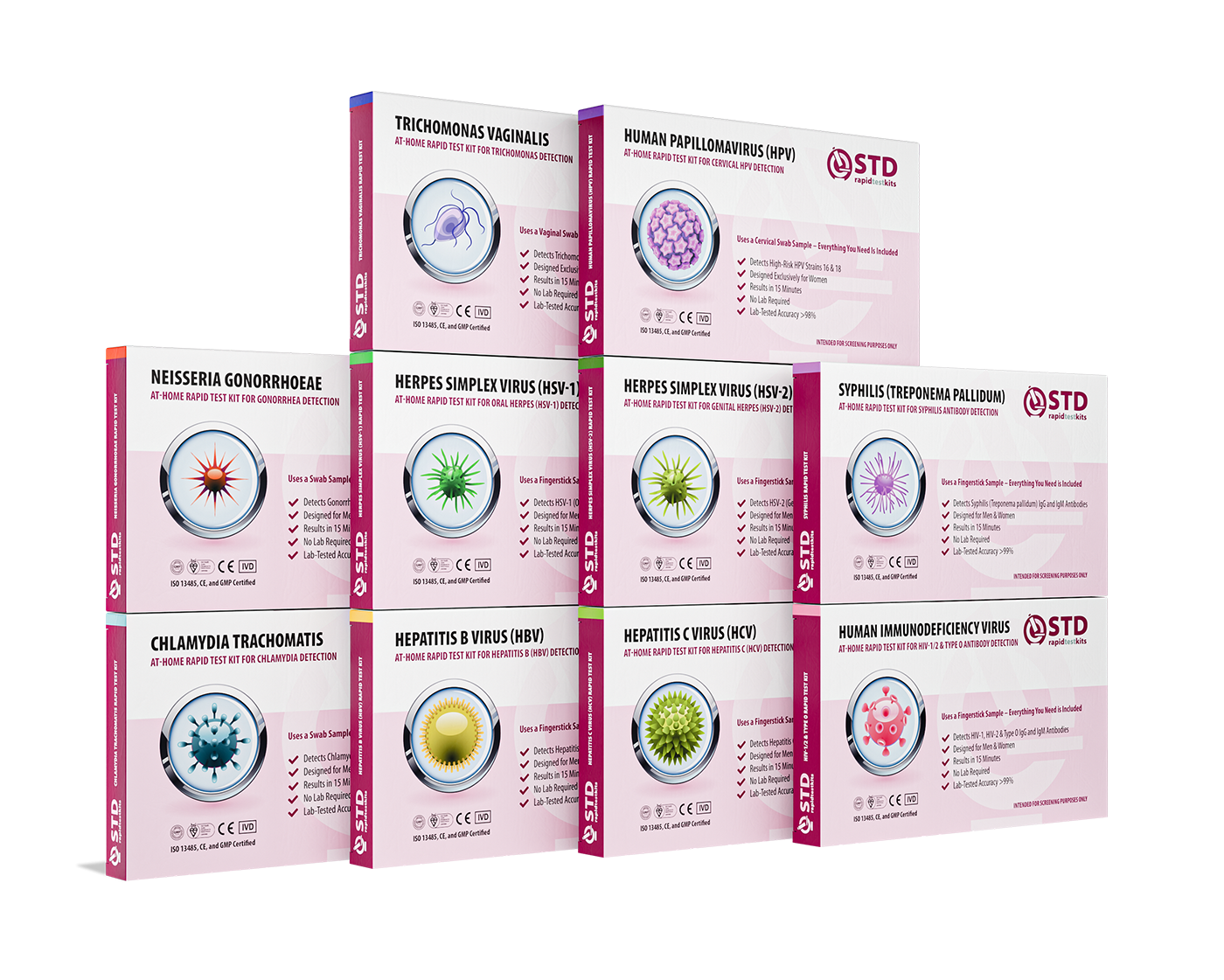
 For Women
 Results in Minutes
 No Lab Needed
 Private & Discreet
Order Now $189.00 $490.00
For all 10 tests
No One Said Pleasure Mattered
Here’s the quiet part most sex ed programs leave out: pleasure matters. It’s not just a bonus. It's important for your health, your ability to stand up for yourself, and your ability to tell when something isn't right. When pleasure is missing, whether from fear, pain, numbness, or confusion, it can be a symptom just like burning or discharge. But when did anyone teach us that?
If you’ve ever typed “why do I feel nothing during sex” or “no pleasure during sex but not in pain,” you're not alone. These aren’t abstract curiosities, they're real cries for help. One scoping review published in the Journal of Sex Research found that people who received pleasure-inclusive sex ed were significantly more likely to use protection and report higher sexual agency. That means when people are educated about what good sex feels like, they’re also more empowered to say no, get tested, use condoms, and speak up when something’s wrong.
Jules, 33, didn’t realize until their late twenties that dissociation during sex wasn’t “just nerves.” “I thought I was broken,” they said. “I’d go completely numb. No one ever told me that feeling nothing could be a red flag, emotionally or physically. Sex ed made it sound like pleasure was the goal, but only in a vague, married-hetero kind of way.” Jules later learned they had genital herpes, likely asymptomatic for years, and that shame had made them tune out the early signs. “I didn’t know what normal was supposed to feel like.”
It’s not surprising. The absence of pleasure education, especially queer-inclusive content, leaves people feeling like they can’t trust their own bodies. And when we don’t trust our bodies, we don’t notice when something changes. That’s when infections linger. That’s when things get missed.
Queer? Curious? Forgotten by Sex Ed
Sex ed has long ignored LGBTQ+ people, and it shows. Most programs still center penis-in-vagina intercourse as the default. But in the real world, sex looks a lot more diverse. A 2022 review by the World Health Organization found that comprehensive, inclusive sex ed reduces STI transmission across all sexual identities, but less than 30% of U.S. schools offer truly inclusive programs.
So what happens to the people left out of the conversation? They turn to search bars. To forums. To DMs. They piece together information from porn, panic, or partners, and often too late.
“I didn’t know lesbians could get STDs,” said Rachel, 26. “It sounds ridiculous now, but I was 21 when someone told me you could get HPV from a sex toy.” She took her first ever HPV test at 25. It came back positive. “I wish someone had told me sooner.”
This isn't just an education issue. It's a public health crisis. When people don’t know they’re at risk, they don’t get tested. When people don’t get tested, infections spread. And when people think their experiences don’t “count,” they stop protecting themselves altogether.
That’s why adult sex education isn’t optional, it’s urgent. And it must be queer-affirming, pleasure-positive, and grounded in facts. Because STDs don’t discriminate based on identity, but stigma sure does.

People are also looking for: My Partner Used a Toy on Someone Else. Now What?
FAQs
1. Wait… I used a condom. How am I still at risk?
Condoms are fantastic, but they’re not magic shields. STDs like herpes and HPV spread through skin-to-skin contact, and condoms don’t cover everything. Think outer thigh grinding, oral sex, even shared toys, those all count as exposure zones.
2. How do I know if I have an STD if I don’t have symptoms?
Honestly? You won’t, unless you get tested. Some infections hang out quietly for months or years. No pain, no rash, no warning, until one day it’s inflammation, fertility problems, or an awkward call from an ex. Get tested anyway. Silence isn’t safety.
3. Is it just me, or does sex not feel good anymore?
It’s not just you. If you're feeling numb, disconnected, or just...off during sex, that’s real. Sometimes it’s emotional. Sometimes it’s physical. Sometimes it’s your body trying to tell you something (like an infection, hormone shift, or trauma echo). Pleasure is data, don’t ignore it.
4. Can oral sex really give me an STD?
Yep. We’re talking herpes, gonorrhea, chlamydia, syphilis, even hepatitis. Just because it skips the genitals doesn’t mean it skips the risks. If it involves fluids, friction, or skin contact, yup, it qualifies.
5. I tested negative once. Do I still need to test again?
Unless you’ve been celibate since that test? Yeah, probably. Testing isn’t a one-and-done, it’s an ongoing part of being sexually active. New partner? New activity? New twinge of anxiety at 2AM? That’s your sign.
6. No one ever taught me how to get tested. What do I even ask for?
You’re not alone. Most schools taught fear, not logistics. Ask for a “comprehensive STD panel,” and be specific: oral, anal, and genital exposure all need different swabs. Or skip the awkward convo and use an at-home rapid test.
7. Can you get STDs from same-sex partners?
Absolutely. STDs don’t care who you sleep with, they only care how. Queer sex counts. Oral sex counts. Toys count. If you’ve got a body and you’re using it with another body, the risk exists. And yes, you deserve sex ed that actually says that.
8. What’s the deal with herpes? Is it really that common?
More than half of adults have HSV-1, and around 1 in 6 have HSV-2. It’s extremely common, often undiagnosed, and way more manageable than fear-based sex ed made it sound. Blame the stigma, not your sex life.
9. Is it weird to be scared of testing?
Not even a little. Testing can feel like confession. But here’s the thing: the anxiety of not knowing is usually worse than the answer. And if you test positive? You’re not dirty. You’re informed, and that’s powerful.
10. Okay, so what’s the easiest way to test right now?
Skip the clinic and the judging eyes. At-home rapid test kits let you get answers fast, privately, and on your terms. Pee, prick, swab, done.
You Deserve Better Than What You Got
This wasn’t your fault. If you’re dealing with confusion, symptoms, or anxiety, know that the system failed you, not the other way around. But it’s not too late to relearn what matters. Good sex education doesn't make people feel bad or scared; it informs, affirms, and protects.
You deserve real answers, clear testing options, and a relationship with your body that is based on trust, not silence. If you have a strange symptom, an old lingering question, or a new interest, there is a better way to move forward.
Don’t wait and wonder, get the answers that you need. This at-home combo test kit checks for the most common STDs discreetly and quickly.
Sources
1. Pleasure and Sex Education: The Need for Broadening Perspectives
2. WHO: What is Comprehensive Sexuality Education?
3. CDC: Sexually Transmitted Diseases (STDs)
4. Pleasure-Inclusive Sex Ed and Sexual Agency: A Scoping Review
5. Wired: The Future of Sex Ed Is the Internet


