






Gray Discharge With a Fishy Smell? Here’s What Your Body Might Be Telling You
Spotting Signs of STIs through Vaginal Discharge
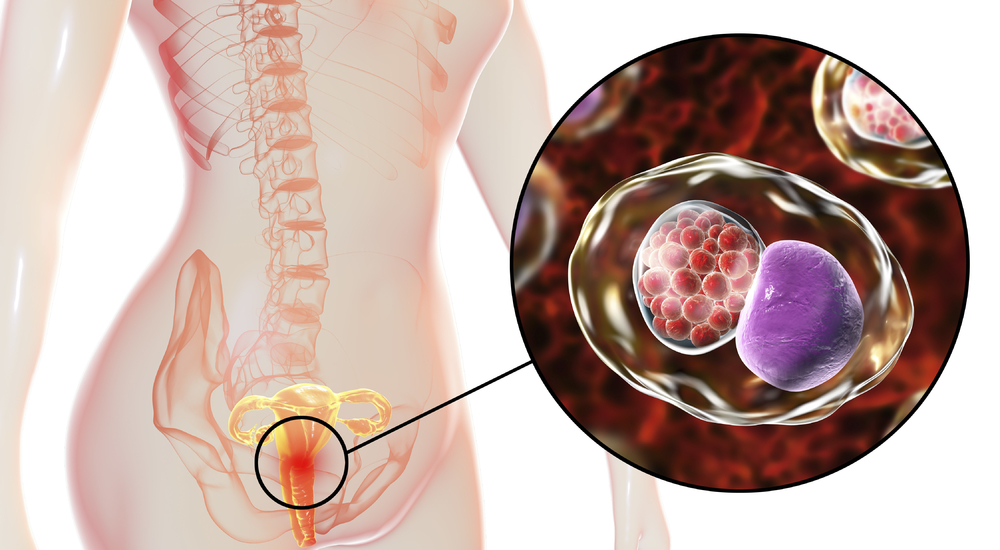
Sexually transmitted infections (STIs), passed through sexual interactions - vaginal, oral, or anal, can trigger notable changes in vaginal discharge. Predominant STIs include chlamydia, gonorrhea, and genital herpes, and the accompanying symptoms may vary. Changes in vaginal discharge often serve as the first warning sign, highlighting the importance of keenly observing any alterations.
Yellow or Green Discharge: A Warning Sign
Discharge tinged with yellow or green hues might signal an STI like trichomoniasis or gonorrhea. This type of discharge usually carries a potent, unpleasant smell and can be accompanied by itching or discomfort. If you experience such symptoms, consult with a medical professional promptly for tests and subsequent treatment.
Gray Discharge: A Possible Indication of Bacterial Vaginosis
Gray vaginal discharge can be indicative of bacterial vaginosis, a type of STI. Such discharge is often thin and watery, accompanied by a fishy smell. Other accompanying symptoms might include itching, burning sensations, or swelling around the genital area. Should you notice gray discharge, seeking immediate medical attention for tests and possible treatment is recommended.
Pink or Red Discharge: Potential STI or More
Experiencing pink or red discharge may indicate an STI such as chlamydia or genital herpes. However, it can also signal other health conditions like endometriosis or cervical cancer. If you observe pink or red discharge, schedule an appointment with a healthcare provider for an examination and potential treatment.
Brown Discharge and Underlying Health Conditions
Brown discharge can point to health issues such as polycystic ovary syndrome (PCOS) or hormonal imbalances. It can also indicate implantation bleeding - a situation that arises when a fertilized egg attaches itself to the uterus wall. Observing brown discharge should prompt a visit to a healthcare provider for an evaluation and potential treatment plan.
Additional STI Symptoms to Watch Out For
STIs may bring additional symptoms apart from changes in the color of vaginal discharge. These may encompass discomfort or pain during intercourse, itching or burning in the genital region, and painful urination. Experiencing any of these signs should spur an immediate consultation with a doctor for diagnosis and treatment.
Importance of Safe Sexual Practices
Employing safe sex practices, such as using condoms or dental dams, is crucial to reduce the risk of acquiring or transmitting an STI. Regular STI testing and open communication with sexual partners about STI status and risk factors can also significantly curb infection rates.
If you notice any alterations in your vaginal discharge, immediately seek professional healthcare evaluation and treatment. Early detection and treatment of STIs can prevent complications and long-term health problems. Medical professionals can provide further information about STIs, how to minimize your infection risk, and available treatment options.
Navigating Treatment Options and Prevention Strategies
As outlined earlier, variations in vaginal discharge can provide early warnings about potential health issues. Timely consultation with a medical professional ensures accurate diagnosis and immediate initiation of treatment.
Prompt Action is Key
Any sign of abnormal vaginal discharge should prompt a visit to your healthcare provider. They can conduct an in-depth evaluation, prescribe necessary tests, and formulate an appropriate treatment plan. Early diagnosis and treatment can help prevent serious complications and safeguard your long-term health.
Understanding and Selecting the Right Treatment
Treatment options vary, depending on the underlying cause. For bacterial infections such as bacterial vaginosis or STIs like chlamydia and gonorrhea, antibiotics are typically prescribed. Antiviral medications might be required for viral infections like genital herpes. In the case of hormonal imbalances or conditions like PCOS, hormonal therapy or other specific treatments might be necessary. It's crucial to follow your healthcare provider's advice and complete the full course of prescribed medication, even if symptoms seem to have subsided.
Check Your STD Status in Minutes
Test at Home with Remedium7-in-1 STD Test Kit

Claim Your Kit Today
Save 62%
 For Men & Women
 Results in Minutes
 No Lab Needed
 Private & Discreet
Order Now $129.00 $343.00
For all 7 tests
Prevention: Your Best Defense
While treatments are available for many conditions that cause abnormal vaginal discharge, prevention is always the first line of defense. Good genital hygiene practices, regular gynecological check-ups, safe sex practices, and open communication with partners are essential in maintaining healthy vaginal health. Regular STI screenings and vaccinations, such as the HPV vaccine, also contribute significantly to prevention.
Understanding the nuances of your vaginal discharge and being alert to any changes is an important aspect of your overall health awareness. Remember, any alteration in color, texture, smell, or quantity should not be ignored. Trust your instincts - if you feel something might be off, seek medical advice. Your vigilance could help prevent serious health complications and ensure you maintain optimal reproductive health.
References
- "Vaginal discharge" - Mayo Clinic
- "Vaginal Discharge: What’s Abnormal?" - WebMD
- "Bacterial vaginosis - Symptoms and causes" - Mayo Clinic
- "Chlamydia - Symptoms and causes" - Mayo Clinic
- "Sexually transmitted diseases (STDs) - Symptoms and causes" - Mayo Clinic
- "What is Polycystic Ovary Syndrome (PCOS)?" - Center for Disease Control and Prevention (CDC)
- "Endometriosis" - Office on Women's Health
- "Understanding Cervical Cancer" - American Cancer Society
- "Preventing Sexually Transmitted Infections (STIs)" - Center for Disease Control and Prevention (CDC)


