







Quick Answer: If you gave your partner herpes, your relationship is not automatically over. Open, honest communication, paired with accurate information, emotional support, and long-term testing, can save trust and intimacy.
This Isn’t Just Razor Burn, And Here’s Why
Before I knew it was herpes, I did what most people do: I Googled. “Vaginal bump after shaving.” “Ingrown hair or STD?” “Can you get herpes in a monogamous relationship?”
Turns out, yes. You can. HSV-2 doesn’t care if you’ve only slept with one person or fifteen. It can be passed through skin-to-skin contact, even without visible symptoms. According to the CDC, herpes is often transmitted during periods when people don’t even know they’re contagious. That was probably me.
The symptoms started as an itch, then came the stinging. A doctor swabbed the lesion. A week later, the call came in. That phone call split my life into two parts: before herpes, and after.
But the hardest part wasn’t the diagnosis. It was facing the person I loved, and telling him something that made me feel unclean, unforgivable, and terrified.
People are also reading: Spring Break in Florida Is Wild, So Are Its STD Rates
When Silence Is a Symptom Too
For three days, I didn’t say anything. We were still sleeping together. Still kissing. I didn’t know how to tell him. Would he blame me? Would he think I cheated? Would he Google “can you sue someone for giving you herpes” and never come back?
But the silence grew heavier than the diagnosis. Every time I looked at him, all I could think was: he deserves to know. And I deserve a partner who wants to know me, even the parts I didn’t choose.
I wrote it out first. Practiced in the mirror. Then I told him everything. I said, “I found out I have HSV-2. I didn’t know before. I’m so sorry. I want you to be safe. I want us to talk about what this means.”
He didn’t scream. He didn’t leave. He said, “Okay. Let’s figure this out.”
Here’s the thing nobody tells you about herpes: it’s everywhere. Over half a billion people globally live with it. But the shame we attach to it is even more contagious than the virus itself.
Let’s get real about what almost blew up my relationship, and what pulled it back from the edge.
I believed I’d never have “normal” sex again. That nobody would trust me. That I’d always be “that girl with herpes.” He believed he had to get tested immediately and that this meant I had cheated. We were both wrong, and science helped us breathe again.
Herpes means your sex life is over.
With antiviral meds like valacyclovir and safe sex practices, the risk of transmission drops dramatically. Many couples where only one partner has herpes stay together for years without passing it on.
If I have herpes, I’ll always have symptoms.
Many people with HSV-2 are asymptomatic. That doesn’t mean the virus isn’t present, it means it’s often invisible. That’s why testing and communication matter even more.
Getting herpes means someone cheated.
Not always. Herpes can lie dormant for weeks, months, or even years. My boyfriend could have already had it. I could have gotten it before we were exclusive. This is why timelines don’t always tell the full truth.
The Test That Changed Everything (But Not in the Way I Feared)
We ordered two tests that night, one for him, one for peace of mind. I chose a discreet at-home combo STD test kit so we could take it in private, without the waiting room stares or whispered nurse questions. That little box became the moment we turned fear into action.
He swabbed. I waited. He tested negative. And we both exhaled, but not because we were in the clear. The real relief came from facing it together. We didn’t have to guess anymore. We had data. We had a plan.
According to a study in the Sexually Transmitted Diseases journal, couples who know their HSV status and communicate openly are far more likely to stay together, have satisfying sex lives, and reduce transmission risk. In other words, knowledge isn’t just power, it’s intimacy.
I started daily suppressive therapy. We read up on how transmission works. We bought condoms again, not because we had to, but because it made us both feel in control. That was the shift. From fear to informed choice. From shame to strategy.
Check Your STD Status in Minutes
Test at Home with Remedium3-in-1 STD Test Kit
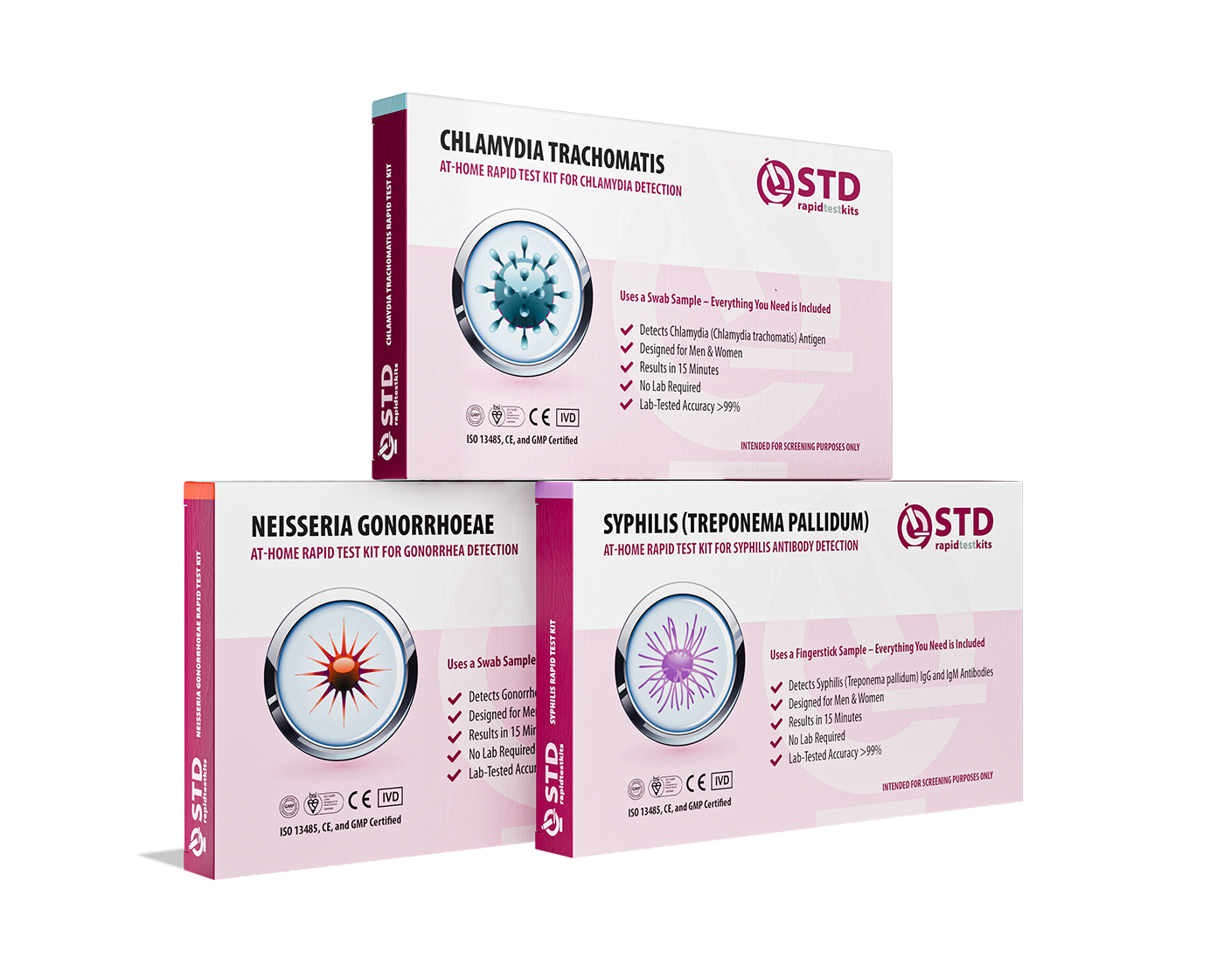
 For Men & Women
 Results in Minutes
 No Lab Needed
 Private & Discreet
Order Now $69.00 $147.00
For all 3 tests
What Nobody Warns You About: The Mental Health Spiral
The physical pain of herpes, burning, rawness, nerve zaps, is nothing compared to the psychological spiral that can follow. I cried in the shower. I avoided mirrors. I rehearsed break-up speeches that he never asked for.
I started searching phrases like “how to live with herpes and not hate yourself.” Turns out I wasn’t the only one. In a 2022 systematic review of HSV-related stigma and mental health, researchers found that people newly diagnosed with HSV-2 often experience anxiety, depression, and intrusive thoughts related to worthiness and rejection.
So why don’t we talk about this? Why do we treat herpes like a moral failing instead of what it is, a skin condition with a PR problem? The virus didn’t change my worth. It just forced me to confront how fragile my sexual confidence really was.
My boyfriend told me, “You didn’t do this on purpose. We figure it out, together.” That sentence did more for my healing than the pills ever could. But not everyone gets that kind of grace. That’s why this article exists.
After disclosure, I thought sex would be ruined. I expected awkward pauses, sanitized foreplay, maybe even fear. What I didn’t expect was how hot it became to navigate this stuff together, openly, honestly, with actual care.
We talked about timing, outbreaks, lubricants, and suppressive meds. But we also started naming desires we’d never voiced before. Suddenly, intimacy wasn’t assumed, it was chosen. And nothing is sexier than consent that’s deeply informed.
Sex didn’t end because of herpes. It just evolved. We moved slower, asked more questions, and listened to each other’s fears and fantasies. Turns out, being vulnerable about a virus made us more confident as lovers.
In one of the best meta-analyses on herpes and sexuality, published in PubMed, researchers found that couples who discussed STI status openly were more likely to report increased intimacy, reduced sexual anxiety, and higher relationship satisfaction, even if they weren’t always sexually active.
It’s not about having “safe sex” in the traditional sense. It’s about having emotionally safe sex. That starts with the hardest conversations. And herpes just happened to force ours.
This Isn’t Just a “Me” Story, It’s Happening Everywhere
I used to think herpes was a rare thing that only happened to “irresponsible” people. I thought it came with wild one-night stands and people who “should’ve known better.” But that lie didn’t survive my diagnosis, or the data.
Nearly 1 in 6 people aged 14 to 49 in the U.S. has genital herpes, according to the CDC. But because many cases are never diagnosed or reported, experts believe the real number is much higher, especially among women and LGBTQ+ communities, where stigma blocks access to testing and care.
This isn’t about hookup culture. It’s about the fact that HSV-2 is efficient, silent, and socially ignored. Most people with herpes got it from someone who didn’t even know they were infected. Suppressive meds weren’t offered. Testing wasn’t discussed. Condoms weren’t perfect. That’s how it spreads.
We’re not dirty. We’re not reckless. We’re just human, and a virus that hides 90% of the time exploits that humanity. It also feeds on silence. The less we talk about it, the faster it spreads. So let’s talk.
Ty, 26, thought his first real relationship would be the safest.
“We were monogamous. I’d only been with him. When I tested positive for HSV-2, I thought he cheated. I was ready to end it.”
But like many cases, his partner didn’t know he had it. He had never had symptoms. He’d been tested for “everything,” but that didn’t include herpes. (Spoiler: most STD panels do not automatically include HSV testing unless you ask.)
“Once we realized neither of us had been reckless, just uninformed, it was easier to move forward,” Ty said. They started therapy. Got educated. Even opened their relationship eventually, with full transparency and safe sex rules.
“It took something hard and turned us into people who talk about everything, feelings, sex, future plans. I don’t regret staying.”
Ty’s story mirrors what I’ve heard from hundreds of others in forums, DMs, and friend circles: herpes forced honesty. And honesty, when paired with compassion, is a relationship superpower.

People are also reading: No Symptoms, Still Positive: How Dormant STDs Work
The Ghosting That Hurts More Than Herpes
Let’s talk about what happens when you tell someone, and they leave. Or worse, they disappear. I’ve had friends who disclosed after a positive test and were blocked within hours. No text. No explanation. Just shame-shaped silence.
That kind of rejection can scar deeper than the virus itself. It confirms every internalized fear: “I’m damaged. I’m disgusting. I’m unlovable.” But none of those things are true.
What’s true is this: ghosting says more about them than it does about you. Someone who can’t handle a mature conversation about health, consent, and responsibility isn’t someone who was ready for you in the first place. That’s not a loss. That’s clarity.
Disclosure takes guts. Rejection doesn’t define your value. If someone can’t face you after a vulnerable truth, imagine how they’d handle an actual crisis. Herpes just helped them show their hand early.
And if you’re on the receiving end of a disclosure? Pause. Ask questions. Read the facts. Respond the way you’d want someone to respond to you. That’s how we change the culture.
Herpes Didn’t Break Us, It Rewired Everything
We’re still together. Not because herpes isn’t real. But because honesty is. Because the love we had was never about being perfect, it was about showing up, especially when it got messy.
We made a prevention plan. We rebuilt trust. We had sex again, and again, and again, and now we talk about everything from condom brands to kink boundaries without shame. It wasn’t always graceful, but it was real. And real is what lasts.
If you’re sitting there staring at a diagnosis, thinking “I ruined everything,” I need you to hear this: you didn’t. You are not ruined. You are not broken. You’re just at the start of a new kind of intimacy, one where the scary conversations are the gateway to everything deeper.
You can still be loved. You can still be desired. You can still have amazing sex, messy relationships, complicated conversations, and full-on intimacy. Herpes doesn’t cancel your future. It just edits the terms. That’s not a death sentence. It’s a new beginning.
Check Your STD Status in Minutes
Test at Home with Remedium7-in-1 STD Test Kit
 For Men & WomenResults in MinutesNo Lab NeededPrivate & Discreet
Order Now $129.00 $343.00
For all 7 tests
FAQs
1. Wait... can someone even give you herpes if they never had symptoms?
Yeah. That’s actually how most people get it. It’s called asymptomatic shedding, meaning the virus can spread even when there are no visible sores. So that person who swore “I’m clean” may have genuinely believed it. That’s why this virus is so sneaky.
2. How the hell did I get herpes if we were monogamous?
Honestly? Timing. You or your partner might’ve had it before the relationship started, and didn’t know. Herpes can chill silently in your system for months or years. It doesn’t always show up with dramatic flare. Monogamy doesn’t guarantee immunity. (I know, it sucks.)
3. Do I seriously have to tell future partners?
If you care about consent, yeah. It’s not about being perfect. It’s about giving people real information to make informed choices, just like you'd want if the roles were reversed. And FYI, people are often way more understanding than your brain tells you they’ll be.
4. What if they ghost me after I tell them?
Then they did you a favor. If someone can’t handle one honest, vulnerable conversation, they were never gonna show up when things got real anyway. Better to learn that early than after six months and a vacation together.
5. Will I ever feel normal in bed again?
You will. Maybe not right away, but yes. Once you realize you’re still hot, still worthy, still capable of incredible sex and deep connection, herpes becomes just one part of your story. Not the headline.
6. Can I really have sex without giving it to my partner?
Absolutely. Antivirals, condoms, and avoiding sex during outbreaks can reduce transmission risk by a lot. Some couples go years without ever passing it. (Real talk: testing together makes these convos way easier.)
7. Is there a cure?
Nope. Not yet. But herpes isn’t deadly, it’s just annoying. You can manage it with meds. Some people never have another outbreak. Others treat it like a cold sore and move on with their day.
8. Can I get herpes from oral sex?
Totally. HSV-1 (usually oral) can travel south during oral sex. HSV-2 can be passed that way too, though it’s less common. So yeah, mouth stuff isn’t risk-free. But neither is kissing. Welcome to the real world of sex ed.
9. Should I get tested even if I don’t have symptoms?
Yes. Especially if someone you’ve been with tested positive. Herpes doesn’t always show up as textbook symptoms. You could carry it without knowing, and pass it along unintentionally. Peace of mind is worth the test.
10. How do I even bring this up to a partner without freaking them out?
Start with care, not fear. Try: “I want to talk to you about something personal, and it’s about keeping us both safe.” Let them hear your humanity, not just the diagnosis. You’re not a warning label. You’re a whole person sharing truth, and that’s hot, actually.
You Deserve Answers, Not Assumptions
If your story feels messy, that’s okay. Most of us didn’t grow up learning how to talk about STDs without shame. We didn’t know how to say, “Hey, I care about you, and I need to tell you something.” But you can start now. And it starts with the truth.
Peace of mind isn’t a luxury. It’s your right. Whether you’re scared, symptom-free, or just unsure, testing is a way to take back control. No judgment. No waiting room. Just clarity, at your own pace.
Herpes didn’t end my love life. It gave me one built on trust. Yours can too.
Sources
1. My Partner Gave Me Herpes – Did They Cheat? – STDcheck.com
2. Herpes and Relationships – American Sexual Health Association (ASHA)
3. Herpes, Dating, and Sex: 12 Tips from Someone Living with It – Healthline
4. What to Do If Your Partner Has Genital Herpes – WebMD
5. How to Date With Herpes, According to Doctors and Someone Who Has It – Glamour


