





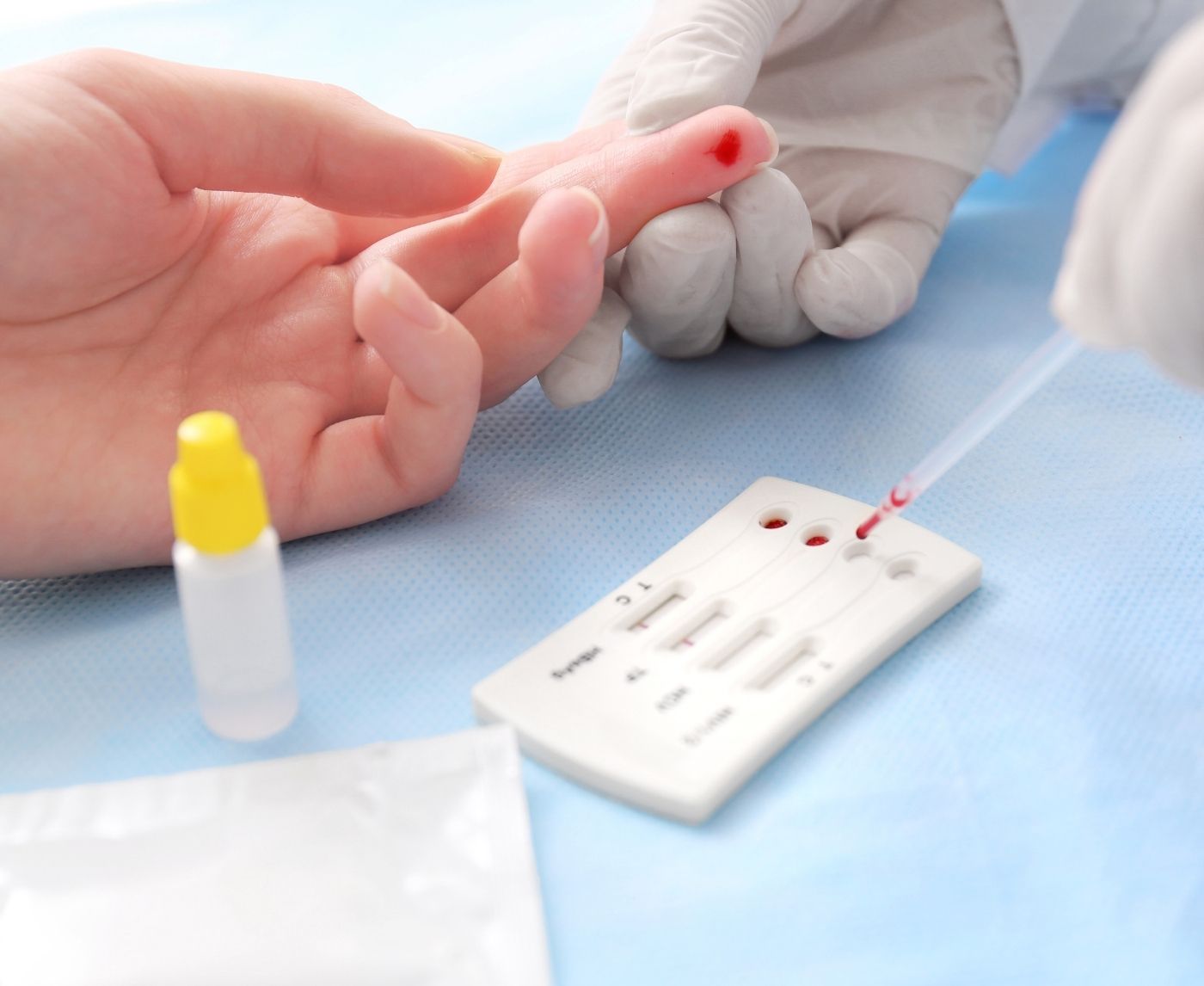

Quick Answer: Testing positive doesn’t mean your sex life is over. It means you’ve caught something common, treatable, and manageable. With today’s options, from rapid at-home tests to effective medications, most STDs can be treated quickly. You’re not alone. With compassion, clear info, and a plan, you can regain control, protect your love life, and reduce anxiety now.
That First 24 Hours: What’s Really Going On
In the high-contrast light or below moonbeams, you stare at your phone and your name tagged beside an STD result. Your heartbeat thuds in your ears. Part of your mind races toward worst-case scenarios: infertility, judgment, lifelong shame. But pull the camera in tighter, let’s look closer, in slow motion. In the first eight hours after a positive test, your body, mind, and perhaps partner(s) are in a state of high alert. Your immune system is quietly inching toward healing, your heart is recalibrating, and the medical world is already moving behind the scenes.
Data from public health agencies confirm: 90 percent of uncomplicated chlamydia cases resolve with a single course of antibiotics within a week, and over 95 percent of HSV-2 sufferers report fewer outbreaks after starting antiviral treatment, most within months. These may be statistics to some, but to you, right now, it’s your arms around a pillow, your phone in hand asking “what now?” And that’s exactly where this guide steps in, story-driven, fact-anchored, myth-crushing, and solution-oriented, fitting snugly around you like a warm reassurance.
Why You’re Googling This: Symptom-First, Myth-Second
It’s late, the symptom is screaming at you, and your brain is trying to decode patterns, “Is this normal burning?” “Could this be herpes?” “Maybe it’s just an allergy.” That itch, that twinge, isn’t your fault, and the panic that follows isn’t your weakness. Over 70 percent of people with chlamydia report no symptoms at all. That means you could feel fine, or misattribute something subtle like mild discharge or a pinch to stress or soap. It also means that symptom-driven Googling is a self-preserving instinct, not shame.
This search moment fuels self-diagnosis, and while your gut is trying to protect you, myths sneak in: “If it doesn’t hurt much, it’s fine.” “If my partner doesn’t complain, maybe it’s nothing.” Both lies. Many asymptomatic STDs linger and spread without warning. Yet stigma thrives on silence and ignorance. So let’s replace fear with fact, shame with science, judgment with treatment.
Imagine a real micro-scene: it’s Monday morning, and you’re in the shower, gently confusing normal soap stinging with something else. Your mind toggles between “don’t overreact” and “what if it’s the worst.” That micro-pause, that flip-flop anxiety, that’s where informed advice can step in like a calm handshake, reminding you these symptoms, real or not, deserve clarity, not panic.
Myths, Meet Data: Busting Stigma with Facts
We hear murmurs everywhere: “herpes means slut,” “chlamydia can cause infertility,” “HIV is a death sentence.” Let’s pull those myths into the harsh light of evidence. Herpes does not impair fertility. More than 12 percent of US adults have HSV-2, and many live full, thriving sex lives with regular suppressive therapy. Chlamydia, when treated promptly, poses almost zero risk to fertility, but untreated, it can lead to pelvic inflammatory disease in only a minority of cases, and typically after long delays, not single missed doses. Modern HIV treatment turns the virus into an undetectable presence, making it untransmittable, scientific fact, not myth, summarized in the U=U data that the Centers for Disease Control estimate cuts transmission risk by nearly 100 percent when suppressed.
Yet stigma is rooted in language, isolation, and fear, not facts. It slips into conversations, fills waiting room chairs, and whispers inside heads. But here’s the truth: getting treatment, using protection, and being honest with partners isn’t shameful, it’s intimacy, self-respect, and care.

People are also reading: What͏͏ to͏͏ Do͏͏ If͏͏ Your͏͏ Home͏͏ STD͏͏ Test͏͏ Comes͏͏ Back͏͏ Positive?
Clinic or Couch? Choosing Your Testing and Treatment Path
Let’s talk choices. You’ve tested positive, or maybe you’re still spiraling after symptoms led you here. Either way, you’re standing at a fork in the road. One direction: call your local clinic, wait three days for a slot, sit in a cold waiting room scanning posters about HIV. The other? Order an at-home treatment test kit, discreet, fast, no awkward eye contact. Both paths are valid. What matters most is that you choose one, and stick to it.
Rapid at-home test kits have revolutionized sexual health access. They don’t just offer privacy; they offer control. A 2023 NIH-backed study found that people using at-home test kits were twice as likely to complete treatment within the same week compared to those using public clinic routes. Why? Less shame, less delay. And when it comes to STDs like Chlamydia or Gonorrhea, early treatment isn’t just better, it’s everything. The bacteria don’t care whether your test came from a clinic swab or your bathroom counter. But your nervous system might. Peace matters.
If the positive result came from an at-home test, good news, you’re already halfway through the hardest part. Most mail-in services offer follow-up prescriptions or telehealth referrals. For Herpes, you might start on daily antivirals. For bacterial STDs, a one-dose antibiotic could clear the infection. And for HIV, if that’s the reality you’re facing, know this: the sooner you begin antiretroviral therapy, the sooner the virus becomes undetectable, and that means untransmittable.
Check Your STD Status in Minutes
Test at Home with RemediumChlamydia & Gonorrhea Test
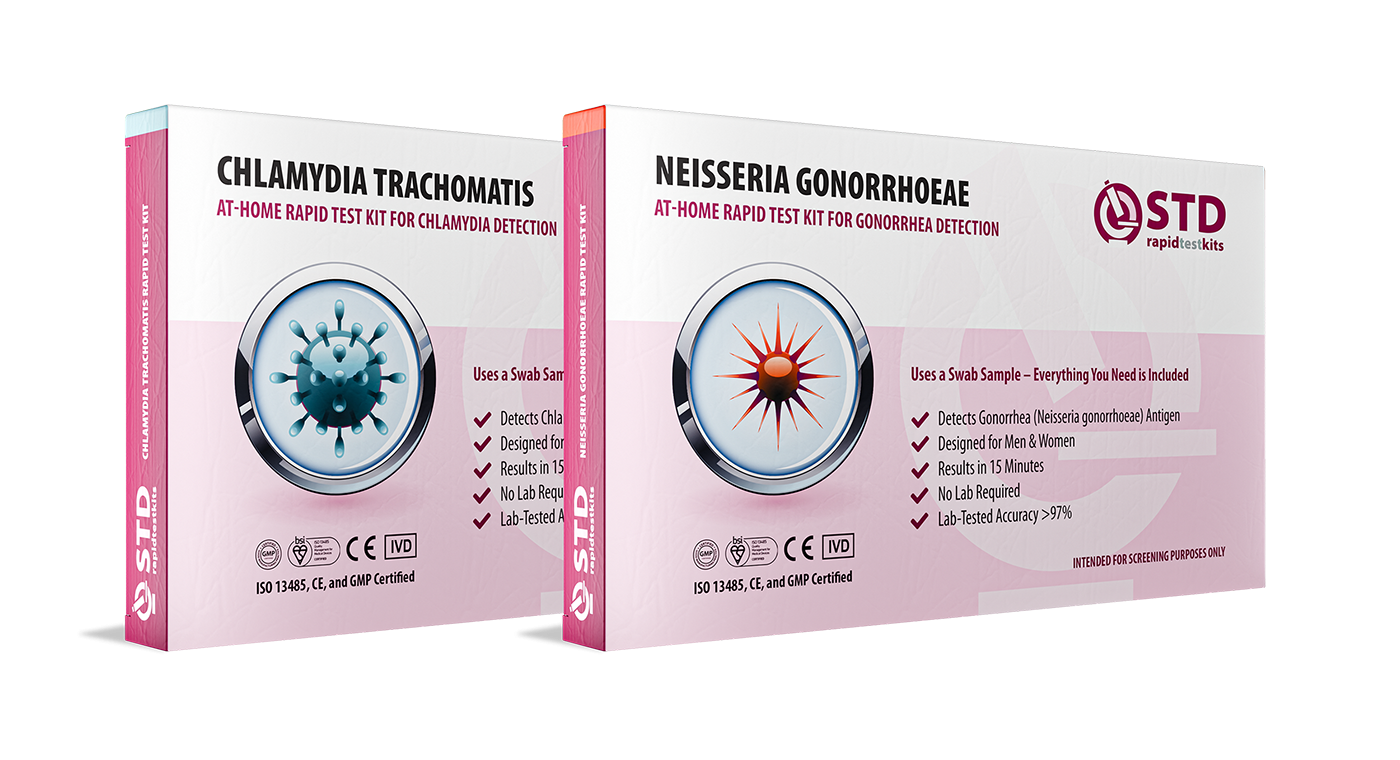
 For Men & Women
 Results in Minutes
 No Lab Needed
 Private & Discreet
Order Now $49.00 $98.00
For all 2 tests
The Conversation Everyone Dreads
Now comes the part that gets harder before it gets easier: telling someone else. Whether it’s a steady partner, a one-time hookup, or someone you swiped right on last month, this is your chance to turn a diagnosis into a decision, to protect them, yes, but also to show up for yourself. Start simple. You don’t need the perfect words. You just need honesty.
Here’s what we know: most people fear rejection more than reality. But in multiple studies, including one from the Journal of Adolescent Health, over 70 percent of partners who were informed after an STD diagnosis responded with support, not shame. The fear in your chest? That’s internalized stigma, not truth. One of our readers, Ty, 27, shared: “I told my last two partners I had herpes. One ghosted me. The other asked if I wanted to get tacos and talk about it. We’re still dating.”
Don’t underestimate tools, either. Services like anonymoustext.com or TellYourPartner.org allow you to notify past partners without identifying yourself. But if the relationship meant anything, or if you’re still seeing this person, direct communication isn’t just braver. It’s kinder. If they react poorly, that’s on them. You’ve already done the hardest thing. You’re healing. That’s the real story.
Yes, You Can Still Have Sex (With Confidence)
This is the part they never tell you. The part beyond the pamphlets, beyond the fear: you can still have sex. In fact, many people say their sex life gets better after diagnosis, because honesty builds intimacy, and boundaries become sacred, not shameful. When you know your body, you protect it. When you talk about status, you raise the bar for everyone involved.
Let’s get real. If you’re on treatment for Herpes and using condoms, the chance of transmission is reduced by over 90 percent. If your Gonorrhea has been treated, you’re no longer contagious after just 7 days. And if you’re living with HIV on consistent therapy, you can have condomless sex with an undetectable viral load, and not pass it to your partner. That’s not hope. That’s science.
It’s okay to feel scared before getting back in bed with someone. It’s okay to take a break, to ask questions, to set limits. But don’t let the diagnosis become a wall. Let it become a door, a new phase of empowered, informed intimacy. One reader, Maya, 33, described it like this: “My first time after I told someone? I was shaking. But they held me and said, ‘Thanks for trusting me.’ I’d never felt more respected in my life.”
That’s the new goal. Not “back to normal.” Forward to better.
People are also reading: The͏͏ Importance͏͏ of͏͏ Routine͏͏ STD͏͏ Screening͏͏ Across͏͏ All͏͏ Ages͏͏
Why Retesting and Prevention Are Acts of Self-Love
You’ve taken the test. Maybe you’ve started treatment. Maybe you’ve even had the hard talk. Now what? You rest. Then you retest. Not because you messed up, but because your body deserves to know it’s safe. Experts at the CDC recommend retesting for bacterial STDs like Chlamydia and Gonorrhea around 3 months post-treatment. Why? Because reinfection is common, especially if your partner(s) weren’t treated, or if you weren’t using protection during those “what if” moments.
But retesting isn’t about punishment. It’s like a second round of applause for your body. A way to say: “I’m still showing up for myself.” Want even more peace of mind? Consider regular screenings every six months if you’re sexually active with multiple partners. That’s not paranoia. That’s maintenance. Like flossing or oil changes, but sexier.
And if you’re not sure where to start again, start here: a discreet, comprehensive at-home test that gives you answers without shame, waiting rooms, or small talk. You’re in control now. Keep it that way.
Check Your STD Status in Minutes
Test at Home with RemediumChlamydia Test Kit
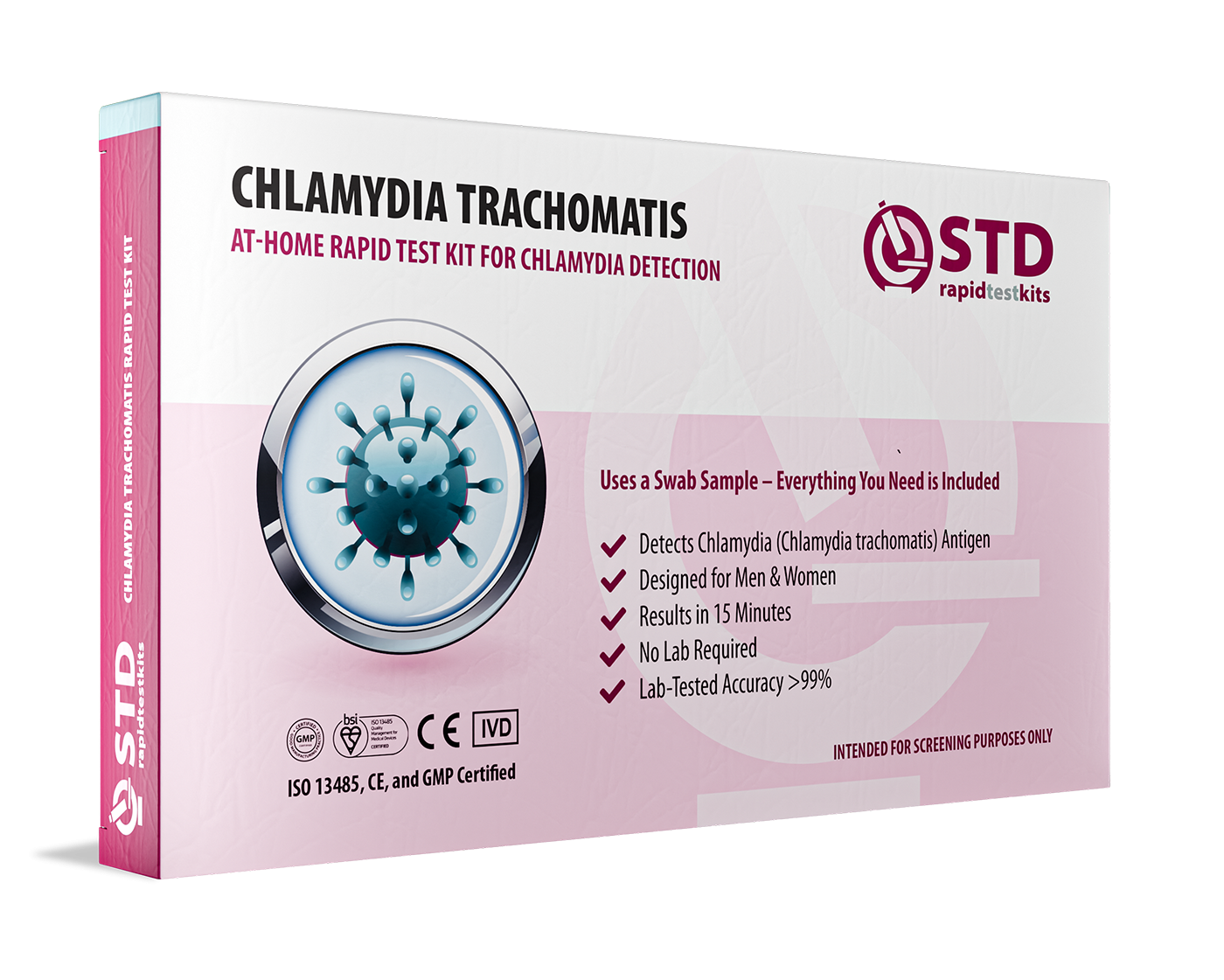 For Men & WomenResults in MinutesNo Lab NeededPrivate & Discreet
Order Now $33.99 $49.00
The Reinfection Loop No One Warns You About
Here’s a scenario more common than people admit: you get treated, you feel better, and then, weeks or months later, it happens again. The burn returns. The bump reappears. You start wondering if the meds worked, or worse, if this thing is “forever.” But here’s the deal: reinfection isn’t proof you’re broken. It’s proof you’re human in a world where partners aren’t always on the same timeline.
Studies show that up to 20 percent of people treated for Chlamydia or Gonorrhea will get reinfected within a few months, often by the same partner who never got tested. That’s not betrayal. That’s biology, and sometimes, miscommunication. So how do you stop the cycle? You get honest. You ask your partner if they tested, if they completed treatment, and if they’re open to retesting together. Awkward? Sure. But not nearly as awkward as another round of antibiotics and that sinking déjà vu.
And if you’re worried it’s just you, it’s not. Herpes outbreaks can come and go, even with meds. HPV can lie dormant. The truth is, your body’s immune system isn’t a switch. It’s a rhythm. It learns, fights, rests. Let it.
STD Fatigue Is Real, and You’re Not a Failure
There’s something nobody talks about in sexual health: exhaustion. Not the kind from symptoms, but from fear, judgment, testing fatigue. You might feel like every date has become a medical history interview. Or that every swipe right brings a dose of risk. You start asking yourself: “Is it even worth it?”
This is the STD fatigue spiral, and it’s more common than we admit. Especially in queer spaces, poly circles, or among people navigating trauma or chronic health conditions. You’re told to be vigilant, but not paranoid. To test regularly, but not obsess. To disclose, but not “overshare.” It’s an emotional labyrinth that can wear down even the most empowered people.
But here’s the truth: testing isn’t punishment. It’s permission. Permission to know, to breathe, to move on. You’re not weak for needing clarity. You’re wise. If your brain is screaming “I can’t deal with another test,” take a beat. Then choose the least scary path. Maybe that’s an at-home test. Maybe it’s calling a nurse line just to talk it out. Maybe it’s texting a friend: “Can you sit with me while I do this?” Whatever it is, you’re not doing this alone.
What Healing Really Looks Like
Let’s strip away the montage fantasy. Healing doesn’t look like walking into the sunset with a clean bill of health and a supportive partner. It looks like sitting on your bathroom floor, re-reading discharge instructions. It looks like setting a phone reminder for your next dose. It looks like crying after a partner doesn’t text back. And then it looks like waking up and doing life anyway.
Real healing means learning your triggers, physically and emotionally. It means tracking outbreaks without becoming obsessive. It means talking to partners with both confidence and care. It means getting better at boundary-setting. It means understanding that one diagnosis doesn’t define your desirability, your future, or your worth.
One reader, Jordan, 30, put it like this: “The diagnosis didn’t destroy my life. It slowed it down, made me check in. And when I stopped hiding from it, I found more connection, not less.”
So maybe healing doesn’t mean going back to who you were before the test. Maybe it means stepping into who you’re becoming, more informed, more compassionate, more in control.
You’re Still Worthy of Love, Pleasure, and Peace
That’s the thing no doctor can prescribe. That deep-in-your-bones knowing that your body, your desire, your heart, they’re all still worthy. STDs don’t erase your worth. They expose how little we talk about it. But you’re here. You’re reading this. That means you care about your health, your partners, your future. That means you’re already ahead of the stigma, the silence, the fear.
So what now? You treat what’s treatable. You manage what’s manageable. You protect others and yourself. And then you live. Fully. Shamelessly. With partners who respect your honesty and honor your courage. With testing tools that give you power. With facts, not fear.
Need a place to start? Try this at-home combo STD test kit. It’s fast, discreet, and gives you a plan instead of panic. One small test. One massive act of self-respect.
FAQs
1. Can I still have sex after testing positive?
Yes, absolutely. Not today if you’re still contagious, but soon, and safely. Once you’ve started treatment or have a handle on your condition, sex is back on the table. And spoiler: for a lot of people, sex actually gets better after diagnosis. Why? Because you’re more honest, more aware, and more in tune with your body. That’s hot.
2. What if my partner freaks out?
Some people will. Most won’t. And if they do? That’s more about their fear or ignorance than it is about your worth. The right person asks, “What do we need to do next?” not “How dare you?” You’re not contagious with shame, you’re someone with a common, manageable condition and the guts to talk about it. That’s a green flag, not a red one.
3. Do I really have to tell people I slept with?
If it’s a recent partner (usually the last 60–90 days), yes. That’s just ethical, and sometimes legal. But you don’t have to sit down with your high school ex and unpack your entire sexual history. Focus on people who could be affected, and if you’re scared to tell them, there are anonymous tools that make it easier. What matters is protecting others, not confessing to sins you didn’t commit.
4. How soon can I test again to make sure I’m clear?
For bacterial STDs like chlamydia or gonorrhea, most people are retested around three months after treatment. For herpes or HIV, follow-up testing is part of ongoing care. The important part? Give your body enough time to respond to treatment before retesting, or else you’ll just confuse yourself and your doctor with false positives.
5. Are at-home tests really legit?
Yes. The good ones are FDA-approved and just as accurate as clinic-based tests, when used properly. They’re especially helpful if you’re anxious, busy, or want to avoid the awkward waiting room vibe. Just make sure you’re buying from a reputable source (like this one) and follow the instructions like your peace of mind depends on it, because it kinda does.
6. Will I have to take medication forever?
Not unless it’s something chronic like herpes or HIV, and even then, “forever” doesn’t mean miserable. One dose can knock out bacterial STDs. And for viral ones, daily suppressive meds can mean no symptoms and no transmission. Think of it like managing asthma or acne, just with a little more stigma (which we’re working on).
7. Can I get it again?
Yep. Reinfection is a thing, especially if your partner didn’t get treated or you’re back to unprotected sex. It’s not a failure, it’s a reality. That’s why open communication and regular testing are so important. If you wouldn’t drink from a sketchy water fountain twice, why wouldn’t you double-check after a new partner?
8. Is there a cure for herpes or HIV?
Not yet, but both are totally manageable. Herpes can be tamed with antivirals that reduce outbreaks and transmission. HIV, when treated, becomes undetectable and untransmittable. That’s called U=U, and it’s backed by mountains of research. You can have a full life, a full sex life, and never pass it on.
9. Can I still have kids?
100%. Most STDs don’t affect fertility unless they go untreated for a long time. And even with chronic infections like HIV, people are having healthy, safe pregnancies all the time. With good medical care and the right timing, parenthood is still totally possible.
10. What’s the best way to make sure I don’t go through this again?
Stay curious, not scared. Get tested regularly, use protection if you’re sleeping with new or multiple partners, and actually talk about status with the people you’re into. It’s not awkward, it’s hot. Clear is sexy. So is showing up for your body like it’s the only one you’ve got. (Spoiler: it is.)
You Deserve Answers, Not Assumptions
You made it through the hardest part, the search, the test, the truth. That’s not weakness. That’s strength in action. And whether you're still reeling or already in treatment, know this: your body isn’t dirty. Your diagnosis doesn’t define you. You are still worthy of love, of touch, of peace of mind.
Don’t let silence or shame win. Take action that feels right for you. Retest if you need reassurance. Talk to your partners if it feels safe. And if you're ready to move from fear to clarity, consider this: a discreet combo STD test kit that helps you take back control without leaving home. You don’t have to wonder anymore. You can know.
Sources
1. CDC – Genital Herpes Fact Sheet
2. NIH – Effectiveness of Home-Based STI Self‑Sampling vs Clinic Testing
3. PMC – Home vs Clinic STI Screening Uptake Study
4. CDC – About Genital Herpes (Overview & Key Points)
5. NIHR – Self‑Testing for STIs Increases Diagnoses & Reduces Costs


