







Quick Answer: Yes, you should tell your partner about an STD diagnosis, but timing, support, and safety matter. Disclosure protects both of you, and many clinics and health departments can help you notify partners confidentially.
When the First Symptom Feels Like a Secret
Kyle, 27, first noticed what looked like razor burn on his inner thigh. He ignored it. Then the bumps turned painful, and a late-night Google search pulled him into pages of photos he couldn’t forget. “It didn’t even cross my mind to tell my girlfriend,” he admitted. “I just thought, what if it goes away?”
That limbo moment, when you suspect something but haven’t said anything, is one of the most common entry points for readers who end up searching things like “STD bump or pimple,” “first signs of herpes vs razor burn,” or “burning but no discharge.” The truth is that many STDs can have subtle or even invisible symptoms. Silence becomes the default, not because people don’t care, but because they’re terrified of what it means to say the words out loud.
Clinically, waiting doesn’t make the infection disappear. Mayo Clinic notes that untreated infections like Chlamydia and Gonorrhea can cause serious complications, especially in people with uteruses, and can quietly spread to others who don’t even know they’re at risk.
Disclosure Anxiety: The Most Googled Question After “Positive”
After the shock, the “tell or not tell” dilemma hits fast. On Reddit, one woman confessed: “I thought if I didn’t say anything, maybe it would just stay between me and my doctor. But every time my partner touched me, I felt sick with guilt.”
It’s no accident that searches like “do I have to tell partner about STD” or “scared to tell partner about herpes” surge late at night. Disclosure anxiety is as much an emotional crisis as it is a medical one. And stigma doesn’t help. Studies published in JAMA show that fear of rejection is one of the strongest predictors of delayed disclosure, even when people fully understand the health risks of waiting.
But here’s where myth-busting matters: telling your partner isn’t just about “being honest” in a moral sense. It’s a clinical intervention. WHO guidelines classify partner notification as a cornerstone of STD prevention. In other words, disclosure isn’t just for them, it helps protect you from reinfection, speeds up treatment, and reduces long-term complications.

People are also reading: How STD Testing Saved My Relationship: A Personal Journey
The 72-Hour Window: Why Timing Matters
Doctors and public health agencies often talk about the first 72 hours after diagnosis as a crucial window. Not because everything ends if you wait, but because starting treatment quickly and notifying partners can contain the spread. CDC partner services even provide anonymous ways to help patients disclose without confrontation, recognizing that for some, safety is a concern.
Maria, 34, said she felt like her chest was caving in when she got a call from her clinic about a positive Syphilis result. “I wanted to call my ex right away, but the nurse told me to breathe first. She said, ‘You don’t have to do this alone. We can help you tell them.’ That changed everything. It wasn’t just me against the shame.”
This balance, acting urgently without spiraling into panic, is the heart of disclosure advice. You don’t have to blurt it out mid-argument or drop it on a first date. But waiting months or years isn’t an option either. The science is clear: the sooner your partner knows, the sooner both of you can get treated or protected.
Check Your STD Status in Minutes
Test at Home with Remedium7-in-1 STD Test Kit

 For Men & Women
 Results in Minutes
 No Lab Needed
 Private & Discreet
Order Now $129.00 $343.00
For all 7 tests
This Isn’t Just About You, Why Partner Notification Saves Health
There’s a dangerous myth that STDs are a private problem, something to manage quietly with antibiotics or antivirals and then never speak of again. But infections don’t stay private. A study published in The Lancet found that assisted partner notification programs dramatically increased testing rates among people who would have otherwise gone untreated. In simple terms: if you tell them, they’re more likely to get tested and treated. If you don’t, the infection keeps moving silently through your community.
James, 22, was blindsided when a public health worker called to say he’d been exposed to Gonorrhea. “I didn’t even know my ex had tested positive. We hadn’t spoken in months. Honestly, I was angry. But when I got treated, I realized, if they hadn’t told me, I might have passed it on without ever knowing.” His story is common. Partner services exist for exactly this reason: they protect people who don’t even know they’re at risk yet.
And here’s where stigma gets messy. Many people delay disclosure because they fear rejection more than they fear the disease. A PubMed review of disclosure patterns in people with herpes found that while 70% of participants understood the importance of telling, less than half consistently disclosed before sexual activity. The gap wasn’t ignorance, it was fear of losing intimacy.
Myth vs Reality: What You Don’t Have to Fear
Let’s debunk a few common myths that drive secrecy:
“If I’m on meds, I don’t have to tell.” Not true. Even if treatment lowers transmission risk, partners still deserve to make informed choices. CDC communication guides stress that disclosure is about respect and prevention, not just biology.
“If they test negative, I’m off the hook.” Not true. Some STDs, like HIV and Syphilis, have a “window period” where infection won’t show on a test right away. That’s why retesting after exposure is critical.
“I’ll lose them if I tell.” Sometimes true, but not always. A survey published in the journal Sexually Transmitted Diseases reported that nearly 60% of partners reacted with empathy and support after disclosure. Many even agreed to get tested together. Silence, on the other hand, breeds mistrust that can end relationships anyway.
The Micro-Moments That Shape Disclosure
Leah, 30, remembers blurting it out at the worst possible time: “We were kissing, about to hook up, and I panicked. I just said, ‘I have herpes.’ He froze, pulled away, and said he needed to think. I wish I’d told him earlier, when we were just talking over coffee. It would have felt less like a trap.”
This is where timing matters. Psychologists studying sexual health conversations say disclosure is most effective when it’s done before intimacy, but after establishing trust. Too early, and it can feel transactional. Too late, and it feels like betrayal. The key is finding a neutral, safe space where the stakes aren’t sky-high in the moment.
One woman on Reddit put it bluntly: “Disclosing immediately before sex puts the other person in a terrible position. Give them space to react without the pressure of naked bodies in the room.” That advice echoes what therapists and sexual health counselors recommend: disclosure is an ongoing conversation, not a one-time confession.

People are also reading: What’s the Difference Between an STD and an STI?
The Science of Silence: What Happens If You Don’t Tell
Here’s the hard truth: untreated infections don’t stay quiet. Chlamydia can cause pelvic inflammatory disease, leading to infertility in some people. Herpes can increase vulnerability to HIV. Syphilis, left unchecked, can damage the brain, nerves, and heart. The CDC and WHO are clear, failure to disclose fuels not only emotional fallout but also community health crises.
But let’s be real: guilt is not an effective motivator. Fear of hurting someone rarely gives people courage to speak up. What does? Support. Knowing that partner services exist, that anonymous texts or health department notifications are available, and that there are communities of people living openly and healthily with STDs. When disclosure is framed as care, not confession, the shame starts to loosen its grip.
Check Your STD Status in Minutes
Test at Home with Remedium3-in-1 STD Test Kit
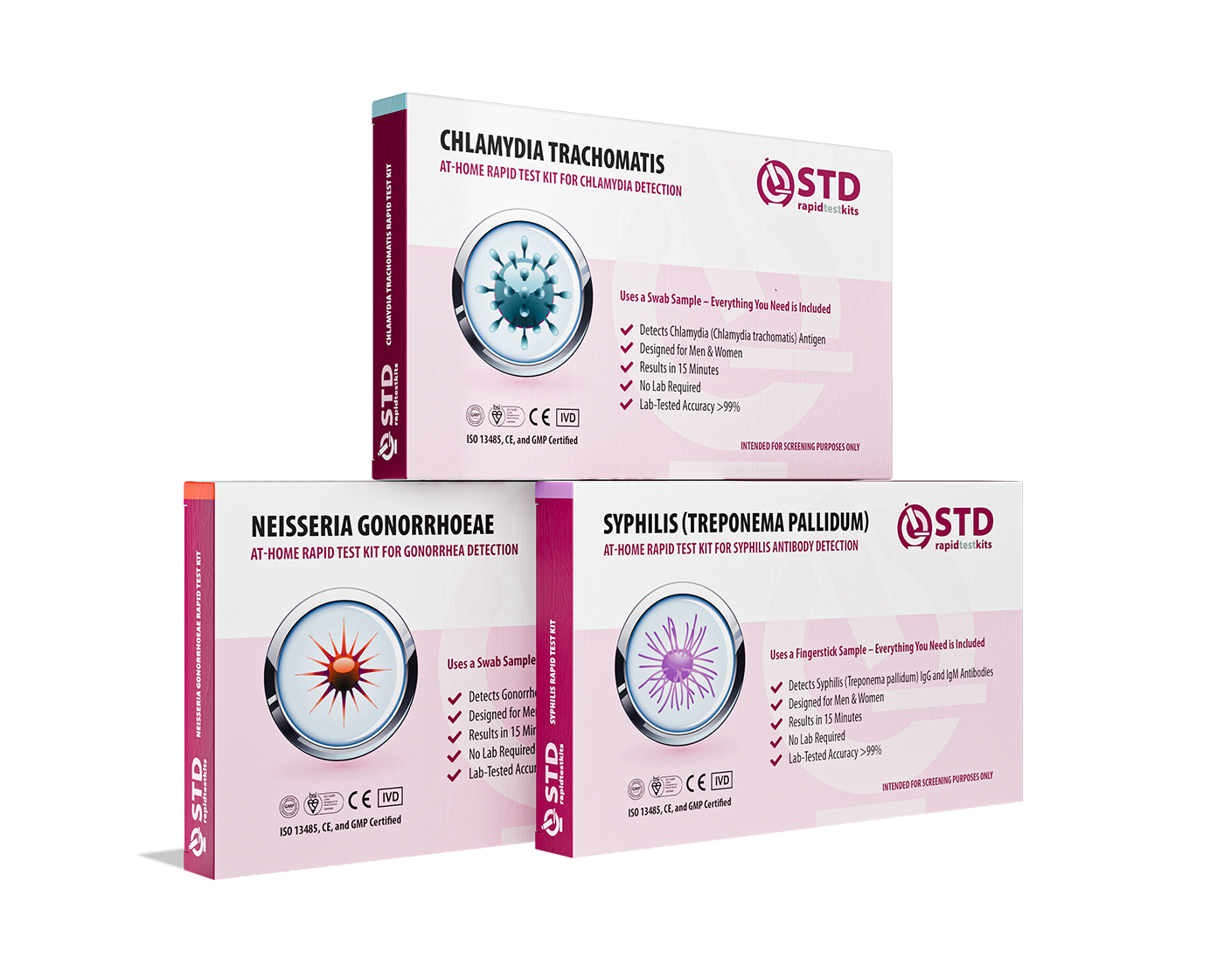 For Men & WomenResults in MinutesNo Lab NeededPrivate & Discreet
Order Now $69.00 $147.00
For all 3 tests
How to Have “The Talk” Without Losing Yourself
There isn’t one perfect script for disclosure, but there are ways to soften the fear. Counselors often suggest framing the conversation as an act of respect rather than an apology. Instead of, “I have something awful to tell you,” try: “I care about your health and mine, so I want to share my status.” This re-centers the dialogue on mutual care, not guilt.
Devon, 25, said he rehearsed in front of a mirror before texting his boyfriend. “I kept thinking, ‘He’s going to leave.’ But when I finally said it, he just asked, ‘Okay, what do we do next?’ I realized I’d built up this monster in my head that wasn’t even real.” Their story reflects what multiple studies on STD disclosure have found: partners are more often supportive than hostile, especially when they see disclosure as part of a shared solution.
Partner Services: You Don’t Have to Do It Alone
If speaking directly feels impossible, clinics and health departments can step in. The CDC’s partner services programs allow providers to notify partners confidentially, sometimes even without naming you. In some states, “expedited partner therapy” lets doctors prescribe antibiotics for your partner without them needing to come in first, especially with infections like Chlamydia or Gonorrhea. These tools exist not to punish, but to keep people safe when shame or fear threatens to delay disclosure.
For people worried about safety, those in abusive or controlling relationships, these services are especially critical. Guidelines even highlight the importance of screening for intimate partner violence before pushing disclosure. Protecting your health should never come at the cost of your safety.
Testing Together: Turning a Crisis Into Care
Sometimes the best disclosure strategy is an invitation. “Want to get tested with me?” can feel less like a confession and more like a shared step. It reframes the moment: instead of “I did something bad,” it’s “We both deserve clarity.” Couples who test together often report increased trust and intimacy, even when the results are tough. Research in the journal Sexually Transmitted Diseases shows that couples testing together were more likely to stay engaged in treatment and safer sex practices afterward.
At-home kits are another option for people who dread the clinic waiting room. Confidential, discreet, and rapid, these tests allow you to turn anxiety into action on your own terms. If you’re ready to stop guessing, this at-home combo test kit checks for the most common STDs quickly and privately.

People are also reading: Why Monogamy Isn’t a Foolproof Shield Against STDs
Rewriting the Script: Disclosure as Intimacy
Sara, 32, described telling her partner about her herpes diagnosis as “the most intimate thing I’d ever done.” She explained: “It wasn’t about sex anymore, it was about trust. When he stayed, when he held my hand and said, ‘Thank you for telling me,’ I realized I wasn’t broken. I was brave.”
This is the reframing clinicians and advocates are pushing toward. Disclosure isn’t a punishment or a scarlet letter. It’s care. It’s consent. It’s intimacy at its deepest level, choosing honesty when hiding would be easier. And yes, sometimes disclosure ends relationships. But silence, untreated infection, or unintentional transmission can do much worse damage, to both health and heart.
When Prevention Becomes Empowerment
The final piece of this conversation is prevention. Condoms and dental dams reduce the risk of many STDs, though not all. Suppressive therapy for herpes can lower outbreaks and transmission rates. Regular testing, every 3 to 6 months for sexually active people with multiple partners, is one of the strongest tools for control. And knowing your status before you enter a new relationship flips the script: disclosure becomes a proactive act, not a reactive confession.
Testing is not about shame. It’s about respect, for yourself, for your partner, and for the community you’re part of. Whether you test at a clinic or order a confidential kit online, each test is a step toward clarity. As one Reddit user wrote, “Asking someone to test with me was the sexiest thing I’ve ever done. It showed me they cared about more than just the moment.”
Your results, your privacy, your power. Order your rapid test today and take back control of your sexual health.
FAQs
1. Do I legally have to tell my partner about an STD?
In some places, yes, particularly for infections like HIV. Laws vary by state and country, but even where it’s not legally mandated, medical guidelines strongly recommend disclosure for health and ethical reasons.
2. What if I don't tell my partner and they get sick?
Not telling someone can have legal and relationship effects in addition to health risks. Infections that aren't treated can be very dangerous, and not telling someone about your status could ruin their trust forever.
3. Is it possible to tell a partner without them knowing?
Yes. Many health departments and clinics offer private partner services that let partners know about your health without giving your name.
4. Should I also tell people I've been with in the past?
Most medical advice says to tell anyone you've been intimate with in the last 3 to 12 months, depending on the infection. This process can be made easier by clinics.
5. When is the best time to tell someone?
Before sex, but not when things are hot. Pick a quiet, private place where you can both talk and think things through.
6. What if my partner doesn't like it?
Some people might be scared or angry. Others might show their support. Keep in mind that how they respond doesn't say anything about your worth. If you're worried about safety, use anonymous or assisted partner services instead.
7. Do condoms stop all STDs?
Condoms lower the risk of getting most STDs, but they don't completely protect against infections that spread through skin-to-skin contact, like herpes or HPV. Testing and being honest with each other are still very important.
8. Should I get tested again after the treatment?
Yes. Many guidelines say that you should get tested for chlamydia and gonorrhea again three months after treatment to make sure you understand and don't get the infection again.
9. What if I have no symptoms, do I still need to tell?
Absolutely. Many STDs, including chlamydia and gonorrhea, can be asymptomatic but still cause long-term damage and transmission.
10. Can I ever date or have sex again after an STD diagnosis?
Yes. Millions of people live full, healthy, and pleasurable sex lives with STDs. With treatment, communication, and prevention strategies, intimacy remains absolutely possible.
You Deserve Answers, Not Assumptions
If you have tested positive, telling someone might feel like a punishment, but it isn't. It's love. It's about giving yourself and your partner the chance to be safe, healthy, and honest. Staying quiet only makes the stigma worse; speaking up leads to real closeness, help, and trust.
Don't wait and wonder; get the answers you need. This discreet and quick at-home combo test kit checks for the most common STDs, so you and your partner can move forward with confidence.
Sources
1. Mayo Clinic – STD Diagnosis and Treatment
2. Mayo Clinic – Syphilis Treatment
3. CDC – Next Steps After a Positive STD Test
4. CDC – Clinical Partner Services Guidelines


