







Burning, Itching, Discharge: Yeast Infection or STD?
How Do They Differ?
Whenever one speaks of sexual health, STIs and STDs are probably the terms commonly used by each person. Commonly misused interchangeably, they actually are somewhat different concepts; and these must be explained clearly to achieve effective communication on proper health awareness. The basic difference relates to the terms themselves, explaining how an infection or disease has been acquired:
Sexually Transmitted Infections
This is the medical term for an infection that is already present but hasn't manifested outward signs of trouble. For example, an infected person can have no symptoms at all yet be harboring a virus such as chlamydia or human papillomavirus. Regular testing is key since many STIs might not give one any symptoms at all.
Sexually Transmitted Diseases
A sexually transmitted disease, or STD, is the advancement of an infection to a point where symptoms or consequences are present. For example, one potential symptom of HPV is genital warts, while infertility or PID can be a result of untreated chlamydia.

Why Is the Difference Important?
The preference of the medical community for the acronym "STI" over "STD" reflects a shift toward an early detection and prevention attitude, along with the associated reduction of stigma. The importance of this difference is as follows:
- Prompts consistent evaluation: The necessity of prevention tests, diseases are sometimes asymptomatic. Infections can be prevented from becoming diseases if they are tested in time using tests provided in clinics or at home via STD test kits.
- Helps Break Down Barriers When Discussing Sexual Health: Many people feel bad using the term "STD" because it makes people think the disease is further along or symptomatic. Because it is less intimidating, the term "STI" promotes less taboo conversations about sexual health and lessens the stigma associated with testing.
- Promotes Healthy Lifestyle Choices: Medical experts now advise on the importance of early intervention by infection, rather than by disease. If not treated, STDs can result in infertility, chronic discomfort, and heightened vulnerability to other infections like HIV, most of which are curable or controllable provided it was treated on time.
Take the multi-stage bacterial STI syphilis for example. One of its early signs could be a painless sore; thus, most people are unaware that they have syphilis. Serious disorders affecting the brain, heart, and other organs can develop if not treated. If diagnosed as an infection on time, the possibility of serious consequences can be considerably reduced.
Better decisions regarding sexual health are made by individuals and their partners when people understand the differences between STIs and STDs.
Check Your STD Status in Minutes
Test at Home with Remedium6-in-1 STD Test Kit
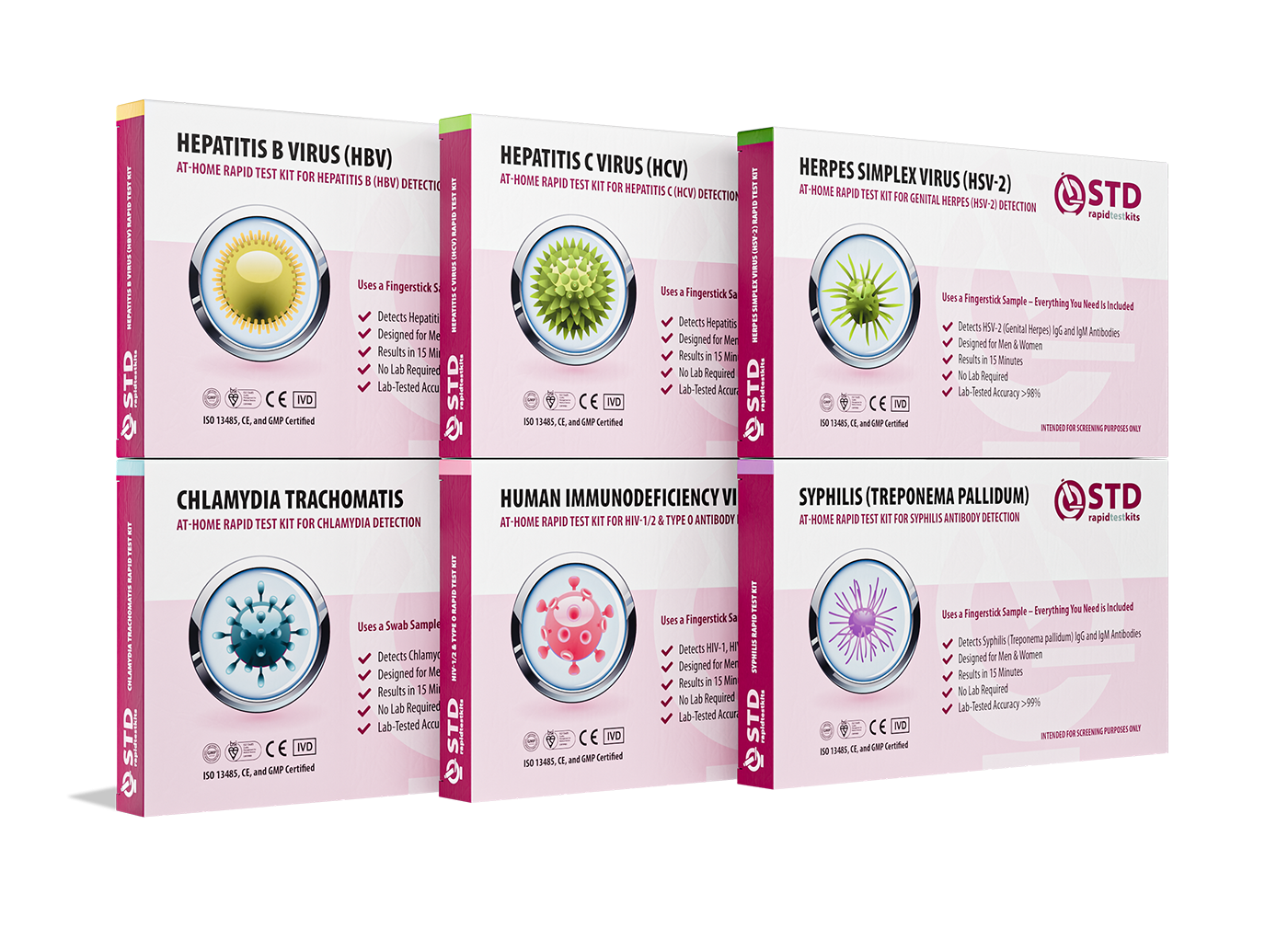
Claim Your Kit Today
Save 60%
 For Men & Women
 Results in Minutes
 No Lab Needed
 Private & Discreet
Order Now $119.00 $294.00
For all 6 tests
Key Benefits of Understanding the Difference Between STDs and STIs
Early Diagnosis and Treatment
Understanding that an STI is not the same as an STD encourages getting tested, even when symptoms are not present. For example, chlamydia and gonorrhea often do not have symptoms yet can cause infertility if left untreated.
Early treatment can prevent the onset of AIDS even when obvious signs and symptoms of having HIV are absent.
Sexual Health and Reduction of Stigma
Due to the emphasis on "infection" over "disease," the term "STI" is seen as much less judgmental than the term "STD." This naming change has considerably reduced the discomfort related to discussing the topics of testing and prevention.
Prevention Fosters Health
- People can act: Seek routine testing as it is learned illnesses can be present with no symptoms.
- Use condoms and other safer sexual behaviors.
- Advocate for sexual health education.
Encouraging Discussions
The ability to talk about sexual health, testing, and prevention with partners increases when there is a foundation built upon knowledge about the subjects.

Issues and Risks of Lack of Understanding
Delays in Treatment and Testing
Delays in seeking tests for STDs occur when it is perceived that one must have symptoms to be infected. The consequences are that the diseases remain untreated and the rate of infection escalates.
Long-term Health Problems
Untreated STIs can result in serious complications including the following:
- PID, which affects women.
- Infected testicles in men.
- Increased risk for acquiring and transmitting HIV.
Increased Shame
There is an increase in the number of illnesses that go undetected and untreated because people are afraid to seek medical attention because of stigmatized or out-of-date terminology.
Check Your STD Status in Minutes
Test at Home with Remedium7-in-1 STD Test Kit

Claim Your Kit Today
Save 62%
For Men & WomenResults in MinutesNo Lab NeededPrivate & DiscreetOrder Now $129.00 $343.00
For all 7 tests
Findings and Suggestions
Consistent Evaluation
Testing for sexually transmitted infections should be done yearly, or more frequently if high-risk behaviors are engaged in or if you have multiple partners. The privacy and convenience of an at-home STD test kit make this process much easier.
Practicing Safer Sex
To lower the risk of infection, use protection such as dental dams or condoms.
Education and Awareness
Keep updated about symptoms, risks, and prevention strategies regarding chlamydia, gonorrhea, syphilis, and HPV, among the more prevalent STDs.
Usage of Home Test Kit
- STD testing kits designed for home use represent a generation leap in sexual health management.
- They offer an option for anonymity.
- Give fast, accurate results.
- The convenience of taking the test within the comfort of your home is the main advantage.
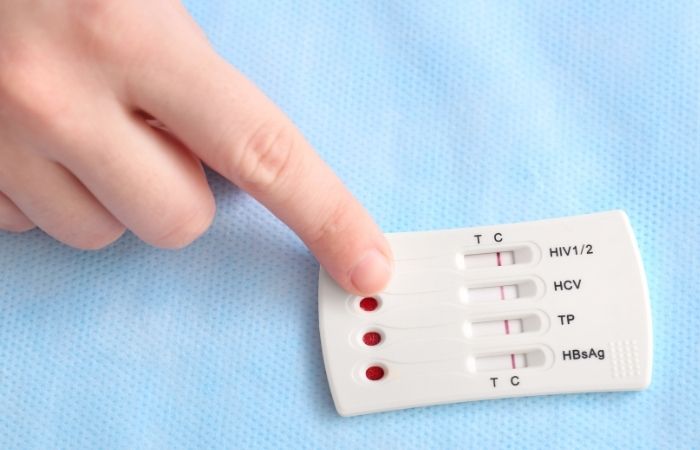
Stats - Facts and Figures
1 in 5 people in the U.S. have an STI, according to the CDC
The CDC reports that one in five Americans have a sexually transmitted infection. The surprising number reveals just how common STDs are, affecting millions of people each year. While common, the fact that many do not know they are infected emphasizes the need for regular testing and awareness about sexual health.
Around 80% of chlamydia cases are asymptomatic
Chlamydia is one of the most common bacterial STIs and, being a silent infection, is particularly dangerous because it can continue to spread since many people do not have symptoms. If the infection is not treated, chlamydia can lead to serious health problems, including infertility in both men and women and PID in women. The best way to prevent them, however, is to find out about them early by frequent testing.
Using condoms consistently reduces the risk of STI transmission by 98%
A massive 98% of sexually transmitted infection cases can be prevented if condoms are used regularly. When it comes to preventing sexually transmitted infections, condoms remain one of the best and easiest options. They provide a preventable barrier in the transmission of infectious diseases such as chlamydia, gonorrhea, and HIV by preventing the sharing of sexually transmitted fluids. This, however, is strictly subject to the use of condoms rightly and consistently. Even with all these, they are less effective in preventing some STIs, which involve skin-to-skin contact, like herpes and HPV, though the risks are considerably lowered.
Check Your STD Status in Minutes
Test at Home with Remedium3-in-1 STD Test Kit
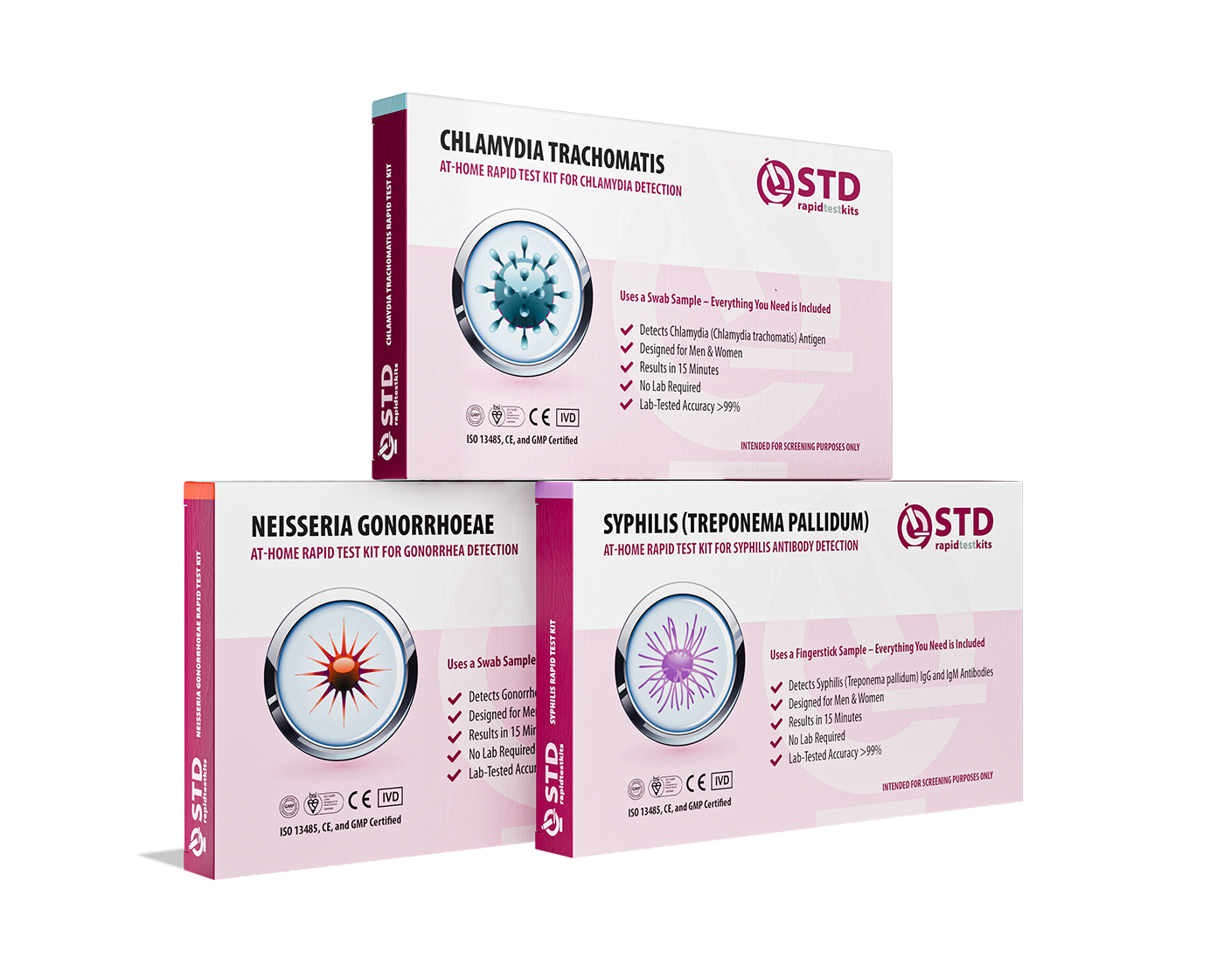
Claim Your Kit Today
Save 53%
For Men & WomenResults in MinutesNo Lab NeededPrivate & DiscreetOrder Now $69.00 $147.00
For all 3 tests
Young adults aged 15-24 account for nearly half of all new STI cases annually
Of all new STIs, almost 50% occur yearly among young people between ages 15 and 24 years. This generation is particularly susceptible because of factors like high rates of sexual activity, infrequent condom use, and a lack of prevention education. Increased access to testing, including at-home STD test kits, and promotion of awareness could greatly reduce the infection rate in this population.
Nearly 42 million Americans live with HPV, making it the most common STI in the U.S.
At over 42 million, HPV is by far the most common sexually transmitted infection in the United States. Some strains of the human papillomavirus can cause genital warts and malignancies such as cervical cancer, although the majority of all HPV infections resolve themselves. While vaccination campaigns have helped lower the number of cases of high-risk strains, it is still important to get screened regularly in case any problems arise.
Over $16 billion is spent annually in the U.S. on direct medical costs related to STIs.
The direct medical costs of STIs in the United States are estimated at more than $16 billion each year. That costly burden highlights the importance of prevention and early treatment. Investment in accessible diagnostic alternatives and public health education would help reduce the long-term expenses associated with diseases that could be treated if diagnosed early.
Syphilis cases in the U.S. have risen by nearly 70% in the past decade
In the United States, syphilis has increased by about 70% over the past decade. This resurgence underlines the need for ongoing public health efforts to prevent the resurgence of diseases previously kept under control. In light of such a disturbing trend, testing needs to be scaled up, especially among high-risk populations.
These figures outline the prevalence of STIs and the importance of public awareness, prevention, and regular testing to reduce the rates of infection and improve public health.
Expert Opinions and Case Studies
"Most of the sexually transmitted infections are curable, and early detection can prevent devastating consequences," say health experts. Dr. Jane Roberts"with the Centers for Disease Control and Prevention.
Research Example: Thanks to home testing, one 25-year-old female patient was able to catch her chlamydia infection early. She avoided the complications of PID and remained fertile due to that one simple act.
STDs and STIs: Separating Fact from Fiction
- Myth: STIs always manifest symptoms.
- Fact: Actually, most STIs do not produce any symptoms whatsoever.
- Myth: Home STD test results aren't reliable.
- Fact: You can get results from most at-home tests that are on par with clinical testing, and they're even FDA-approved.
FAQs
1.- What does the abbreviation STI mean?
The acronym STD brings to light the fact that some STDs may not even manifest physically.
2.- Is there a cure for all sexually transmitted infections?
Some, but not all. While viral STIs like herpes can only be managed, bacterial ones like chlamydia can be cured.
3.- When should I come in for my examination?
Usually, every year, but more often if you do the risky things.
4.- Can I test myself at home for STIs?
Yes, you can take advantage of the easy and private at-home STD testing kits.
5.- What are the most common types of sexually transmitted infections?
Globally, HPV is the most common STI.
6.- Do condoms protect against infection?
To avoid sexually transmitted infection, use a condom. It won't prevent all of them but it will a lot.
7.- Why are STIs more commonly used now than STDs?
Because it reduces stigma by describing infection that may not lead to sickness.
8.- If I test positive, what should I do?
See a physician for testing and treatment. Inform your partners.
9.- Does untreated STIs cause infertility?
Yes, chlamydia and gonorrhea can cause infertility when it is not treated.
10.- Are all STIs sexually transmitted?
No, not all, in fact, some are passed through from generation to generation via sharing needles or even from mother-child transmission.
Check Your STD Status in Minutes
Test at Home with RemediumChlamydia & Gonorrhea Test
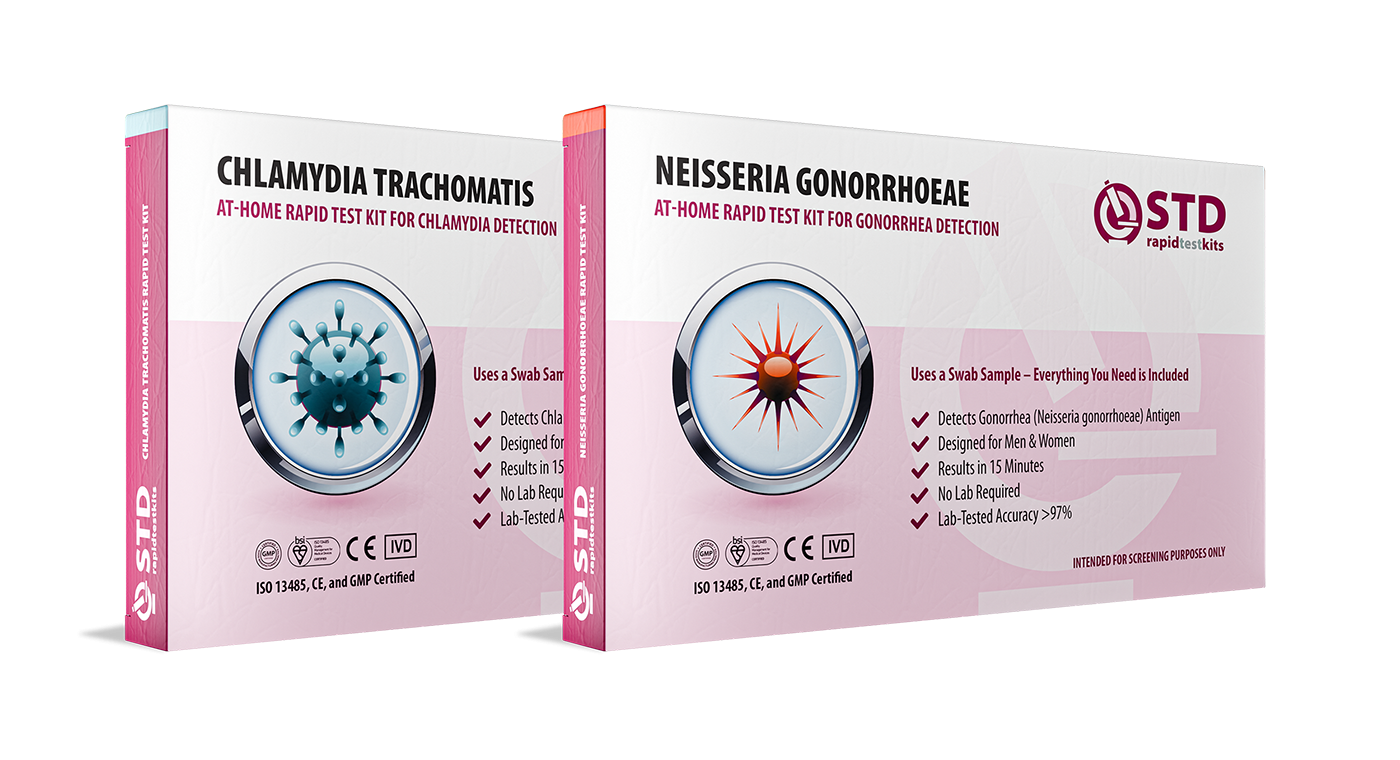
Claim Your Kit Today
Save 50%
For Men & WomenResults in MinutesNo Lab NeededPrivate & DiscreetOrder Now $49.00 $98.00
For all 2 tests
Take Care of Yourself!
More than a matter of semantics, the difference between sexually transmitted diseases versus sexually transmitted infections bears on awareness, early detection, and prevention. Getting tested frequently, practicing safer sex, and using at-home STD test kits are ways to take responsibility for one's sexual health and help reduce stigma associated with sexually transmitted diseases.
Sources
1.- STD vs STI: Differences Explained (Galileo Health)
2.- STD and STI: What’s the Difference? (Ohio State Health)
3.- What’s the Difference Between an STI and an STD? (Live Healthily)


