







Quick Answer: STDs like chlamydia, gonorrhea, and herpes can remain symptomless for months or years. Even in long-term relationships, routine testing helps detect silent infections, protect partners, and open honest conversations.
This Isn’t Just Razor Burn, And Here’s Why
Sophie, 32, had been with her boyfriend for four years when she started noticing a recurring itch after sex. “I kept thinking it was my soap, or maybe stress,” she said. “But it kept coming back, and then there was discharge. I finally took an at-home test kit. It came back positive for chlamydia.”
“He swore he hadn’t cheated, and I believe him. But that didn’t stop the test from being positive.”
Here’s the thing: many STDs don’t show symptoms right away. Some, like HPV or herpes, can lie dormant for years. Others, like chlamydia, often cause no symptoms at all, especially in people with vulvas. This makes them perfect stealth agents in monogamous relationships, where testing isn’t routine and symptoms are easy to misread as something else.
In one peer-reviewed study, researchers found that nearly 70% of women with chlamydia had no symptoms at the time of diagnosis. And yet, left untreated, chlamydia can lead to pelvic inflammatory disease (PID), infertility, and chronic pain.
This isn’t about betrayal. It’s about biology.

People are also reading: Can You Get an STD from a Toilet Seat or Toilet Paper? A Medical Breakdown
The Myth of Monogamy as Protection
We’re taught that monogamy equals safety. But that’s only true if both partners were tested before the relationship began, and neither has had an exposure risk since. Spoiler: that’s not most couples.
STDs don’t reset when you fall in love. They don’t disappear because someone says, “You’re the only one for me.” They stick around, sometimes dormant, until testing catches them. In fact, many people unknowingly carry an infection from a past partner into a new, committed relationship.
In a CDC screening guideline report, it’s recommended that all sexually active individuals under 25, or those with new or multiple partners, test annually. Yet, in practice, most couples stop testing once they commit.
That silence? It becomes the perfect storm for “silent STDs”, the ones that don’t announce themselves until it’s too late. Think HPV showing up years later during a Pap smear. Or herpes suddenly flaring during stress, even though no one remembers any “cheating.”
STDs aren’t just for hookup culture. They live in trust, in routine, in assumptions. And that’s exactly why they’re so good at staying hidden.
“We Tested Together After Four Years, Here’s What We Found”
Marcus and Jay had been together since college. They were each other’s first serious relationship. No drama, no infidelity, just years of quiet, queer, monogamous comfort. “We never felt the need to test. We hadn’t been with anyone else,” Jay explained. “But I started reading about STDs that stay asymptomatic for years. I realized we were overdue.”
They ordered a combo STD home test kit. The results: Marcus had HSV-1 genitally, likely from oral sex years ago. Jay was negative. “I didn’t even know you could get herpes that way,” Marcus said. “It felt heavy, but honestly, it brought us closer. We could finally talk about things we were scared to say before.”
Data backs their experience. A 2022 study found that couples who test together report higher levels of trust and lower anxiety about sex, regardless of results.
Testing isn’t just disease prevention. It’s intimacy, responsibility, and communication in action.
When No Symptoms Doesn’t Mean No Infection
This is the part that messes with your head: how can something serious be happening in your body, or your partner’s, without either of you knowing? The answer is simple and frustrating: most STDs are asymptomatic, especially early on.
Chlamydia and gonorrhea are the worst culprits. They can lurk in the throat, rectum, or genital tract with zero obvious signs. No pain, no discharge, no burning, nothing. You feel fine. You have no reason to suspect anything. Until maybe, someday, you try to get pregnant. Or you develop chronic pelvic pain. Or your partner suddenly tests positive.
According to the World Health Organization, over 1 million STIs are acquired every day worldwide, and the majority show no symptoms. That’s not because people are reckless. It’s because our bodies don’t always give us obvious signals when something’s wrong. Especially when it comes to infections passed through mucosal surfaces, like the mouth, anus, vagina, or urethra.
This is why “waiting for symptoms” doesn’t work. It’s like waiting for your car to explode before checking the oil.
Check Your STD Status in Minutes
Test at Home with Remedium7-in-1 STD Test Kit
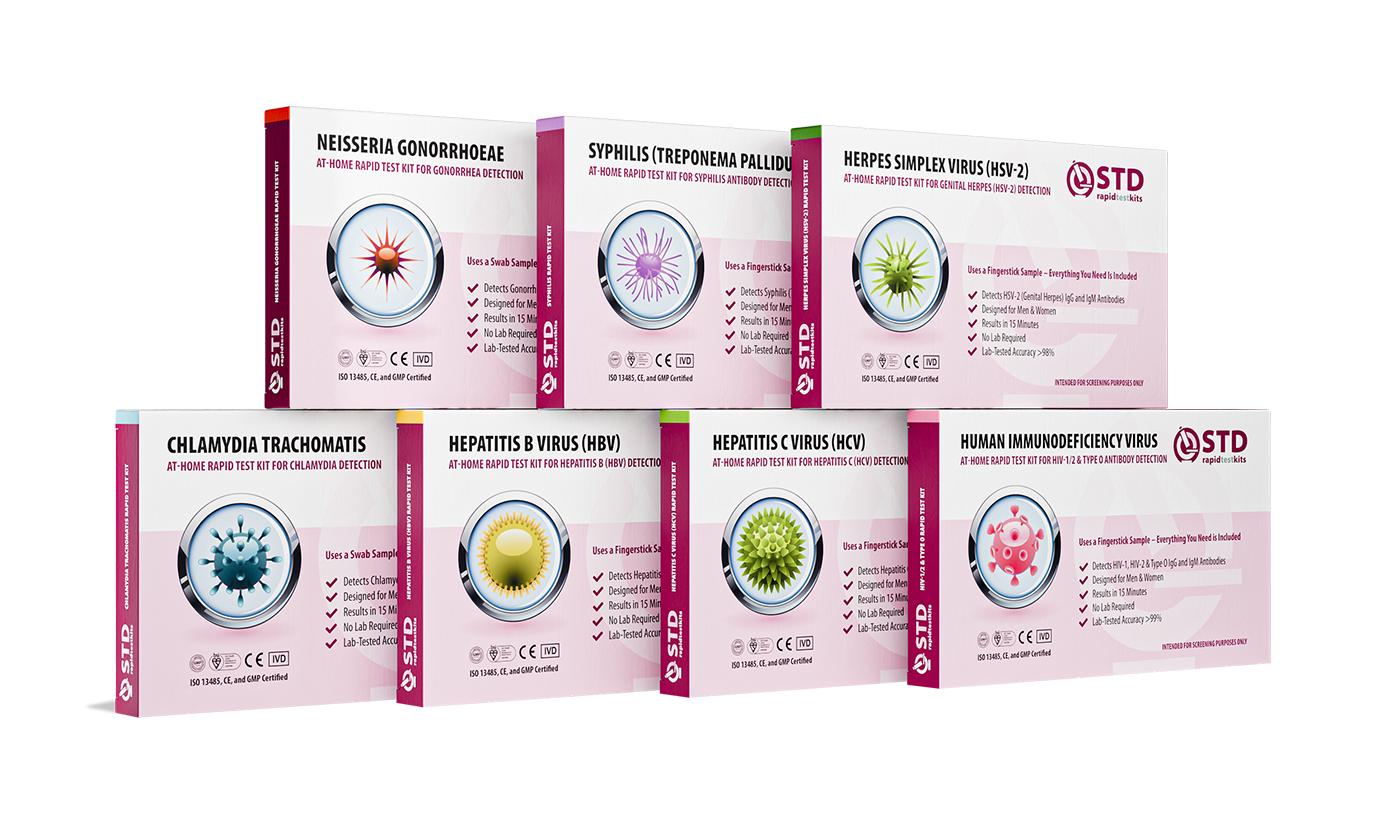
 For Men & Women
 Results in Minutes
 No Lab Needed
 Private & Discreet
Order Now $129.00 $343.00
For all 7 tests
“We Didn’t Want to Make It Weird”, But Silence Is Riskier
The most common reason couples skip testing? Awkwardness. Nobody wants to imply mistrust. Nobody wants to be the one to ask. Even among queer and poly couples, who often have strong communication norms, STD testing can feel too heavy, too medical, too intimate.
Lena, 27, put it like this: “I didn’t want to offend my partner by suggesting we test. I thought it would come off like I didn’t trust him. But when we finally did it together, he said, ‘Thank you for bringing it up. I was scared to ask too.’”
This is normal. And it’s why more providers, including Planned Parenthood, are now promoting couples-based testing, where both partners test at the same time, either at home or in clinic. This helps reduce the emotional weight. It makes the act of testing a shared experience, not a suspicion bomb.
Think of it like dental cleanings. You don’t assume your partner is cheating just because they want to get their teeth checked. You assume they’re being responsible. Sexual health is no different.
And if the idea of a clinic gives you the ick? At-home options exist. You can test from your own bathroom, mail it in, and get results within days. Quiet. Clean. Yours.
The Testing Timeline Most Couples Don’t Know
If you’re in a long-term relationship and haven’t tested since getting together, or ever, here’s a truth bomb: the timeline for STD testing isn’t one-and-done. It’s not a checkbox you complete and forget. It’s a rhythm.
The CDC recommends that sexually active adults get tested for STDs at least once a year. More frequently if you’re under 25, immunocompromised, or have had multiple partners. But this isn’t just about numbers, it’s about patterns and prevention.
Here’s how most experts frame it:
You should test:
- Before starting a new sexual relationship
- Once a year, even in monogamy
- After any suspected exposure or STI-related symptoms
- During pregnancy planning or prenatal care
But for couples, the conversation doesn’t have to follow a crisis. You don’t have to wait for symptoms. In fact, it’s better if you don’t. Make it routine. Make it normal. Make it sexy, even, like a check-in before your next vacation, or a wellness reset before the new year.
It’s easier than ever to do this discreetly. Products like the Combo STD Home Test Kit cover multiple infections in one go, chlamydia, gonorrhea, HIV, syphilis, and more, without stepping foot in a clinic.
Testing isn’t about paranoia. It’s about peace of mind. For both of you.
Not “Dirty,” Not Dangerous, Just Human
Let’s talk stigma, because it’s still running the show. Somewhere along the way, we internalized that testing means cheating, or that an STD equals shame. But here’s the medical reality: sexually transmitted infections are just that, infections. Not moral failures. Not proof of betrayal. Not a punishment.
And while we’re at it, let’s dismantle the idea that “only certain kinds of people get STDs.” Rich, straight, queer, monogamous, poly, abstinent-for-a-while, none of that matters. If you’ve had oral, anal, or vaginal sex, you’re part of the club. STDs don’t discriminate.
Dr. Ana Morales, a public health physician and sexual health researcher, puts it bluntly: “If we removed stigma, testing would be as normal as getting your cholesterol checked. Instead, people wait until their bodies are screaming.”
That silence doesn’t protect us. It isolates us. And it allows misinformation to thrive. Like the idea that HPV is only a “female issue” (it’s not), or that herpes only shows up in people who sleep around (wrong again, up to 67% of people under 50 have HSV-1). Or that you can tell by “looking” if someone has an infection (nope).
Testing doesn’t accuse anyone. It supports everyone. It says: I care enough about you, and myself, to make sure we’re okay.

People are also looking for: Is Your Monogamous Relationship as Safe as You Think?
The Truth About Treatment (It’s Not That Scary)
Let’s say the test comes back positive. Take a breath. You are not broken. You are not ruined. And chances are, you’re not alone.
Most STDs are highly treatable, especially when caught early. Chlamydia and gonorrhea? Usually gone with a single round of antibiotics. Syphilis? Same. HIV? Manageable with treatment that reduces viral load to undetectable levels. Herpes? Lifelong but manageable with antivirals, lifestyle tweaks, and honest partner communication.
What does hurt is delay. Waiting. Ignoring. Hoping it goes away.
Jay and Marcus, remember them from earlier?, started treatment the week after Marcus’s results came back. “We were scared at first,” Jay admitted. “But it forced us to stop avoiding the conversation. And now it’s just a part of how we love each other, checking in, staying informed, testing when needed.”
STD treatment isn’t just medical. It’s emotional recovery. It’s relationship maintenance. It’s sex that doesn’t come with question marks.
If you or your partner test positive using an at-home test, most companies offer telehealth support, follow-up prescriptions, or lab confirmation. And if you go through a provider like STD Rapid Test Kits, the process is confidential, quick, and designed with empathy.
Testing leads to treatment. And treatment leads to healing. Not shame.
How to Talk About It Without Freaking Out
This might be the hardest part, not the test itself, but the conversation. How do you bring up testing with a partner without making it weird? How do you explain that you’re not accusing, just trying to take care of each other?
Start by centering health over suspicion. Use “we” language, not “you.” Try: “I’ve been reading about how a lot of STDs don’t show symptoms, and I realized we’ve never tested together. Want to do it with me?” Or: “I love that we trust each other. I think it would be a powerful thing to test, just so we both feel safe and clear.”
Normalize it. Joke about it. Pick a night in. Light a candle. Make it sexy. Say: “Netflix, chill, and… spit in a tube?”
And if they push back? That’s information too. A partner who won’t even consider testing is not someone prioritizing your health, or theirs.
You deserve transparency. You deserve protection. You deserve to know what’s happening in your own body. Testing doesn’t mean there’s a problem. It means you’re making sure there isn’t one.
FAQs
1. Can I really have an STD and not know it?
Yeah, absolutely. That’s actually more common than not. Infections like chlamydia and HPV can hang out in your system with zero symptoms. No burning, no bumps, no clue. That’s why so many people pass them on without meaning to.
2. We’ve been exclusive for years, do we still need to test?
If neither of you tested at the very beginning, you might be carrying something from before you got together. Time doesn't kill STDs. Only testing and treatment do. Routine testing is how you protect each other now, not how you accuse each other.
3. I’m scared to bring up testing. What if my partner gets defensive?
Totally valid fear, and super common. But here’s the truth: asking for testing isn’t an attack. It’s a health conversation. If someone truly cares about your safety and trust, they’ll listen. And if they don’t? That’s a bigger red flag than any result could be.
4. Is getting a positive result basically relationship-ending?
No. Not even close. A positive test is a medical result, not a verdict on your worth, your honesty, or your relationship. Most STDs are treatable. Some are manageable. All are easier to handle when caught early and faced together.
5. How do at-home tests work? Can I trust them?
Yes, and yes. Most at-home kits use the same labs doctors do. You collect your sample, blood, urine, or swab, mail it in, and get results online, fast. No awkward small talk. No clinic waiting rooms.
6. We already tested once, aren’t we good now?
Testing isn’t a one-time event. It’s part of taking care of your sexual health, like birth control or checkups. Once a year is the minimum, but you might test more often depending on your lifestyle or any new risk.
7. What if I feel fine? Should I still test?
Definitely. “Feeling fine” is how STDs spread. Especially the silent ones. Testing before symptoms show up is how you stay ahead, not how you overreact.
8. Could my STD be from years ago?
Yep. Some infections, like herpes or certain strains of HPV, can live in your body for years without saying a word. You or your partner could’ve been carrying it since way before you met. That’s not drama. That’s just biology.
9. Can STDs really cause infertility?
Unfortunately, yes. Untreated chlamydia and gonorrhea can scar reproductive organs and lead to PID, which makes it harder, or impossible, to conceive later on. That’s why catching these early matters.
10. What if I’m too embarrassed to even order a kit?
Hey, there is zero shame in wanting clarity. You’re not dirty, broken, or doing something wrong. You’re taking control. You can order kits online, get them in discreet packaging, and test at home. No one has to know but you, and whoever you choose to tell.
You Deserve Answers, Not Assumptions
Testing isn’t about catching someone in a lie. It’s about catching something early enough to treat it. It’s about saying: “I care about your health. And mine.”
In long-term relationships, it’s easy to let health routines slide. But your body doesn’t care how long you’ve been together, it cares whether infections are being caught before they cause damage. Whether you’re dealing with mystery symptoms, rethinking assumptions, or just ready to stop guessing, testing is one of the most powerful tools you have.
Don’t wait and wonder, get the clarity you deserve. This at-home combo test kit checks for the most common STDs discreetly and quickly.
Check Your STD Status in Minutes
Test at Home with Remedium8-in-1 STD Test Kit
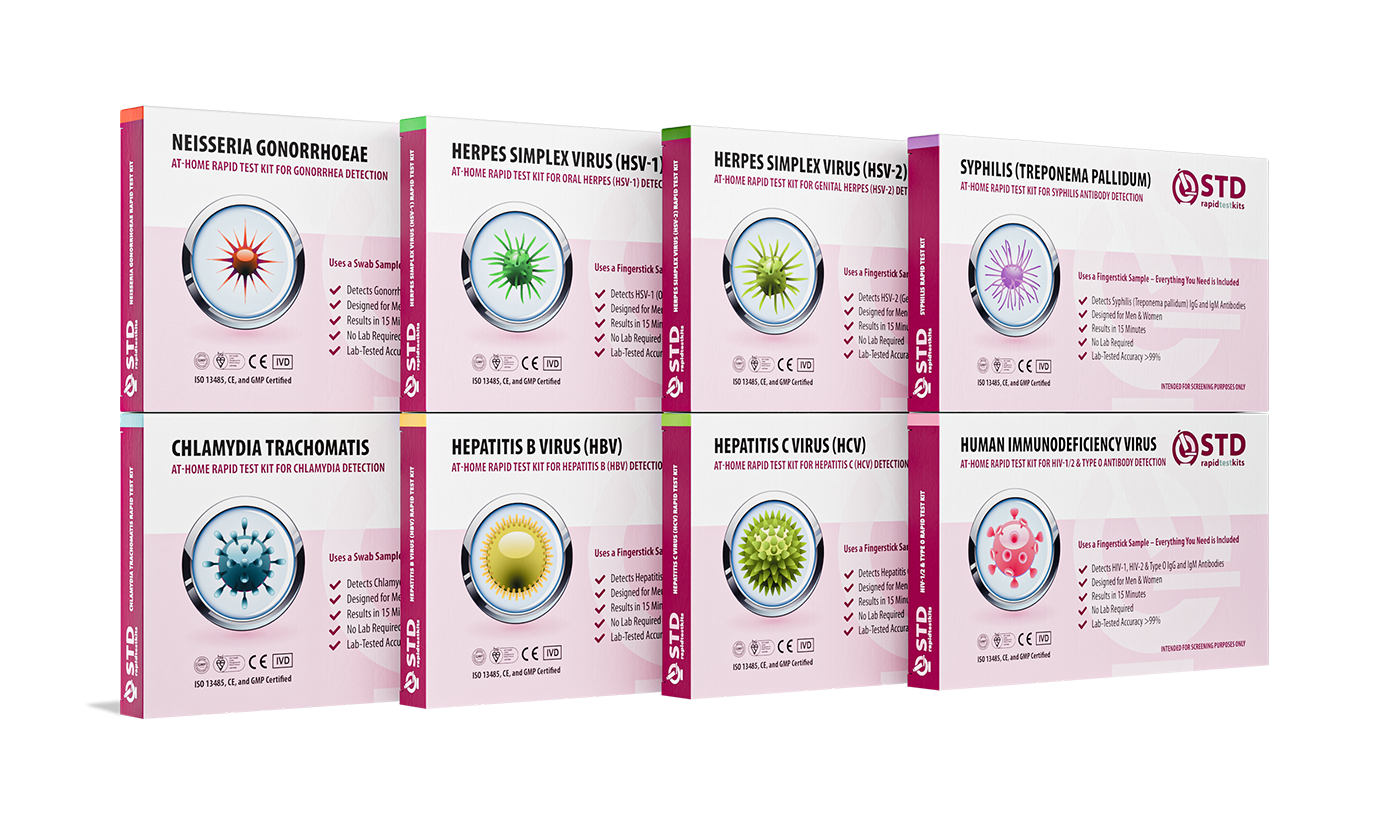 For Men & WomenResults in MinutesNo Lab NeededPrivate & Discreet
Order Now $149.00 $392.00
For all 8 tests
Sources
1. CDC – STI Screening Recommendations
2. World Health Organization – STIs
3. Couples Testing and Counseling Impact Study – PMC
4. Motivations for Routine HIV Testing – Springer
5. Planned Parenthood – Get Tested


