






Quick Answer: Oral herpes (HSV-1) is what usually causes cold sores, and kissing someone who has one can spread the virus, especially if the sore is visible. If you kissed someone with a cold sore, there is a chance you could get sick, but you might not. If you're not sure, keep an eye out for symptoms and think about doing a test at home.
Case Study: “I Googled ‘Herpes from Kissing’ 47 Times That Night”
Leah, 28, had been seeing someone for a few weeks when they kissed at a concert. The next morning, she noticed a red spot on the corner of his mouth. By noon, it was blistering.
“I literally didn’t sleep. I was spiraling. My lips started tingling even though I knew it was probably in my head. But what if it wasn’t?”
Her reaction isn’t rare. Studies show that cold sore visibility often triggers more fear than understanding. But fear doesn't equal infection, and panic isn’t prevention.

People are also reading: Living Well with Hepatitis: Proven Strategies for Symptom Management
This Isn’t Just a Pimple, Here’s How to Spot a Cold Sore
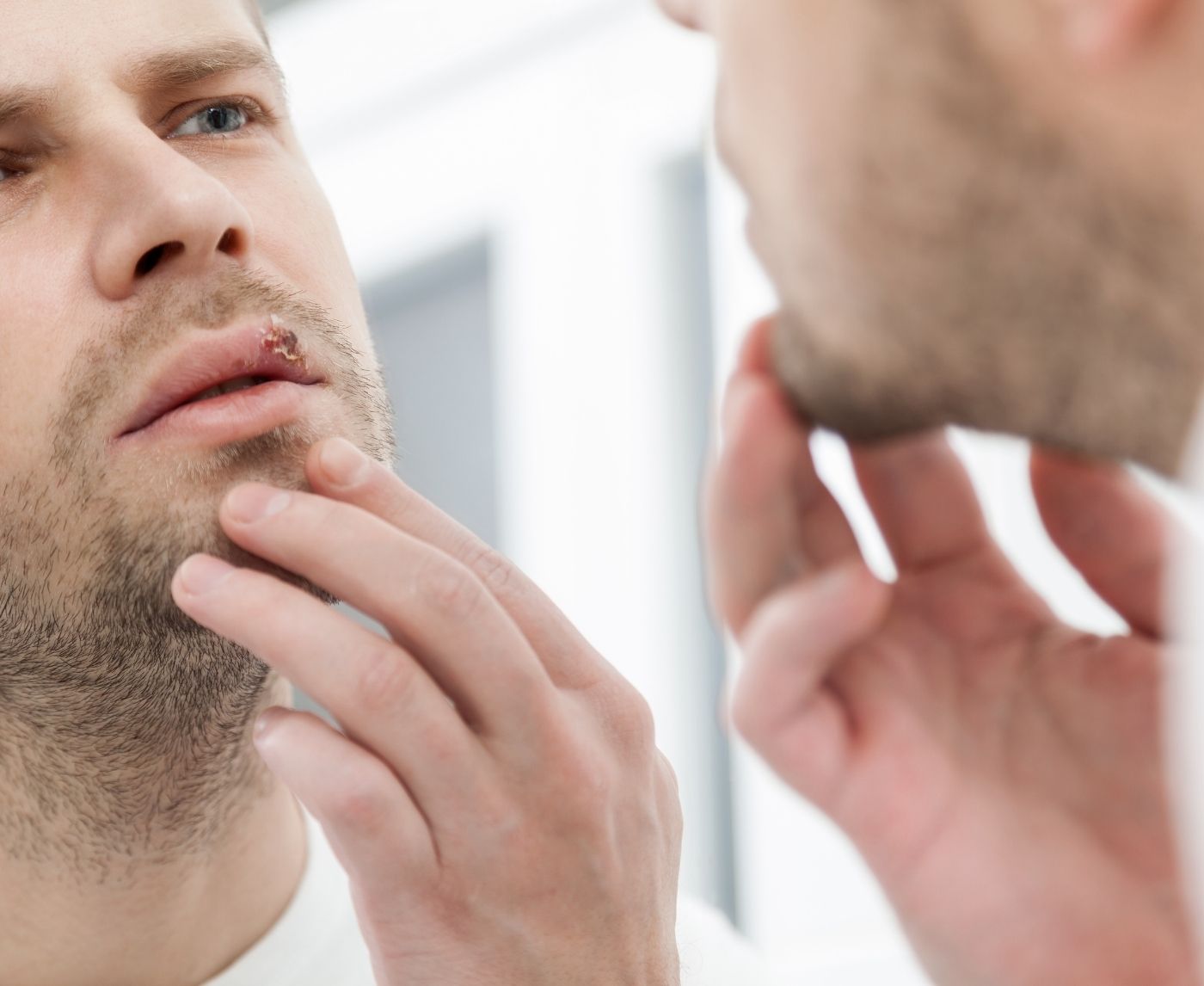
Let’s get clinical for a second, but not cold. That spot you noticed on their lip (or maybe the one you’re now hyper-fixated on in the mirror) was probably oral herpes simplex virus type 1, aka HSV-1. And no, it’s not “just chapped lips” or a rogue pimple. Cold sores have a very specific vibe, and a very specific life cycle.
Here’s what that looks like in the real world:
Stage 1: The Whisper Before the Storm
It starts with a feeling. A weird, almost ghostly tingle. Maybe a burning sensation or a light itch near the lip or corner of the mouth. This can show up one or two days before anything’s visible. If you’ve never felt it before, you might write it off as dry skin or nerves. But to people who get cold sores regularly, it’s the oh-no-here-we-go-again stage.
Stage 2: Blisters Make Their Entrance
Then come the blisters. Tiny, fluid-filled bumps that love to cluster up like a breakout gang, usually right on the lip border, but they can appear around the nose or even inside the mouth. They might sting. They might just look like they do. Either way, this is herpes doing its most visible work, and this is when it’s most contagious.
Stage 3: Scabbing, Healing, and Hoping No One Notices
After the blisters pop (gently or otherwise), they crust over. That’s the part most people associate with “cold sores”, a flaky, scabby patch that makes you want to cancel plans or overshare disclaimers. This stage usually lasts a few days before healing fully.
Now here’s the key thing: cold sores move. They evolve. That’s what separates them from pimples, razor burn, or random irritation. If you kissed someone and their lip had a shiny, blistered bump or a dry, cracked scab, yeah, that was probably HSV-1. And yeah, that’s when the virus is most likely to spread.
If it was just a bump that didn’t change, or something you now can’t even remember clearly? It might not have been herpes. But if you're concerned enough to Google it, it’s worth watching your body for a few days. Tingling, tiny blisters, unexplained swelling? You’ll want to keep an eye on that.
So, Did I Just Get Herpes?
Let’s take a breath. Really. Because the answer isn’t as binary as your brain probably wants right now. Kissing someone with a visible cold sore absolutely can transmit herpes. But “can” isn’t the same as “did.” You’re not doomed just because the kiss happened. This is a game of risk, not inevitability.
A few things shape that risk, and none of them are about morals or judgment.
First: the stage of their sore matters.
If it was in full blister mode, shiny, fluid-filled, cracked, then yes, that’s peak contagiousness. That’s herpes at its most ready to spread. But if it was fully crusted over and almost healed, or just looked like a fading spot, the risk drops. Healing skin sheds less virus. Timing really does matter here.
Your own body plays a role too.
If you’re run-down, stressed, sick, or immunocompromised, your body’s defenses are lower, which could make you more susceptible. That’s not a flaw, it’s just biology doing its thing under pressure.
And here’s a twist that surprises a lot of people: most adults, somewhere between 50% to 80% depending on the study, already carry HSV-1. They might’ve gotten it from a childhood kiss, a shared soda, or a forgotten makeout session in college. If you’re one of them? You might not even be capable of getting “reinfected” with oral herpes.
But if you’ve never had HSV-1 before, meaning you don’t have the antibodies yet, then yes, the virus has a clearer path. It can enter through tiny breaks in the skin or mucous membranes (think chapped lips, gum irritation, or microtears from brushing).
And no, you won’t feel it immediately. Herpes doesn’t ring the doorbell the moment it enters. Symptoms, if they happen at all, usually take 2 to 12 days to show up after exposure. So if you’re on day one and already itching? That might be anxiety talking. (It’s loud. We get it.)
The truth? You might’ve been exposed. You might not have. You might already carry HSV-1 and not even know it. But none of that means you’ve messed up. It means you’re human. And it means now is a good time to watch, wait, and, if you want peace of mind, test.
Check Your STD Status in Minutes
Test at Home with RemediumGenital & Oral Herpes Test Kit
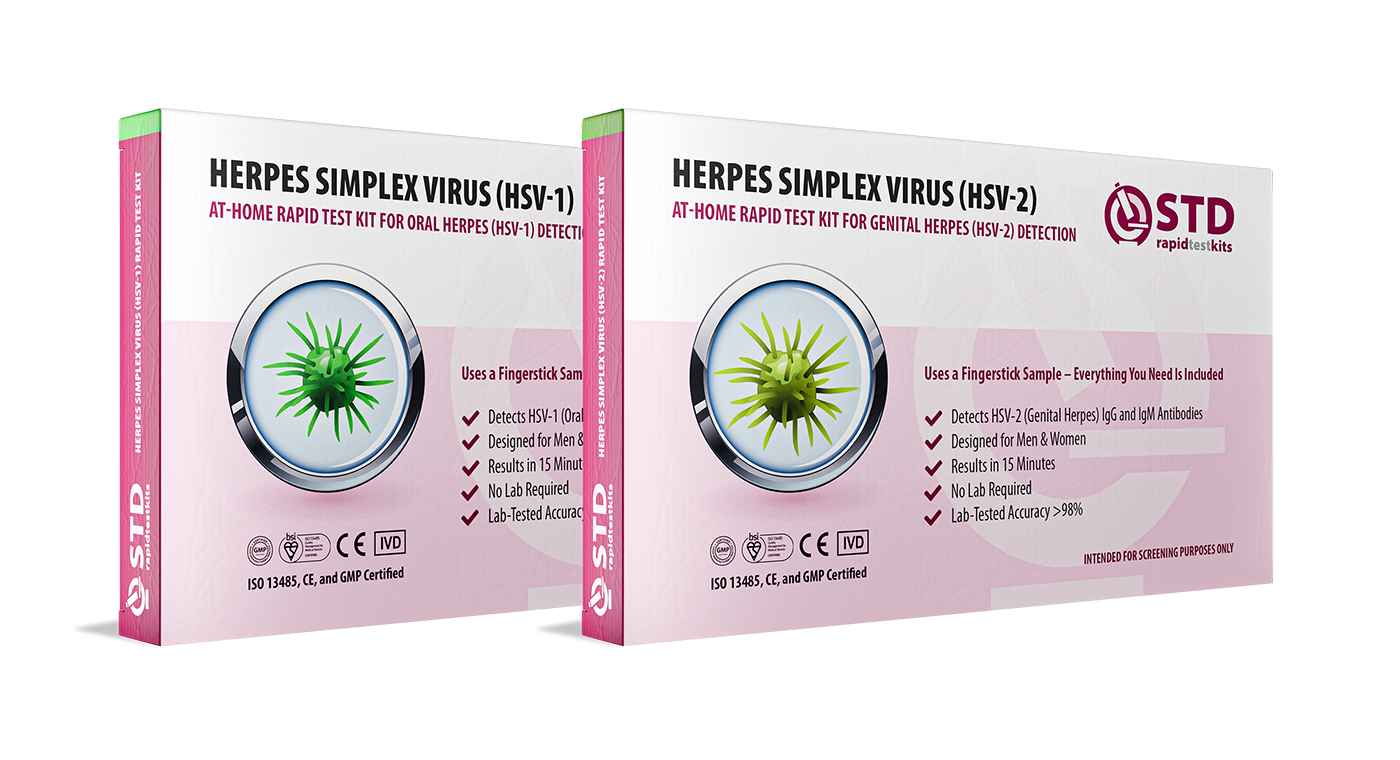
 For Men & Women
 Results in Minutes
 No Lab Needed
 Private & Discreet
Order Now $75.00 $98.00
For all 2 tests
When Will I Know If I Caught It?
The incubation period for oral herpes (HSV-1) is usually 2 to 12 days after exposure. That means if you were exposed during the kiss, symptoms could appear within that window, or not at all.
Here’s what to watch for in the days following:
- Tingling or burning near the mouth (especially if it's new for you)
- Small blisters around the lips, gums, or nose area
- Swollen lymph nodes under your jaw or neck
- Fever, headache, or fatigue (often with first-time infections)
Keep in mind: many people experience no symptoms at all. That’s part of what makes herpes so common and so confusing, it’s not always loud.
Can You Get Herpes Without a Sore Being Visible?
This is the part nobody tells you until you're already panicking and neck-deep in Reddit threads. Yes, you can get herpes even when there’s no visible sore. And that’s what makes this virus such a quiet traveler.
Herpes isn’t just contagious when someone has a crusty blister on their lip. The virus can shed from the skin during times when everything looks normal, no tingling, no redness, nothing. This is called asymptomatic viral shedding, and it’s sneakier than most people realize.
Now, let’s not overheat the anxiety. Just because shedding is possible doesn’t mean it’s constant. Research shows that for oral HSV-1, asymptomatic shedding happens on about 10–15% of days in people with recurrent outbreaks. It’s not all-day-every-day, but it's enough to matter.
That said, your highest risk window is still when the cold sore is full-blown, blisters, crust, and all. That fluid is herpes in its most infectious form. Kissing during that stage is basically inviting the virus to move in. But outside of outbreaks, the risk is lower, not gone.
And this is exactly why herpes spreads so quietly. You can love someone, trust them, look at their beautiful face and see nothing, and still get exposed. That doesn’t make them reckless or bad. It just makes them human. And it’s why real talk matters more than perfect timing.
If someone tells you they get cold sores, that’s not your cue to run, it’s your cue to ask questions. What triggers them? How often do they happen? Do they feel one coming on right now? That conversation is worth more than a visual inspection ever could be.
So yes, herpes can spread even when things look fine. But knowing that doesn't mean you should panic, it means you should be proactive. Test when you're unsure. Talk when you're afraid. And remember: most people who have HSV-1 never knew when they got it. You’re already doing more than most by just being curious enough to read this.
Let’s Talk About Testing (Yes, You Can Do It at Home)
So maybe you’re spiraling. Or maybe you’re just tired of Googling “cold sore or herpes” for the fifth time today. Either way, here’s your next best step if you want real answers: get tested.
Now before you panic, no, you don’t have to go to a clinic. No awkward waiting rooms. No side-eyes from strangers. At-home herpes tests are a thing, and yes, they’re legit. You can order one online, swab or prick in the privacy of your bathroom, and mail it in. Results come back quickly. No judgment. Just data.
Here’s how it works depending on what you’re dealing with:
Blood Test (IgG Antibody Test)
This one checks whether your body has developed antibodies to HSV-1 or HSV-2. It tells you if you’ve ever been exposed, even if you’ve never had symptoms. The catch? It’s not instant. Your immune system needs time to react, so for the most accurate results, wait about 12–16 weeks after the potential exposure.
Swab Test
This one’s all about timing. If you’ve got a visible sore, something that looks suspiciously herpes-y, a clinician (or you, if it’s a home kit) can swab it directly. This test looks for active virus and works best when the sore is brand new, ideally within the first 48 hours. No sore? This one’s off the table.
If you’re not sure which test is right, or you just want to start somewhere, go with the Herpes Home Test Kit. It’s discreet, FDA-approved, and gives you insight without the pressure of an in-person visit. And if you're looking for peace of mind or planning to talk to a partner about what happened, it can help you do that from a place of clarity instead of chaos.
Testing doesn’t just give you answers. It gives you back your agency. Whether your results come back positive or negative, you’ll know more about your body, and that’s always worth it.
People are also reading: How Early STD Testing Can Prevent Neonatal Pneumonia
“Wait, Does This Mean I Can’t Kiss Anyone Ever Again?”
Absolutely not. If your date has herpes, or if you end up testing positive yourself, that doesn’t mean you’re suddenly dangerous or untouchable. It means you’re human.
Oral herpes is incredibly common, by age 50, up to 90% of people carry HSV-1 antibodies globally, according to the World Health Organization. Many never show symptoms. Many never know they have it. And millions of people have loving, sexually active relationships while managing it responsibly.
This isn’t about shame. It’s about honesty, timing, and care, just like any other health issue.
Dating Someone with Cold Sores: What You Actually Need to Know
So maybe they had a cold sore. Maybe they told you, or maybe you had to spot it yourself. Either way, here’s what’s true: people with HSV-1 are not dirty, deceitful, or dangerous.
What they are is human. Possibly embarrassed. Possibly still learning how to talk about it. Possibly unaware they even have it.
If you care about this person, ask questions. Learn together. Here’s how you can reduce transmission risk if you decide to keep kissing:
- Wait until the sore is fully healed before kissing or oral sex
- Avoid sharing drinks, lip balm, or utensils during active outbreaks
- Talk about symptoms and timing, honesty lowers fear
- Use barrier protection for oral sex (yes, that’s a thing)
Relationships don’t fall apart because of herpes. They fall apart because of fear, secrecy, or misinformation. And you’re already breaking that cycle by reading this.
Myths That Make Things Worse
Let’s clear out some internet garbage, shall we?
“You can get herpes from a drink glass.”
Not likely. HSV-1 is fragile outside the body. It doesn't survive long on surfaces.
“Cold sores mean someone cheated.”
Nope. Cold sores can reactivate from stress, illness, or sun exposure, no new partner required.
“Herpes only happens to ‘promiscuous’ people.”
Tell that to the 60%+ of adults who have it. You don’t need sex to get HSV-1. Kissing your grandma could’ve done it.
“There’s no point in testing, everyone has it.”
Not true. Knowing your status helps you protect yourself and others. Especially if you're immunocompromised, pregnant, or have frequent symptoms.
Misinformation fuels shame. And shame is what keeps people from getting tested, disclosing, or taking care of their health. You’re here, you’re learning, that’s already powerful.
What If I Test Positive?
If your test comes back positive for HSV-1, here’s what’s next, no drama, just facts:
- Most people never have symptoms, or only get a cold sore once in a while
- Antiviral meds like valacyclovir can reduce symptoms and transmission risk
- You can still kiss, have oral sex, and date, with a few mindful precautions
It’s not the end of your dating life. It’s the start of a more honest one. One where you know your body, own your choices, and don’t let fear make your health decisions for you.
Check Your STD Status in Minutes
Test at Home with Remedium7-in-1 STD Test Kit
 For Men & WomenResults in MinutesNo Lab NeededPrivate & Discreet
Order Now $129.00 $343.00
For all 7 tests
FAQs
1. I kissed someone with a cold sore, am I definitely getting herpes now?
Not necessarily. Yes, there’s risk, especially if the sore was active, but that doesn’t mean you’re guaranteed to catch it. Lots of people kiss during outbreaks and never get infected. It’s more like rolling a dice than flipping a switch.
2. How soon would symptoms show up, if I did catch something?
If you were exposed, symptoms usually pop up in 2 to 12 days. First signs? Tingling, burning, or tiny blisters around the mouth. But here’s the catch: some people never get symptoms at all. Doesn’t mean you’re safe or unsafe, it just means herpes is sneaky.
3. Is every cold sore herpes?
Pretty much, yeah. Most cold sores are caused by HSV-1. That’s oral herpes. It’s not rare, dirty, or a death sentence for your dating life. It’s common. Like, toothbrush-sharing level common.
4. What if they didn’t have a visible sore, am I still at risk?
A little, yeah. Herpes can be contagious even when there’s nothing to see (it’s called asymptomatic shedding). That said, it’s most infectious when the sore is present, blistered, or healing. No sore = lower risk, not zero risk.
5. Can I catch herpes from a drink or straw?
Highly unlikely. HSV-1 is a diva, it dies fast outside the body. It wants skin-on-skin action, not your Starbucks lid. So unless you’re making out with that straw, you’re probably fine.
6. Do I need to tell future partners if I test positive?
It’s the ethical thing to do, yeah. And honestly? The right people won’t run, they’ll ask questions, maybe say “same,” and appreciate your honesty. Disclosure doesn’t ruin intimacy. Silence and secrets do.
7. Can I still have oral sex if I have cold sores?
Not during an outbreak, no. Oral herpes can be transmitted to genitals (yup, even HSV-1). When you’re sore-free and informed? Oral sex is back on the menu, with care and maybe a dental dam.
8. I’m scared to test, what if it’s positive?
Then you’ll finally have answers. And options. And power. A positive result isn’t a sentence, it’s a signal. And there are meds, support groups, and entire communities built on surviving the stigma and still having great sex.
9. Will this change my life?
It might shift it a little. But it won’t shrink it. You’ll still kiss. You’ll still date. You’ll still be desired. The only thing that really changes is that you’ll know your status, and that’s a form of intimacy too.
10. Where should I start?
Right here. Test if you need to. Breathe. Learn. Ask better questions. Use a home test if you want privacy. But whatever you do, do it with compassion, for yourself first.
You Deserve Answers, Not Assumptions
You kissed someone and noticed a cold sore. Now you’re spiraling, second-guessing, and maybe even feeling shame. Here’s what’s real: you’re not dirty, doomed, or dramatic. You’re informed, and that’s powerful.
Whether you’re symptom-free, newly tingling, or just need clarity, getting tested puts you back in control. You don’t need to wait, wonder, or wade through fear alone.
Don’t wait and wonder, get the clarity you deserve. This at-home combo test kit checks for the most common STDs discreetly and quickly.
Sources
1. Mayo Clinic: Cold Sores - Symptoms and Causes
2. WHO: Herpes Simplex Virus Fact Sheet
3. Planned Parenthood: Herpes Overview
4. Sexually Transmitted Diseases Journal: HSV-1 Transmission Study


