





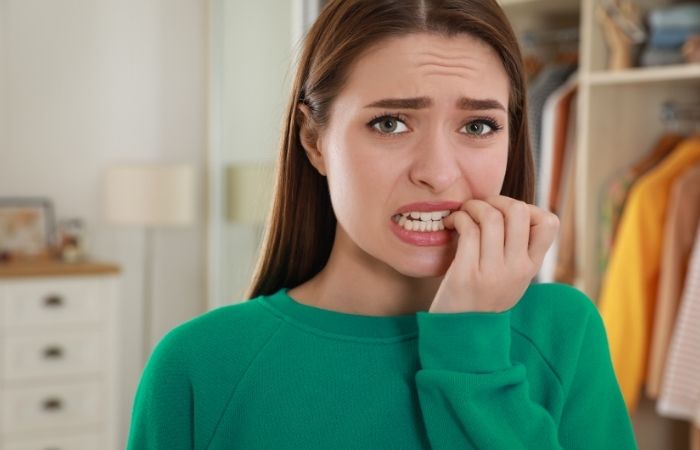

Quick Answer: Yes. Chronic stress and depression can raise your STD risk by weakening your immune system and shaping your sexual behavior. Taking care of your mind is part of protecting your sexual health.
The Mind-Body Connection That’s Not Just in Your Head
Your brain and immune system talk to each other all day long. But when you’re in a constant state of stress, or stuck in a fog of depression, that communication changes. Your body pumps out cortisol, the stress hormone. In short bursts, cortisol helps. But over time, it wears your body down, blunting your immune response when you need it most.
So when you’re exposed to something like HPV, gonorrhea, or herpes, your system might not jump into action fast enough. Add in the fact that depression also increases inflammation and alters your body’s chemical balance, and your defenses take another hit.
This isn’t about “staying positive.” It’s about recognizing that your mental state has biological consequences. The more your brain struggles, the more your immune system lags, and that’s exactly when infections can sneak in.
People are also reading: The Syphilis Surge No One Saw Coming
Why Mental Health Shapes Sexual Choices, Even When You Know Better
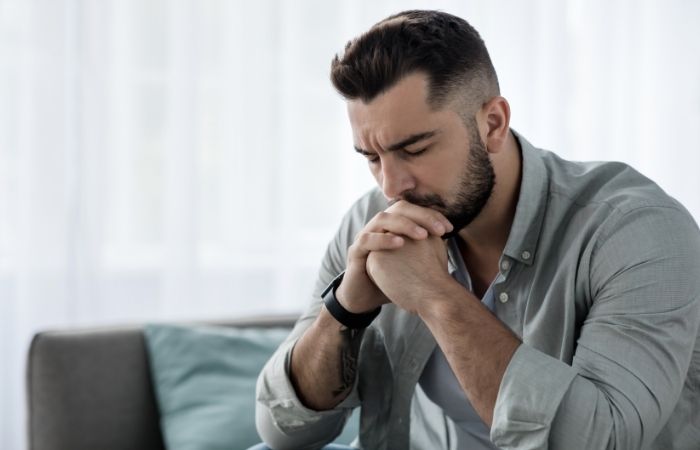
When your mental health is underwater, you don’t just feel bad, you make different choices. Not because you don’t care, but because your capacity is shot. That includes choices about sex and safety.
- Skipping condoms because you're too exhausted to negotiate
- Avoiding STD testing out of fear or shame
- Using sex to self-soothe or feel wanted, without protection
- Mixing sex with substances that drop your guard
These aren’t “bad decisions.” They’re trauma responses. They’re the ripple effects of survival mode. Research shows that people with higher stress or depressive symptoms are more likely to have unprotected sex and less likely to get tested regularly.
Supporting your mental health isn’t just about feeling better. It’s about breaking the pattern that leaves you vulnerable in the first place.
When Coping Turns Risky (And You Don’t Even Realize It)
Not all risk comes from impulse. Sometimes it comes from trying to feel okay, for an hour, a night, or a weekend. When you’re under chronic stress or deep in depression, sex can become a kind of self-medication. A way to feel wanted, escape the noise, or just quiet your thoughts for a while.
None of that makes you reckless. It makes you human. But when those coping patterns aren’t paired with protection or awareness, they can increase your vulnerability to sexually transmitted infections.
- Skipping condoms because it feels more emotionally connected without one
- Having sex with multiple partners without asking about testing or protection history
- Using alcohol or weed during hookups, which blunts memory and decision-making
- Not following up on STD results, or not testing at all, because it feels too overwhelming
If you’ve seen yourself in any of those behaviors, you’re not alone. The connection between mental health and sexual risk isn’t just well-documented, it’s common. And the more stressed or disconnected you feel, the easier it is to put testing, condoms, or boundaries on the back burner.
The Hidden Biology of Cortisol and STD Risk
Cortisol gets a bad rap, but it’s not all bad. It’s your body’s built-in alarm system. The problem starts when that alarm won’t shut off. Chronic stress keeps your cortisol levels stuck in overdrive, and when that happens, your sexual health can take a hit in ways you wouldn’t expect.
Here’s what elevated cortisol does:
- Suppresses white blood cell activity (your first line of immune defense)
- Disrupts sex hormones like estrogen and testosterone, which regulate reproductive health
- Thins mucosal membranes in your genitals, mouth, and rectum, making them more prone to microtears and infection
Those mucosal linings? They’re your physical barrier. They block pathogens from entering during sex. But when you’re run down, stressed, and your body’s in fight-or-flight mode 24/7, those tissues get fragile. They lose some of their natural protection, and that makes it easier for viruses and bacteria to get in, even during protected sex if condoms aren’t used consistently or correctly.
So no, stress isn’t just a mental weight, it’s a physical opening. It creates cracks in your system. And the more aware you are of that link, the more power you have to protect yourself.
Check Your STD Status in Minutes
Test at Home with Remedium7-in-1 STD Test Kit
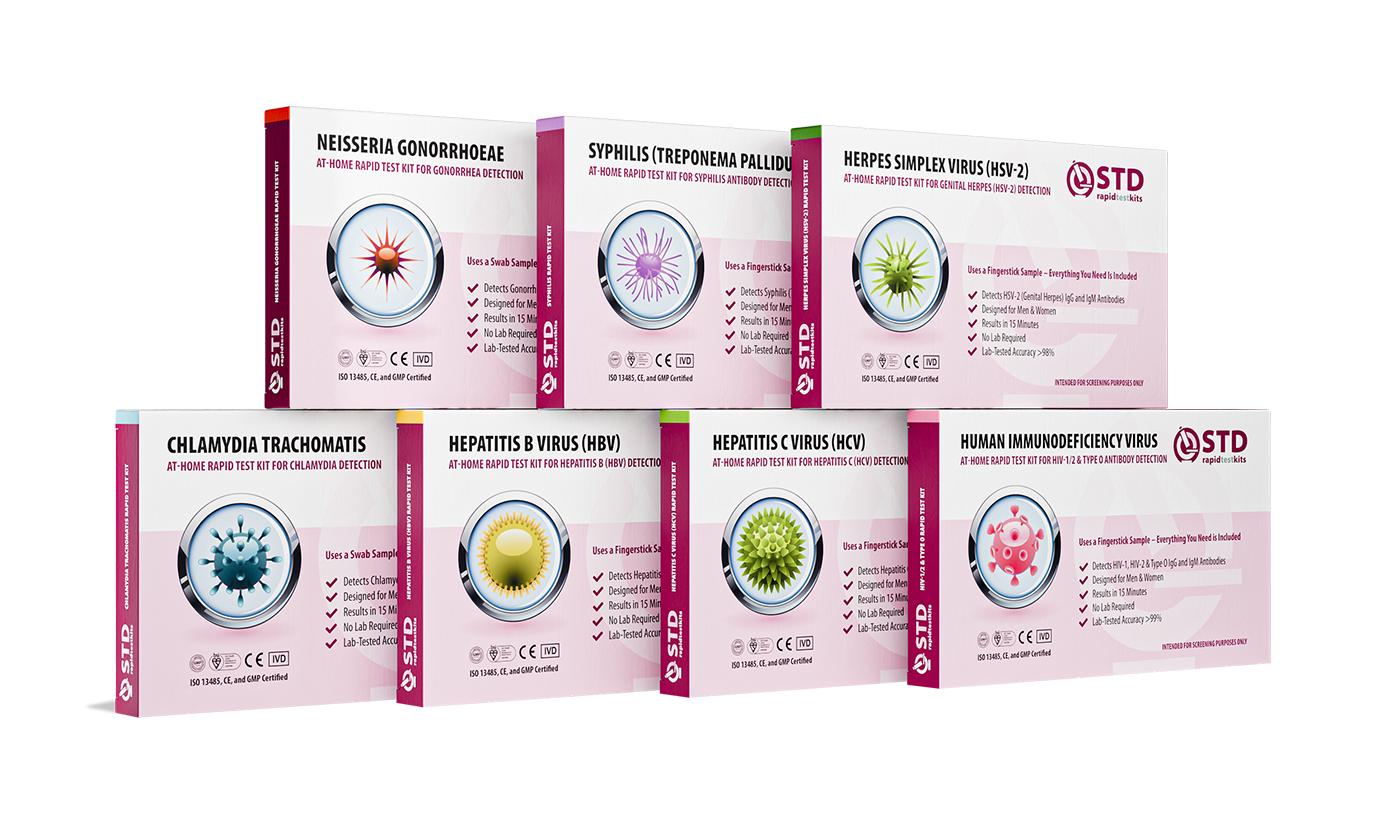
 For Men & Women
 Results in Minutes
 No Lab Needed
 Private & Discreet
Order Now $129.00 $343.00
For all 7 tests
Self-Care ≠ Indulgence. It’s Prevention.
Let’s ditch the fluff: self-care isn’t face masks and spa days. It’s knowing when you’re slipping, and having a plan. It’s building habits that strengthen your body’s defenses, physically, mentally, and emotionally. Especially when you’re sexually active.
Because here’s the bottom line: your STD risk isn’t just about who you sleep with. It’s also about how well your immune system is functioning and how grounded you feel in your choices. If stress or depression are disrupting that, then self-care becomes a real-world STD prevention tool.
That can look like:
- Therapy or support groups for emotional regulation
- Consistent sleep and nutrition to support immunity
- Scheduling regular STD check-ins alongside mental health check-ins
- Keeping an at-home test kit ready so testing doesn’t feel like a chore
When you start viewing your mental health care as sexual health care, everything changes. The shame fades. The urgency becomes clear. And protection stops being just about condoms, it becomes a whole-body approach.
When Mental Health Is STD Prevention
Here’s something you don’t hear often enough: therapy is a form of STI protection. So is antidepressant medication, journaling, EMDR, mindfulness, group support, anything that helps bring your nervous system back into balance. When your brain is calmer, your body gets stronger. Your boundaries get sharper. Your decision-making returns.
Studies show that people actively managing their mental health are more likely to:
- Use condoms consistently
- Get tested for STDs every 3–6 months
- Talk openly with partners about status and safety
This isn’t about perfection. It’s about stacking the odds in your favor. If your headspace is healthier, your habits follow. And that’s not just theory, it’s real life.
Case Study: “I Knew Better. I Just Didn’t Care That Night.”
“After my breakup, I just… spiraled. I wasn’t sleeping, I wasn’t eating. I went out one night, hooked up with someone, and didn’t even ask if they were clean. I didn’t care in that moment. I just needed to feel wanted.”
Alex, 28, found out he had chlamydia two months later. It wasn’t the sex that shocked him, it was how unbothered he had been in the moment. That’s what untreated stress does: it makes protection feel optional, even when you know better.
For Alex, treatment was simple. But the wake-up call wasn’t about the meds, it was about realizing how much mental health shapes sexual health. “I wish I had seen a therapist sooner,” he said. “Not just for me, but for the people I sleep with.”

People are also reading: Everyday Ways STDs Spread (That You Never Learned in Sex Ed)
Case Study: “I Didn’t Think I Was At Risk. I Was Monogamous.”
Maya, 22, had been in a relationship for over a year and hadn’t been tested in that time. But she’d also been battling depression and avoiding medical appointments altogether. “Just booking anything felt impossible. It was like I didn’t deserve care.”
When her partner tested positive for chlamydia after a routine screen, she was stunned. Her untreated infection could have led to long-term fertility damage. “I thought monogamy protected me,” she said. “But I forgot that my depression had me avoiding care, even when I needed it most.”
Her story highlights another truth: risk isn’t always about multiple partners. It’s about access, communication, and follow-through.
Let’s Kill the Myth of the “Irresponsible” Person
One of the most dangerous ideas in sexual health is that only “irresponsible” or “promiscuous” people get STDs. That idea is flat-out wrong, and harmful.
Anyone can be vulnerable if their mental health isn’t being supported. Stress, anxiety, depression, they don’t discriminate. They affect people in marriages, queer relationships, hookup culture, long-term partnerships, and celibate stretches. It’s not about your “body count.” It’s about whether your brain is in a place to protect you, and whether your healthcare system gives you the tools to act when it’s not.
There’s no shame in needing help. The shame comes from silence. And that silence ends when we talk about the connection between mental health and STD risk honestly, without judgment.
What You Can Do (Even When You’re Struggling)
You don’t need to have it all together to protect yourself. You just need a plan. Mental and sexual health aren’t about perfection, they’re about consistency. Here are simple, real-life steps you can take:
- Schedule both kinds of check-ins: Treat your mental health appointments and your STD testing with the same priority. Your body needs both.
- Use barriers consistently: Even during oral sex, even with regular partners, even when it feels “safe.” Protection is never overkill.
- Pay attention to emotional triggers: Know when you’re more likely to skip protection or testing, and build backup plans for those moments.
- Keep an at-home test on hand: Like the Combo 3-in-1 STD Rapid Test Kit. It removes the energy barrier of scheduling a clinic visit.
Taking care of your mind helps take care of your body, and your future.
Check Your STD Status in Minutes
Test at Home with Remedium3-in-1 STD Test Kit
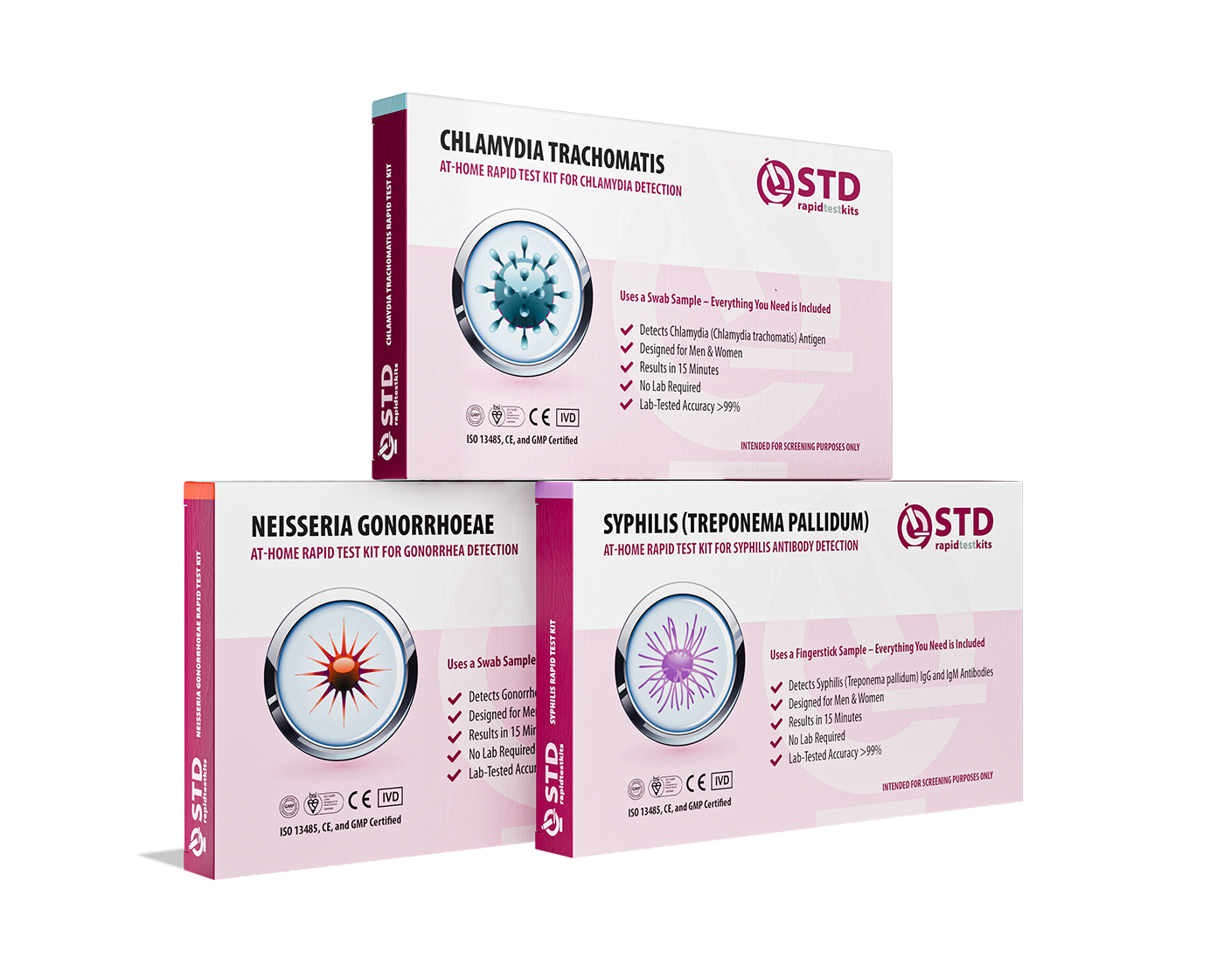 For Men & WomenResults in MinutesNo Lab NeededPrivate & Discreet
Order Now $69.00 $147.00
For all 3 tests
Stress and Sleep: The Vulnerability No One Talks About
If stress is stealing your sleep, your body’s defenses are taking a hit. Even just a few nights of poor sleep can suppress the immune system and raise your risk of infection. One study showed that people who sleep less than six hours a night are four times more likely to catch a virus, even when exposed the same way as well-rested peers.
The same biology applies to sexually transmitted infections. Your body does most of its healing, hormone regulation, and immune boosting while you sleep. So if your nights are short or disrupted, your resistance to STDs goes down, sometimes without you even realizing it.
Substance Use and Sexual Decision-Making
For a lot of people, alcohol or recreational drugs are part of how they cope with stress or disconnect from depression. That doesn’t make you bad, it makes you human. But it can also make safer sex harder to navigate.
Alcohol lowers inhibition, impairs judgment, and increases the likelihood of forgetting protection, skipping status conversations, or engaging in sex you wouldn’t choose while sober. Substances like weed, MDMA, and cocaine can also affect your memory, coordination, and awareness, leaving gaps in what happened, and how protected you really were.
If you use substances regularly, pair that reality with routine testing. Keep barriers and home kits in your space, not just for convenience, but for care.
Why People Delay Treatment (And How to Work Around It)
Even when people notice symptoms, like a sore, discharge, or burning, they often delay care. When you’re already depressed or overwhelmed, making a doctor’s appointment can feel like climbing a mountain. Some people avoid testing because they’re afraid of the results. Others because they don’t feel “sick enough.”
This delay can be costly. Some STDs, like chlamydia or gonorrhea, can quietly cause fertility damage. Others, like herpes or syphilis, can lead to outbreaks or complications if untreated. That’s where discreet, at-home tests become critical: no appointments, no judgment, just fast answers.
Think of it this way, STD testing isn’t something you do because you “messed up.” It’s something you do because you care.

People are also reading: How STD Shame Hurts Your Health More Than the Infection Does
FAQs
1. Can stress really weaken my immune system?
Yes. Long-term stress increases cortisol and suppresses immune activity, making infections more likely to take hold.
2. Does depression raise the risk of sexually transmitted diseases?
Yes, it can. Depression can weaken your immune system and make it more difficult to stick to preventative measures like getting tested or using condoms.
3. Can anxiety also have an impact on your physical well-being?
Of course. Anxiety can affect your immune system, sleep patterns, and ability to make decisions. It also sets off the same stress hormone reactions.
4. What if I'm with just one person?
Being monogamous does not completely eliminate the risk of sexually transmitted diseases, particularly if you have not recently tested together or are unaware of any prior exposures.
5. Which STDs are most impacted by immune suppression?
Herpes, HPV, syphilis, gonorrhea, chlamydia, and HIV all become harder to fight off when your immune system is down.
6. Is therapy really a form of STD prevention?
Yes. Better mental health leads to better choices and a stronger body, both of which reduce STD risk.
7. How often should I test?
If you’re sexually active, especially with new or multiple partners, test every 3–6 months, even if you feel fine.
8. Do sleep and diet really matter?
They do. Nutrition and rest directly support immunity, which is an important part of infection prevention.
9. If I don't want to go to a clinic, where can I get tested?
One of the precise and discrete home kits available for online ordering is the Combo STD Rapid Test Kit.
10. Is this really about sex, or about health?
Both. Sexual health is part of overall health. And mental well-being is a core part of staying safe, informed, and empowered.
Safeguarding Your Mind Is Safeguarding Your Body
This is a biological fact, not just a wellness cliche. Your sexual preferences, immune system, and recovery time from infection are all directly impacted by your mental health. Therefore, it's not just a good idea to combine regular STD testing with mental health care. It serves as protection. It's a preventative measure. It's also a personal matter.
Whether you're navigating stress, burnout, heartbreak, anxiety, or depression, you deserve tools that don’t shame you. Start with clarity. This discreet, at-home test gives you fast, private answers, so you don’t have to wait or wonder.
You’re not careless. You’re carrying a lot. And taking care of your mental health is one of the strongest sexual health choices you can make.
Sources
1. Glaser R, Kiecolt-Glaser JK. Stress-induced immune dysfunction
2. World Health Organization – Sexually Transmitted Infections Fact Sheet
3. Depression and Immune Function – NIH Review
4. Chronic stress, immune suppression, and infectious disease risk
5. Mental health and sexual risk behavior: a systematic review


