







Quick Answer: STD shame can delay treatment, deepen mental health struggles, and isolate people from care. It’s not just emotional, shame has measurable health effects, including increased risk of depression, avoidance of testing, and lower quality of life after diagnosis.
When the Test Says “Positive” and Your Brain Says “Punishment”
If you’ve recently been diagnosed with an STD, you probably don’t remember much about the moment itself. Just the heat in your ears. The rush of adrenaline. The instant flicker of thoughts like: “Who will want me now?” or “This is what I get.” Maybe you’re still in that loop, staring at a search bar, hoping to find something that explains why your skin is still crawling even though your symptoms are under control.
Here’s what no one tells you when they hand you the test result: the infection might be temporary, but the shame can linger like smoke in your chest. And that shame? It’s not just a feeling. It’s a health risk.
Studies have shown that people who internalize stigma after an STD diagnosis are more likely to experience depression, sexual dysfunction, relationship breakdowns, and delays in seeking follow-up care. According to the National Institutes of Health, shame around STIs can also reduce the likelihood of disclosing status to partners, fueling further spread and isolation.
This isn’t about “mental strength.” It’s about survival. About systems that make you feel like an outcast for having the same thing millions of others carry quietly. About trying to have sex again when your brain now registers pleasure as danger.

People are also reading: Syphilis: Symptoms and Stages Explained
The Herpes Didn't Break Me, The Shame Did
Maya’s story isn’t rare. She was the third person in her friend group to be diagnosed with herpes, but no one had talked about it. Not until she finally cracked, messaging a close friend, “I got herpes. Please don’t think less of me.” The reply came back fast:
“Girl, same. I’ve had it for four years. You’ll be okay.”
And yet, even after that moment of connection, the shame didn’t just disappear. That’s the part people don’t get. Her physical symptoms cleared up in a week. But she still found herself avoiding mirrors. Still flinching during sex. Still catastrophizing every twinge of discomfort as a relapse, a punishment, a sign she didn’t deserve softness again.
According to clinical research on HSV and mental health, individuals with recurrent genital herpes report significantly higher rates of anxiety and depressive symptoms, especially in the first year post-diagnosis. And the more a person believes they’ve “ruined” themselves, the worse the outcomes tend to be.
This isn’t weakness. This is conditioning. We’re told that sex is dangerous, that getting “something” means you were reckless, dirty, irresponsible. We don’t say the same about the flu, about mono, about strep throat. But slap the word “herpes” on it? And suddenly the disease becomes a referendum on your morality.
Why We Suffer in Silence (And Stay Sicker Because of It)
Shame is isolating. And isolation is lethal. One of the most common downstream effects of STD-related stigma is withdrawal. From relationships. From intimacy. From healthcare. From yourself.
HIV-positive individuals, especially in high-stigma communities, often avoid treatment or delay it for months due to fear of judgment, even when their lives depend on it. According to a JAMA study, HIV-related stigma is still a primary barrier to adherence and care engagement across the globe.
Even less life-threatening STDs like chlamydia or gonorrhea can cause emotional spirals, especially among younger adults. A peer-reviewed study found that fear of stigma is a major reason why young women delay STD testing, even when they suspect something’s wrong. Not the pain. Not the symptoms. Just the fear of someone knowing they’ve had sex.
This silence compounds risk. When people don’t test, they don’t treat. When they don’t treat, infections spread. And when they believe their infection means they are unworthy of support, they don’t seek it. Shame doesn’t protect people. It infects them too.
Check Your STD Status in Minutes
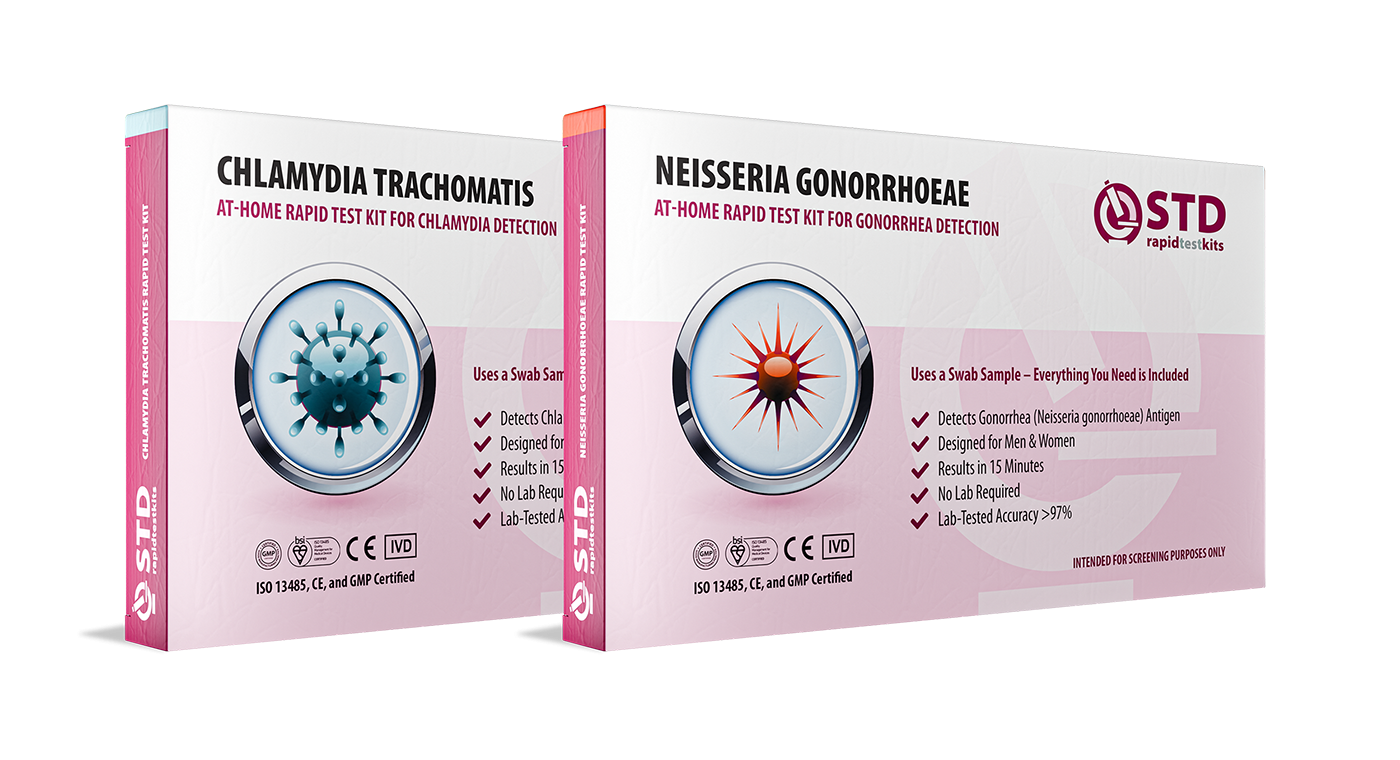
Test at Home with RemediumChlamydia & Gonorrhea Test
 For Men & Women
 Results in Minutes
 No Lab Needed
 Private & Discreet
Order Now $49.00 $98.00
For all 2 tests
When Shame Becomes a Symptom Too
You can feel it even if your body’s “fine.” The flush in your face when you imagine telling a partner. The way your shoulders hunch when someone jokes about “being clean.” That pit-of-your-stomach dread when you check a sore, again, even though you know it’s healed. Shame doesn’t just live in your mind. It leaves fingerprints on your nervous system.
After an STD diagnosis, many people report not only emotional distress but actual physical symptoms of stress, headaches, digestive issues, chest tightness, insomnia. That’s not a coincidence. The link between shame and physical dysregulation is well-documented. Your brain interprets rejection, or the threat of it, as danger. That triggers cortisol, adrenaline, and inflammatory pathways. It’s not “in your head.” It’s in your body. And it’s valid.
Post-diagnosis anxiety often mimics STD symptoms, too. A twinge becomes a burning sensation. A zit becomes a sore. Your skin feels foreign. You Google “STD symptoms that come and go,” not realizing what you’re feeling is grief, not infection. Maya kept checking herself obsessively in the mirror, first looking for new outbreaks, then for signs of decay she couldn’t describe. “I just didn’t feel like me anymore,” she told her therapist. “Like my body wasn’t mine.”
That kind of disassociation, disconnecting from the body, is common in post-STI shame spirals. It makes it harder to trust pleasure. Harder to engage in care. And harder to speak up when something really is wrong, because the line between anxiety and awareness gets blurry fast.
“I Thought I Deserved This”
Maybe you’ve had this thought, too. “This is my fault.” “This is what I get.” That internalized punishment script is one of the most painful legacies of how we teach people about sex: through fear, through morality, through silence. When people feel shame about how they got sick, they’re less likely to ask for help. That’s not just sad. It’s dangerous.
Planned Parenthood calls it “shame-based health avoidance”, a term describing what happens when someone believes they are unworthy of care because they’ve contracted an STI. And once that belief takes root, it spreads faster than any virus. Maya skipped two follow-up appointments because she felt “too embarrassed” to face the nurse again. She stopped dating. Stopped masturbating. Started doubting whether she could ever want, or be wanted, again. The herpes didn’t hurt as much as the echo chamber did.
The worst part? She wasn’t alone. Most people just don’t say it out loud.

People are also reading: The Evolution of STD Testing: How Rapid Testing Leads the Way
This Isn’t About Weakness. It’s About What We Were Taught.
The language we use around STDs is brutal. We say people are “clean” or “dirty,” like their bodies are laundry. We joke about “catching something” like it’s a punchline, not a person. And for many queer folks, people of color, and those raised in purity culture or conservative households, the shame doesn’t start with the test result, it starts with the very idea of wanting sex at all.
Sex-positive education could change this. So could providers who speak with compassion instead of clinical distance. But the reality is, most people won’t get that level of care. Most will get a result, maybe a prescription, and zero space to feel or grieve or unpack the existential whiplash of it all. You get the facts, but not the humanity. And that absence can fester.
Stigma is trauma. Not always in the screaming, cinematic way, but in the slow, corrosive way. The way it rewires your beliefs about what you deserve. And it’s everywhere: in dating apps where people write “UB2” to screen out anyone with herpes. In the silence from friends who don’t know what to say. In the memory of a sex-ed class where STDs were just slide after slide of worst-case genital photos and fear.
But here’s the thing: trauma can be rewritten. Not erased. But rewritten, with new language, new care, new stories. And it starts with telling the truth.
Let’s Rewrite the Script Together
There’s no right way to process an STD diagnosis. Some people go numb. Others rage. Some dissociate. Some dive into forums and Reddit threads like they’re looking for proof they’re still lovable. And all of it makes sense. Your whole body, your whole sense of identity, has been asked to adapt overnight. You’re not weak. You’re in transition.
For Maya, healing didn’t start with treatment. It started with someone saying: “I have it too.” A message from a stranger in a herpes support group cracked something open. Not just solidarity, but proof that life could go on. That people were still dating. Still touching. Still having hot, joyful, honest sex. With cold sores. With outbreaks. With antivirals in their nightstands and lube in their bags.
That’s what shame doesn’t want you to know: that people live full, beautiful, boundary-honoring lives after diagnosis. They just don’t always talk about it publicly. Because silence, too, is contagious.
But the antidote isn’t forced positivity. It’s truth. Your feelings, fear, grief, rage, numbness, they all belong. You don’t have to fake peace to get better. In fact, the more space you give those messy feelings, the less power they have to bury you. One day, they’ll soften. And you’ll find your language again. You’ll touch someone again. You’ll trust your body again. Maybe even sooner than you think.
Check Your STD Status in Minutes
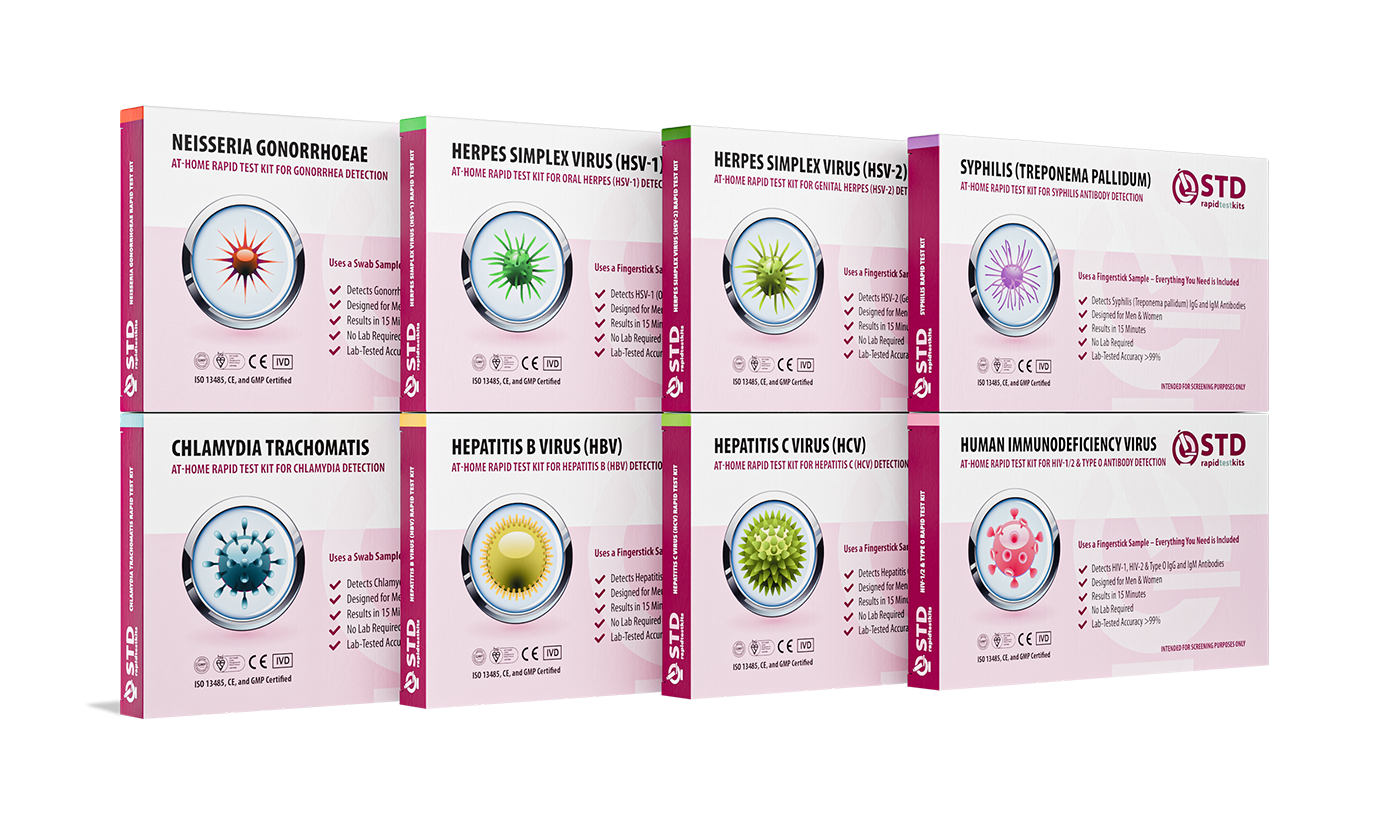
Test at Home with Remedium8-in-1 STD Test Kit
 For Men & WomenResults in MinutesNo Lab NeededPrivate & Discreet
Order Now $149.00 $392.00
For all 8 tests
What Healing Looks Like (Hint: It’s Not Linear)
Healing doesn’t look like waking up one day and forgetting it ever happened. It looks like deciding to test again, without shame. It looks like telling someone new, and realizing they don’t run. It looks like blocking someone who shames you, and letting that be closure enough.
Sometimes, healing is a playlist. Sometimes it’s therapy. Sometimes it’s reading someone else’s story and realizing, “Wait, I’m not the only one who thought my life was over.” A 2024 essay by a writer diagnosed with HSV-2 went viral for a reason: people are desperate to hear someone say the thing out loud.
“I thought I was broken. I’m not. I thought I’d never have sex again. I did. I thought I’d never trust someone again. I learned how.”
This is how we treat shame: by seeing it, naming it, and refusing to carry it alone. Not everyone has access to a therapist or a sex-positive doctor. But there are still things you can do. You can stop saying “clean.” You can stop apologizing for being human. You can join a private group, like PositiveSingles, or browse HerpesLife threads. Or maybe you just start with a mirror and the hardest sentence of all: “I still deserve love.”
Because you do.
STD Shame Wants You to Stay Silent, Testing Sets You Free
Shame tells you to hide. But hiding doesn’t protect you. Testing does. And testing isn’t just for the anxious or symptomatic. It’s for the prepared. The caring. The people who love their bodies enough to check in. Getting tested is an act of self-respect. Of future-proofing. Of truth-telling.
You can test at home, no awkward clinic chairs, no judgmental checklists, no waiting weeks for results. A discreet kit like the Combo STD Home Test Kit lets you know what’s really going on. And whatever the result? You’re still you. Brave. Beautiful. Deserving.
This isn’t about punishment. It’s about permission. To feel. To check. To move forward, with whatever truth your body holds.

People are also reading: The Basics of At Home Herpes Test Kits
Your Body Isn’t a Mistake
Maybe the most dangerous thing about STD shame isn’t what it does to your dating life, or your confidence, or even your health. Maybe it’s how it makes you rewrite your whole story, turning every past choice into a red flag, every kiss into evidence, every touch into regret.
But you are not a mistake. Your desire isn’t wrong. Your pleasure isn’t reckless. Your body, just as it is, carrying whatever history it holds, is still yours to love. Still yours to protect. Still worthy of tenderness, joy, and safety.
Healing from shame isn’t just about moving on. It’s about moving differently. Saying “no” when a joke crosses a line. Saying “yes” when your body says it’s ready. Speaking your truth, even if it shakes.
STD stigma thrives in silence. It grows in sex ed classrooms where abstinence is the only answer. In clinics where providers talk around you. In families where sex is a shameful subject. But shame can’t survive sunlight. And the moment you tell someone, even just yourself, that you’re not dirty, you’re not broken, and you’re not alone, something shifts.
That’s the beginning of real prevention. Not just pills or condoms or vaccines. But the kind of education that says: you can’t scare someone into self-worth. You have to show them it’s already there.
If you’ve read this far, maybe you’re still carrying something. A diagnosis. A secret. A memory. A fear. Let this be your permission to put some of that down. And if you need answers, actual answers, not shame, take a deep breath, and take that step.
STD Rapid Test Kits offers discreet, lab-accurate home testing, because peace of mind shouldn’t come with side-eyes or lectures. Check in with your body. Not because you’re broken. Because you deserve to know.
FAQs
1. Why do I feel so bad about myself after getting an STD?
Because everything around you, like school, the news, and even dating apps, tells you that STDs are proof that you are "dirty" or careless. That shame isn't yours. It's how society trains us. Having herpes or chlamydia doesn't make you less valuable. It just means you're a person who has sex, like millions of other people.
2. Can chlamydia or herpes really hurt your mental health?
Yes, and it happens more often than you might think. After testing positive, people have said they feel depressed, anxious, have panic attacks, and even feel like they are not themselves. It's not just the infection; it's the shame, the fear of being judged, and the silence. One study found that people with HSV-2 are much more likely to be anxious and think about killing themselves in the first year after being diagnosed.
3. I tested positive, and now I feel like I'm broken. Is that okay?
It's heartbreakingly normal, but it's not true. So many people hate themselves after getting a diagnosis because no one ever taught us how to talk about these things carefully. You are not broken. You're getting used to a new way of life. And that takes time, not being perfect.
4. I don't have an STD anymore, but I still feel bad. Why?
Shame lasts longer than symptoms. You can still feel the emotional effects of chlamydia or an HSV outbreak even after they are gone. It's not your fault. That's trauma. And antibiotics don't make trauma go away.
5. I want to kill myself after finding out I have herpes. What should I do?
First, take a deep breath. You're not the only one. And this feeling doesn't mean you're weak; it means this moment is heavy and your brain is trying to deal with shock and grief. Get in touch. Send a friend a text. Get in touch with a crisis line. You deserve help, not silence. Herpes won't decide what happens to you in the future. A lot of people live full and happy lives with it, even if it doesn't seem possible yet.
6. Is it possible to have a mental breakdown after getting an STD test?
Yes, especially if you already have problems with anxiety, body image, or trauma from the past. For some people, the diagnosis is like a trigger that brings back old wounds or shakes their sense of who they are. You could cry for a long time. You might not feel anything. You might stop eating or check your genitals all the time. These are ways to stay alive. You're not going crazy. You're feeling pain. And there is a way to get through it.
7. How do I tell someone I have herpes without breaking down?
It can be scary to tell someone, but it doesn't have to be the end of the world. "Before we go any further, I want to talk about my sexual health." I have the herpes virus. It's under control, and I'm happy to answer any questions. Practice it. Say it to yourself or a friend. Shame has less power over you the more you practice. And the right person won't see it as a dealbreaker; they'll see it as a sign of honesty.
8. Why does everyone act like getting an STD will ruin their lives?
Because stigma sells. It makes people scared, obedient, and quiet. But the truth is that STDs are very common, treatable, and easy to deal with. The diagnosis isn't the problem; it's the shame that makes people hide, put off getting tested, or suffer in silence. STD shame hurts more people than any disease ever could.
9. Is it okay to test myself again even if I don't feel sick?
It's not just okay; it's smart. Most STDs, like HIV, gonorrhea, and chlamydia, can live in your body without causing any symptoms. The 6-in-1 STD kit is one of many at-home kits With the At-Home Rapid Test Kit, you can take charge without going to a clinic or being judged. You don't need to have a symptom to get care. You only need to be curious and brave.
10. Will I ever feel normal again after being told I have an STD?
Yes. But "normal" might look different now, and that's okay. You might start talking more. More picky. More truthful. That's growth, not loss. People get better after this. More powerful. More gentle. More daring. You will too. It's not the end of your tale. It's just a new chapter, and it still has love, sex, trust, and happiness.
Check Your STD Status in Minutes
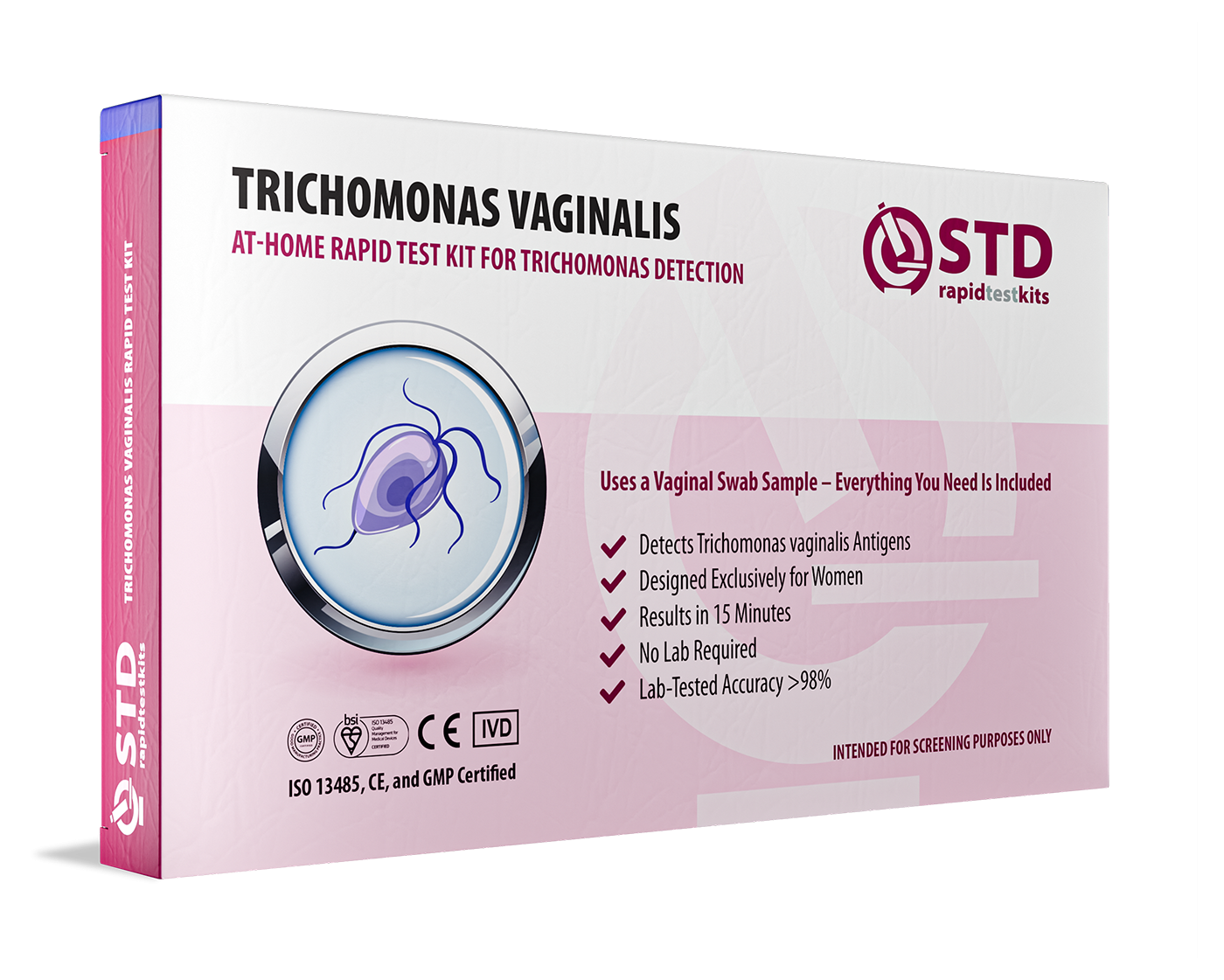
Test at Home with RemediumTrichomoniasis Test Kit
 For WomenResults in MinutesNo Lab NeededPrivate & Discreet
Order Now $33.99 $49.00
It Was Never Just About the Infection
If you’ve been holding your breath since the test, here’s your reminder: your diagnosis doesn’t erase your value. It doesn’t cancel your sex life. It doesn’t disqualify you from love. Shame is loud, but truth is louder when you let yourself hear it. And the truth is: your body is not a warning sign. It’s a home. Test from home, talk about it, ask for help, say the hard words. And know that what you’re feeling? Millions have felt it too. You’re not alone. You’re not broken. You’re beginning again.
Sources
1. Sales et al. (2007) – STD-Related Shame & Stigma Impede Adolescent Testing
2. Cunningham (2009) – Perceived STD Stigma Lowers Testing Odds
3. STI-Related Stigma & Shame Undermine Testing & Partner Notification (2014)
4. Talley (2020) – Stigma Creates Barriers to Sexual Health Services
5. Johns Hopkins – How Neutral Language Reduces Shame & Boosts Care-Seeking
6. Allure – Having an STI Doesn’t Make You Dirty (And Shame Hurts Your Mental Health)


