





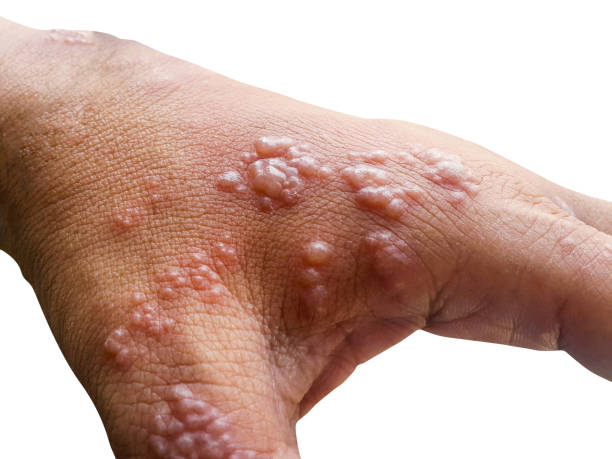

Quick Answer: Dating with herpes is possible, fulfilling, and safe when you communicate openly, practice protection, and choose partners who respect your boundaries. Many people continue to have happy, intimate relationships post-diagnosis.
The First Time I Said “I Have Herpes” Out Loud
It was two weeks after my diagnosis. My hands were shaking so badly I kept wiping them on my jeans, as if drier palms would make the words easier to say. We were sitting in his car after a movie, and I could feel the weight of the secret pressing against my chest. I rehearsed the sentence in my head: “I have herpes.” It felt like holding a live grenade, unsure whether it would blow up my chance at connection.
“I just… need to tell you something before this goes any further.” My voice cracked. He turned toward me, brows knit, and I finally said it. The world didn’t end. He didn’t even move away. He just nodded and asked, “Okay, what does that mean for us?”
That moment was the first time I realized disclosure isn’t a confession of guilt, it’s an invitation for someone to understand you. Some will say no. But some will surprise you, and stay.
People are also reading: What Men Need to Know About HPV, And Why Most Never Get Tested
Learning to Date Without Apologizing for Existing
At first, I dated like I was on trial. I over-explained, apologized for my body, and preemptively shut down intimacy to “protect” people from me. But herpes doesn’t make you unworthy, it makes you human, with a few extra talking points. Once I stopped approaching dating like a guilty plea and started approaching it like a mutual interview, everything changed. I began setting boundaries instead of begging for acceptance, and the people who couldn’t handle that? They just weren’t my people.
How to Have “The Talk” Without Losing Yourself
Disclosing your Herpes status doesn’t have to be a cold, clinical speech or a dramatic confession. The best disclosures I’ve had, and heard from others, were conversations, not announcements. They happened in a space where both people felt safe and respected. Timing matters, but so does tone. You’re not delivering bad news; you’re sharing important information that allows someone to make informed choices. That’s the essence of consent.
Experts at Planned Parenthood recommend choosing a private, calm setting, using straightforward language, and being prepared to answer questions without going on the defensive. This isn’t about convincing someone to stay, it’s about being honest so that trust can grow if they do.
“I decided to treat disclosure like a filter,” says one woman from a herpes support group. “The right people will lean in. The wrong ones will save me the heartbreak of finding out later.”
Building Trust Before the First Kiss
When you have herpes, the first kiss after disclosure can feel like a test. Will they pull back? Will it change the way they see you? For me, it wasn’t just about whether he wanted to kiss me, it was about whether I could let myself be wanted again. We took our time. There were conversations about boundaries, about what I was comfortable with during an outbreak, and about protection even for non-penetrative intimacy.
This kind of trust-building doesn’t have to kill the mood. In fact, many partners have told me it made intimacy feel safer and more connected. Knowing that we could talk about herpes openly meant we could talk about anything openly, and that’s the kind of intimacy that lasts.
Check Your STD Status in Minutes
Test at Home with RemediumGenital & Oral Herpes Test Kit
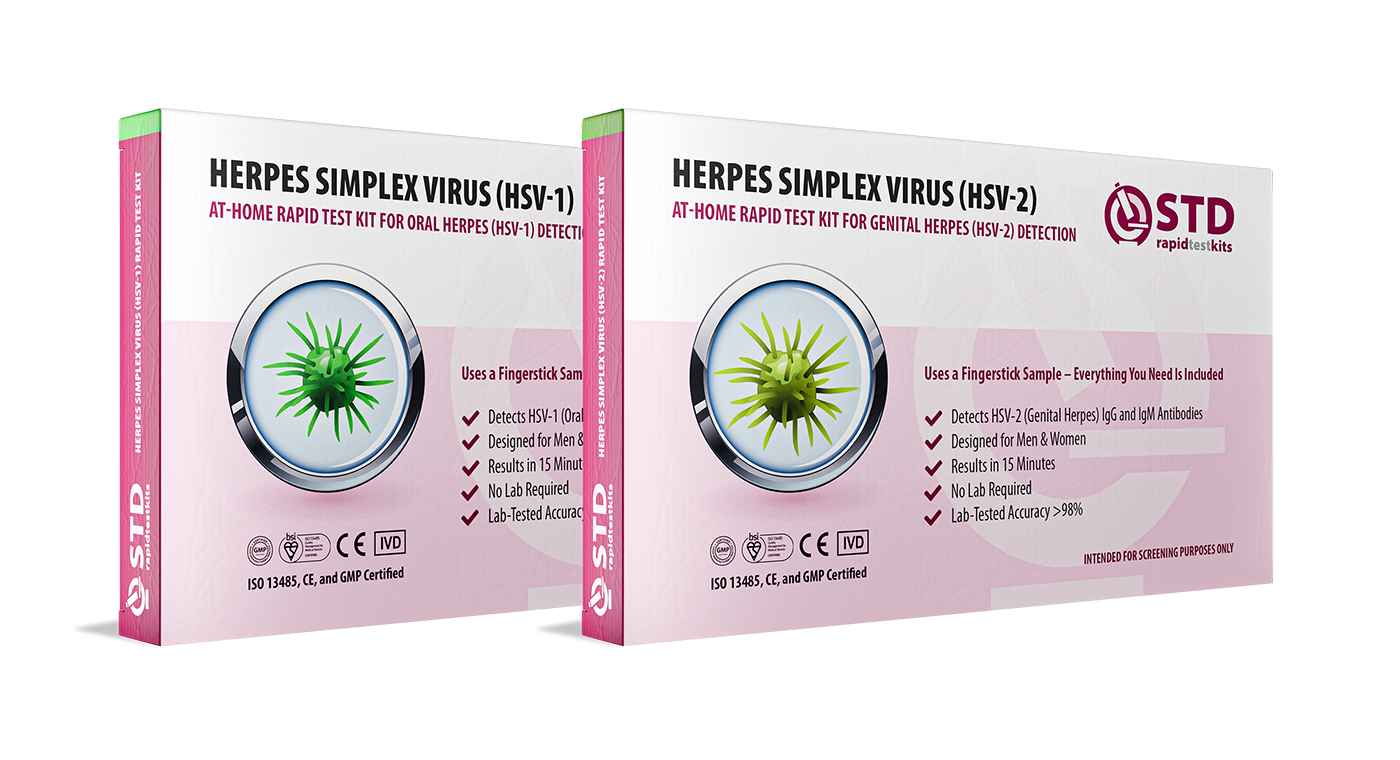
 For Men & Women
 Results in Minutes
 No Lab Needed
 Private & Discreet
Order Now $75.00 $98.00
For all 2 tests
Safe, Sexy, and Still Spontaneous
Having herpes doesn’t mean every intimate moment has to be choreographed. Yes, there are practical steps, using condoms or dental dams, avoiding contact during outbreaks, and considering daily antiviral medication to reduce transmission risk. But with a little communication, these steps become part of the flow, not a mood-killer.
In fact, planning ahead can make things more playful. One partner and I turned it into a kind of foreplay, checking in with each other, sharing what felt good, and being creative about intimacy beyond intercourse. Herpes didn’t take spontaneity from us, it just changed how we defined it.
You can use an at-home combo STD test kit for a discreet, trustworthy check-up if you're not sure of your current status or want to be sure before dating again. Knowledge is more than just power; it's the ability to love without self-doubt.
Rewriting the Story You Tell Yourself
Before my diagnosis, I never questioned whether I was desirable. Afterward, every glance in the mirror felt like a referendum on my worth. It took months to realize that the real wound herpes had left me with wasn’t physical, it was the story I was telling myself. I had to rewrite that script from “I’m damaged goods” to “I’m a whole person with a condition that millions of others live with too.”
That shift didn’t happen overnight. I read essays from people living with herpes, joined online support groups, and even started following herpes-positive dating accounts on Instagram. Seeing people who looked happy, in love, and completely unashamed made me question why I was holding on to so much self-blame. The more I surrounded myself with those narratives, the easier it became to believe that my diagnosis didn’t define my value.
“You are not your diagnosis. You are not a statistic. You are a person who deserves pleasure, connection, and joy,” a therapist told me during one of my lowest weeks. I wrote it on a sticky note and kept it on my bathroom mirror for months.
When the First Kiss Finally Happens
It wasn’t a movie moment. There were no violins, no fireworks, just the warm press of lips and the quiet shock of realizing I hadn’t been holding my breath. This was months after I’d told him, after many conversations and plenty of laughter. We were sitting on his couch, talking about nothing in particular, when he leaned in and kissed me like it was the most natural thing in the world. And suddenly, it was.
The kiss didn’t erase my diagnosis, but it loosened the grip of fear and shame. It showed me that herpes hadn’t stolen my ability to connect, to feel desired, or to want someone back. If anything, it made the moment sweeter because I knew we’d already faced something hard together and chosen to stay.

People are also reading: Sexual Health After Coming Out: A Toolkit for LGBTQ+ Teens Without Family Support
Why Stigma Feels Heavier Than the Virus
Herpes is a treatable skin disorder. But the stigma can be debilitating. It is based on sensationalist headlines, moral judgment, and decades of false information. People avoid disclosure, put off getting tested, or withdraw into isolation after receiving a diagnosis because of this stigma. However, stigma can be eliminated one open discussion, one sincere account, and one refusal to conceal.
The stigma associated with herpes is being eroded as we normalize discussing it. The WHO estimates that 491 million people under 50 have HSV-2 and approximately 3.7 billion have HSV-1. According to statistics, you are in the majority if you have herpes, so you are by no means alone.
And when you start to see yourself as part of a community rather than an outlier, the idea of dating, kissing, and being wanted again doesn’t just feel possible, it feels inevitable.
Turning Disclosure Into an Empowering Moment
For a long time, I saw disclosure as a loss, like I was giving away my power. But the truth is, telling someone about your Herpes status is one of the most powerful acts of self-respect you can make. You are saying, “This is who I am, and I value honesty in my relationships.” That sets the tone for every interaction that follows.
One man I dated told me that my openness about herpes actually made him feel more comfortable sharing his own insecurities. He said, “If you can be that upfront about something so personal, it makes me want to match your honesty.” That moment made me realize disclosure can be a bridge, not a barrier.
Myth-Busting the “No One Will Want You” Lie
One of the most toxic narratives around herpes is the idea that it automatically makes you undesirable. In reality, many partners don’t see herpes as a dealbreaker. Research published in the journal Sexually Transmitted Infections found that informed partners often rate the emotional connection as more important than the risk of contracting herpes.
My own dating life is proof. I’ve had relationships that were passionate, tender, and long-term after my diagnosis. Herpes was a factor we discussed, but it was never the factor that defined the relationship. The myth only has power if you let it live in your head unchallenged.
Check Your STD Status in Minutes
Test at Home with RemediumOral Herpes Test Kit
 For Men & WomenResults in MinutesNo Lab NeededPrivate & Discreet
Order Now $33.99 $49.00
Testing as an Act of Self-Respect
Getting tested regularly isn’t about paranoia, it’s about agency. When I use an at-home combo STD test kit, I’m not just checking my health status; I’m sending myself a message that I care about my well-being and the well-being of my partners. That confidence is magnetic.
Testing also gives you the facts you need for informed disclosure and for setting boundaries in intimacy. It turns “I think I’m fine” into “I know my status,” and that certainty makes you a better partner.
FAQs
1. If I have herpes, can I still date?
Of course. Herpes affects millions of people who are in relationships. Dating is made possible and rewarding by open communication, safe behaviors, and self-assurance.
2. When should I disclose my herpes to someone?
Ideally, after building enough trust for a meaningful conversation, but before engaging in sexual intimacy. Tone and timing are important.
3. Will my disclosure cause me to be shunned by everyone?
No, a lot of people react with comprehension or interest. Some people might decide not to proceed based more on their comfort level than your worth.
4. Can someone with herpes have unprotected intimacy?
Genital herpes (HSV-2) is usually not spread by kissing, but oral herpes (HSV-1) can if there are sores.
5. Can kissing spread herpes?
Oral herpes (HSV-1) can be transmitted through kissing if there are sores, but genital herpes (HSV-2) is typically not.
6. What if my significant other has herpes?
Transmission is less likely if both partners have the same kind of herpes. But it's crucial to talk about outbreaks and comfort levels.
7. Are dating apps available to people with herpes?
Yes. Websites like Positive Singles and H-Date specialize in herpes and other STDs.
8. How should I react to rejection following disclosure?
Allow yourself to feel the disappointment, but remember that it doesn't define who you are. The right partner will accept your whole story.
9. Is it possible for someone with herpes to become a parent?
Yes. Herpes does not prevent pregnancy. Work with your healthcare provider to control outbreaks during pregnancy and delivery.
10. Is there a cure for herpes?
No, but with antiviral medication, lifestyle changes, and honest communication with partners, it is very manageable.
You Are Entitled to Answers, Not Conjecture.
Herpes dating is about being honest and living life to the fullest, not about hiding or saying sorry. Gaining respect from partners is more likely when you are open and self-assured. Although it may be mentioned in your story, herpes is not the main theme.
Get the clarity you deserve instead of waiting and wondering. With this at-home combo test kit, you can quickly and discreetly check for the most common sexually transmitted diseases.
Sources
Positive Singles – STD Dating Site


