





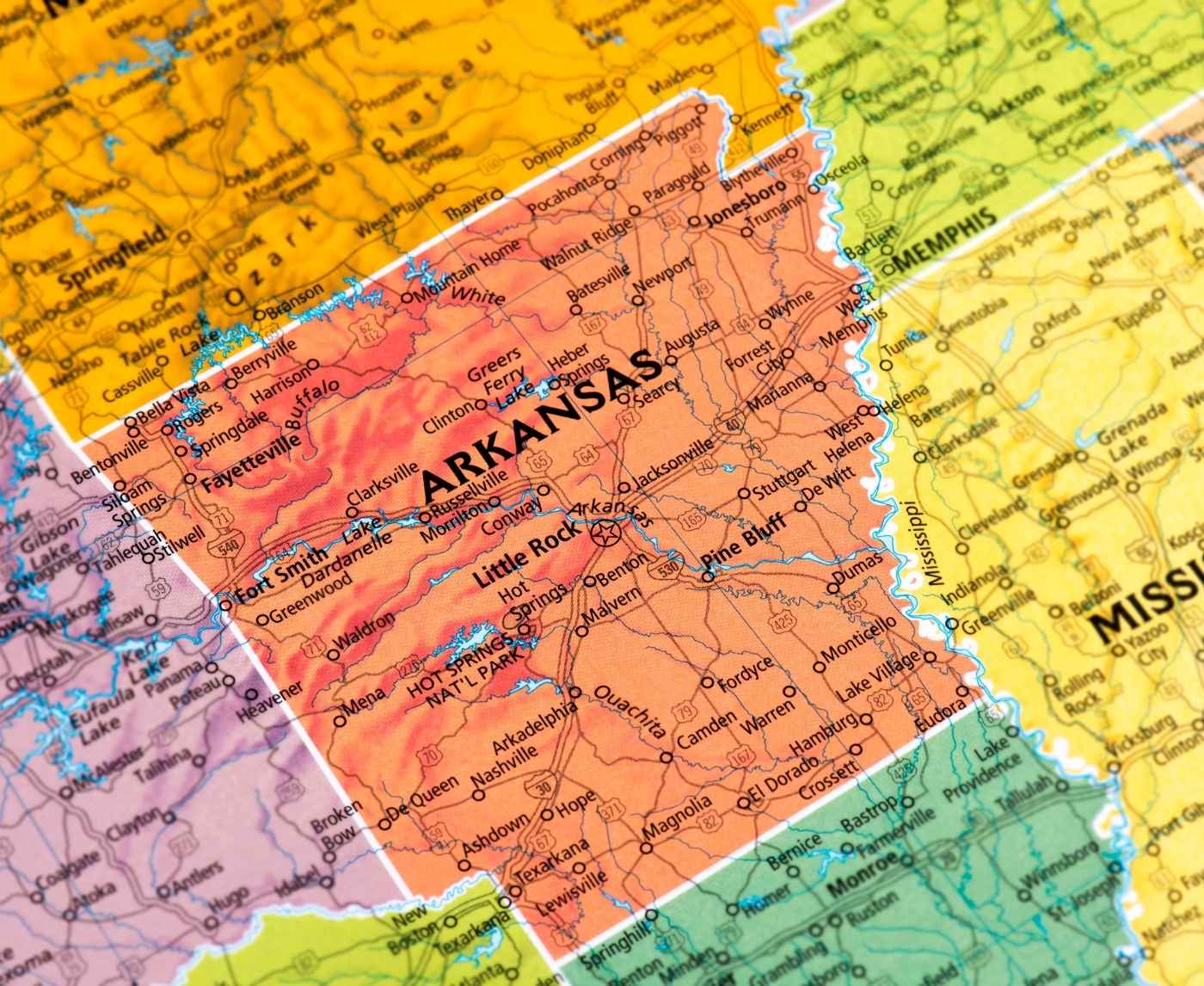

Quick Answer: Early HIV symptoms in rural Arkansas can include fever, night sweats, rash, fatigue, and swollen lymph nodes. Seek confidential testing immediately, even if the nearest clinic is hours away, because early treatment can stop progression and keep you healthy.
Marcus, 32, grew up in a tiny Arkansas town where everybody knew each other’s business. When he first noticed the crushing fatigue, night sweats, and a strange rash across his chest, he brushed it off as stress. “I was working two jobs and helping take care of my mom. I told myself it was nothing,” he recalls. But deep down, he knew something was wrong. What he didn’t know was that his nearest HIV clinic was more than two hours away, and that fear of being seen at the county health department would keep him from making the trip for another month.
“I didn’t want to be the guy they whispered about at the diner. Around here, if you go to certain clinics, everyone assumes the worst.”
For rural Arkansans like Marcus, getting HIV care isn’t just about finding a doctor, it’s about facing down stigma, transportation hurdles, and the silent clock that ticks with every week of delayed diagnosis. Early symptoms can be subtle, and by the time they’re impossible to ignore, the virus has already been at work. But there’s good news: with today’s treatments, starting care early can mean living a long, healthy life, even from the backroads.

People are also reading: Winter STD Testing: Why It's Smart to Get Tested Before the Holidays
When It’s More Than Just a Cold: Recognizing Early HIV Signs
HIV doesn’t announce itself with a siren. For many, the first signs feel like a stubborn flu: fever, sore throat, chills, body aches. In some cases, there’s a blotchy rash across the chest, arms, or face. Fatigue that makes climbing the stairs feel like hiking a mountain. Swollen glands in the neck or armpits. These early-stage symptoms , known as acute retroviral syndrome , usually show up two to four weeks after exposure and fade within days or weeks. And that’s the dangerous part: when the symptoms go away, the virus doesn’t. It just settles in, silently attacking the immune system.
In Arkansas’s rural counties, where hospital access is limited and primary care visits are rushed, these signs can be missed or misdiagnosed. Some patients are told it’s allergies, or “just a bug going around.” But missing that early testing window can make all the difference. According to the CDC, starting antiretroviral therapy soon after infection can keep viral loads low, prevent complications, and dramatically reduce transmission risk.
The Rural Reality: Why Distance and Stigma Keep People Silent
Arkansas ranks among the states with the highest proportion of people living in rural areas , and that geography comes with a price. A 2023 study found that rural residents with HIV often face delayed diagnosis because clinics are far, public transportation is scarce, and taking time off work isn’t always an option. Add in the fear of being recognized at the only local testing site, and it’s no wonder some people wait until they’re very sick before getting help.
Marcus admits he almost didn’t go at all. “I thought, if I walk into that building, it’s over. People will know.” His turning point came when his symptoms worsened , the rash returned, he lost weight fast, and a close friend drove him to a clinic in Little Rock. There, he learned not only his status, but that the state’s Ryan White Program could cover his treatment costs entirely.
This combination of stigma and logistics isn’t unique to HIV , but the stakes are higher. Every delay can mean a higher viral load, a greater risk of transmission, and more complicated care down the line.
The Numbers Don’t Lie: Rural vs. Urban HIV Care in Arkansas
HIV doesn’t discriminate by ZIP code, but the availability of care does. In Little Rock, Fayetteville, or Fort Smith, you might have multiple options for testing, specialty care, and support groups within a short drive. In many rural counties, the nearest HIV-specific clinic can be more than 90 miles away. The Arkansas Department of Health reports that while 37 counties have at least one HIV testing site, far fewer have on-site treatment providers , and most of those are concentrated in urban centers.
Data from a 2023 study shows that rural HIV patients are 30% less likely to be retained in continuous care than their urban counterparts. The reasons are a tangled mix: transportation barriers, limited clinic hours, and fear of social exposure in tight-knit communities. It’s not just about convenience , consistent care is what keeps the virus suppressed and patients healthy.
Check Your STD Status in Minutes
Test at Home with RemediumHIV Rapid Test Kit
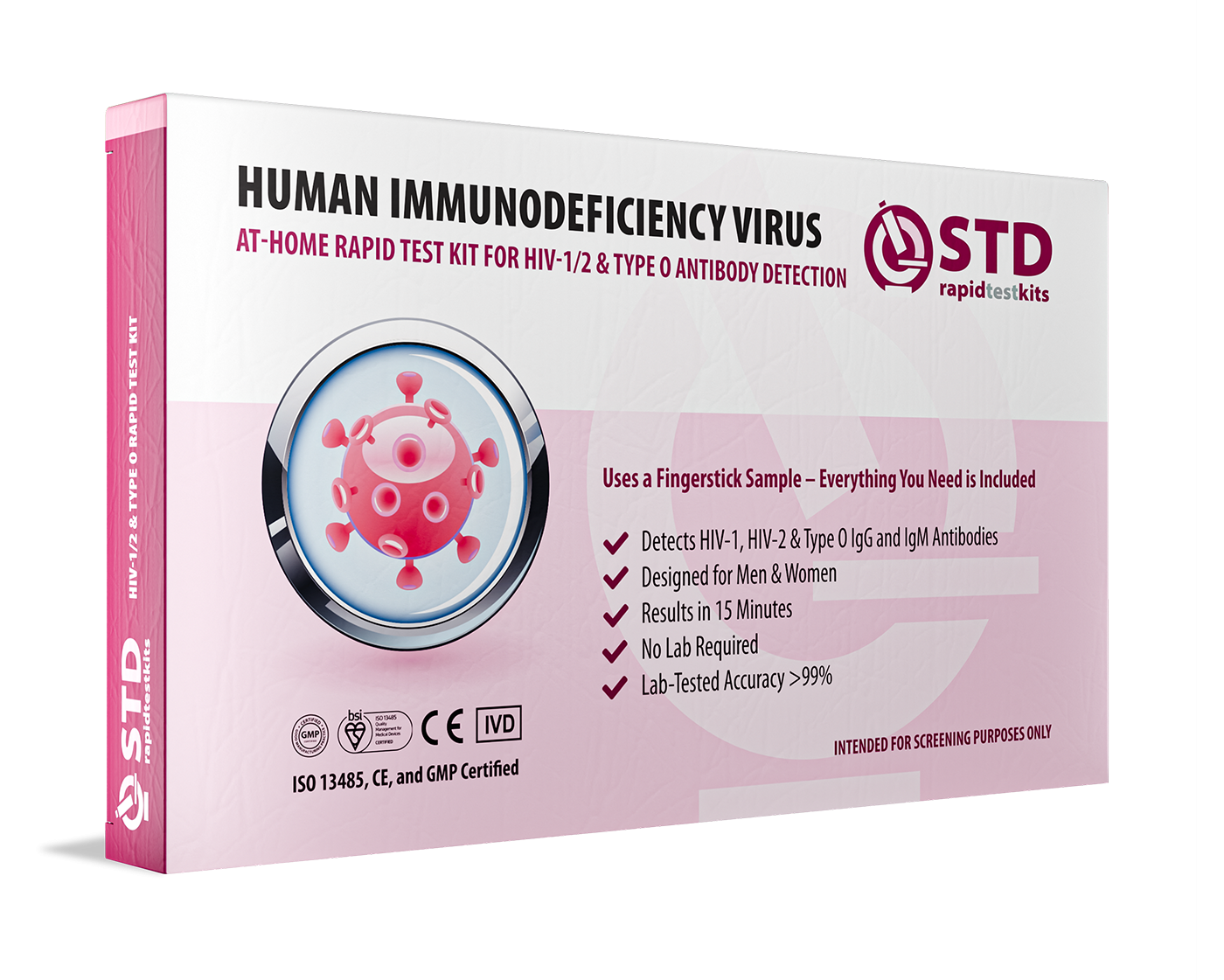
 For Men & Women
 Results in Minutes
 No Lab Needed
 Private & Discreet
Order Now $33.99 $49.00
Breaking Down the Cost: Care You Can Afford
HIV treatment can sound expensive, and without context, the numbers can be scary. A year’s worth of antiretroviral therapy can retail for over $20,000. But here’s the truth: if you live in Arkansas and qualify for the Ryan White HIV/AIDS Program, you might pay nothing at all. This federally funded program covers medication, labs, and even transportation for eligible patients.
For those who don’t qualify for Ryan White, there are still options. ARcare and Healthy Connections offer sliding scale payments, and some clinics provide medication assistance programs directly through pharmaceutical companies. If you’re uninsured, you can still get tested and start treatment , payment discussions can happen later, after you’ve secured care.
Marcus says this was his biggest surprise: “I thought they’d turn me away because I didn’t have insurance. Instead, they had me fill out two forms, made a couple calls, and I walked out with my first month of meds for free.”
Privacy Matters: Understanding Confidential HIV Care in Arkansas
One of the most common fears in rural communities is that your health information will become public. In Arkansas, HIPAA laws protect your medical privacy , and that includes HIV status. Clinics are legally prohibited from sharing your information without your written consent, except in very specific circumstances like direct treatment coordination. Even then, they must limit what is shared.
If you’re under 18, Arkansas law allows minors to consent to HIV testing and treatment without parental permission. That means you can access confidential care at public health clinics, ARcare sites, and other qualifying providers. And if you’re worried about being seen at a local clinic, you can request testing at a location outside your county , Ryan White can often help with transportation costs for those visits.
For Marcus, this was the turning point.
“Once I understood my rights, I stopped feeling like I was giving up my privacy. The law is on your side, even if the gossip mill isn’t.”
Getting to Care When the Clinic Isn’t Close
When the closest HIV care is hours away, making the trip can feel impossible , but there are ways to close that distance. Some Arkansas providers offer mobile testing events in rural counties, bringing confidential screenings directly to communities. Telehealth appointments have expanded since 2020, allowing patients to check in with specialists without leaving home. And Ryan White funds can cover not just mileage, but also rideshare or shuttle services when available.
If you’re starting care, ask your case manager about coordinated appointment scheduling , bundling multiple services into one day can cut travel time and costs. Some patients arrange to pick up a three-month supply of medication during quarterly visits, reducing the number of trips.
This mix of flexibility and advocacy is what keeps rural patients connected to consistent care. It’s not perfect, but it’s getting better , and every year, more rural-friendly solutions are coming online.
Don’t wait for the perfect plan. Start with a single call to a clinic, explain your situation, and let them connect you with transportation, cost assistance, and confidentiality protections. You might be surprised how much they can handle for you.

People are also reading: Why Men Should Worry About HPV.
Stigma Is a Bigger Barrier Than Distance
In many rural Arkansas towns, the fear of being labeled is more paralyzing than the fear of the virus itself. You can’t walk into a pharmacy without running into someone you know, and a car parked outside a county health clinic can spark gossip before you’ve even left the parking lot. That whisper network can keep people from getting tested, even when they suspect something is wrong.
Kara, 27, knows this feeling too well. “When my boyfriend told me he’d tested positive, I was terrified , not just of HIV, but of what people would think. In a town of 900, everybody knows who you’re dating. If I got tested locally, word would spread before the results came back.” Instead, she called a clinic in Little Rock, arranged for a same-day appointment, and used a friend’s address for correspondence. She tested negative, but the experience shook her. “If it had been positive, I don’t know how I would’ve handled it here.”
Experts say this stigma not only delays testing but also fuels misinformation. When people feel unsafe talking openly about HIV, myths fill the silence , myths like “only certain people get it” or “it’s a death sentence.” The truth is that HIV is a manageable condition, and the sooner you know your status, the sooner you can protect your health and the people you care about.
Your First Moves: Getting Help When You’re Scared and Far Away
When you’re hours from a clinic, the first step can feel like the hardest. But here’s the reality: you don’t have to do everything at once. HIV care is a journey, and it starts with one action you can take today, even from home.
Call a trusted HIV clinic , it doesn’t have to be the closest one. Explain your situation, your location, and your concerns about privacy. Clinics like ARcare or the Ryan White Program can walk you through free or low-cost testing options, mail-in rapid test kits, and transportation assistance.
If you’re showing symptoms , fever, rash, night sweats, extreme fatigue, swollen lymph nodes , don’t wait. Use an at-home HIV test kit for immediate answers while you arrange follow-up care. These kits are discreet, fast, and accurate, giving you a baseline before you set foot in a clinic.
Once you have results, whether positive or negative, stay connected to a care provider. If positive, they’ll start you on antiretroviral therapy immediately , even before confirmatory lab results , to protect your health and lower your viral load quickly. If negative but you’ve had a recent possible exposure, ask about post-exposure prophylaxis (PEP), which can prevent infection if started within 72 hours.
Taking Back Control in a Small-Town World
Living in a rural community doesn’t mean you have to choose between your health and your privacy. You can set boundaries, choose where you receive care, and decide who knows your status. You can use telehealth to skip long drives, schedule mobile testing visits when they come to your county, and lean on programs designed to make care accessible no matter your income or ZIP code.
Marcus says the biggest change came once he started talking openly , not to the whole town, but to a small circle of people he trusted. “Once I stopped hiding from myself, I stopped feeling like I had to hide from everyone else.” That confidence, paired with the structure of consistent medical care, gave him back the sense of control he thought HIV had taken away.
In rural Arkansas, control often comes down to knowing your options, using them, and refusing to let stigma write your story for you.
The road might be long , literally , but it’s worth every mile. And you don’t have to walk it alone.
Order Now $129.00 $343.00 Check Your STD Status in Minutes
Test at Home with Remedium
7-in-1 STD Test Kit For Men & WomenResults in MinutesNo Lab NeededPrivate & Discreet
For all 7 tests
FAQs
1. Can I get confidential HIV testing in rural Arkansas?
Yes. Arkansas law and HIPAA protect your privacy. You can request testing outside your county if you’re concerned about being recognized.
2. How long after exposure will HIV show up on a test?
Most rapid tests can detect HIV within 2–4 weeks, but some may take up to 3 months for full accuracy. Ask your provider about the best option for your situation.
3. What are the first signs of HIV?
Early symptoms can include fever, night sweats, rash, fatigue, and swollen lymph nodes. Many people mistake these for the flu.
4. Are there free HIV treatment programs in Arkansas?
Yes. The Ryan White Program and certain clinics like ARcare offer free or sliding scale treatment, often covering medications, labs, and transportation.
5. Can minors get HIV testing without parental consent in Arkansas?
Yes. Minors can consent to HIV testing and treatment on their own under Arkansas law.
6. What if I can’t drive to the clinic?
Some programs like the Ryan White foundation, can cover transportations, and some HIV clinics order mobile testing. If that doesn't work for you, you can always order at-home HIV tests that'll allow you to test form the privacy of your own home.
7. Is HIV care in rural areas as good as in cities?
While access is more limited, rural patients can still get high-quality care through coordinated programs, telehealth, and transportation support.
8. Can I order an HIV test online in Arkansas?
Yes. Discreet at-home HIV test kits are available and can be delivered anywhere in the state.
9. What is PEP, and can I get it in rural Arkansas?
PEP (post-exposure prophylaxis) is medication to prevent HIV after exposure. It must be started within 72 hours, and can be accessed through ERs, some clinics, and urgent care centers.
10. Does having HIV mean I can’t have relationships?
No. With treatment, you can have a healthy sex life and relationships. An undetectable viral load means you can’t transmit the virus sexually (U=U).
You Deserve Answers, Not Assumptions
Whether you’re hours from the nearest HIV clinic or living in a town where everyone knows your name, your health comes first. Early testing, immediate treatment, and confidential care aren’t just possible in rural Arkansas , they’re your right. The journey might start with a single phone call, but it can lead to a life that’s healthy, connected, and stigma-free.
Sources
1. Barriers and Facilitators to HIV Care in Rural Arkansas
2. Arkansas Ryan White HIV/AIDS Program
4. ARcare HIV Facts and Services


