





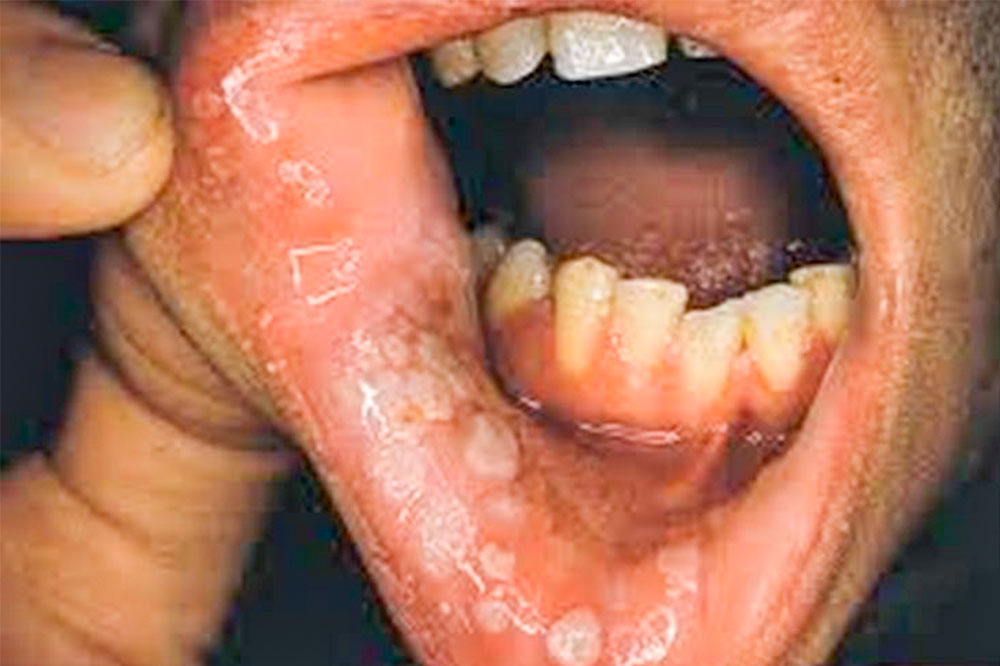

Quick Answer: Herpes is a viral infection causing recurrent sores or blisters, while Chlamydia is a bacterial infection often causing discharge or pain, and frequently no symptoms at all. Symptoms can overlap, so accurate diagnosis requires testing, not guesswork.
When Your Body Sends Mixed Signals
Herpes and Chlamydia are among the most common STDs worldwide, but they behave very differently. Herpes, caused by the herpes simplex virus (HSV-1 or HSV-2), tends to cause outbreaks, painful blisters or sores that can recur for years. Chlamydia, caused by the bacterium Chlamydia trachomatis, usually presents with genital discharge, burning during urination, or pelvic discomfort. The tricky part? Neither infection follows the rulebook 100% of the time. You can have Herpes with just mild itching or a single unnoticed sore. You can have Chlamydia with no symptoms whatsoever.
According to the CDC, up to 90% of people with genital Herpes don’t realize they have it, and around 70% of Chlamydia infections in women are asymptomatic. That means the absence of symptoms is not a free pass, it’s a flashing reminder to get tested.
People are also looking for: How Ignoring Herpes Treatment Can Increase HIV Risk
Herpes: The Virus That Stays for Life
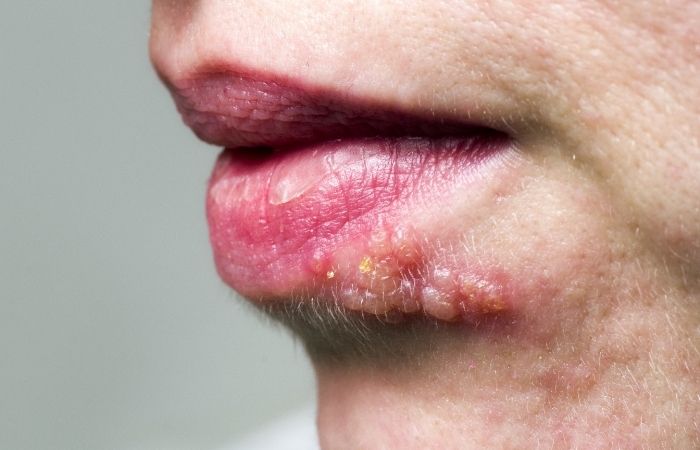
Herpes is caused by a virus that, once contracted, stays in your body for life. It can lie dormant in your nerve cells and reactivate periodically, causing outbreaks. The most recognizable sign is a group of small, fluid-filled blisters that burst and crust over. These sores can appear on the genitals, anus, thighs, buttocks, or mouth, depending on the type of virus and how it was transmitted.
Outbreaks can be triggered by stress, illness, hormonal changes, or even too much sun. Between outbreaks, the virus is still in your system and can still be transmitted, especially during times of “viral shedding,” when no sores are visible. The emotional impact can be as challenging as the physical symptoms, many people report anxiety, shame, or fears about dating after diagnosis, even though WHO data shows that herpes is incredibly common and manageable with antiviral medication.
Chlamydia: The Silent Threat
Chlamydia is dangerous because it is hard to see. Bacteria cause it, and antibiotics can cure it, but only if you know you have it. If you don't treat it, women can get pelvic inflammatory disease (PID), which can make them infertile, cause ectopic pregnancy, and cause chronic pelvic pain. If men don't get treatment for Chlamydia, it can cause epididymitis, which can cause testicular pain and, in rare cases, lower fertility.
When they happen, the most common symptoms are unusual genital discharge, pain during sex, burning while urinating, and discomfort in the lower abdomen. The CDC says that sexually active people under 25 and older adults at higher risk should get tested every year because many infections don't show any symptoms.
Why Symptoms Aren’t a Reliable Test
Here’s the truth that frustrates people like Kara: symptoms overlap. Both Herpes and Chlamydia can cause pain during urination. Herpes sores can be mistaken for irritation, ingrown hairs, or even yeast infections. Chlamydia-related discharge can be misattributed to bacterial vaginosis or other conditions. Online “symptom checkers” are notorious for leading users down the wrong path, often to unnecessary panic or false reassurance.
The only way to be certain is through proper testing. Herpes is usually diagnosed with a swab of a sore or a blood test looking for antibodies. Chlamydia is diagnosed through urine tests or swabs from the cervix, urethra, throat, or rectum, depending on sexual history. Many clinics now offer combined testing, and discreet at-home kits can screen for both at once.
Check Your STD Status in Minutes
Test at Home with RemediumOral Herpes Test Kit

 For Men & Women
 Results in Minutes
 No Lab Needed
 Private & Discreet
Order Now $33.99 $49.00
How Soon After Exposure Do Symptoms Show?
One of the most frustrating parts of trying to self-diagnose is timing. Herpes symptoms can appear anywhere from 2 days to 12 days after exposure, though some people don’t have their first outbreak for months or even years. Chlamydia’s incubation period is longer, typically 1 to 3 weeks, but because it’s so often symptomless, you might not notice anything at all until a routine test flags it.
This timing gap is why public health experts urge testing based on risk and exposure, not on waiting for symptoms. A 2019 study found that couples who relied solely on “watch and wait” were significantly more likely to have ongoing transmission within their relationship compared to those who tested proactively.
Treatment: Curable vs. Manageable
Chlamydia is caused by bacteria, so it can be treated with antibiotics like doxycycline for a short time. Both partners need to get treatment, and they should stop having sex until the treatment is over to avoid getting the disease again. Chlamydia usually doesn't leave any lasting damage if it's caught early, but infections that aren't treated can lead to serious problems.
You can't get rid of herpes, though. Acyclovir, valacyclovir, and famciclovir are examples of antiviral drugs that lower the severity and frequency of outbreaks and the risk of spreading the virus. Some people only take these drugs when they have an outbreak (called "episodic therapy"), while others take them every day to lower the risk of flare-ups and transmission. Herpes can be managed so well that it doesn't really get in the way of everyday life, even though there is no cure.
Case Study: When It’s Not What You Thought
Andre was convinced he had Chlamydia. He’d noticed a burning sensation when urinating and some clear discharge, so he booked an at-home test that screened for Chlamydia, Gonorrhea, and Trichomoniasis. The results came back negative. Confused, he went to a clinic, where a doctor took a closer look and swabbed a small sore near his urethra. The test came back positive for Herpes. “I didn’t even think about Herpes,” Andre said.
“I thought that was only blisters. I learned the hard way it’s not always textbook.”
Stories like Andre’s aren’t rare. The symptom overlap between these STDs means many people are surprised by their results. That’s why experts emphasize testing for multiple infections at once, because guessing wrong can delay the right treatment.
People are also looking for: Can Hormonal Contraceptives Trigger Herpes Outbreaks?
Stigma: The Invisible Symptom
Beyond the physical effects, both Herpes and Chlamydia carry heavy social stigma. In a survey published in the journal Sexually Transmitted Infections, participants reported feelings of shame, anxiety, and fear of rejection after diagnosis. For many, these emotions were harder to deal with than the actual infection.
Herpes often carries a stronger stigma because it’s lifelong, but this perception doesn’t match reality. Most people with Herpes live full, satisfying sexual and romantic lives, and disclosure conversations, while intimidating, can actually strengthen trust in relationships. Chlamydia tends to be seen as “less serious” because it’s curable, yet untreated cases can cause permanent health damage. In both cases, education and open communication are the antidotes to stigma.
Why Testing for Both Is Essential
There is a good reason why many clinics and home test providers offer both Herpes and Chlamydia screenings. It's not enough to just rule out one infection when it comes to sexual health. You need to know your whole status. Co-infections are possible, and treating one STD while ignoring another can cause symptoms to continue, problems to arise, and partners to unknowingly pass the disease on.
The good news is? Combined testing is now faster, less noticeable, and cheaper than ever. You can get clear results for several infections without going to a clinic with the 6-in-1 STD At-Home Rapid Test Kit and other options. Many clinics offer same-day results for Chlamydia and quick swab testing for Herpes for people who want to see a doctor in person.
Prevention: More Than Just Condoms
Both Herpes and Chlamydia can be reduced or avoided through safer sex practices, but it’s important to know the limits. Condoms and dental dams are highly effective against Chlamydia because it’s spread through fluids, but they offer only partial protection against Herpes, which can be transmitted through skin-to-skin contact in areas not covered by a condom. Regular testing, open communication, and, in the case of Herpes, antiviral therapy are key parts of prevention.
Vaccinations, where available, also play a role in broader sexual health. While there’s no vaccine for either Herpes or Chlamydia, the HPV vaccine helps prevent related conditions like genital warts and certain cancers, underscoring the value of a comprehensive prevention plan.
Check Your STD Status in Minutes
Test at Home with Remedium7-in-1 STD Test Kit
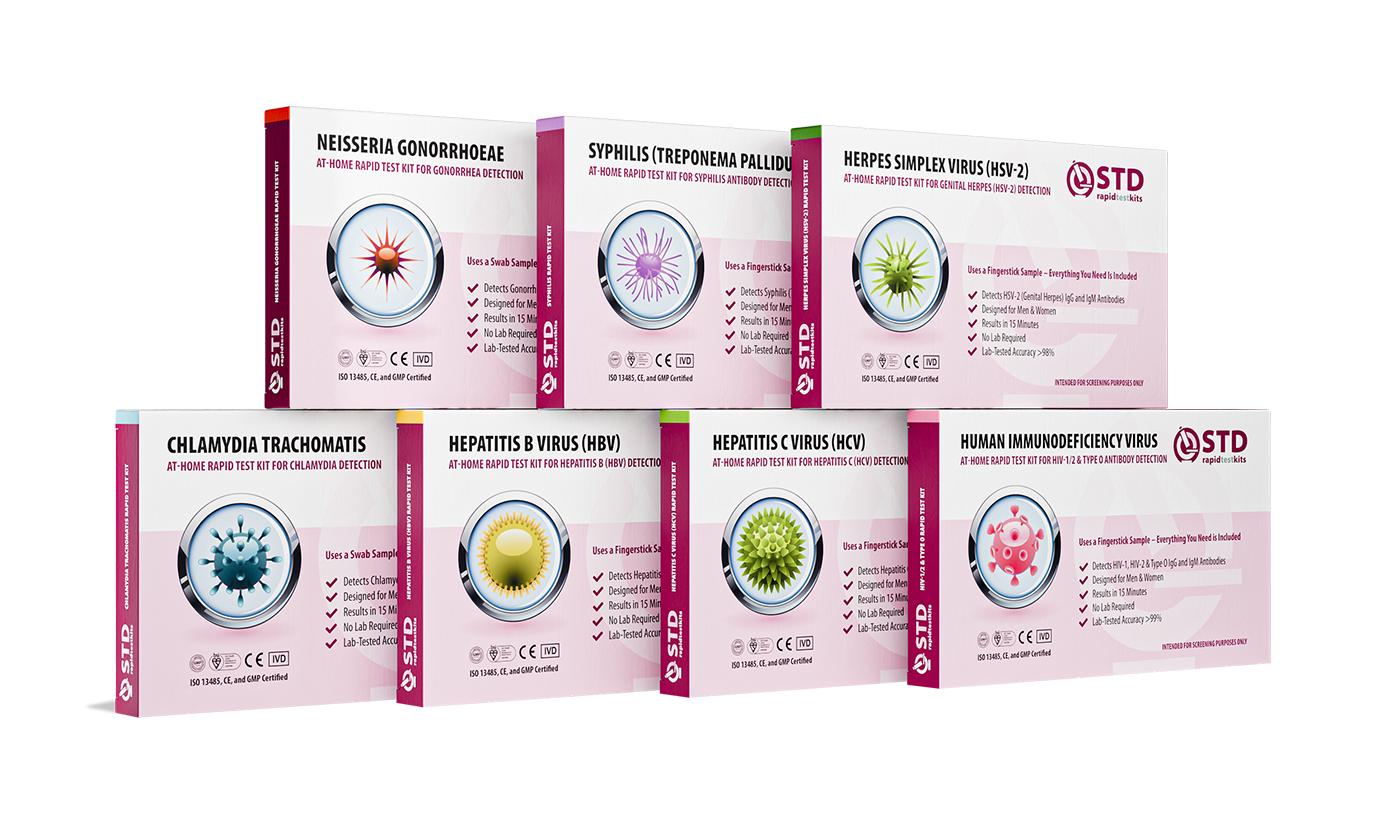 For Men & WomenResults in MinutesNo Lab NeededPrivate & Discreet
Order Now $129.00 $343.00
For all 7 tests
Talking to Your Partner Without Fear
Bringing up STDs in a relationship can be nerve-wracking, especially if you’ve just been diagnosed. But framing the conversation around care rather than blame changes everything. Instead of “I have bad news,” try:
“I want us to be safe and healthy, so I think we should both know our full status.”
Using “we” language reinforces that you’re in it together, and discussing next steps, testing, treatment, or prevention, keeps the focus on action rather than judgment.
In my work, I’ve seen couples emerge stronger after these talks. One pair I spoke with decided to schedule their first Herpes outbreak management plan over takeout pizza. “We laughed more than we cried,” the woman told me.
“It was just another thing we tackled as a team.”
This kind of framing can turn a diagnosis into a relationship milestone instead of a breaking point.
Life After a Diagnosis: Redefining Normal
Living with Herpes or having had Chlamydia doesn’t put your sex life on indefinite pause. For Herpes, learning your triggers and having medication on hand can make outbreaks predictable and manageable. Many people go months or years between flare-ups. For Chlamydia, once you’ve completed treatment and retested negative, you’re in the clear, but maintaining regular screening is important, especially if you have new partners.
It’s also worth remembering that your diagnosis is not your identity. In the same way you might manage allergies, migraines, or any other health condition, you adapt and move forward. Sexual health is just one part of your overall well-being, and caring for it, through testing, treatment, and communication, is an act of self-respect and love for your partner.

People are also reading: STDs and Menopause: What Women Should Know
FAQs
1. Is it possible to have both herpes and chlamydia at the same time?
Yes. Testing for more than one STD at the same time is a good idea because co-infections are possible and not uncommon.
2. Is it easier to treat Chlamydia than Herpes?
Yes. Chlamydia is caused by bacteria and can be treated with antibiotics. Herpes is caused by a virus and can be treated with medication to lessen symptoms and stop the spread.
3. Can Chlamydia give you cold sores?
No, Chlamydia does not cause cold sores. The herpes simplex virus type 1 (HSV-1) does.
4. Can I give Chlamydia to someone by kissing them?
No. Chlamydia can be spread through sexual contact that involves the genitals, anus, or mouth, but not through kissing.
5. If I have herpes, will my partner always get it?
Not always. Antiviral drugs, condoms, and not having sex during outbreaks all lower the risk a lot.
6. How soon can I take a test after being around someone who might have it?
You can usually find chlamydia 1 to 2 weeks after being exposed. For herpes, it depends on whether sores are present (swab) or enough time has passed for antibodies to form (blood test).
7. If I have Herpes or Chlamydia, can I still have kids?
Yes. Both conditions can lead to healthy pregnancies and births if they are managed and treated correctly.
8. Do herpes sores always hurt?
Not all the time. Some outbreaks don't hurt at all or are so mild that people don't notice them.
9. Can Chlamydia go away on its own if it isn't treated?
No. Chlamydia can stay in the body and cause serious problems if antibiotics are not taken.
10. Can you never have another herpes outbreak?
Yes. Some people get the virus once and never get it again, even though it stays in their bodies.
Before You Panic, Here’s What to Do Next
Whether you suspect Herpes, Chlamydia, or aren’t sure, the first step is always the same: get tested. Guessing based on symptoms alone won’t give you the clarity you need, and can delay treatment that protects your health and your partners. Knowing your status isn’t just about treating an infection; it’s about reclaiming control over your body and your peace of mind.
You deserve facts, not fear. You deserve care, not judgment. And you deserve to start your next sexual encounter with confidence, whether that means managing a lifelong condition like Herpes or clearing a bacterial infection like Chlamydia.
Don’t wait and wonder, find out now.
Sources
1. World Health Organization – Herpes Simplex Virus
2. Mayo Clinic – Genital Herpes Overview


