





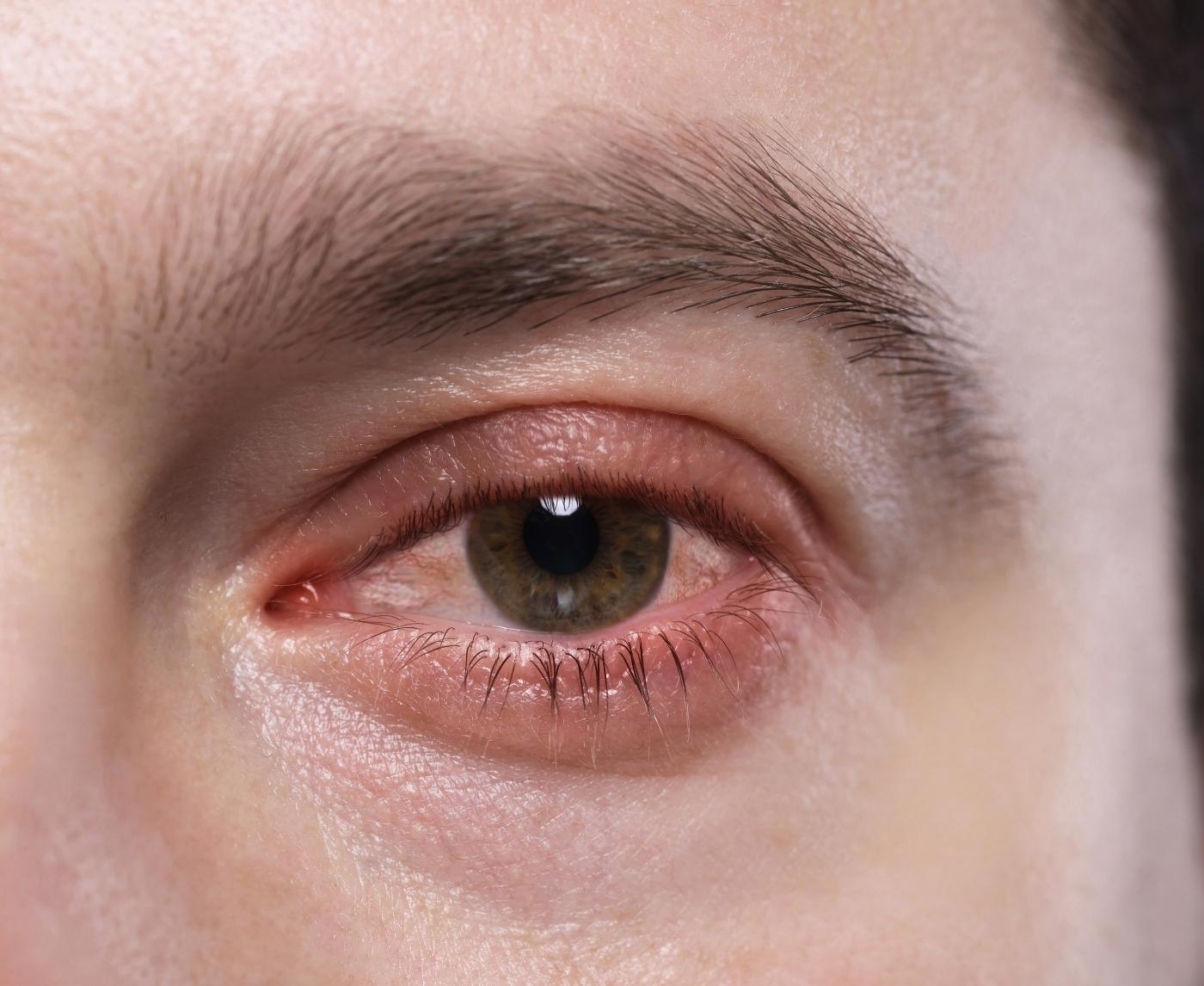

Quick Answer: Chlamydia can infect the eye and often mimics viral conjunctivitis, but with thicker discharge and longer symptoms. If you’ve had recent sexual contact and develop red, irritated eyes, especially with swelling or mucus, you should consider getting tested.
This Guide Is for You If Your Eye Won’t Stop Screaming
Maybe it started after a steamy weekend or a new partner. Maybe you didn’t even have sex, just mutual touching, or a towel you both used. But now your eye feels off, and you’re spiraling. For anyone who’s wondering if their irritated, red eye might be more than a harmless infection, this guide is written to ground you in facts without the shame spiral.
This is especially for people who don’t have easy access to a doctor, or who are trying to avoid the awkward clinic stares. It's also for folks who’ve been gaslit about symptoms, told "it's nothing" when it clearly is something. We’re not here to tell you it’s all fine (because sometimes it’s not), but we are here to walk you through every scenario with clarity, realism, and options.
We’ll break down the symptoms, the medical differences between chlamydia conjunctivitis and viral pink eye, and how to test from home discreetly. We’ll also show you what to expect if you do test positive, and what steps to take next without making fear-based decisions.
Meet the Two Culprits: Chlamydia and Viral Conjunctivitis
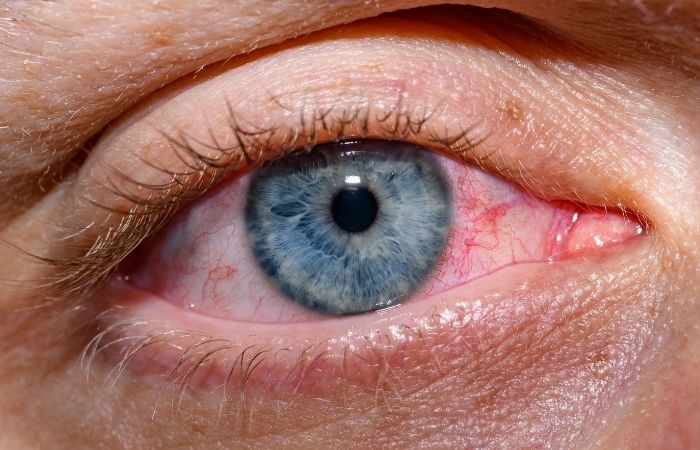
When your eye goes red, itchy, and goopy, most people assume it's “just pink eye.” But that diagnosis can hide more than it reveals. Viral conjunctivitis, often caused by adenoviruses, is incredibly contagious and typically clears up on its own within a few days to a week. But chlamydia in the eye, also called chlamydial conjunctivitis or ocular chlamydia, is an entirely different beast. It's a sexually transmitted bacterial infection that can settle in the eye when infected fluids come into contact with your hands, towels, or directly with the eye during oral-genital or genital-genital contact.
Here’s where it gets tricky: both conditions can cause red, swollen, watery eyes. Both can produce discharge. But the differences come down to severity, duration, and whether it feels like your eye is getting worse, not better, day after day.
| Symptom | Viral Conjunctivitis | Ocular Chlamydia |
|---|---|---|
| Onset | Sudden, often after a cold or exposure | Gradual or delayed after sexual contact |
| Discharge | Watery, thin, clear or mildly sticky | Thick, mucopurulent (yellow or green), sticky |
| Swelling | Mild eyelid puffiness | Noticeable eyelid swelling, sometimes severe |
| Itching | Frequent | Less common |
| Contagious | Very, via hands, towels, droplets | Sexually transmissible, eye contact with fluids |
| Duration | 3–7 days | Persistent, often over a week without treatment |
| Other Symptoms | Cold symptoms, sore throat | Possible genital symptoms, swollen lymph nodes |
Table 1: Comparing symptoms between viral conjunctivitis and chlamydia eye infection. Use this as a rough guide, not a diagnosis. If your eye symptoms worsen or last more than a few days, testing is wise.
People are also reading: Got an STD? Your Guide to Pills, Injections, and What Actually Works
Case Scene: “I Thought It Was Pink Eye, Then My Partner Got It Too”
Amira, 27, woke up one morning with her left eye swollen shut. She had no fever, no sore throat, and no signs of a cold. She figured it was seasonal allergies or just pink eye from her makeup brush. She rinsed her eye, skipped makeup, and hoped for the best.
Three days later, her partner texted her a photo, his eye looked just like hers, and he had a burning sensation when he peed. Amira’s stomach dropped. Neither had felt sick, but both had gone down on each other a few nights earlier. A quick urgent care visit later, and both tested positive for chlamydia. The provider told them it was likely the infection had spread via contact with fluids and fingers, exactly how ocular transmission often happens.
Amira had never imagined an STD could cause eye symptoms. Her doctor assured her the condition was treatable with oral antibiotics but warned her to toss her contacts, wash all pillowcases, and avoid sharing towels. The worst part wasn’t the diagnosis, it was not knowing that this could even happen.
That experience is more common than people think. Chlamydial conjunctivitis isn’t rare, it’s just rarely diagnosed properly unless someone knows to ask. Most providers don’t test eye discharge for STDs unless a patient insists. That’s why understanding the context of your exposure is just as important as the symptoms themselves.
Check Your STD Status in Minutes
Test at Home with Remedium7-in-1 STD Test Kit
 For Men & Women
 Results in Minutes
 No Lab Needed
 Private & Discreet
Order Now $129.00 $343.00
For all 7 tests
How Chlamydia Infects the Eye (And Why It Gets Missed)
Most people don’t realize that chlamydia is a versatile pathogen. While it’s most commonly associated with genital infections, the bacteria Chlamydia trachomatis can infect other mucous membranes, like the throat, rectum, and yes, the eye. This happens when infected fluids come into contact with your eye via fingers, towels, or oral-genital contact. It doesn’t require full-blown sex. It doesn’t require penetration. And it doesn’t mean you were irresponsible, it just means the bacteria got where it shouldn’t have.
The issue is, most doctors aren’t primed to think “STD” when they see a red eye. Even in sexual health clinics, eye symptoms are often brushed off as allergies or standard pink eye unless the patient mentions a recent sexual encounter, or unless it’s part of a broader STD panel. That means chlamydia eye infections are underdiagnosed, and people are left with untreated symptoms for weeks, sometimes months.
This isn’t just a cosmetic issue either. Untreated chlamydia in the eye can lead to complications like chronic conjunctivitis, corneal damage, and even scarring. And while those outcomes are rare with modern care, they’re still possible, especially if you let shame or confusion keep you from testing.
“But I Didn’t Even Have Sex”: Transmission Isn’t Always Obvious
There’s a huge misconception that STDs only happen after penetrative sex. But chlamydia can live in genital fluids, and all it takes is a bit of cross-contact, genital to hand to eye, for example. If you touched someone or yourself during sexual activity and then rubbed your eye without washing your hands, that’s enough.
Conjunctival chlamydia has also been linked to shared eye makeup, contact lenses, towels, and even bedsheets when fluid transfer is involved. It’s not about being “dirty” or careless, it’s about understanding that bacteria don’t follow social rules. They don’t care if it was a one-night stand, a regular partner, or a drunken experiment. They just need a route in.
What makes it harder is the silence that surrounds these symptoms. Few people talk openly about red eyes after sex. Even fewer know that oral sex can lead to eye infections. So the symptoms get brushed off. Or worse, people start treating it with leftover antibiotic drops that don’t actually target chlamydia, giving the infection more time to spread, and increasing the risk of passing it to someone else.
Testing for Eye Chlamydia: What Works and What Doesn’t
If your eye is red, gunky, and not getting better, and if you’ve had any sexual contact in the last few weeks, it’s worth getting tested for chlamydia. Unfortunately, most walk-in clinics won’t test eye discharge for STDs unless specifically requested. But you can still find clarity.
NAAT (nucleic acid amplification tests) are the gold standard for detecting chlamydia. These tests can detect the DNA of the bacteria with high accuracy, even in asymptomatic infections. Most people test using a urine sample or swab (vaginal, rectal, or throat), depending on the exposure type. If you're dealing with suspected ocular infection, the chlamydia might also be in the genitals, and a standard test can still catch it, especially if symptoms align.
At-home STD testing kits are a discreet and effective way to screen for chlamydia and other infections. You collect the sample yourself, usually urine or a vaginal swab, and mail it to a lab. Results come back in a few days, and you never have to sit in a waiting room. If your symptoms match and the test comes back positive, treatment is straightforward.
| Testing Method | Sample Type | Detects Ocular Chlamydia? | Privacy & Speed |
|---|---|---|---|
| Clinic NAAT Test | Urine, swab (genital/throat/rectal) | Yes (indirectly) | High accuracy, moderate privacy |
| At-Home STD Kit | Urine or vaginal swab | Yes (if source is genital) | Very private, fast results |
| Eye Swab (clinical only) | Conjunctival fluid | Yes (direct test) | Less common, lab-specific |
Table 2: Common testing methods and whether they detect chlamydia in the eye. In most cases, genital testing still helps identify the cause if sexual exposure is recent.
Want to check discreetly? This at-home combo test kit screens for multiple STDs using a simple urine or swab sample. Results are private, fast, and medically reviewed.
Already Tried Drops, But It’s Not Getting Better?
Another red flag that it might be chlamydia and not viral conjunctivitis is if antibiotic or steroid eye drops aren’t helping, or seem to make things worse. Standard pink eye treatments don’t target chlamydia. And in some cases, steroid drops can mask the symptoms without curing the infection, giving it more time to cause damage.
If your eye stays red beyond a week, if discharge is thick and yellow-green, or if it spreads to the other eye or a partner’s eye… don’t wait. That’s not a normal pink eye course. It’s time to consider broader testing, even if that means awkward questions at the clinic, or better yet, a discreet home option that skips the conversation entirely.
This isn’t about paranoia, it’s about protection. Left untreated, ocular chlamydia can cause chronic inflammation and long-term complications, including trachoma (a rare but serious scarring condition). Thankfully, that outcome is rare in high-income countries, but only if the infection gets diagnosed and treated promptly.
What Treatment Looks Like (and Why It Works Fast)
If you’re diagnosed with chlamydia, whether through a genital swab, urine test, or eye swab, the treatment is usually simple: a course of oral antibiotics. Most commonly, it's doxycycline for seven days or a single dose of azithromycin, depending on your situation and provider preference. No injections. No hospital stays. Just pills.
For ocular cases, oral antibiotics are more effective than eye drops alone. That’s because the infection might also be lurking in your genitals, throat, or rectum, even if you don’t have symptoms in those areas. In some cases, especially if eye symptoms are severe, providers may also prescribe a topical antibiotic, but that’s a complement, not a replacement.
Once treatment starts, symptoms usually begin improving within 48 to 72 hours. Redness fades, swelling subsides, and the goop slows down. But that doesn’t mean you’re instantly cleared. It's critical to finish the full course, even if you feel better in two days. That’s how you make sure the infection is fully gone and doesn’t bounce back or get passed to someone else.
And yes, you’ll want to tell your partner. Even if the symptoms are only in your eye, chlamydia is transmissible, and anyone you’ve been sexually active with recently may also be infected. The good news? Partner treatment is easy and anonymous options are available through telehealth or partner services in most regions. If that conversation feels impossible, scripts and private notification tools exist to help you get through it without panic or blame.

People are also reading: Chlamydia Doesn’t Always Burn: Real Symptoms After a Hookup
Case Scene: “I Didn't Feel Anything, Until My Eye Swelled Shut”
DeShawn, 32, had no pain, no discharge, and no signs of anything wrong downstairs. But five days after a casual oral hookup, he noticed his eye was pink and leaking mucus. A virtual doc prescribed him antibiotic drops for presumed pink eye. When things got worse by day five, eye crusting, swelling, and a gritty feeling, he went to urgent care.
He mentioned the recent oral encounter almost as an afterthought. The provider paused, then asked if he'd been tested for STDs recently. He hadn’t. They took a urine sample and swabbed his eye. Both came back positive for chlamydia. DeShawn was shocked, he hadn’t even had what he thought counted as sex. But the exposure had been enough, and the eye was just the first place symptoms showed up.
He started oral antibiotics the same day. His eye cleared up in four days. His next steps? He notified his partner, ordered a retest for peace of mind, and started reading more about how STDs really work. “I didn’t know your eye could be the only place it shows up,” he later said. “Now I know, and I’m telling everyone I care about.”
How to Talk About It Without Shame
The most damaging part of ocular chlamydia isn’t always the infection, it’s the shame. We’ve been conditioned to think that STDs show up "down there" and only happen to "reckless" people. Neither of those things are true. You can get an eye infection from someone you love, from someone you trust, or from someone you just met. And you can treat it before it spreads, if you let yourself believe you’re worth testing.
Here’s the truth: STDs don’t have morals. They’re not punishments. They’re bacteria and viruses, doing what they do. You didn’t “deserve” this because of a hookup or a risk you didn’t understand. What matters now is what you do next. Getting tested is not a confession, it’s care. For yourself, for your partner, and for your future peace of mind.
Take control of your health by testing on your terms. If you're nervous about going to a clinic, or you just want clarity fast, you can order a test privately from home. STD Rapid Test Kits offers discreet, doctor-trusted test options with clear instructions and fast results. No waiting rooms. No shame. Just answers.
Check Your STD Status in Minutes
Test at Home with Remedium8-in-1 STD Test Kit
 For Men & WomenResults in MinutesNo Lab NeededPrivate & Discreet
Order Now $149.00 $392.00
For all 8 tests
When to Retest and What to Expect Next
If you tested positive for chlamydia, whether ocular or genital, you’ll want to retest about three weeks after finishing antibiotics. This is especially important if your symptoms haven’t fully cleared or if you’re unsure whether your partner got treated. Retesting ensures the infection is gone and that reinfection hasn’t occurred.
Even if your initial test came back negative but symptoms persist, a second test 10–14 days later can help catch cases that were missed due to timing. It’s possible to test too early, especially with NAAT tests that detect bacterial DNA only after the infection has had time to replicate.
Use the experience to tune into your body, not punish it. Track your symptoms, wash pillowcases, avoid touching your eyes during sex, and know that even with a positive result, you're in control now. You caught it. You’re treating it. And next time? You’ll spot it faster, act quicker, and feel less alone.
FAQs
1. Can chlamydia really show up in your eye?
Absolutely. It sounds wild, but it happens more often than people think. Chlamydia doesn’t care where it lands, if it gets into your eye through fingers, fluids, or even shared towels after sex, it can infect that tissue just like it would the genitals. And no, it doesn’t mean you’re gross or did something wrong. It means you’re human, and bacteria are opportunistic.
2. How do I know if my red eye is from chlamydia or just viral pink eye?
Viral pink eye usually shows up with a cold, think sore throat, runny nose, watery eyes. Chlamydia, on the other hand, tends to bring thick, sticky discharge and a red eye that just won’t quit. If your eye feels worse day by day or comes with genital symptoms (even mild ones), it’s time to raise an eyebrow. Or, better yet, take a test.
3. Is it possible for your eye to be the only place chlamydia shows up?
Yep. We’ve seen cases where the eye is the first (or only) part of the body that speaks up. No burning when you pee, no discharge down there, just a red, gunky eye. Sometimes it happens after oral sex or contact with someone’s fluids, and you might not even remember the moment it transferred. That’s how sneaky it can be.
4. Can eye chlamydia go away on its own?
Not likely. Unlike viral conjunctivitis, which usually runs its course in a week or so, chlamydia in the eye sticks around. And it won’t just ghost you, it can cause long-term irritation or even complications if you don’t treat it. But the good news? Oral antibiotics knock it out fast once you get the right diagnosis.
5. What if I already used pink eye drops and they didn’t help?
That’s actually a clue. Most over-the-counter drops treat allergies or irritation, and even prescription pink eye meds won’t kill off chlamydia. So if you’ve been using drops and your eye still looks like it lost a fight with a raccoon, it’s time to think beyond standard conjunctivitis. Your next move should be testing, not another round of guesswork.
6. Do I need to tell my partner if it’s just my eye that’s infected?
We get it, this one’s awkward. But yes, you should. Even if your symptoms are all above the belt, chlamydia is still an STD. That means your partner could be carrying it too, even if they feel fine. Letting them know helps you both stay healthy (and keeps it from boomeranging back to you).
7. Can I wear contacts if I have chlamydia in my eye?
No way. Take them out immediately. Wearing contacts while your eye is infected can trap bacteria against your cornea and make everything worse. Toss the old ones, clean your case with boiling water, and wait until your eye is completely healed before going back to lenses. Trust us, it’s not worth the risk.
8. How soon can I get tested after symptoms start?
Ideally, you want to wait at least 5–7 days after exposure for a reliable test, though symptoms might show up before that. If you test too early, there’s a chance the result comes back negative even if the infection is brewing. So if your test is negative but your eye is still waving red flags, retest after a few days or ask for a broader panel.
9. Will an at-home STD test work if the symptoms are in my eye?
Surprisingly, yes. While the test won’t swab your eyeball, it can detect chlamydia in urine or vaginal swabs, which often coexists with eye infections. If you’ve had any sexual exposure and now have suspicious eye symptoms, a positive genital test still gives you a clear answer and a path to treatment.
10. What happens if I just ignore it?
Your eye might clear up a bit, or it might not. But untreated chlamydia can linger silently and cause bigger issues later, including eye scarring or transmission to others. It’s not about scaring you; it’s about letting you decide from a place of truth. Testing now saves way more headache (and heartbreak) later.
You Deserve Clarity, Not Confusion
If you’re reading this with red eyes and racing thoughts, take a breath. You’re not broken. You’re not alone. And you’re not the first person to wonder if a pink eye might be something more. The good news? You don’t have to guess. You can test.
Discreet, accurate, and fast, this combo at-home test kit checks for chlamydia and other common STDs using a simple swab or urine sample. No awkward appointments, no waiting room stares. Just you, your results, and a plan forward.
How We Sourced This Article: We combined current guidance from leading medical organizations with peer-reviewed research and lived-experience reporting to make this guide practical, compassionate, and accurate.
Sources
2. American Academy of Ophthalmology – Conjunctivitis
3. Planned Parenthood – Chlamydia Overview
4. Chlamydial Infections – STI Treatment Guidelines (CDC)
5. Types of Bacterial Conjunctivitis (CDC)
6. Pink Eye: Causes and How It Spreads (CDC)
7. Pink Eye (Conjunctivitis) – Symptoms and Causes (Mayo Clinic)
8. Chlamydia – Symptoms and Causes (Mayo Clinic)
9. Chlamydial Eye Infections: Current Perspectives (PMC)
10. Chlamydia – StatPearls (NCBI)
11. Trachoma – Symptoms and Causes (Mayo Clinic)
About the Author
Dr. F. David, MD is a board-certified infectious disease specialist focused on STI prevention, diagnosis, and treatment. He blends clinical precision with a no-nonsense, sex-positive approach and is committed to expanding access for readers in both urban and off-grid settings.
Reviewed by: Jenna Moore, RN, MPH | Last medically reviewed: January 2026
This article is meant to give you information, not to give you medical advice.


