






STD Symptoms After 3 Days: Early Signs You Shouldn’t Ignore
Acute HIV Infection – The Invisible Storm
Acute HIV illness typically starts 2 to 4 weeks post-infection. It is sometimes referred to as the body's "flu-like" illness—but don't be deceived by the name. Symptoms can be dramatic, and because many people don't link them with HIV, they aren't tested and treated.
Symptoms of acute HIV illness, according to the CDC, may include
- Fever
- Fatigue
- Muscle pain
- Night sweats
- Swollen lymph nodes
- Sore throat
- Headache
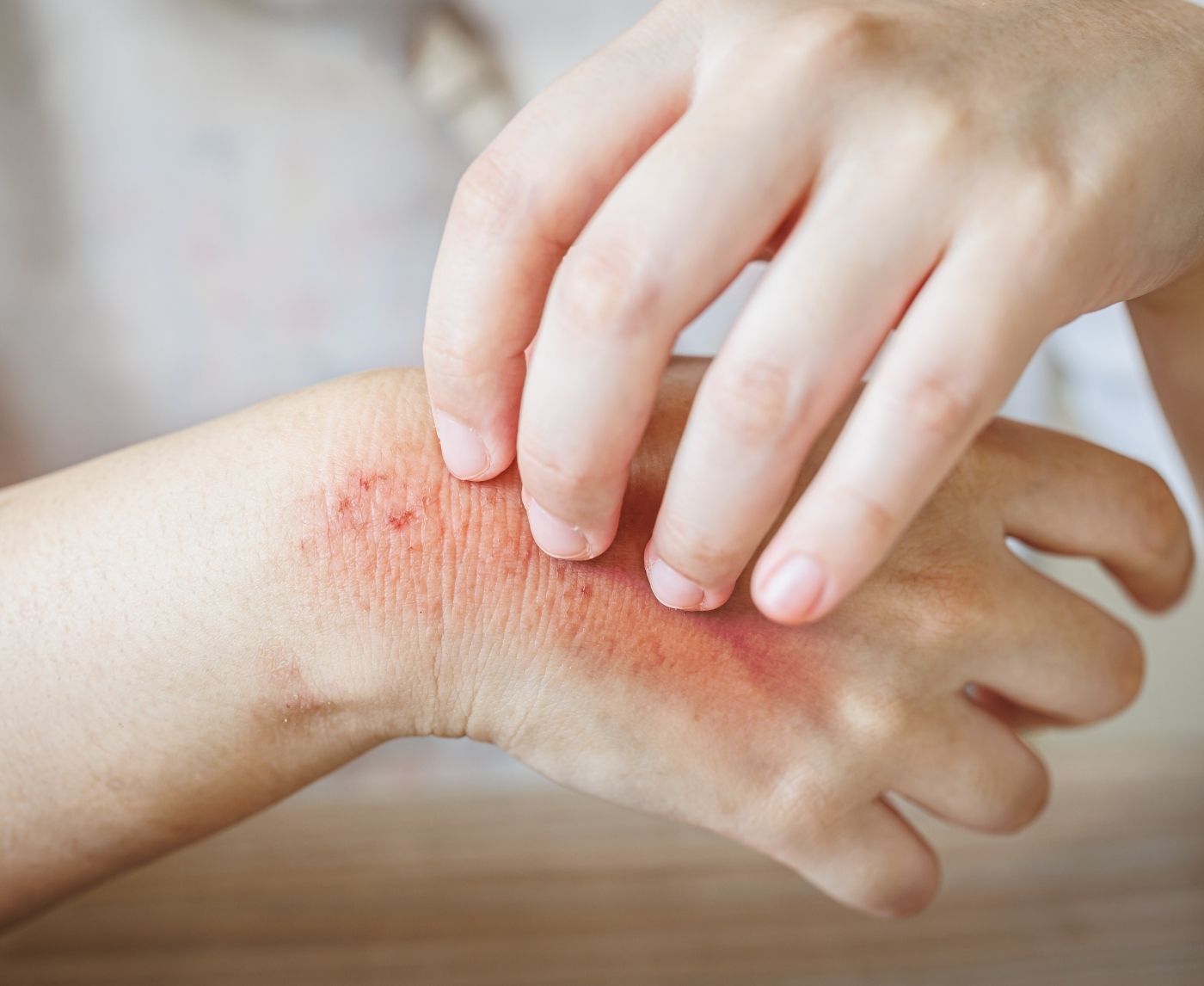
- Rash (typically on the chest or face)
Not everybody will develop all of these symptoms. Some develop only slight symptoms, and others are hit severely.
One 29-year-old from the Pozhet project recalled, "I thought I had the worst flu of my life—but it never occurred to me it could be HIV. By the time I found out, I'd already passed it on to my partner."
This phase is particularly dangerous since it overlaps with the highest viral loads, i.e., the infected person is very contagious—often unknowingly.

The Benefits of Early Diagnosis
Early detection of acute signs of HIV is not just a peace-of-mind issue—it's a matter of protecting your and other people's health. Early diagnosis can:
- Reduce long-term damage to your immune system
- Cause you to start treatment sooner
- Reduce your viral load more rapidly
- Stop spreading it further
- Give you better long-term health outcomes
- And more, it's liberating.
Learning your status sooner empowers you to act and opens the door to antiretroviral therapy (ART), which suppresses the virus to undetectable—and untreatable—levels.
A man from the Guardian's HIV stories archive put it this way: "Knowing early didn't change the fact that I was positive, but it changed everything about how I lived."
Early testing dispels stigma. Once individuals understand that HIV is a treatable disease with proper treatment, they will be more inclined to discuss it, be tested, and care for one another.
Check Your STD Status in Minutes
Test at Home with RemediumHIV Rapid Test Kit
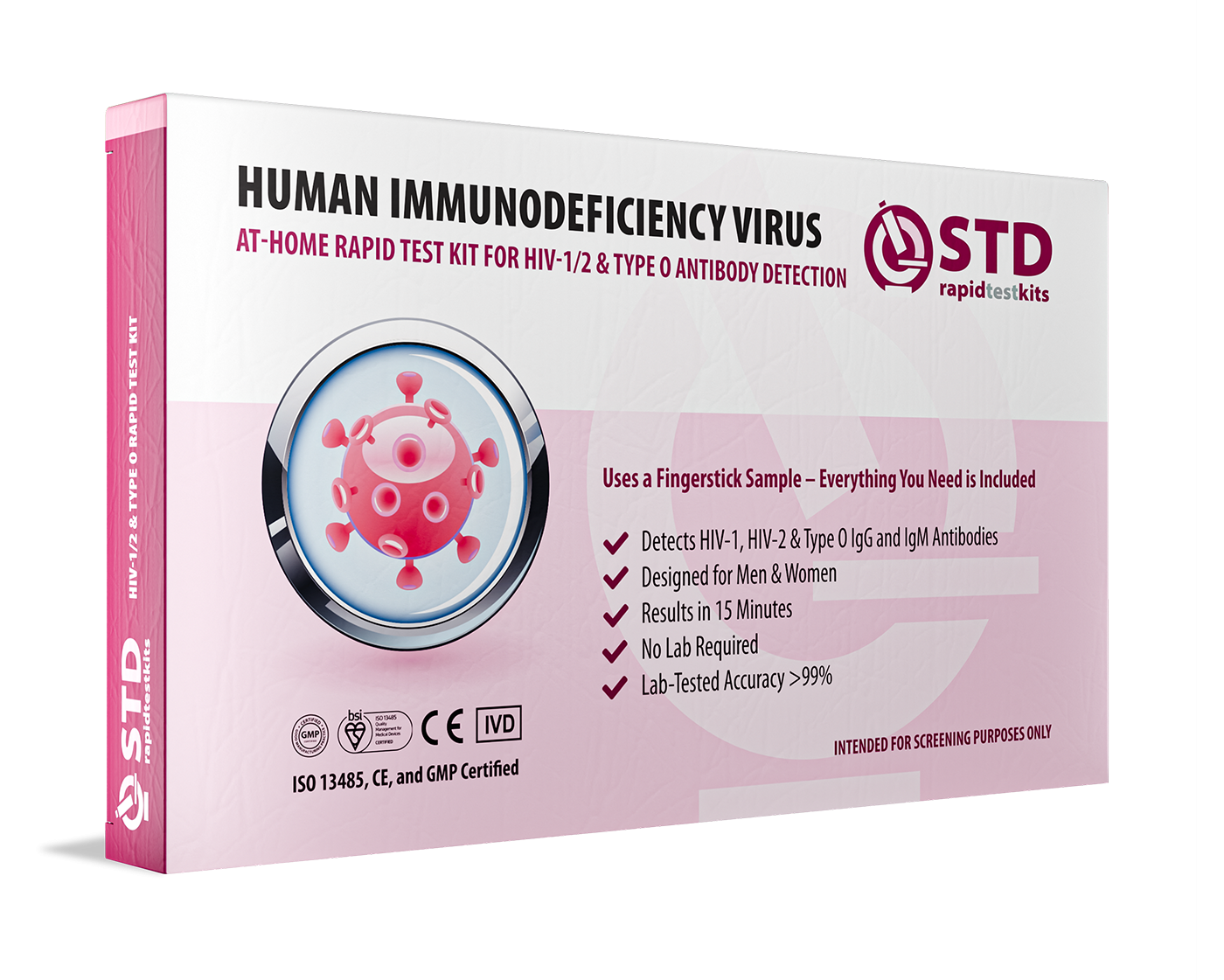
Claim Your Kit Today
Save 31%
 For Men & Women
 Results in Minutes
 No Lab Needed
 Private & Discreet
Order Now $33.99 $49.00
Why Acute HIV Is Easy to Miss
Therefore, if acute HIV has such a strong impact, why do so many people get past it?
- Symptoms are vague. Several of them mimic normal viral illnesses, like the flu or mononucleosis.
- Testing is not always accurate right away. Traditional antibody tests can't detect HIV at the acute phase.
- People don't think they're vulnerable. A lot of people who become infected never thought HIV was even in the running.
One 24-year-old woman interviewed anonymously, "I wasn't sleeping around. I wasn't using drugs. I thought I was safe. The rash and sore throat didn't faze me—but they should have."
There's also the tragic reality that stigma silences conversation. People are afraid of judgment more than they are of disease, and that fear can cost them precious time.

What You Can Do – Practical Solutions
If you believe you may have been exposed to HIV—even if your symptoms are slight—get tested immediately.
Here's what you can do:
- Choose a fourth-generation test: These tests look for both HIV antibodies and antigens, and can detect acute infection earlier than older tests.
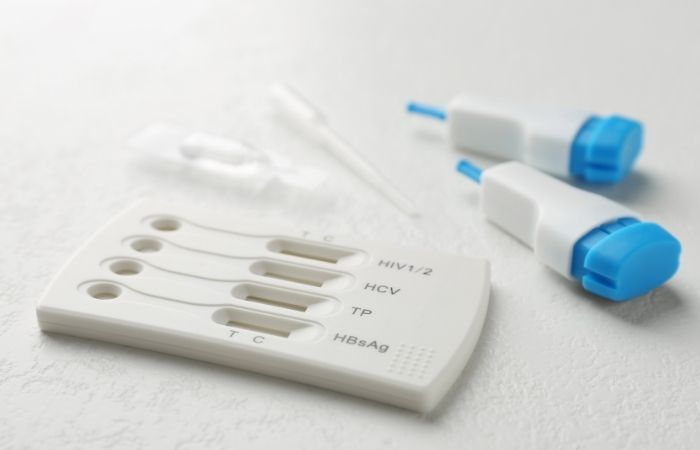
- Use at-home testing kits: For convenience and privacy, use at-home testing kits like those provided by STDRapidTestKits.com. These allow you to take control of your health in the privacy and comfort of your own home.
- Retest if needed: If you receive a negative result but continue to have symptoms or believe you recently contracted the virus, retest in 2-4 weeks.
- Talk to a doctor: Be open about your symptoms and worries. Physicians are there to help, not judge.
Above all, remember that HIV is treatable—and the earlier you know, the better.
Check Your STD Status in Minutes
Test at Home with Remedium6-in-1 STD Test Kit
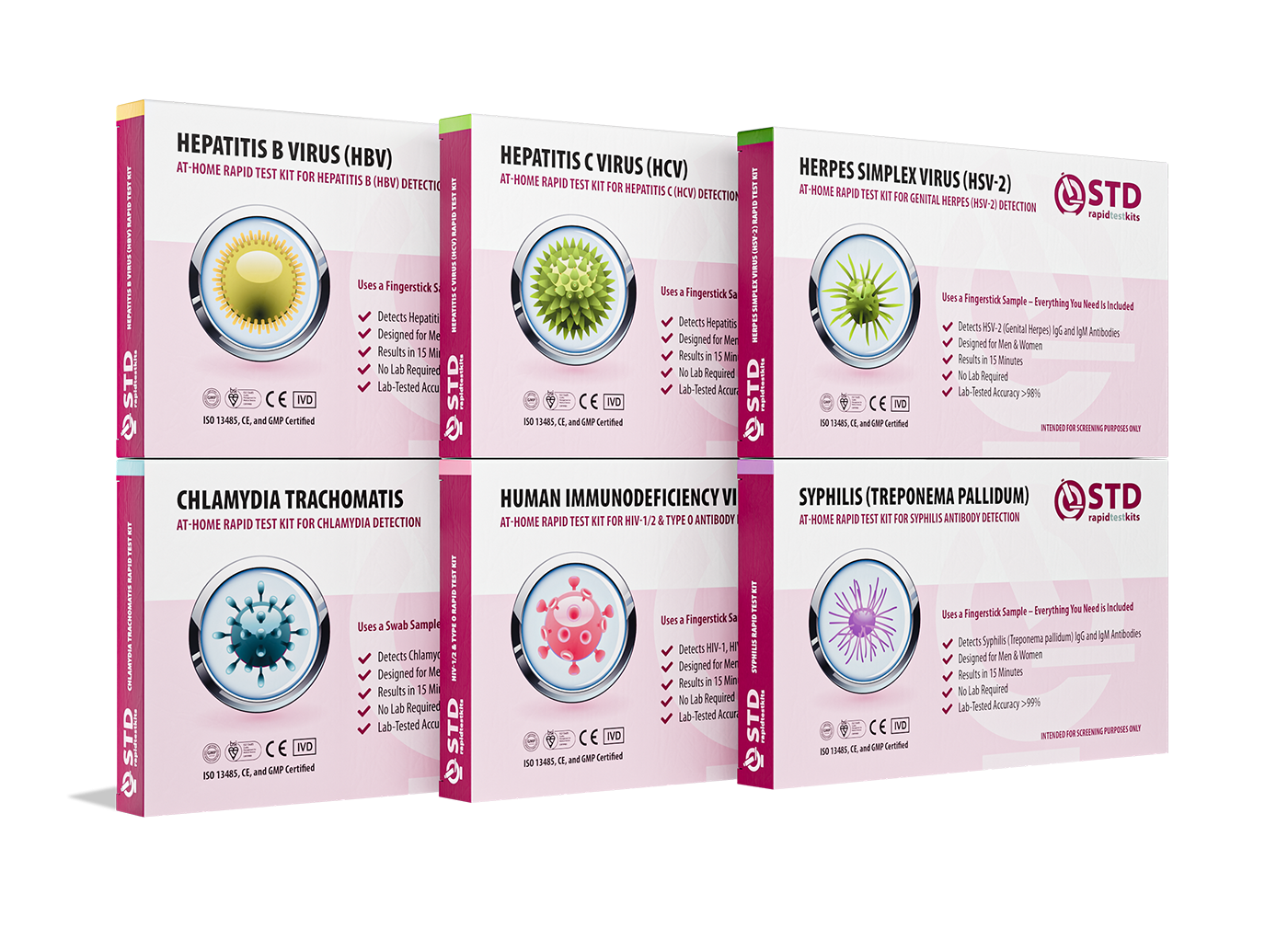
Claim Your Kit Today
Save 60%
For Men & WomenResults in MinutesNo Lab NeededPrivate & DiscreetOrder Now $119.00 $294.00
For all 6 tests
What the Data Says
Studies have shown that during the acute phase:
HIV viral loads increase to extremely high levels, and people become 8 to 26 times more infectious than they are in later phases.
The incubation period has a median of about 14 days, and the symptoms range from a few days to a few weeks.
A New England Journal of Medicine study found that patients in the acute-phase had the highest risk of infecting sexual partners with HIV, often because neither party was aware that they were infected.
From a public health viewpoint, detection and treatment of acute HIV quickly would drastically curtail new infections nationwide.
Expert Perspectives and Case Studies
Acute diagnosis is key, says infectious disease doctor Dr. Angela Bower:
"We're most likely to avoid transmission of HIV if we diagnose it in the acute phase. But because people wait until the symptoms resolve—or remain unaware of them—we typically miss the window."
One favorable case study published in Medicine (Baltimore) was that of a 32-year-old male who came in with a rash, night sweats, and a throat sore. He was treated for strep and sent home. Three weeks later, he returned on a follow-up visit and HIV was discovered. Luckily, he began treatment early enough to spare his immune system much damage.
Another is through HIV.gov, where a woman described her experience:
"I took a test on a whim—because of an outbreak of rash—and it saved my life. I wouldn't have put two and two together otherwise."
These anecdotes highlight the importance of paying attention to your body, seeking help early, and demanding more specific testing when you get the feeling something is amiss.
Debunking Common Myths
Let's debunk a few myths:
- Myth: "If I had HIV, I'd know."
- Reality: Most people mix up acute symptoms for a cold or flu.
- Myth: "Rash alone isn't a big deal."
- Reality: Rash, especially with or without fatigue and fever, is a giant HIV red flag.
- Myth: "I tested negative last week, so I'm good."
- Reality: If you had been exposed recently, you could still be in the window period. You need to retouch test.
- Myth: "Only risky-living people get HIV."
- Reality: Anybody can get HIV. Period.
Learning (and sharing) saves lives and counters stigma.
Frequently Asked Questions
1.- When do symptoms appear after exposure?
Usually 2–4 weeks after exposure, but variable.
2.- What does an acute HIV rash look like?
Typically flat or slightly raised red spots, most often on the chest, face, or arms.
3.- Is sore throat a symptom of HIV?
Yes—when accompanied by other symptoms like fever and fatigue, it can signal acute infection.
4.- Can I test positive during acute infection?
Yes, but you need a fourth-generation or RNA test for an accurate result.
5.- Are in-home tests valid for acute HIV?
Some are. Utilize reputable suppliers such as STDRapidTestKits.com and have a follow-up professionally done if unsure.
6.- Do I have acute HIV if I don't show any symptoms?
Yes, some people are completely asymptomatic yet extremely contagious.
7.- For how long is the acute period?
Typically 2–4 weeks, but certain symptoms may take longer.
8.- What should I do if I suspect that I have acute HIV?
Get tested immediately and visit a healthcare provider.
9.- Is treatment started during acute infection?
Yes—early treatment is highly recommended and keeps outcomes better.
10.- Is it possible to cure HIV if it is diagnosed early?
Not yet, but early treatment keeps it suppressed and prevents transmission.
Don't Wait, Get Tested
If you are "off" and can't quite put your finger on why—especially if you've had sex, especially unprotected sex, or any other form of high-risk exposure lately—don't blow it off. A rash, sore throat, fever, or fatigue can be nothing. or the first sign your immune system is fighting something big.
The good news? You've got choices. You can test quickly and privately with at-home test kits available through STDRapidTestKits.com. Be safe. Take control of your life. Get tested today.
Sources
1.- The Lancet
2.- American Journal of Medicine
3.- Journal of Clinical Virology
4.- New England Journal of Medicine


