





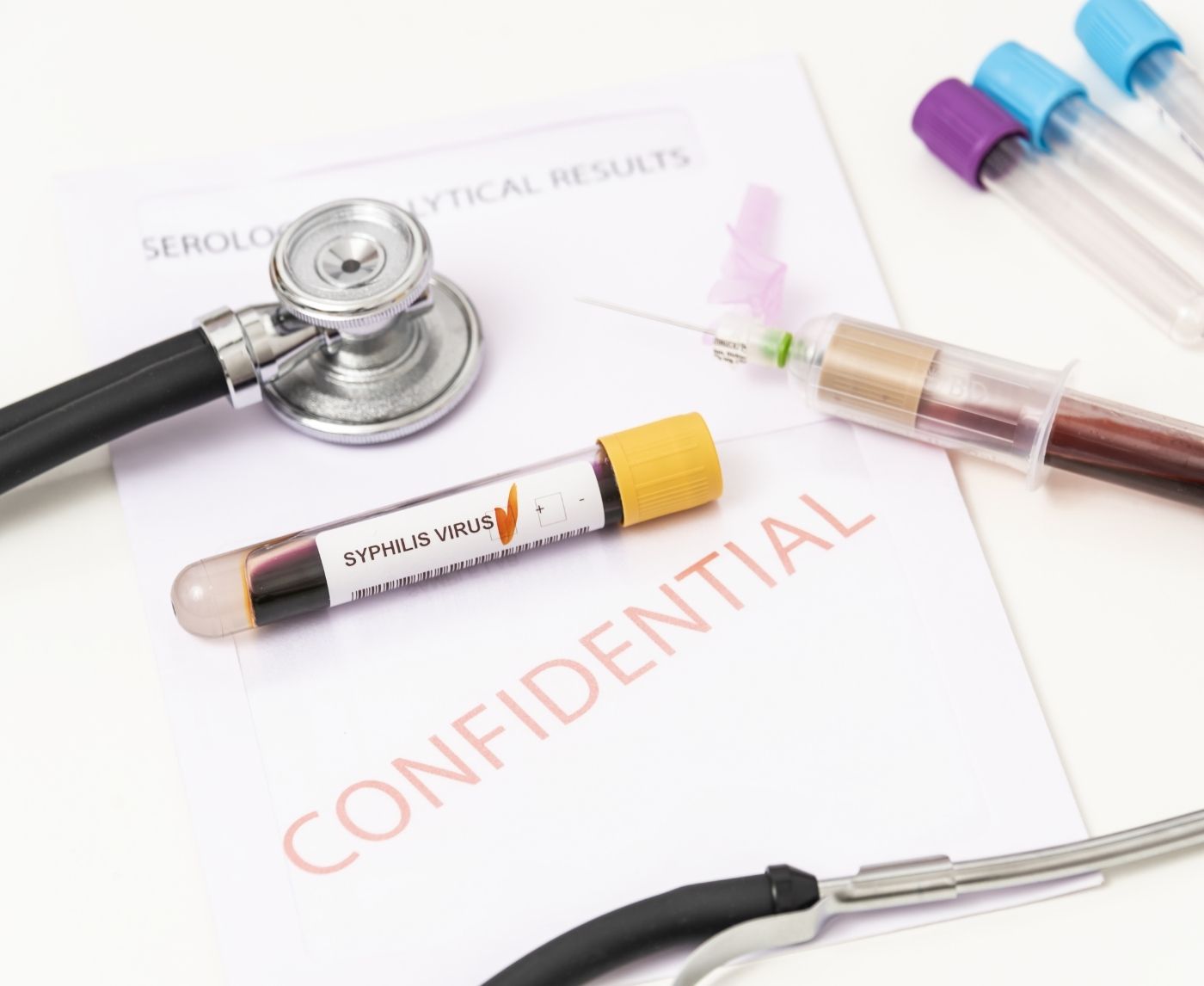

STD Window Periods: When to Test and What to Expect
Today, we're walking you through the early syphilis symptoms and late-stage symptoms, exactly what they actually look like in real life, and how you can test safely—even at home. We're getting into challenges, myths, doctor insights, and real-life solutions for remaining in control of your sexual health.
What Is Syphilis and Why It's On the Rise
Syphilis is an infection with the bacterium Treponema pallidum transmitted by sexual contact (STI). It is mainly transmitted during sex, such as oral, vaginal, and anal sex. You also get infected with syphilis through direct contact with syphilitic ulcer, mostly during sex.
Long thought to be all but eradicated in most nations, syphilis is on the resurgence. Indeed, worldwide cases have been climbing for more than a decade, with spectacular spikes among both men and women. Among the reasons why? Lower public awareness, stigma associated with testing, and unequal access to health services. It's also simple to misread or overlook the symptoms—many just don't know them or don't recognize them as a serious STD.
What is so menacing about syphilis is the manner in which it can progress unaware. You get a sore and figure that it's a razor burn or something harmless. It clears up—and you believe all is well. But if it isn't treated, the infection persists within your system, progressing unaware to more serious stages.
Syphilis develops in stages: primary, secondary, latent, and tertiary. Each stage will present its own symptoms, and not everyone will have them in the same way. That's why it's so crucial to understand what syphilis is like in each stage—and how to test when something doesn't feel right.
Early Detection of Syphilis Is a Game Changer
Let's discuss benefits—because when you treat syphilis early, you're not only protecting yourself. You're ending the cycle of transmission and stopping long-term damage.
Early Treatment Is Easy and Efficient
Early syphilis is typically treated with one penicillin injection. That's all. No intricate regimens or hospitalization. The sooner you treat it, the easier your road to recovery.
You Avoid Serious Health Issues Later
Untreated syphilis can kill the heart, brain, and other organs. It can also lead to blindness, paralysis, and even death. That's no laughing matter. All of these, though, can be avoided with early detection.
It Helps Protect Your Partners
Syphilis is spread easily during sex—most often when you have no clue that you have it. If you catch it early and treat it, you can protect your existing and future partners.
You Are in Control of Your Health
There's a feeling of control when you know what's happening inside your body. Testing and knowing early about problems means you do not have to live in uncertainty or fear.
Home Testing Makes It Easier Than Ever
You no longer need to wait for a clinic visit. Trustworthy at-home STD test kits allow you to test for syphilis discreetly and conveniently, in the comfort of your own environment.
Order Now $33.99 $49.00 Check Your STD Status in Minutes
Test at Home with Remedium
Syphilis Test Kit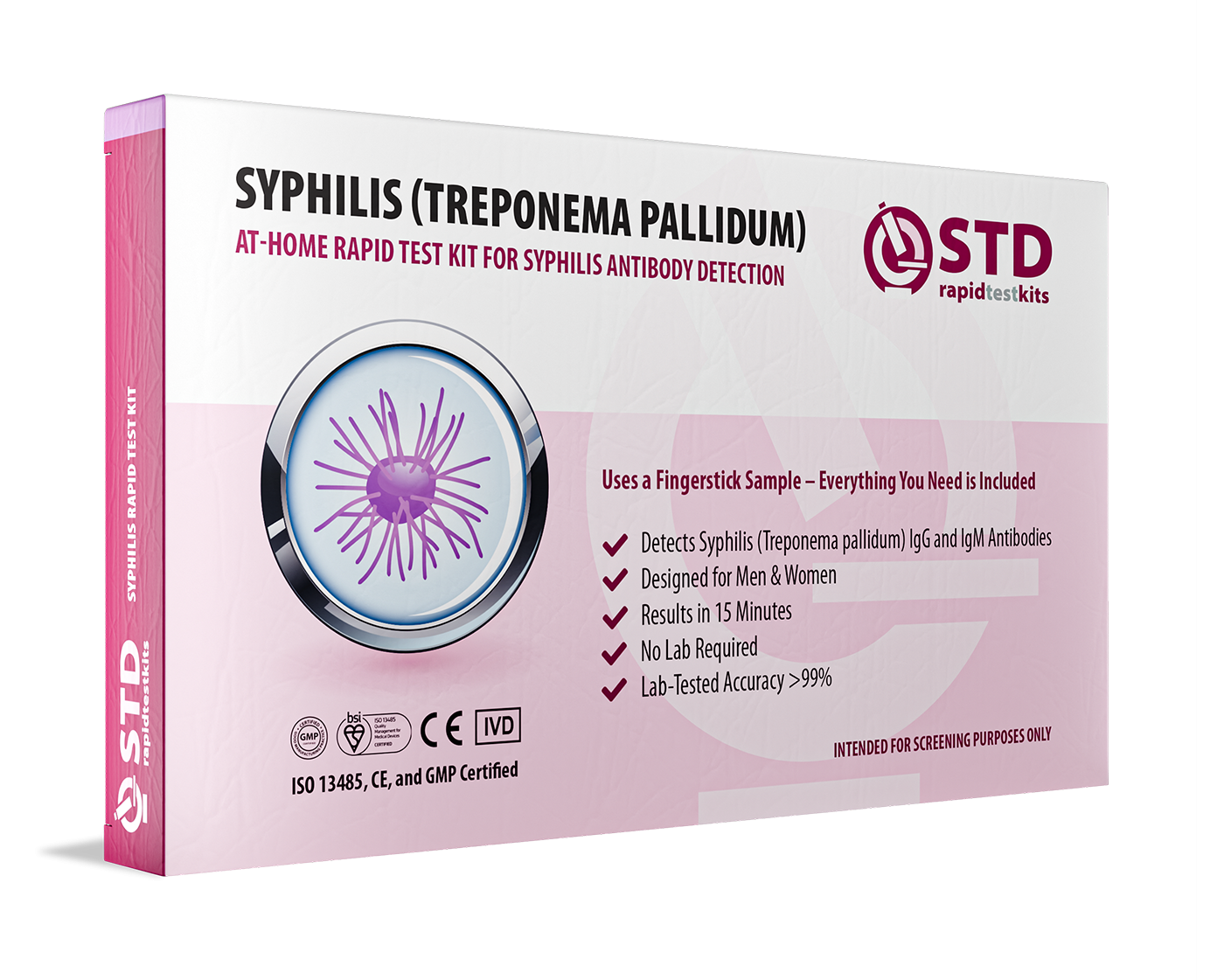 Claim Your Kit TodaySave 31%
 For Men & Women
 Results in Minutes
 No Lab Needed
 Private & Discreet
Real Story: Jen's Wake-Up Call
Jen, 27, assumed the small sore on the inside of her leg was a razor burn. It didn't hurt and healed within a week. A month later, she began to feel drained and broke out in a rash on her hands. That's when she was tested—proved to be syphilis. She was treated right away and fully recovered, but now she advises her friends to "never ignore weird skin stuff."
Why Syphilis Is Often Undetected
Perhaps the most significant risk of syphilis is how unsuspectingly it goes undiagnosed. Most of the individuals suffering from it don't know, or they assume the symptoms to be something different. That's one of the largest of our public health challenges at present: delayed treatment and diagnosis.
Mild or Hidden Symptoms
The first symptom of syphilis is generally one ulcer called a chancre. It doesn't hurt and usually develops where it's difficult to spot—like on the inside of the mouth, anus, or under the foreskin. After it heals, people assume they're fine again. The infection, however, has just started.
It Mimics Other Conditions
Secondary syphilis also shows up as a rash on the skin, fever, swollen glands, or even hair loss. They appear exactly like other diseases such as the flu, eczema, or allergies—all difficult to link together.
Latent Stage Provides a False Sense of Security
Once the rash and other symptoms disappear, syphilis goes into its latent phase. You're fine, but the bacteria continue to exist within you. The silent phase could last for years, in the meantime syphilis is ravaging you on the inside.
Shame and Stigma Deter Testing
There's only so much of a stigma around STDs. People don't want to know what other people will think, so they'll refuse to get tested—even if they think something is wrong.
Testing Isn't Always Accessible
Regardless of whether it's due to an absence of local clinics, time, funds, or fear of stigma, the majority are not able to test themselves. This is particularly common among underserved groups or those who have limited sexual health services.
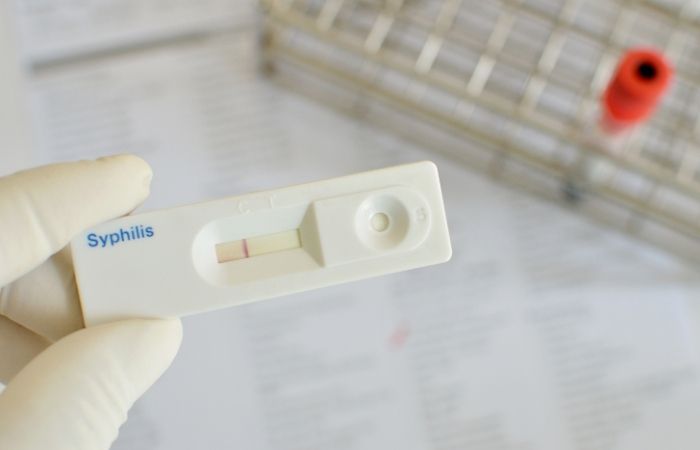
What You Can Do to Protect Yourself
Luckily, syphilis is easily diagnosed and preventable from advancing. Here's how you can protect yourself:
- Learn the Early Warning Signs: Notice painless blisters, palm or sole rashes, and flu-like illness. Even if they go away, it doesn't mean you're safe—get tested just in case.
- Test Often: If you are sexually active, especially with new or multiple partners, testing should be included in your routine health checkup. You don't have to wait for symptoms to develop.
- Get At-Home STD Test Kits: Discreet, easy-to-use test kits for STDs can be purchased over the internet. They allow you to test syphilis and other STDs from home without that embarrassing trip to the clinic.
- Talk to Your Partners: Open discussions about testing, protection, and symptoms are protective for all involved. Admittedly, it makes you cringe a bit—but also proves to be an act of maturity and respect for yourself.
- Get Treatment Right Away If You're Positive: Penicillin is still the gold standard for treatment of syphilis, and it works quite well—particularly in the early stages. Don't wait. The sooner you get treated, the better.
Syphilis by the Numbers
The statistics are grim—and they indicate why education is necessary.
A Global Resurgence
The World Health Organization estimates that 7.1 million new syphilis cases occur worldwide every year. That's not a typographical error—millions. The increase is particularly steep in urban areas and among young adults.
U.S. Trends
The CDC estimates syphilis infections in the United States increased 74% between 2017 and 2021, with the highest incidence among those aged 25–34 years. Congenital syphilis (transmitted from mother to infant during pregnancy) is also alarmingly on the rise, increasing nearly 200% over five years.
Hidden Danger
A recent study reported that over 40% of syphilis patients had no recollection of ever having experienced any symptoms of the disease themselves—they only got the diagnosis when they volunteered for a test.
Holes in Testing
Another survey found that almost 1 out of every 3 sexually active adults indicated that they'd never been tested for an STD. Among sexually active adults at high risk for STDs, the percentage was even higher.
Testing does. Treatment does. But syphilis sneaks around when we are not focusing on it—and that's the way these figures go up.
Order Now $69.00 $147.00 Check Your STD Status in Minutes
Test at Home with Remedium
3-in-1 STD Test Kit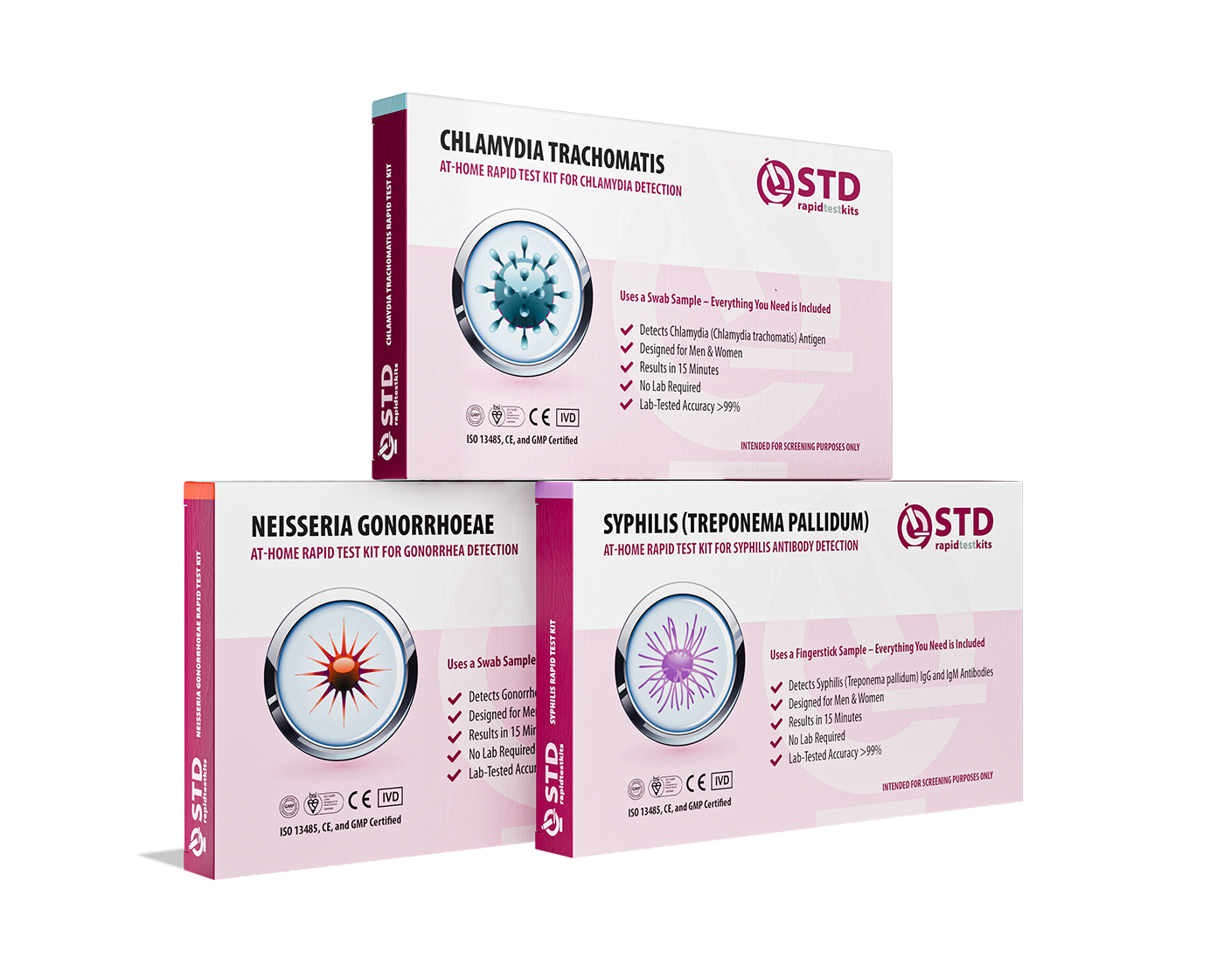 Claim Your Kit TodaySave 53%For Men & WomenResults in MinutesNo Lab NeededPrivate & Discreet
For all 3 tests
What Doctors and Patients Are Saying
Listening to the experts and real people puts this issue in perspective. These are comments from those who have experienced living with syphilis both in and out of the clinic.
Dr. Maria L. Greene, Infectious Disease Specialist
"One of the biggest myths about syphilis is that it's old news. It's not. I diagnose cases every week—most often in people who are shocked to find out that they did. They had assumed it was a skin infection or tiredness. By the time we diagnose it, it's already in the secondary or even latent phase."
Dr. Greene goes on to add that regular screening is particularly required for pregnant women, who are immunocompromised, or who have over one sex partner.
Case Study: Jamal's Missed Clue
Jamal, 33, noticed a sore on the side of his penis but attributed it to exercise friction. One month later, when he began experiencing a silly rash on his chest, he went to see a doctor—who had him get a syphilis test immediately. "I never knew what a chancre was or that syphilis still existed," he says. "I got the shot and I'm fine now, but had I not gotten it, it would've kept going."
Case Study: Lila's Home Test Result
Lila, 25, was exhausted and had swollen lymph nodes for weeks. After researching her symptoms on the internet, she bought an at-home STD test kit. She tested positive for syphilis. "I was so glad I could get tested at home. I don't know how long I would have waited otherwise," she states. "The treatment was a breeze, and now I'm the one telling my friends to go get tested."
Healthcare Viewpoint: Nurse Practitioner Alex Wei
"There is a great deal of stigma about STDs still," states Alex, who works in a community health clinic. "That is why home testing is a game-changer. They enable people to get control without being embarrassed. And the sooner they catch something like syphilis, the simpler the cure."

Historical Background: The Way Syphilis Has Developed Over Time
Syphilis is not new—it has existed for centuries. But how we know it and treat it has evolved a great deal.
The Early Days: A Mysterious Plague
The disease was first diagnosed in Europe around the late 1400s. Syphilis spread so fast and callously, earning nicknames such as "the great pox." There was no cure yet, and it made people miserable. It gradually had the power to kill a person's body, tending to result in dementia, the failure of their organs, and death.
The Penicillin Breakthrough
All this came crashing down with the invention of penicillin during the 1940s. Syphilis was now curable for the first time. Screening and treatment drives were introduced into public health during the 1950s and 60s, and this slashed cases dramatically.
The 1980s-2000s: False Sense of Security
With improved antibiotics and decreased visibility of symptoms, syphilis was thought by many to be "cured." STD programs lost funding. Fewer people spoke of it, and test rates dropped.
Comeback of the Day
Syphilis, as it turns out, had increased. The medical community approximated it was happening as a result of a combination of things: reducing sex ed, STD stigma, and falling condom use rates. Throw in the convenience of web-organized partner hookups, and, kablooey, that is a tempest.
Lesson from History: We need not be intimidated about discussing STDs; otherwise, they will simply go underground.
Check Your STD Status in Minutes
Test at Home with Remedium7-in-1 STD Test Kit
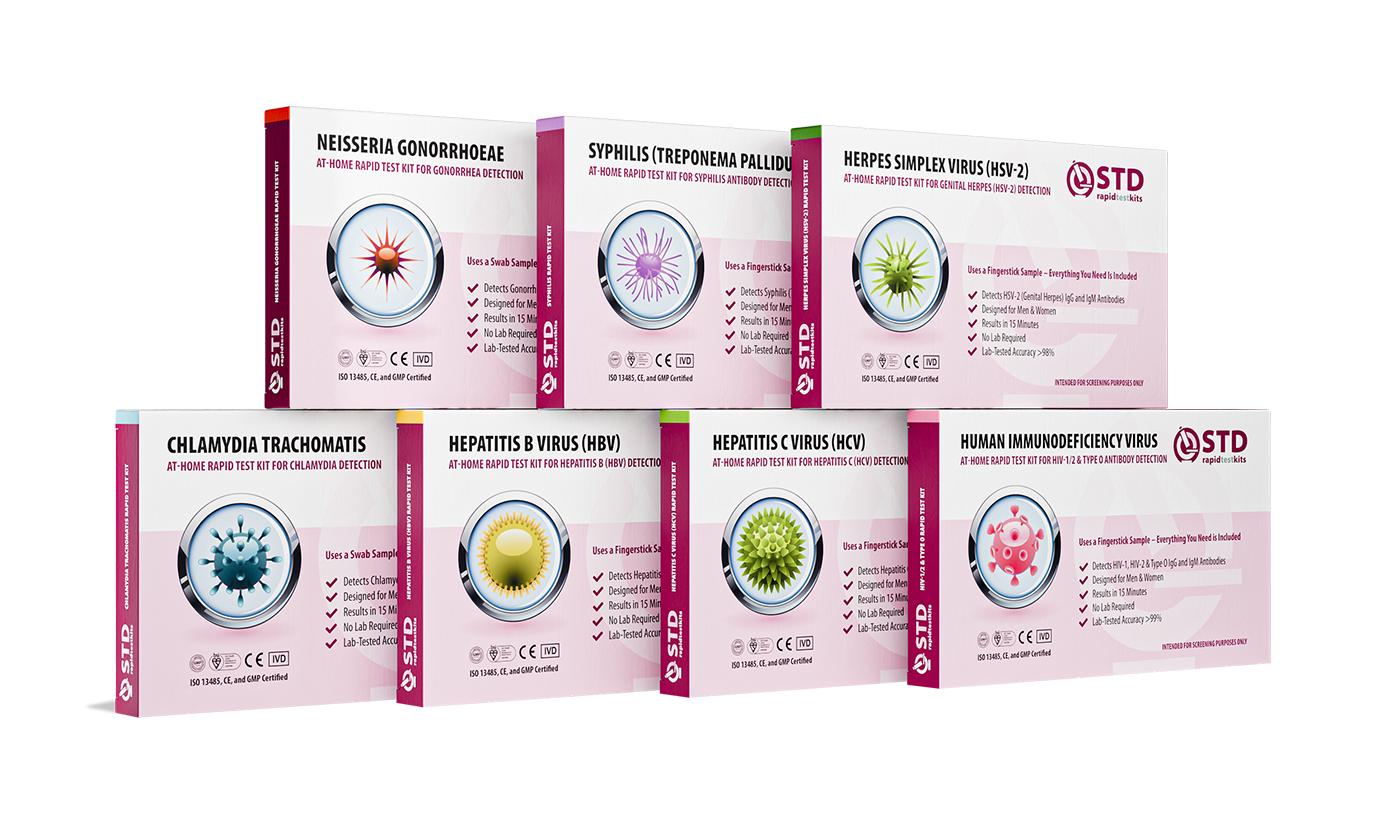
Claim Your Kit Today
Save 62%
For Men & WomenResults in MinutesNo Lab NeededPrivate & DiscreetOrder Now $129.00 $343.00
For all 7 tests
What's Next in the Battle Against Syphilis
As the world becomes increasingly interconnected and healthcare increasingly individualized, this is the future of syphilis prevention and treatment:
Expansion of At-Home Testing
STDs can now be tested for at home with highly sensitive, quick, and easy-to-use test kits. Syphilis in latent, often asymptomatic stages can now be detected with these kits. Ease of use is of greatest worth to remote residents or infrequent visitors.
Improved Education and Outreach
Public health agencies are finally starting to understand the power of awareness. New initiatives are going after young groups, the LGBTQ population, and at-risk populations. Messaging is also moving away from fear towards empowerment: "Know your status. Protect your health."
Accelerated Diagnostic Tools
Researchers are working on point-of-care syphilis tests that deliver immediate results in clinics, even outside clinics. Some such tests are already used with HIV tests to detect early co-infections.
STD Surveillance Based on AI
Epidemiologists increasingly employ artificial intelligence and predictive modeling to monitor outbreaks of syphilis in real time. That may facilitate more rapid intervention in clusters before infection takes off more widely.
Improvements in Policy and Access
Healthcare systems and governments also are investing more in reproductive and sexual health care. That entails free screening programs, expanded insurance coverage, and school-based screening in some communities.
The Bottom Line
The future of syphilis detection and prevention is smarter, faster, and more accessible. But it all begins with awareness—and you taking charge of your own health.
Practical Applications: Spying Syphilis in Everyday Life
Now, let's take all of this medicine mumbo-jumbo and ground it. How exactly do you use this stuff in your everyday life? Here's how you can make your knowledge pay off:
Monitor Yourself Regularly
You don't need to be a physician to monitor your own body. If you get a sore, bump, or rash—particularly on your genitals, mouth, or palms—don't just dismiss it. If it appears odd or unfamiliar, take it seriously.
Utilize At-Home Test Kits When in Doubt
Nervous or embarrassed? Home syphilis test kits allow you to determine without embarrassment. They include instructions and return envelopes, and results in a couple of days.
Post-Risky Encounter, Don't Wait
Engaged in unprotected sex or a partner who tested positive for an STD? You don't need to wait until you feel sick. Test beforehand—especially because syphilis can be occult.
Speak with Your Partner(s)
It's uncomfortable. We get it. But a "Hey, when did you ever get tested?" can prevent a lot of heartache. Open discussion of testing is as crucial as safe sex practice.
Make Regular STD Tests Routine
STD testing must be made routine like a dental checkup or physical. If you are sexually active, include it in your regular health regime—even when everything appears fine.
Check Your STD Status in Minutes
Test at Home with Remedium10-in-1 STD Test Kit
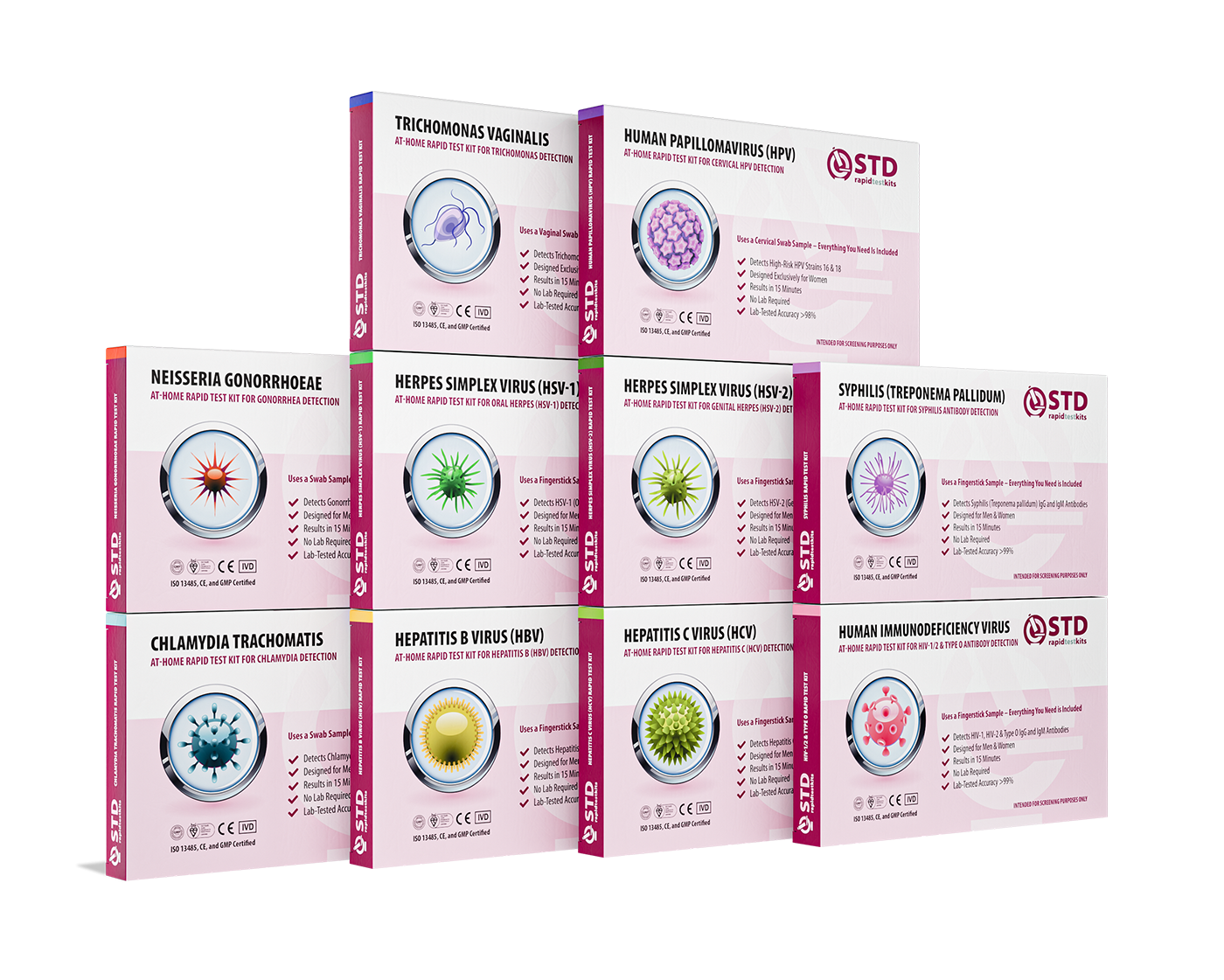
Claim Your Kit Today
Save 61%
 For WomenResults in MinutesNo Lab NeededPrivate & Discreet
Order Now $189.00 $490.00
For all 10 tests
Personal Stories and Testimonials: Real Voices, Real Impact
Personal experience can give a subject such as this one a less clinical—more human taste. Some additional of the first-hand experiences that might sound familiar are as follows:
Travis, 29
"I never had any symptoms, not even a sore. I got tested because my friend told me he was positive. And I was positive as well. To be honest, I felt cheated by my own body. But I was treated, and now I get tested every three months. It's just life now."
Emilia, 24
"I was ashamed to attend a clinic, so I used a home test. I came out positive for syphilis. I bawled at first, but the support from my partner and the speedy cure helped me to deal with it. The worst was the fear—not the sickness itself."
Jay, 38
"As a trans guy, I'd already seen medical bias in action, so I avoided doctors. But when I got an odd rash and my throat hurt, I went in and finally got tested. It was syphilis. The nurse I spoke to was terrific. No judgment, just assistance. I'm speaking out because I want other folks to feel like they're not by themselves."
Sophie, 19
"I thought STDs were only for those who 'sleep around.' But I was monogamous and caught syphilis anyway. Turned out my boyfriend had it and wasn't aware. Now I warn everyone: get tested even if you think you're safe."
Common Misconceptions: 5 Myths About Syphilis Symptoms
Syphilis has existed for centuries, but the myths haven't gone away. Let's set the record straight.
- Myth 1: Syphilis always has visible symptoms.
- Fact: Most never feel or even sense anything at all. The initial sore (chancre) is painless and can't be seen. Some only find out they have it by routine testing.
- Myth 2: A rash indicates it's something else—such as allergies.
- Fact: The rash of secondary syphilis is commonly confused with allergic reactions or skin conditions. But if you've had unprotected sex recently and get a rash—particularly on your hands or your feet—get tested.
- Myth 3: You can only get syphilis through intercourse.
- Fact: Syphilis is transmitted by touching a sore, which can occur during oral, kissing (if there is a sore), or genital skin contact—without penetration.
- Myth 4: Once the sore heals, you’re cured.
- Fact: The sore heals naturally, but the infection continues unless treated. This is how syphilis quietly moves into secondary and latent stages.
- Myth 5: Only promiscuous people get syphilis.
- Fact: Anyone who is sexually active can contract syphilis. Even people in committed relationships have tested positive after a partner was unknowingly infected.

FAQs
1.- What are the first signs of syphilis?
Typically one, painless sore at the site of infection—mouth, genitals, or anus. Some individuals don't even realize it's there.
2.- How long after infection do symptoms appear?
They may appear as early as 10 to 90 days after exposure but most often at 3 weeks.
3.- What does a rash from syphilis look like?
Typically, reddish-brown or red flat macules on the feet soles or palmar surface of the hand. It is not usually pruritic.
4.- Can syphilis be confused with another STD?
Yes—herpes, chlamydia, even HPV can mimic it, especially early on. A test is the only definite proof.
5.- Is syphilis contagious every stage?
It's most contagious during the primary and secondary phases. It's less so during the latent period but can occur under some conditions.
6.- Will syphilis clear up by itself?
No. The symptoms will go away, but the disease is still present in the body and worsens if it's not treated.
7.- How reliable are home syphilis tests?
Most over-the-counter home tests that are FDA-approved are CE-marked and are very accurate if used properly. They're an excellent early detection method.
8.- What will happen if I don't treat syphilis?
It can result in serious complications such as brain damage, heart disease, blindness, and even death. Advanced-stage syphilis is extremely hazardous.
9.- Am I at risk of getting syphilis again after treatment?
Yes. After having syphilis, you're never immune. You may be reinfected by way of new exposure.
10.- Is testing painful or invasive?
No way. Finger-stick blood samples or blood draws are the usual routine. Swabs can also be done depending on symptoms. Home test kits are extremely easy and uncomplicated.
Take Control of Your Health: Don't Wait to Get Checked
You don't have to wait for symptoms—or for fear to build up. Syphilis is extremely treatable, particularly when diagnosed early, but waiting can have serious consequences.
Learn what to seek out—such as painless blisters, strange rashes, or unjustified fatigue—is where it starts. Then? Test yourself. Visit a clinic or buy home STD testing kits, whichever is your convenience. And with knowledge comes real power.
With education, you shield your body, your loved ones, and your own mind.
- Test yourself on a regular basis.
- Try home STD testing kits if clinics are inconvenient.
- Learn more and share with others.
You don't have to be scared or depend on myths to manage your health. You're in charge—and we're on your side.
Sources
1.- Centers for Disease Control and Prevention (CDC) - About Syphilis
2.- Mayo Clinic - Syphilis: Symptoms and Causes
3.- World Health Organization (WHO) - Syphilis Fact Sheet
4.- Mayo Clinic - Sexually Transmitted Disease (STD) Symptoms


