






Quick Answer: Smelling different after sex is often caused by temporary vaginal pH changes from semen or saliva. If the odor lingers, becomes strongly fishy, or is paired with discharge, itching, or irritation, it may signal Bacterial Vaginosis or an STD and should be tested.
This Isn’t Just in Your Head, Sex Changes Vaginal Chemistry
Your vagina is not passive. It is a living ecosystem. Under normal conditions, its pH sits between 3.8 and 4.5, slightly acidic and protective. That acidity keeps disruptive bacteria in check and helps beneficial lactobacilli dominate the environment. It is not random. It is defense.
Now enter semen. Semen has a pH between 7.2 and 8.0, meaning it’s alkaline. When ejaculation happens internally, the vagina temporarily shifts toward alkaline to accommodate sperm survival. That shift can last hours. Sometimes longer. During that window, odor can change.
Picture Maya, 24, waking up the morning after unprotected sex with her new boyfriend. She showers, then pauses. “I smell… different,” she thinks. No pain. No itching. Just stronger. What she’s noticing is the natural chemical clash between acidic vaginal flora and alkaline semen. It’s not glamorous biology, but it is normal biology.
What Happens to Vaginal pH After Sex?
The shift isn’t dramatic enough to feel. You won’t sense the pH number changing. But your microbiome responds quickly. Lactobacilli levels dip temporarily. Other bacteria gain short-term opportunity. Most of the time, balance returns on its own within 24 to 48 hours.
Odor changes during that period can include a mild metallic scent, a slightly sour smell, or something musky. These are not automatically infections. They are chemical reactions between fluids, sweat, and bacteria. They are transient.
| Activity | Typical pH Impact | Duration of Shift | Common Odor Pattern |
|---|---|---|---|
| Protected vaginal sex | Minimal pH disruption | Hours | Light musky scent |
| Unprotected ejaculation | Temporary alkaline shift | Up to 24–48 hours | Stronger, slightly sour or metallic |
| Oral sex | Variable, depends on saliva bacteria | Several hours | Subtle change, usually mild |
| Anal-to-vaginal contact without washing | Higher bacterial transfer risk | Can disrupt balance longer | May increase risk of fishy odor |
If the smell fades within two days and you feel physically comfortable, it was likely a simple pH fluctuation. Bodies recalibrate. They’re built to.

People are also reading: Silent STDs That Can Leave You Infertile Without a Clue
When It’s More Than Chemistry: The Fishy Smell Question
Here’s where anxiety spikes. The word “fishy.” That specific odor triggers alarm bells because it’s commonly associated with Bacterial Vaginosis. BV is not technically an STD, but it is often triggered or worsened by sex, especially with a new partner.
BV happens when protective lactobacilli decrease and anaerobic bacteria overgrow. The result is a distinctly fish-like smell that may intensify after sex. Why after sex? Because semen temporarily raises pH even further, amplifying the odor compounds BV bacteria produce.
Jasmine, 31, noticed the smell only after her partner ejaculated inside her. “It was fine before,” she says. “But the next morning it was strong.” That detail matters. BV odor often becomes more noticeable post-ejaculation because alkaline semen reacts with amines produced by BV-associated bacteria.
If the smell is sharp, persistent, and doesn’t resolve within 48 hours, it’s time to consider testing.
BV vs STD: How to Tell the Difference
Odor alone is rarely enough to diagnose anything. That’s the frustrating truth. But patterns help. Duration helps. Associated symptoms help. And testing brings clarity.
| Feature | Normal pH Shift | Bacterial Vaginosis | Trichomoniasis | Chlamydia/Gonorrhea |
|---|---|---|---|---|
| Odor | Mild, temporary | Strong fishy smell | Strong, unpleasant | Usually none |
| Discharge | No change | Thin, gray-white | Yellow-green, frothy | May be yellow/green |
| Itching/Irritation | None | Usually minimal | Often present | Possible burning with urination |
| Duration | Under 48 hours | Persists until treated | Persists | Can be silent |
Notice something important here. Chlamydia and Gonorrhea often do not cause odor at all. Many people have zero symptoms. That’s why smell alone cannot rule out an STD.
If you’re unsure, this is where proactive testing shifts you from spiraling to steady. You can explore discreet at-home options at STD Rapid Test Kits if you want clarity without a clinic visit.
How Long Should Post-Sex Odor Last?
This is the timeline most people want but rarely find clearly explained. A normal pH-related odor shift typically resolves within 24 to 48 hours. It may shorten if you urinate, shower, or naturally discharge residual semen.
If the odor is still present after three days, especially if it’s intensifying, that’s no longer a simple chemical shift. That suggests bacterial imbalance. If it’s paired with itching, irritation, pelvic discomfort, or unusual discharge, testing becomes even more important.
Think of it like this. Temporary scent shift is a ripple. Persistent fishy odor is a wave that doesn’t settle. The difference is time.
What About Oral Sex? Can Saliva Change pH?
Yes. But usually not dramatically. Saliva contains bacteria and has a near-neutral pH. In most cases, the vagina recalibrates quickly. However, if oral bacteria disrupt your microbiome repeatedly, especially with a new partner, it may contribute to BV in susceptible individuals.
This is not about cleanliness. It’s about microbial ecosystems meeting for the first time. New partners often correlate with BV episodes because your body is adapting to new bacterial exposure.
That doesn’t mean you did something wrong. It means biology is complex.
When to Test Instead of Waiting It Out
If the odor persists beyond 48 to 72 hours, if discharge changes color or consistency, or if irritation begins, testing is the most grounded next step. Not doom-scrolling. Not self-blame. Testing.
If you had unprotected sex with a new partner and you’re feeling unsure, comprehensive screening can provide reassurance. A combination kit that screens for multiple common infections, like the Combo STD Home Test Kit, can help you rule things out quickly and privately.
Peace of mind is not dramatic. It’s responsible. And it’s yours.
Check Your STD Status in Minutes
Test at Home with Remedium8-in-1 STD Test Kit
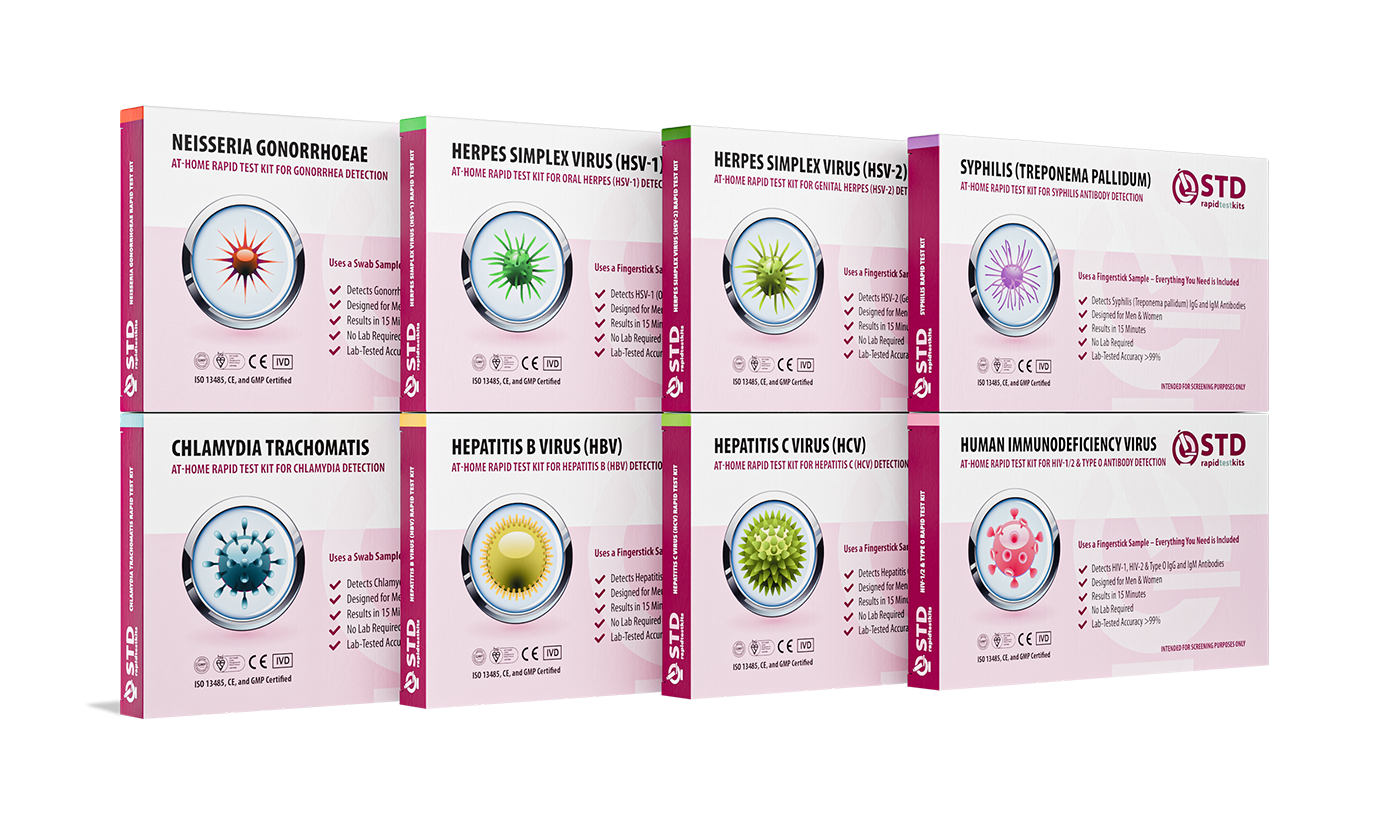
 For Men & Women
 Results in Minutes
 No Lab Needed
 Private & Discreet
Order Now $149.00 $392.00
For all 8 tests
When It’s Not Just pH: The Infections That Can Change Your Scent
There’s a particular kind of silence that happens when someone types “fishy smell after sex” into Google. It’s not casual curiosity. It’s tight-chested, heart-beating-in-your-ears anxiety. The fear isn’t just about odor. It’s about what it might mean. About who you were with. About whether you trusted too quickly.
Let’s ground this in reality. The most common cause of a strong fishy odor after sex is Bacterial Vaginosis. It is not a moral verdict. It is not proof of cheating. It is not a sign you are “dirty.” It is a microbiome imbalance that affects nearly one in three women at some point in their lives.
But BV isn’t the only possibility. Trichomoniasis, a sexually transmitted infection caused by a parasite, can also produce a strong, unpleasant odor. Unlike BV, trichomoniasis often includes irritation, burning, or frothy yellow-green discharge. Meanwhile, Chlamydia and Gonorrhea frequently produce no odor at all, which is why relying on scent alone can be misleading.
The Microbiome After a New Partner
New partner sex hits differently. Not just emotionally. Biologically. Your vaginal microbiome is adapted to you. When you introduce new semen, new skin bacteria, or even new saliva, your body has to recalibrate. Sometimes it does so smoothly. Sometimes it overreacts.
Think about Leah, 27, who noticed she only developed odor after starting a new relationship. “It didn’t happen with my ex,” she said, almost whispering it like a confession. What she was really observing was microbial adjustment. Different partners carry different bacterial profiles. Your body may need time to find equilibrium.
This is one reason BV episodes are statistically more common with new or multiple partners. It isn’t about blame. It’s about bacterial exposure patterns.
How Long Is Too Long? A Timeline That Makes Sense
The difference between a temporary change in smell and an infection that can be treated is often how long and how strong it is. A normal post-sex odor fades as your pH returns to baseline. An infection lingers. Sometimes it worsens.
| Time Since Sex | What’s Likely Happening | Recommended Action |
|---|---|---|
| 0–24 hours | pH reacting to semen or saliva | Monitor, avoid douching, allow natural balance |
| 24–48 hours | Microbiome recalibrating | If odor fading, likely normal |
| 72+ hours | Possible bacterial imbalance | Consider BV or STD testing |
| Any time with itching, pain, unusual discharge | Higher infection likelihood | Test promptly |
The urge to fix it immediately can be strong. You might be tempted to douche, use scented wipes, or try aggressive “pH balancing” products. Resist that impulse. Douching can worsen imbalance and increase infection risk. The vagina is self-cleaning. Interference often prolongs the problem.
The Emotional Spiral No One Talks About
Odor anxiety is rarely just about odor. It’s about vulnerability. You shared your body. Now you’re worried something went wrong. Maybe you replay the moment he finished inside you. Maybe you wonder if he’s been tested. Maybe you feel embarrassed bringing it up.
That spiral can make even a mild scent feel catastrophic. I’ve seen patients convinced they had a severe infection when what they were experiencing was a 24-hour pH adjustment. I’ve also seen people dismiss persistent odor for weeks because they were too afraid to test.
The middle ground is calm curiosity. Observe. Track duration. Notice accompanying symptoms. Then choose clarity over guessing.
Testing Without the Clinic Waiting Room
Some people avoid testing because they dread the fluorescent-lit waiting room, the clipboard questions, the awkward small talk. Others live in rural areas where clinics are far away. Privacy matters. Autonomy matters.
Discreet at-home testing can bridge that gap. If odor persists or if you simply want reassurance, options like a multi-panel screening kit allow you to check for common infections without leaving home. Results stay private. You control the next steps.
Returning to STD Rapid Test Kits lets you compare options calmly instead of panic-searching random forums at midnight. That shift alone can lower your anxiety.
Can You Have an STD With No Smell at All?
Yes. And this is crucial. Many STDs are asymptomatic. Chlamydia is famously silent. Gonorrhea can be subtle. Even Trichomoniasis doesn’t always present dramatically. That means odor cannot be your sole screening tool.
Ella, 22, felt completely normal. No odor. No discharge. She tested after a partner told her he’d tested positive for chlamydia. Her result was positive too. She would never have known based on smell alone.
This is why post-sex odor conversations should include broader sexual health awareness. If you’ve had new or unprotected partners, periodic screening is smart even if everything smells and feels normal.
Does Semen “Cause” BV?
Semen doesn’t directly infect you with BV. BV is not transmitted like classic STDs. But semen can raise vaginal pH and create conditions that allow certain bacteria to overgrow. Think of it as lowering the gate, not bringing in the invader.
If you’re prone to recurrent BV after internal ejaculation, condom use may reduce episodes. Some people notice clear patterns. Others do not. Bodies vary.
There is no shame in noticing those patterns. There is only information. And information is power.
People are also reading: Monogamous ≠ Safe: Why Loyalty Doesn’t Prevent Infection
When to See a Clinician Immediately
Persistent pelvic pain, fever, heavy abnormal discharge, or bleeding outside your cycle are not “wait and see” symptoms. Those warrant prompt medical evaluation. While rare, untreated infections can ascend and cause more serious complications.
If your symptoms feel intense rather than simply annoying, trust that instinct. Your body communicates clearly when something needs attention.
The Calm Plan Going Forward
If you smell different right now, pause. Ask yourself how long it has been since sex. Notice whether the scent is fading or intensifying. Pay attention to itching, burning, or discharge changes.
If it’s under 48 hours and mild, you can likely monitor. If it’s persistent or paired with other symptoms, testing gives you certainty. And certainty feels better than guessing.
Sex changes chemistry. That’s normal. But lingering imbalance deserves care. Not panic. Not shame. Care.
Let’s Talk About the “Fishy” Smell, Without Flinching
The word fishy has a way of cutting straight through you. It sounds harsh. It feels embarrassing. It makes you want to shower again even if you already did. But medically speaking, that specific odor has a chemical explanation. Certain bacteria associated with Bacterial Vaginosis produce compounds called amines. When semen raises vaginal pH, those amines become more volatile. That’s why the smell intensifies after sex.
It’s not random. It’s chemistry meeting microbiology.
Imagine this: it’s the morning after. You sit on the edge of the bed, scrolling your phone, hyper-aware of your body. You didn’t notice anything last night. Now there’s a sharper scent. You replay the details. Was it the unprotected sex? Was it him? Was it you? That mental spiral is common. But what’s actually happening is often just a pH shift revealing something that was already brewing quietly.
Why It Sometimes Happens Only After He Finishes Inside
This is one of the most searched variations of this topic, and it deserves a straight answer. Internal ejaculation introduces alkaline semen directly into an acidic environment. That temporary shift can make even a mild imbalance suddenly noticeable.
If you had early or subtle BV before sex, you might not have detected it. The pH shift acts like a spotlight. It doesn’t necessarily create the imbalance from scratch, but it can amplify it.
For some women, this becomes a pattern. They notice odor only after internal ejaculation and nowhere else in the cycle. Others never experience it. The difference comes down to individual microbiome resilience, frequency of exposure, and sometimes hormonal influences.
Hormones, Sweat, and the Hidden Variables
Not every post-sex odor change is bacterial or sexually transmitted. Hormonal shifts across your cycle affect vaginal secretions and scent. Ovulation can bring a stronger natural smell. Your period can alter pH temporarily. Even intense sex itself increases sweat and friction, which can mix with normal discharge and create a more noticeable scent.
Then there’s lifestyle. Tight synthetic underwear. Lingering in damp clothes. Using scented washes that disrupt protective bacteria. All of these can amplify odor, especially after intercourse.
That doesn’t mean you caused a problem. It means bodies respond to environment. Always.
What Actually Fixes It, And What Makes It Worse
The temptation to aggressively “fix” odor is strong. Social messaging tells women that any scent is a failure. But your vagina is not meant to smell like nothing. It has a scent. That’s normal. The goal isn’t sterility. It’s balance.
Douching can disrupt lactobacilli and worsen bacterial imbalance. Overusing pH washes can prolong recovery. Inserting random remedies from online forums can introduce irritation.
What helps is restraint. Gentle external cleansing with water. Breathable cotton underwear. Allowing the body to reset for 24 to 48 hours. And if symptoms persist, appropriate treatment guided by testing.
Testing Windows: When Accuracy Matters
If you decide to test, timing matters. Testing too early after exposure can produce false reassurance. Many STDs have window periods during which they may not yet be detectable.
| Infection | Earliest Reliable Testing Window | Peak Accuracy Window |
|---|---|---|
| Chlamydia | 7 days after exposure | 14 days or later |
| Gonorrhea | 7 days after exposure | 14 days or later |
| Trichomoniasis | 7–10 days | 2–4 weeks |
| HIV | 10–14 days (RNA tests) | 6 weeks or later (antigen/antibody tests) |
| Syphilis | 3 weeks | 6–12 weeks |
If odor is your only symptom and it appeared within 24 hours of sex, you are likely dealing with chemistry, not infection. But if you also had unprotected sex with a new partner, comprehensive screening at the appropriate window provides peace of mind.
That’s where structured testing options, including combination panels, can reduce uncertainty instead of fueling it.
Check Your STD Status in Minutes
Test at Home with Remedium6-in-1 STD Test Kit
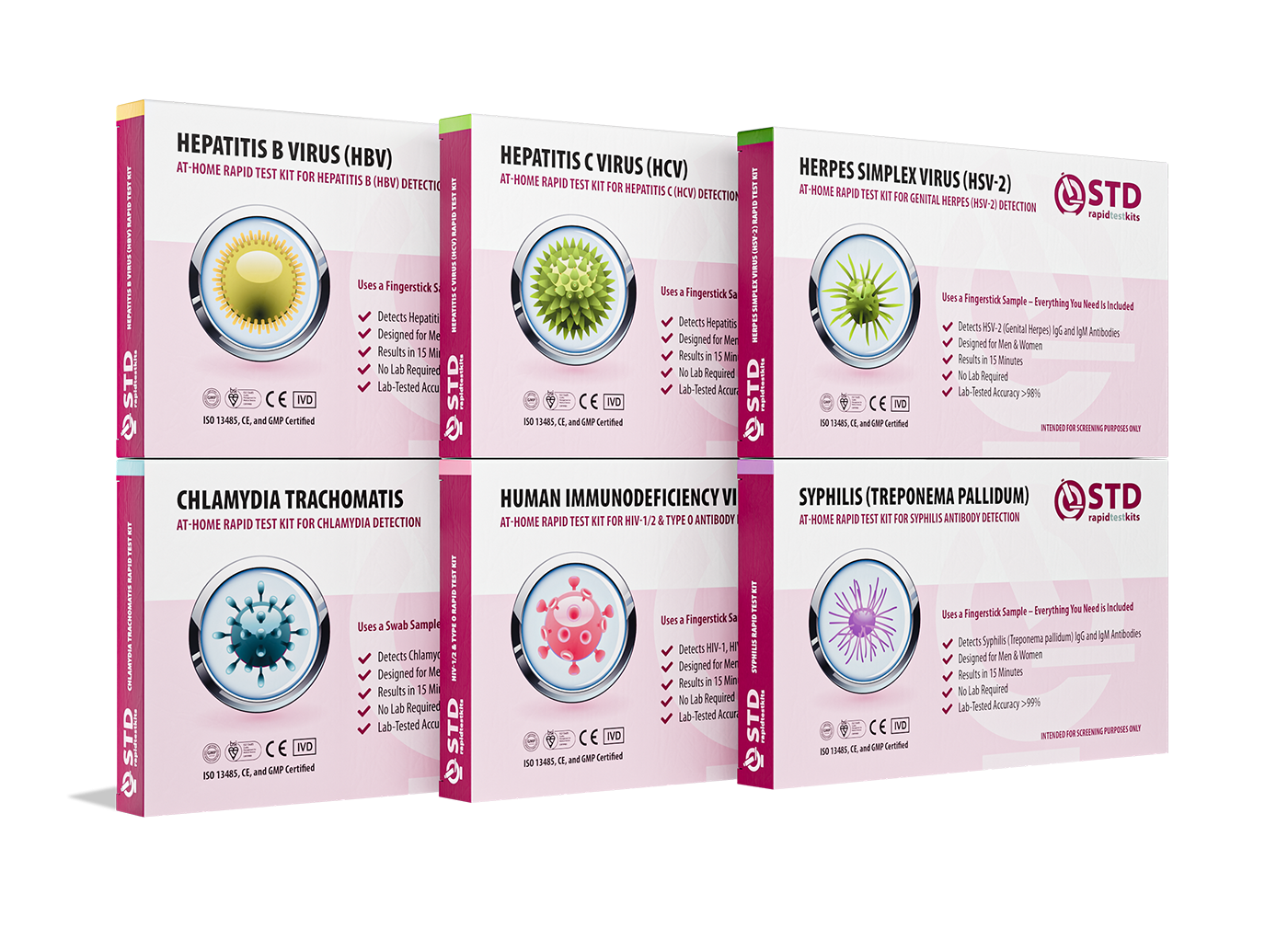 For Men & WomenResults in MinutesNo Lab NeededPrivate & Discreet
Order Now $119.00 $294.00
For all 6 tests
The Part No One Says Out Loud
Sometimes the hardest part isn’t the smell. It’s the story you attach to it. “I shouldn’t have done that.” “I trusted too fast.” “What if this means something bigger?”
Sex is human. Bodies react. Microbiomes shift. That does not make you reckless. It makes you alive.
One patient once told me, “I felt like my body betrayed me.” But what her body was actually doing was responding exactly the way biology predicts. When we understand that, shame loses its grip.
If You’re Still Unsure, Here’s the Clear Path
If odor fades quickly and nothing else develops, your body likely handled it on its own. If it lingers or feels distinctly fishy, test for BV and consider STD screening based on your exposure risk. If you want privacy and speed, at-home options make that process straightforward.
You deserve answers that are factual, not fear-based. You deserve care that feels calm, not judgmental. And you deserve to enjoy sex without assuming every change means something catastrophic.
Your body is communicating. Listen to it. Respond thoughtfully. And when in doubt, choose clarity over speculation.
FAQs
1. Okay, but seriously, is it gross that I smell different after sex?
No. Full stop. Bodies have scent. Vaginas are ecosystems, not scented candles. After sex, especially with internal ejaculation, your chemistry shifts. That can create a stronger or different smell for a day or two. “Different” does not equal “dirty.” It equals biology.
2. If it smells fishy the next morning, should I panic?
Panic rarely improves outcomes. If it’s the very next morning and there’s no itching, burning, or unusual discharge, give it 24 to 48 hours. A temporary alkaline shift from semen can amplify odor briefly. If it lingers past a few days or gets sharper instead of fading, that’s your cue to test, not spiral.
3. Why does it only happen when he finishes inside me?
Because semen is alkaline and your vagina is acidic. When those two meet, pH shifts. If there’s even a mild bacterial imbalance brewing, that shift can spotlight it. Think of it like turning the lights on in a room you didn’t realize was slightly messy. The light didn’t create the mess, it revealed it.
4. Can I have an STD even if there’s no smell at all?
Yes. And this is the part most people miss. Chlamydia and Gonorrhea are often silent. No odor. No dramatic discharge. Nothing obvious. That’s why smell should never be your only screening tool, especially after a new or unprotected partner.
5. Is BV basically an STD?
Not exactly. Bacterial Vaginosis isn’t classified as a traditional sexually transmitted infection, but sex, especially with a new partner, can trigger it. It’s about bacterial imbalance, not moral failure. You didn’t “catch” it because you’re reckless. Your microbiome just shifted.
6. Should I douche or use a pH wash to fix it?
I know the urge. Truly. But douching often makes things worse by stripping protective bacteria. Your vagina is self-cleaning. Gentle external washing is enough. If something needs fixing, it’s usually antibiotics or prescribed treatment, not a floral rinse.
7. How long should I wait before getting tested?
If odor is your only symptom and it appeared within 24 hours of sex, you can monitor briefly. If you had a new partner or had sex without protection, though, testing for common STDs 7 to 14 days after exposure will give you accurate results. Testing is not overreacting. It’s informed care.
8. Why do I feel embarrassed even thinking about this?
Because we were taught that vaginas should be odorless and invisible. That messaging sticks. But here’s the truth: scent fluctuation is normal. Infection is common. Testing is responsible. There is nothing shameful about paying attention to your body.
9. What if the smell keeps coming back after sex?
Recurrent post-sex odor can suggest chronic BV or repeated pH disruption. Not uncommon. Not dramatic. Just something to address strategically. Tracking patterns, considering condom use, and getting proper treatment can break the cycle.
10. How do I talk to my partner about this without making it weird?
Keep it factual and calm. “Hey, I noticed some symptoms after sex and I’m going to get tested just to be safe.” That’s it. Responsible adults test. It’s not an accusation. It’s health maintenance. If they react defensively, that’s data too.
You Deserve Clarity, Not Quiet Panic
Odor after sex is not a verdict. It is information. Sometimes that information says your body is recalibrating after semen exposure. Sometimes it signals bacterial imbalance. Rarely, it hints at something that needs treatment. The difference comes down to duration, associated symptoms, and thoughtful follow-through.
If you’re stuck in that anxious in-between space, testing turns uncertainty into facts. A discreet option like the at-home Combo STD Home Test Kit allows you to screen for common infections privately and quickly. Peace of mind is not overreacting. It is taking care of yourself.
Sex is chemistry. Bodies respond. When something feels off, curiosity is healthier than shame. Listen. Observe. And if needed, get answers.
How We Sourced This Article: This guide combines current clinical guidance from leading medical authorities with peer-reviewed research on vaginal microbiome dynamics and sexually transmitted infections. We reviewed epidemiological data, microbiology studies, and patient-centered reporting to balance scientific accuracy with real-world experience.
Sources
1. Centers for Disease Control and Prevention: Bacterial Vaginosis (BV)
2. Centers for Disease Control and Prevention – Trichomoniasis
3. Mayo Clinic – Bacterial Vaginosis Overview
4. World Health Organization – Sexually Transmitted Infections Fact Sheet
5. National Institutes of Health – The Vaginal Microbiome and Health
About the Author
Dr. F. David, MD is a board-certified infectious disease specialist focused on STI prevention, diagnosis, and treatment. He blends clinical precision with a no-nonsense, sex-positive approach and is committed to expanding access to discreet, accurate testing.
Reviewed by: Dr. Amanda Lewis, MD, FACOG | Last medically reviewed: February 2026
This article is meant to give you information, not to give you medical advice.


