






Quick Answer: White, yellow, or clear penile discharge can signal gonorrhea, chlamydia, or another infection, but it can also be normal pre-ejaculate or irritation. Color alone does not diagnose an STD. Testing is the only reliable way to know.
This Isn’t Just “Sweat”: What Discharge Actually Is
Let’s strip this down calmly. Discharge is fluid coming from the urethra, the small tube that carries urine and semen out of the penis. When that tube becomes irritated or inflamed, your body can produce mucus, pus, or other secretions as part of its immune response. That fluid is what you’re seeing.
Sometimes that inflammation is caused by sexually transmitted infections like gonorrhea or chlamydia. Sometimes it’s caused by a urinary tract infection, prostatitis, or even friction and chemical irritation from soaps or lubricants. And sometimes, especially when the fluid is clear and appears during arousal, it’s simply pre-ejaculate doing exactly what it’s supposed to do.
The problem is this: the eye cannot diagnose infection. Color alone doesn’t tell the full story. But patterns do. Timing does. And testing absolutely does.
Here’s where the confusion usually starts. Someone notices discharge and immediately tries to decode it by color alone. White means this. Yellow means that. Clear means safe. But real bodies are messier than that. Infection doesn’t follow a paint chart.
White Discharge: Thick, Cloudy, or Milky
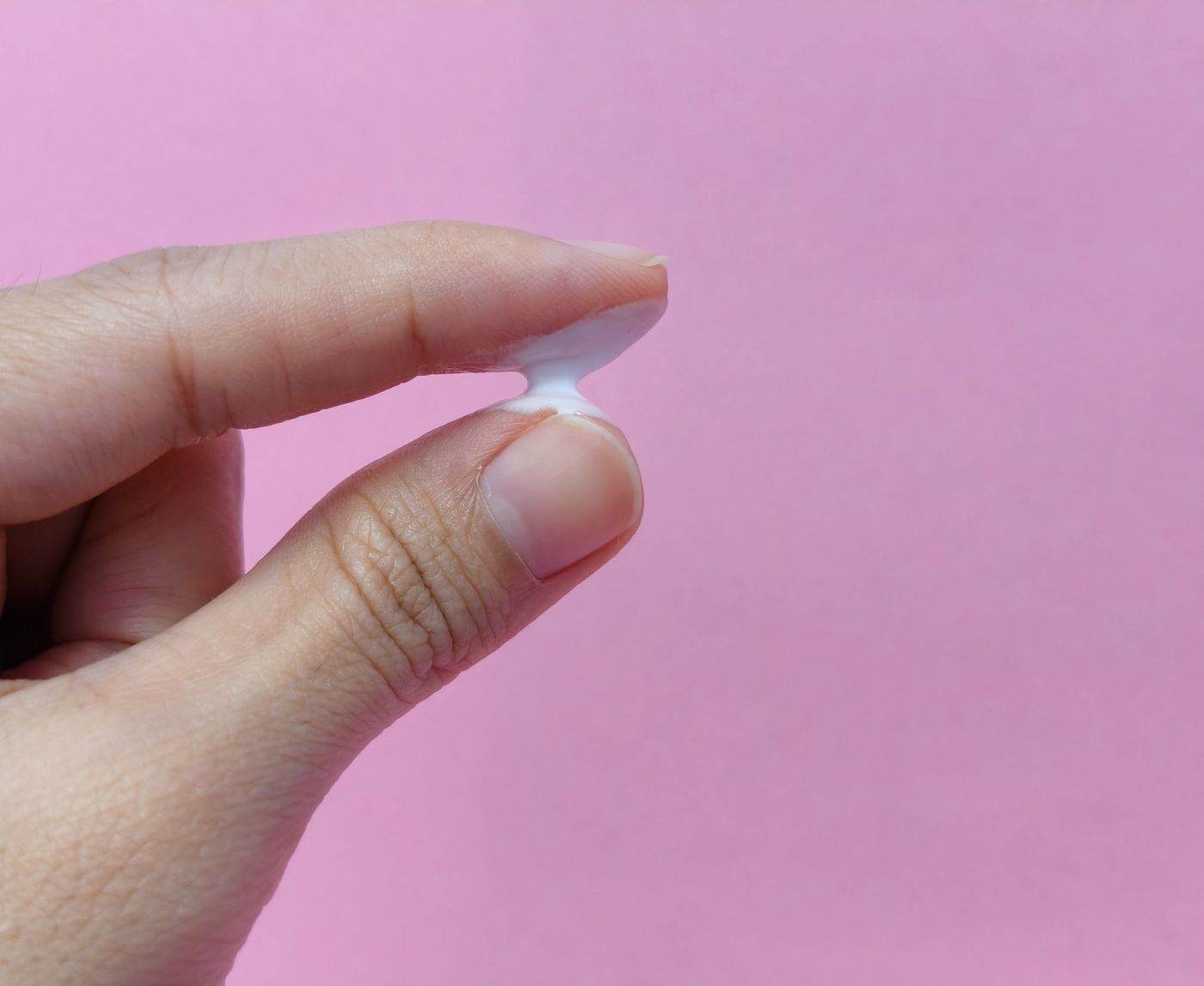
White discharge can look milky, cloudy, or even slightly gray. It may leave a stain in underwear or appear most noticeably in the morning. Some men describe it as “creamy.” Others say it looks like diluted semen. The emotional response is often immediate panic.
In clinical practice, white or cloudy discharge is frequently associated with chlamydia. It can also occur with gonorrhea, especially in earlier stages. Both infections cause urethritis, which simply means inflammation of the urethra. That inflammation produces mucus and pus cells, which create the cloudy appearance.
But here’s the part no one tells you at 2 a.m.: white discharge can also appear with non-STD causes. A bacterial urinary tract infection can create similar fluid. So can prostatitis, an inflammation of the prostate gland that may cause pelvic pressure and urinary changes along with discharge.
Picture this: Marcus, 27, notices a white film at the tip of his penis two days after a new partner. He feels fine otherwise. No burning. No pain. He tells himself it’s probably leftover semen. Three days later, urination stings. That timeline matters. Many STDs have an incubation period of several days before symptoms escalate.
People are also reading: Think You’d Know if You Had an STD? Here’s Why You Might Not
Yellow or Green Discharge: The “Classic” Red Flag
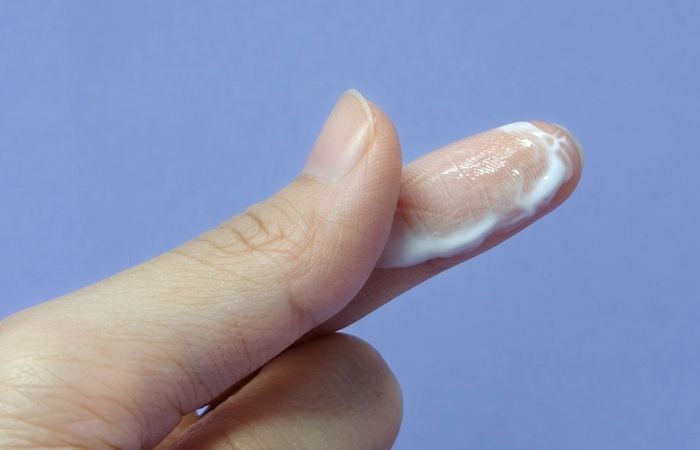
Yellow discharge tends to get attention fast. It can appear thick, sometimes sticky, and occasionally has a faint odor. When discharge turns greenish-yellow, clinicians immediately consider gonorrhea as a strong possibility.
Gonorrhea is known for producing pus-like discharge in symptomatic men. The immune system floods the urethra with white blood cells to fight the bacteria, and that cellular debris creates the yellow or green hue. It often pairs with burning during urination, though not always.
But here’s the nuance: not every case of gonorrhea is dramatic. Some men have minimal discharge. Some have only irritation. And some have no symptoms at all. According to public health surveillance data from the CDC, a significant percentage of infections in men are either mild or initially unnoticed.
Imagine someone noticing a yellow spot in their underwear after a weekend trip. They replay every detail. The condom stayed on. There was oral sex. Was that enough? The anxiety isn’t weakness. It’s your brain trying to protect you. The next move isn’t shame. It’s testing.
Clear Discharge: Normal or Not?
Clear discharge is where confusion explodes. It can be slippery and appear during arousal. That fluid is often pre-ejaculate, produced by the Cowper’s glands to lubricate the urethra before ejaculation. In that context, it’s completely normal.
But clear discharge can also be an early sign of chlamydia or gonorrhea. In the earliest stages, discharge may be watery before it becomes thicker. If it appears outside of sexual arousal, especially with tingling or burning, it deserves attention.
Consider Daniel, who noticed clear fluid mid-morning while sitting at his desk. He wasn’t aroused. There was no recent sexual stimulation. That detail changes the interpretation. Discharge unrelated to arousal raises the likelihood of infection.
Context always matters more than color alone.
Color Alone Is Not a Diagnosis: What Patterns Tell Us
Instead of isolating color, clinicians look at combinations: color, timing after exposure, associated pain, urinary changes, and recent sexual history. Testing type also matters. Most modern testing for gonorrhea and chlamydia uses nucleic acid amplification tests, commonly called NAATs, which detect genetic material from bacteria and are highly sensitive.
The timing of testing affects accuracy. Testing too early can lead to false reassurance. Waiting too long with symptoms can prolong infection and increase transmission risk. That balance is where most anxiety lives.
| Discharge Color | Possible Causes | Common Accompanying Symptoms | Should You Test? |
|---|---|---|---|
| White or cloudy | Chlamydia, Gonorrhea, UTI, Prostatitis | Burning urination, pelvic pressure, mild irritation | Yes, especially if persistent or after new partner |
| Yellow or green | Gonorrhea most common, severe urethritis | Burning, frequent urination, swelling | Yes, test promptly |
| Clear | Pre-ejaculate (normal), early Chlamydia, irritation | Arousal-related vs spontaneous discharge | Test if unrelated to arousal or persistent |
Table 1. Discharge color patterns and associated conditions. Color alone is never diagnostic; symptom combinations guide testing decisions.
Order Now $149.00 $392.00 Check Your STD Status in Minutes
Test at Home with Remedium
8-in-1 STD Test Kit
 For Men & Women
 Results in Minutes
 No Lab Needed
 Private & Discreet
For all 8 tests
When Timing Changes the Meaning
Symptoms don’t appear immediately after exposure. Chlamydia often develops symptoms within one to three weeks, though many cases remain asymptomatic. Gonorrhea can produce symptoms within two to seven days, sometimes sooner. But these ranges vary person to person.
If discharge appears 24 hours after sex, infection is less likely and irritation becomes more plausible. If it appears five days later with burning, suspicion rises. If it appears two weeks later with pelvic discomfort, the pattern shifts again.
Testing windows matter just as much as symptoms. Below is a simplified clinical timing reference.
| Infection | Typical Symptom Onset | Earliest Reliable Test Window | Peak Accuracy Window |
|---|---|---|---|
| Chlamydia | 7–21 days (often none) | 7 days post exposure | 14 days+ |
| Gonorrhea | 2–7 days | 5–7 days post exposure | 7–14 days |
| UTI (non-STD) | 1–3 days | Symptom-based urine culture | Immediate testing |
Table 2. Approximate symptom and testing windows for common causes of penile discharge. Individual variation is normal.
STD or Something Else? The Differential No One Explains Clearly
This is the part most men never get walked through calmly. They either get a one-sentence answer online that screams “It’s an STD,” or they get vague reassurance that says, “It’s probably nothing.” Neither extreme is helpful. What you actually need is context.
Penile discharge most commonly falls into four buckets: gonorrhea, chlamydia, non-STD urinary tract infection, or prostatitis. There are rarer causes, but those four account for the majority of cases seen in clinical settings. The key differences live in patterns, not panic.
Picture this: Aaron wakes up with yellow discharge and sharp burning when he urinates. He had unprotected oral sex five days ago. That timeline plus that color raises strong suspicion for gonorrhea. Now picture Eli, who has mild white discharge and pelvic heaviness but no recent partners. That shifts suspicion toward prostatitis. Same symptom family. Different story.
| Condition | Discharge Appearance | Pain Pattern | Other Clues |
|---|---|---|---|
| Gonorrhea | Yellow, green, sometimes thick | Burning urination common | Symptoms often within 2–7 days of exposure |
| Chlamydia | White, cloudy, sometimes clear | Mild burning or none | Often subtle or delayed symptoms |
| UTI (non-STD) | Cloudy urine, not true discharge | Strong urinary urgency | No sexual exposure required |
| Prostatitis | Variable, sometimes white | Pelvic or perineal pressure | Pain with sitting, ejaculation discomfort |
Table 3. Common causes of penile discharge and distinguishing features. Overlap exists, so laboratory testing is required for confirmation.
When It’s Probably Not an STD
Let’s talk about the situations that don’t get enough airtime because fear tends to drown them out.
Clear fluid that appears only during sexual arousal and stops afterward is almost always pre-ejaculate. That fluid is normal. It exists to lubricate and neutralize acidity in the urethra. It is not a sign of infection.
Irritation can also mimic discharge. New soaps, aggressive masturbation, long sexual sessions, friction from tight clothing, or even dehydration can cause urethral sensitivity and mild clear fluid. The key distinction is persistence. Irritation improves quickly when the irritant stops. Infection does not.
Still, reassurance should never replace testing when symptoms continue. The goal isn’t to guess correctly. The goal is certainty.
The Emotional Spiral (And How to Interrupt It)
Let’s zoom out for a second. Most men don’t panic about discharge because of the fluid itself. They panic about what it means socially. Shame. Judgment. The awkward text to a partner. The imagined conversation at a clinic.
Here’s the grounded truth: gonorrhea and chlamydia are among the most common bacterial infections worldwide. Millions of new cases are reported annually in the United States alone. Infection does not say anything about your morality, intelligence, or worth. It says you had sex in a world where bacteria exist.
I’ve watched grown men sit in their cars staring at a pharmacy bag, working up the courage to open a test kit. The hesitation isn’t about the swab. It’s about what the result might confirm. But knowledge reduces anxiety. Uncertainty feeds it.

People are also reading: You Slept with Someone New, When Should You Retest?
When to Stop Analyzing and Just Test
If discharge persists beyond 24–48 hours without a clear nonsexual explanation, testing is reasonable. If there is burning during urination, swelling, or pelvic pain, testing is recommended. If you’ve had a new partner in the past month and symptoms appear, testing becomes urgent.
Modern testing for gonorrhea and chlamydia is straightforward and highly accurate. Nucleic acid amplification tests detect bacterial DNA with high sensitivity when performed during the appropriate window period. You do not need dramatic symptoms for testing to be valid.
If clinic access feels intimidating, discreet options exist. STD Rapid Test Kits make it easy and quick to test yourself at home. For comprehensive screening, the Combo STD Home Test Kit checks multiple infections at once, reducing guesswork when discharge could point to more than one cause.
Peace of mind is not dramatic. It’s practical. You deserve it.
What Happens If It Is Gonorrhea or Chlamydia?
First, breathe. Chlamydia and gonorrhea are both bacterial infections that can be treated. Antibiotics given by a doctor are usually part of the treatment. The most important thing is to follow the directions exactly for the whole course.
Symptoms often improve within days of starting treatment, but that doesn’t mean the infection has cleared instantly. Follow-up testing may be recommended in certain cases to ensure eradication or to rule out reinfection.
There’s also partner care. This part feels heavier emotionally than medically. But notifying partners is an act of respect and protection, not accusation. Public health systems have anonymous notification pathways if direct communication feels unsafe or overwhelming.
One man once told me, “The worst part wasn’t the antibiotics. It was the three hours before I told her.” That anxiety shrank the moment the conversation happened. Most partners appreciate honesty far more than silence.
If Your Test Is Negative but Discharge Continues
Negative results can create a strange new anxiety. Relief mixed with confusion. If it’s not gonorrhea or chlamydia, then what is it?
This is where follow-up matters. Persistent discharge with negative STD testing warrants evaluation for prostatitis, other bacterial infections, or less common organisms. Sometimes a repeat test is recommended if the first test occurred too early in the window period.
The important takeaway is this: discharge that doesn’t resolve deserves medical attention. Not because it’s catastrophic, but because you deserve clarity and comfort in your own body.
Check Your STD Status in Minutes
Test at Home with Remedium7-in-1 STD Test Kit
 For Men & WomenResults in MinutesNo Lab NeededPrivate & Discreet
Order Now $129.00 $343.00
For all 7 tests
The Moment Before You Decide to Test
There’s always a moment. It’s usually quiet. You’re alone. Maybe sitting on the edge of your bed. Maybe in your car in a pharmacy parking lot. You’ve Googled enough to scare yourself but not enough to feel steady. The discharge hasn’t disappeared. And now the real question isn’t “What color is it?” It’s “Do I really want to know?”
This is where a lot of men stall. Not because they don’t care about their health. Because certainty feels heavy. A negative result means relief. A positive result means action. And action means conversations, prescriptions, responsibility. But here’s the grounded truth: uncertainty is heavier than any result.
I’ve had patients tell me the three days before testing were worse than the diagnosis itself. Once they knew it was chlamydia, they had a plan. Once they confirmed it was gonorrhea, they started treatment. The anxiety shrank the moment it had a name.
Testing isn’t an admission of guilt. It’s maintenance. The same way you’d check a strange engine sound before a road trip, you check discharge before it drives your imagination somewhere darker than reality. You don’t need drama to justify it. You just need information.
And if you’re still reading this, that tells me you’re ready for clarity more than you’re afraid of it.
FAQs
1. Okay, be honest. Is white discharge basically chlamydia?
Not automatically. White or cloudy discharge can be linked to chlamydia, but it can also show up with gonorrhea, prostatitis, or even a regular urinary infection. Your body doesn’t label fluids for you. That’s why guessing based on color alone can send you down the wrong mental rabbit hole. Testing cuts through the noise fast.
2. If it’s clear, doesn’t that mean I’m fine?
Sometimes, yes. Clear fluid during arousal is usually pre-ejaculate, which is completely normal and actually protective for your body. But clear discharge that shows up randomly while you’re sitting at your desk or walking around? Different story. Context matters more than clarity.
3. How fast would gonorrhea show up after sex?
Gonorrhea can move quickly. Some men notice symptoms within two to five days. Others take a week. And some don’t notice anything at all until a partner says something. If discharge shows up within a few days of exposure, especially yellow or green with burning, don’t overthink it. Test.
4. What about chlamydia , is that slower?
Usually. Chlamydia tends to be quieter and slower. Symptoms often appear one to three weeks after exposure, and many men don’t feel much at all beyond mild discharge. That’s why it spreads so easily. Silence is part of its strategy.
5. Can you get discharge from oral sex alone?
Yes. Both gonorrhea and chlamydia can be transmitted through oral sex. People forget that because it feels lower risk, but “lower” doesn’t mean zero. If discharge shows up after oral exposure, it deserves the same level of attention as any other sexual contact.
6. I have discharge but no burning. Is that a good sign?
It’s a calmer sign, not necessarily a safer one. Many cases of chlamydia cause discharge without pain. Burning raises suspicion, but its absence doesn’t clear you. If discharge is persistent, painless or not, it’s worth checking.
7. What if I test negative and it’s still happening?
First, breathe. If you tested very early, you may need to retest after the proper window period. If the timing was right and results are still negative, a clinician may look at prostatitis or other bacterial causes. Ongoing discharge isn’t something you ignore, but it also isn’t something you catastrophize. It’s a clue, not a crisis.
8. Will it just go away if I wait it out?
Irritation sometimes fades in a day or two. Bacterial STDs generally do not. Waiting can mean prolonging discomfort and increasing the risk of passing it to someone else. “Let’s see what happens” feels easier in the moment, but clarity is kinder long-term.
9. Do I need to stop having sex until I know?
If discharge is present and infection is possible, yes. Not as punishment. Not as shame. Just as care. Think of it like putting your car in park before checking under the hood. Temporary pause. Long-term respect.
10. Why does this feel so embarrassing?
Because sex is personal and vulnerability is uncomfortable. But medically? Discharge is just inflammation plus fluid. That’s it. Clinicians see it every single day. You’re not shocking anyone. You’re not reckless. You’re human.
You Deserve Answers, Not Assumptions
White, yellow, or clear discharge can feel like a verdict. It isn’t. It’s a signal that your body is communicating something, and signals deserve clarity rather than fear. Most causes are treatable. Many are straightforward. None define your character.
If you’re sitting with uncertainty right now, you don’t have to stay there. Discreet testing gives you control. The Combo STD Home Test Kit screens for common infections like gonorrhea and chlamydia from home, with privacy and speed built in. Or explore options directly at STD Rapid Test Kits to choose what fits your situation.
Uncertainty keeps you up at night. Information lets you sleep.
How We Sourced This Article: This guide was developed using current clinical guidance from the Centers for Disease Control and Prevention, peer-reviewed infectious disease research, and patient-reported symptom patterns to ensure medical accuracy and real-world clarity.
Sources
1. CDC Guidelines for Treating Sexually Transmitted Infections
2. Fact Sheet on Gonorrhea from the CDC
4. Mayo Clinic: Prostatitis Overview
About the Author
Dr. F. David, MD is a board-certified infectious disease specialist focused on STI prevention, diagnosis, and treatment. He combines clinical precision with a sex-positive, stigma-aware approach to help readers navigate testing with clarity and confidence.
Reviewed by: Jordan M. Lee, NP-C | Last medically reviewed: February 2026
This article is only meant to give you information and should not be used as medical advice.


