
Published: November 2025 | Last updated: May 2026 | Editorial review and quality control: Martina N.
You had a partner two weeks ago, lined up a test, then ended up sleeping with someone new before that first appointment came around. Or you finished a course of antibiotics, felt fine for a couple of weeks, and then reconnected with the same person who originally gave you the infection. Either way, the question is the same: does your testing plan still hold?
Short answer: probably not. A new exposure resets the clock on most rapid and lab tests, because each infection has a window period during which a test cannot reliably detect it. The good news is the math is simple once you anchor your timing to the most recent encounter. The rest of this guide walks through how to do that without turning every hookup into a calendar crisis, and what to do if your dating life moves faster than a two-week window allows.
Key Takeaways
- Each new exposure restarts the testing clock. Time your retest from your most recent unprotected encounter, not your first.
- Two weeks covers most bacterial STIs. HIV on a 4th-generation test needs 6 weeks. Syphilis and HSV-2 blood antibody tests need up to 12 weeks to read reliably.
New Hookup, New Clock: How the Window Period Resets
Every STI has a window period: the gap between exposure and the point when a test can reliably detect the infection. The CDC's HIV testing page explains this in the clearest terms, noting that no test can detect HIV immediately after exposure and that the relevant window depends on the type of test used. The same logic applies across other infections. Test before that window closes and you can get a false negative, even if you were genuinely infected. The window varies by pathogen because some bacteria and viruses need time to replicate enough to be picked up, and antibody tests need time for your immune system to mount a detectable response.
So what happens when you get exposed again before the first window has closed? You start over. Your new test should be timed from the most recent encounter, not the first one. A test you took on Monday for a partner from two weeks ago does not tell you anything reliable about what happened with someone new on Friday. The clock that matters is the most recent one. Here is a quick reference for how long after exposure each common infection typically becomes detectable.
| Infection | Earliest reliable detection | Best window to retest |
|---|---|---|
| Chlamydia | 7 to 14 days | 2 weeks |
| Gonorrhea | 5 to 14 days | 2 weeks |
| Trichomoniasis | 1 to 4 weeks | 2 to 4 weeks |
| HIV (4th-gen antigen/antibody) | 18 to 45 days | 6 weeks |
| Syphilis (blood test) | 3 to 6 weeks | 6 to 12 weeks |
| HSV-2 (blood antibody test) | 6 to 12 weeks | 12 weeks |
Reinfection Happens, and It Is Not Your Fault
One of the most frustrating things about STI testing is finishing treatment, breathing easy, and then testing positive again a few months later. Per the CDC's 2021 STI Treatment Guidelines, repeat infection with chlamydia and gonorrhea is common enough that the agency recommends retesting roughly three months after treatment, regardless of whether your partner says they were also treated (see the CDC STI treatment guidelines).
That is not because antibiotics failed. It is usually what public-health researchers call ping-pong transmission: you treat one person in a sexual network, but other partners go untreated, and the infection cycles back through. This pattern shows up often in non-monogamous setups, friends-with-benefits arrangements, and breakups where the same partners keep reconnecting. The infection bounces between people who were never tested or treated as a group.
The practical rule: if you were treated and have had any sexual contact with a previous or new partner since then, treat that contact as a fresh exposure. Schedule a retest based on the new encounter, not on when you finished your antibiotics.
Persons who have had chlamydia and have been treated should be retested approximately 3 months after treatment, regardless of whether their sex partners were treated.
Symptoms Are Not a Reliable Cue to Wait For
If you are waiting to see if symptoms appear before you test, the math is not in your favor. Per the CDC chlamydia page, chlamydia often has no symptoms but can still cause serious health problems. The CDC gonorrhea page says the same about gonorrhea, noting that most women with gonorrhea do not have any symptoms at all and infections in the throat or rectum frequently sit silently. Syphilis often opens with a single painless sore that heals on its own within a few weeks, right before the bacteria spreads systemically. HIV can present like a brief flu in the first two to four weeks, or like nothing at all.
So feeling fine is not the same as being uninfected. Most infections in this category run quietly enough that personal symptoms are the wrong filter to plan around. Asymptomatic chlamydia and gonorrhea are the rule, not the exception, which is why CDC screening guidance is based on exposure and risk rather than how someone feels.
The flip side is also true: if you do have symptoms (unexplained discharge, burning when you urinate, a sore, pelvic pain, sore throat after recent oral contact), do not wait two weeks. Test now, knowing you may need a follow-up once the window period has fully closed. A positive early test still gets you into treatment faster, and a negative early test simply tells you to retest at the right time.
A Practical Retesting Strategy You Can Actually Follow
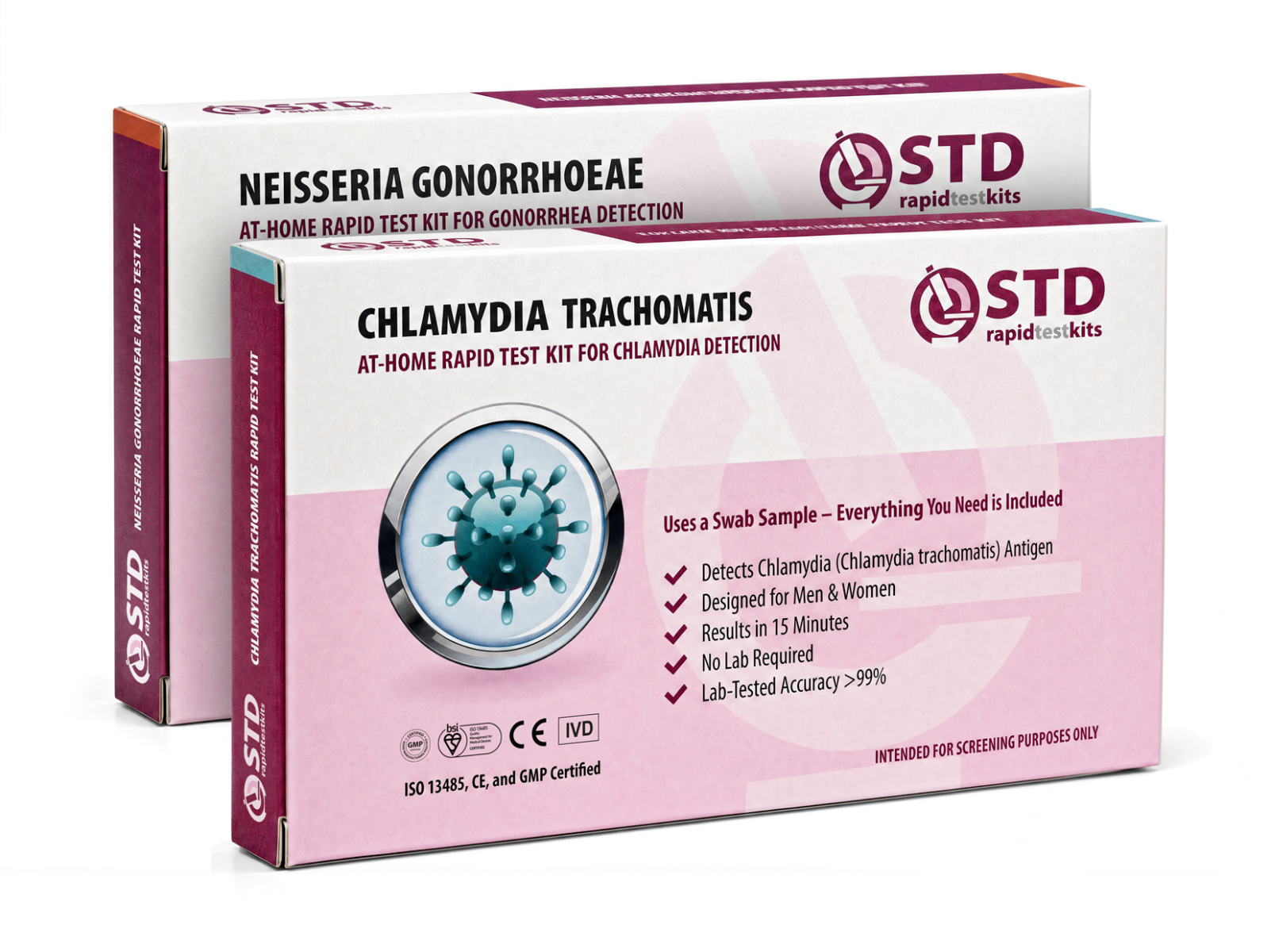
The trick is to stop chasing every potential exposure with a new test and instead use a simple rule: anchor your retest to the most recent unprotected encounter, then count forward to the window period that matters for the infections you are concerned about.
Here is what that looks like in practice. Imagine you slept with Partner A on the 1st and Partner B on the 7th. You tested on the 5th. That test covers your exposure with Partner A, but does nothing for Partner B. For Partner B, count forward from the 7th: a chlamydia or gonorrhea retest lands around the 21st. If HIV or syphilis is on the list, you are looking at four to six weeks after the 7th, depending on which infection.
If you do not want to play calendar Jenga, the practical shortcut is this. Two weeks after your last unprotected exposure covers most bacterial STIs. Six weeks covers HIV on a 4th-generation antigen/antibody test (see CDC HIV testing guidance for the full breakdown by test type). Twelve weeks covers syphilis and HSV-2 antibody tests reliably. Plan the retest, write it down on your phone, and stop checking the calendar every other day in between.
Early Testing: Useful, but Not Final
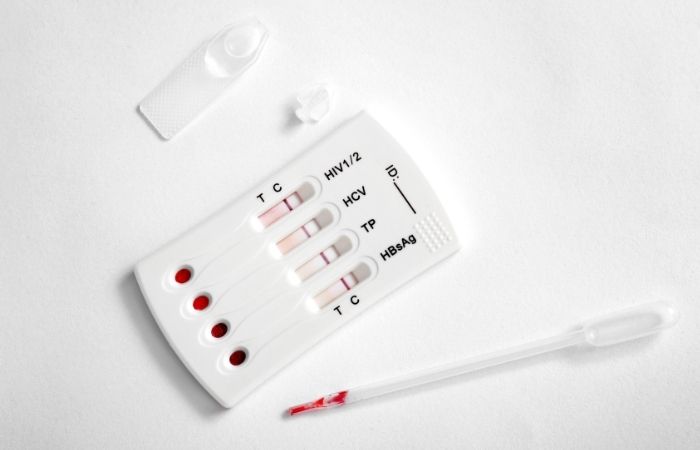
Testing earlier than the recommended window can still be worth doing, especially if anxiety is getting in the way of sleeping or eating. The thing to be clear-eyed about is that an early negative is not a true negative. It is a snapshot of where you were on a specific day, and it does not rule out an infection still inside its window.
Rapid tests for chlamydia or gonorrhea can sometimes flag an infection as early as five to seven days post-exposure, but a negative result on day three or day five just means whatever is or is not happening has not yet shown up. Use early testing as a partial check, and plan the follow-up at the right window so you actually get a meaningful answer. If you are deeply anxious between exposure and the proper retest window, that is also a reasonable signal to talk to a clinician about post-exposure prophylaxis (for HIV) or expedited partner therapy options.
Here is a way to think about timing against accuracy.
| Time since exposure | What a test can tell you |
|---|---|
| 0 to 5 days | Too early. Most tests will not detect anything yet. Wait, or test now and plan a follow-up. |
| 6 to 13 days | Partial. Chlamydia and gonorrhea may be detectable. HIV, syphilis, and herpes are not. |
| 14 days to 4 weeks | Reliable for most bacterial STIs. HIV may register on a 4th-generation test by week 3. |
| 6 to 12 weeks | Best window for HIV, syphilis, and HSV-2 antibody tests to read reliably. |
When Exposure Is a Regular Part of Your Life
The wait-two-weeks-then-test model assumes you have two clean weeks to wait. For people in non-monogamous relationships, active dating, or any setup where new partners turn up frequently, that model can feel useless. So switch frames: instead of testing per-exposure, test on a routine.
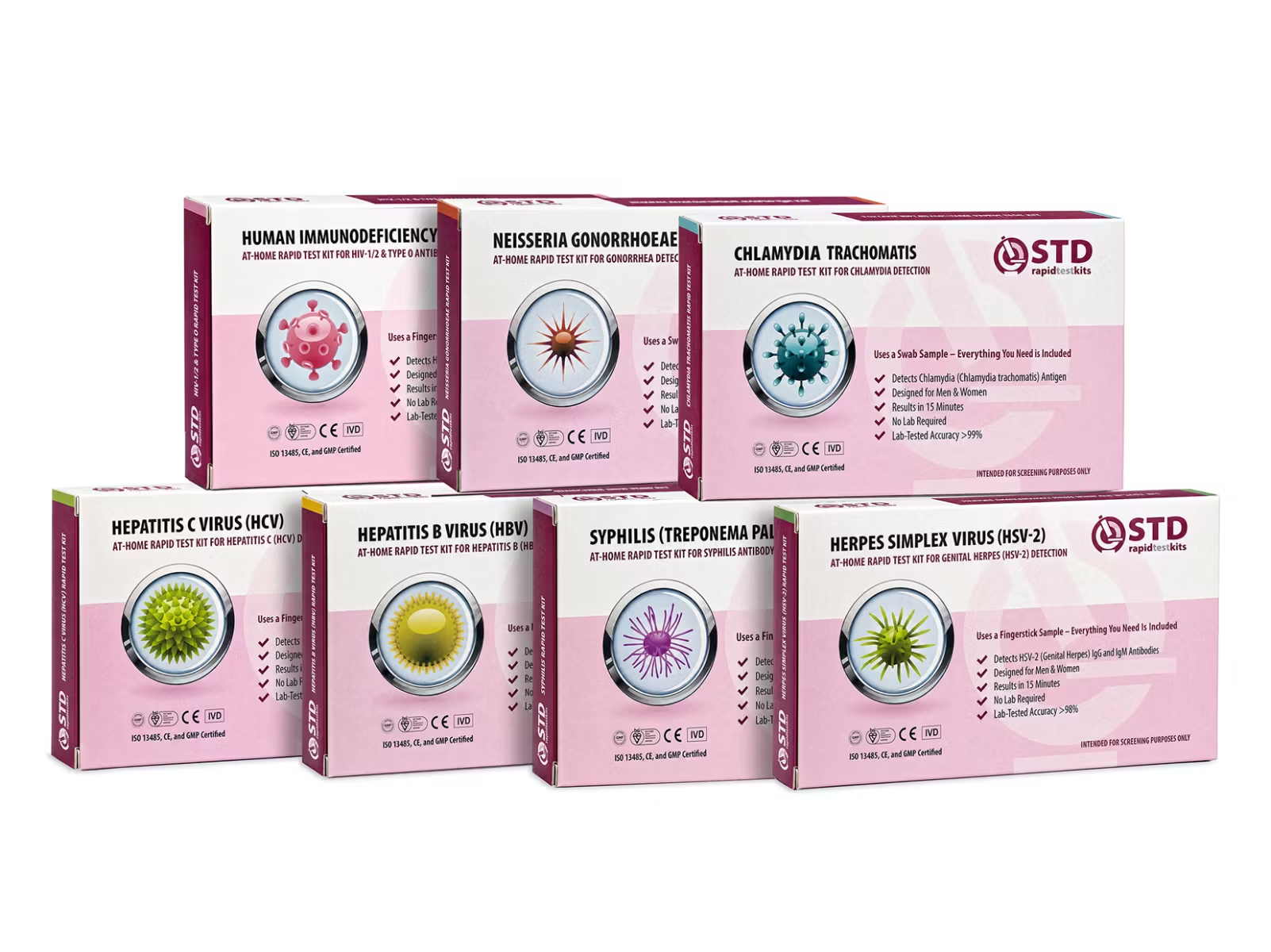
The CDC recommends frequent screening for people with multiple or anonymous partners, particularly for chlamydia, gonorrhea, and HIV. Once every three months is a common cadence for sexually active gay and bisexual men per CDC guidance; once every six months is reasonable for many other higher-activity profiles. If you can keep a couple of rapid kits on hand, you do not have to wait on a clinic appointment or worry that a recent encounter will outdate your last test before you can act on it.
The other thing routine screening buys you is calm. Instead of doing the math after every hookup, you know roughly when your next check is, what it covers, and what to do if something flags.
Privacy at Every Step
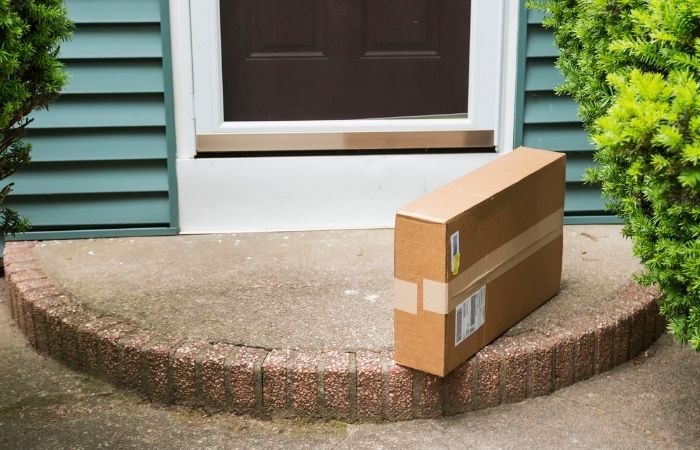
One reason people put off testing is the worry that someone will see the package, the receipt, or the result. At-home rapid kits are designed around that concern. Orders ship in plain, unbranded packaging with no logos and no product names visible on the outside. Test results are read at home within about 15 to 20 minutes, with no clinic visit, no print mailing, and no insurance claim generated unless you choose to involve a provider.
That matters if you live with roommates, family, or a partner you are not yet ready to have a conversation with. Most readers are testing from contexts where being seen testing would be its own problem, and the workflow is designed so that you keep control of what gets shared and with whom.
Frequently asked questions
- Do I really need to retest just because I slept with someone new?
- If the new partner came after your last test (including during the wait for results), yes. Each new exposure restarts the window-period clock. The earlier test is still valid for the earlier encounter, but it says nothing about the new one. Plan a retest timed from the most recent contact.
- How long should I wait to retest after a new exposure?
- Day 14 after your last unprotected contact is the earliest confident result for chlamydia, gonorrhea, and trichomoniasis. A 4th-generation HIV test needs six weeks. HSV-2 and syphilis antibody tests need up to twelve weeks to read reliably. Anchor everything to the most recent encounter and count forward from that date.
- My test came back negative before I had sex again. Does that test still count?
- Yes, for the exposure it was timed against. It does not cover anything that happened after the sample was collected. Treat the new exposure as a separate event and schedule a fresh retest based on the new date.
- Can I get reinfected with the same STI from the same person?
- Yes, and this is common with chlamydia and gonorrhea. If you were treated but your partner was not (or did not finish treatment, or was reinfected by someone else in the meantime), the infection can cycle back. The CDC recommends retesting roughly three months after treatment for chlamydia and gonorrhea for this reason.
- What if I had two new partners within a few days? When do I count from?
- Count from the most recent encounter. That timing covers the most recent exposure, and any earlier exposure from a few days back will be deep enough into its window that the same test reads it accurately. You do not need to test twice for two close-together exposures.
- Should I wait for symptoms before testing?
- No. Most STIs do not produce noticeable symptoms, particularly chlamydia, gonorrhea in non-genital sites, and early HIV. Waiting for symptoms is not a reliable filter. If you do have symptoms (discharge, burning, a sore, pelvic pain), test sooner rather than later, and plan a follow-up if you tested very early in the window.
- Are at-home rapid tests reliable for this kind of repeated testing?
- They are designed for it. At-home lateral-flow rapid kits are screening tools: they read quickly, work from a self-collected swab or fingerstick, and follow the same window periods as their lab counterparts. A positive result on a rapid screen is still worth confirming with a clinic NAAT or follow-up serology, but for repeated screening between confirmatory visits, they are a practical fit.
- What if I cannot remember the exact date of the last exposure?
- Best-guess the closest week, then add a few days of buffer to your retest date. If you are uncertain whether you are inside or outside the window, the safer move is to test slightly later rather than slightly earlier, since a confident negative is more useful than an ambiguous one.
How we sourced this article: This guide was assembled from current U.S. and international public-health guidance, including CDC STI treatment and testing pages, WHO fact sheets, and peer-reviewed reports on reinfection rates. We do not provide individual clinical advice. For symptoms that concern you or a confirmed positive result, please see a licensed provider.
- U.S. Centers for Disease Control and Prevention. HIV Testing Overview. Definition of the window period and breakdown by test type (antibody, antigen/antibody, nucleic-acid).
- U.S. Centers for Disease Control and Prevention. Sexually Transmitted Infections Treatment Guidelines, 2021. Recommendation to retest approximately three months after treatment for chlamydia and gonorrhea, regardless of partner-treatment status.
- U.S. Centers for Disease Control and Prevention. About Chlamydia. Background on asymptomatic infection and the case for routine screening.
- U.S. Centers for Disease Control and Prevention. About Gonorrhea. Asymptomatic infection patterns at non-genital sites and screening recommendations.
- U.S. Centers for Disease Control and Prevention. Getting Tested for STIs. Overview of who should test and which infections to screen for.
- World Health Organization. Sexually Transmitted Infections Fact Sheet. Global incidence, transmission, and testing guidance.
