





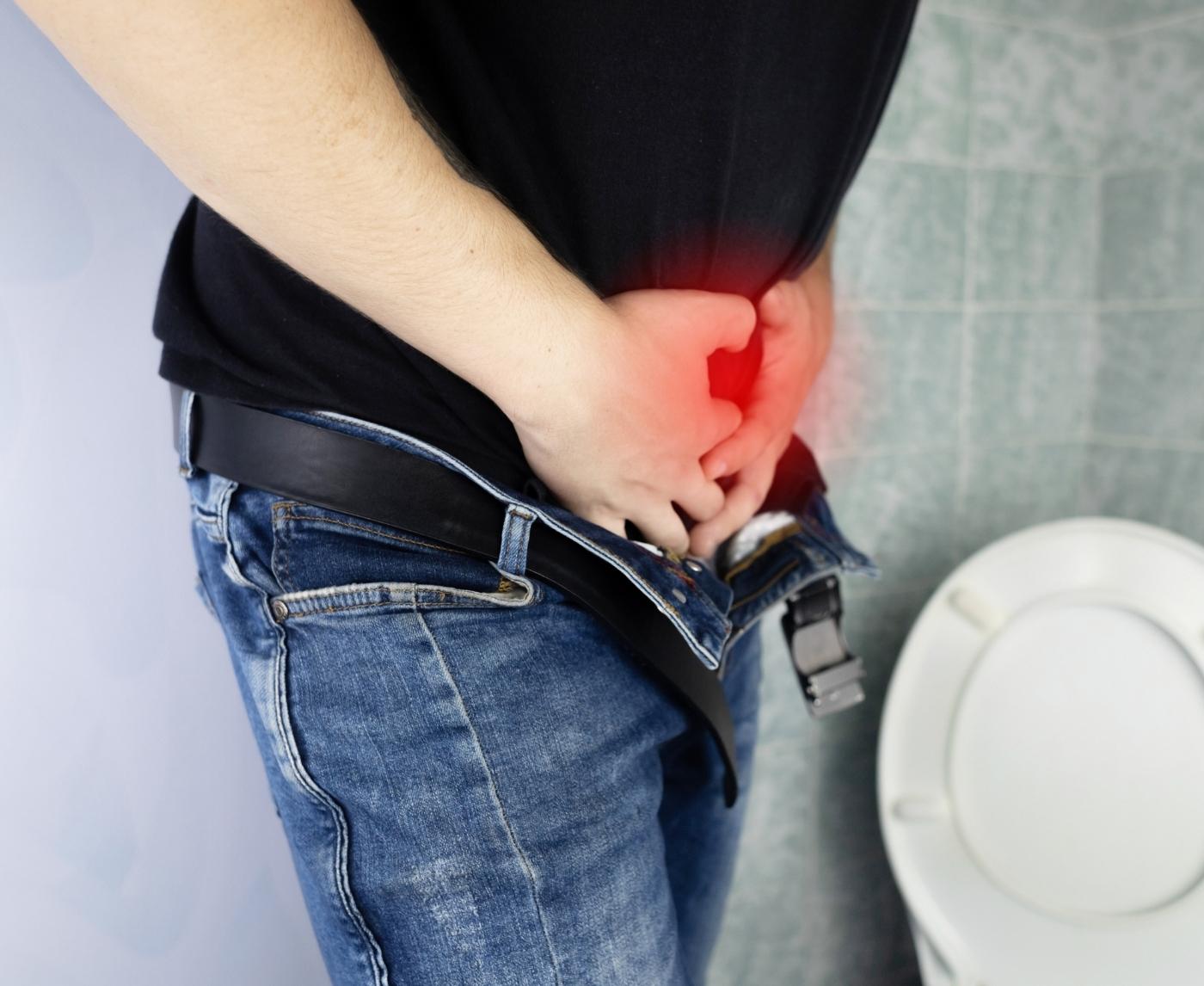

Quick Answer: Burning when you pee isn’t always a UTI. Chlamydia frequently mimics UTI symptoms and is often misdiagnosed, especially in people with vaginas. Testing is the only way to tell them apart, and the sooner, the better.
Why This Mix-Up Happens So Often
The urinary tract and the genital tract live right next door to each other, literally. In people with vulvas, the urethra, vagina, and anus are separated by only millimeters. That proximity makes symptom overlap common, and misleading. Both a UTI and chlamydia can cause burning urination, urgency, pelvic pressure, and discomfort during sex. The real difference lies in what’s causing the inflammation: in a UTI, it’s bacterial invasion of the bladder or urethra; in chlamydia, it’s a sexually transmitted bacteria infecting the cervix or urethra.
The problem? Most providers don’t run a full STI panel when someone reports burning pee, especially if they’re young, monogamous, or don't mention new partners. Instead, the default is UTI. And in many urgent care centers or phone-based appointments, no test is done at all. Just a script. A misstep that keeps chlamydia silently spreading.
One study published in the Journal of Sexually Transmitted Diseases found that up to 30% of women diagnosed with a UTI actually had a co-existing STI, or were misdiagnosed entirely.
The Symptom Overlap: Why It’s So Tricky
The symptoms of a UTI and chlamydia overlap in maddening ways. Jenna had no idea her “UTI” was sexually transmitted, because nothing about her symptoms screamed “STD.” And that’s exactly the issue.
| Symptom | UTI | Chlamydia |
|---|---|---|
| Burning during urination | ✔️ Common | ✔️ Common |
| Pelvic or lower abdominal pain | ✔️ Sometimes | ✔️ Sometimes |
| Increased urge to urinate | ✔️ Common | ✔️ Possible |
| Vaginal or penile discharge | ❌ Rare | ✔️ Sometimes |
| Fever or chills | ✔️ Possible with kidney involvement | ❌ Rare |
| Symptom-free infection | ❌ Unlikely | ✔️ Very common |
Table 1. Symptom overlap between UTI and chlamydia. As shown, both can present similarly, especially in early stages or when symptoms are mild. Testing is the only reliable way to distinguish between the two.
Notably, chlamydia is often completely silent, especially in the early days. People with vaginas may have no symptoms at all, or only feel a vague discomfort when peeing. People with penises may notice discharge or mild burning that fades quickly. That’s what makes the misdiagnosis so common: unless someone explicitly asks for an STI screen, chlamydia often goes unchecked.
Even more confusing: you can have both. Some unlucky patients have a UTI and chlamydia at the same time. In those cases, treatment for the UTI may make symptoms improve, but not fully resolve, because the chlamydia is still active underneath.

People are also reading: STD Testing for Trans People: The Gaps No One Warns You About
Case Study: Treated for the Wrong Infection
Drew, 31, didn’t think much of the sharp twinge he felt after urinating. He chalked it up to dehydration, maybe some irritation from a new lube. When it got worse, he went to a walk-in clinic, gave a urine sample, and was prescribed antibiotics on the spot. They told him it was probably a UTI, rare for men, but not impossible.
“I did the full course of antibiotics,” Drew recalls. “Felt a little better by day three. Then I had sex again and everything flared right back up.”
He ended up testing positive for chlamydia. The UTI treatment (a short course of nitrofurantoin) hadn’t worked, because nitrofurantoin isn’t effective against chlamydia. It wasn’t until he got a full STI panel through a home test that he got the real answer.
This scenario is more common than you’d think. Many UTI antibiotics, like nitrofurantoin and trimethoprim-sulfamethoxazole, do nothing against chlamydia. Some broad-spectrum antibiotics (like azithromycin) might overlap, but dosage and duration matter. If you’re prescribed the wrong thing, the infection sticks around, and so does your risk of spreading it.
That’s why any UTI that doesn’t respond quickly to antibiotics deserves a second look. If you're still uncomfortable after three days, or if symptoms return right after sex, it’s time to test.
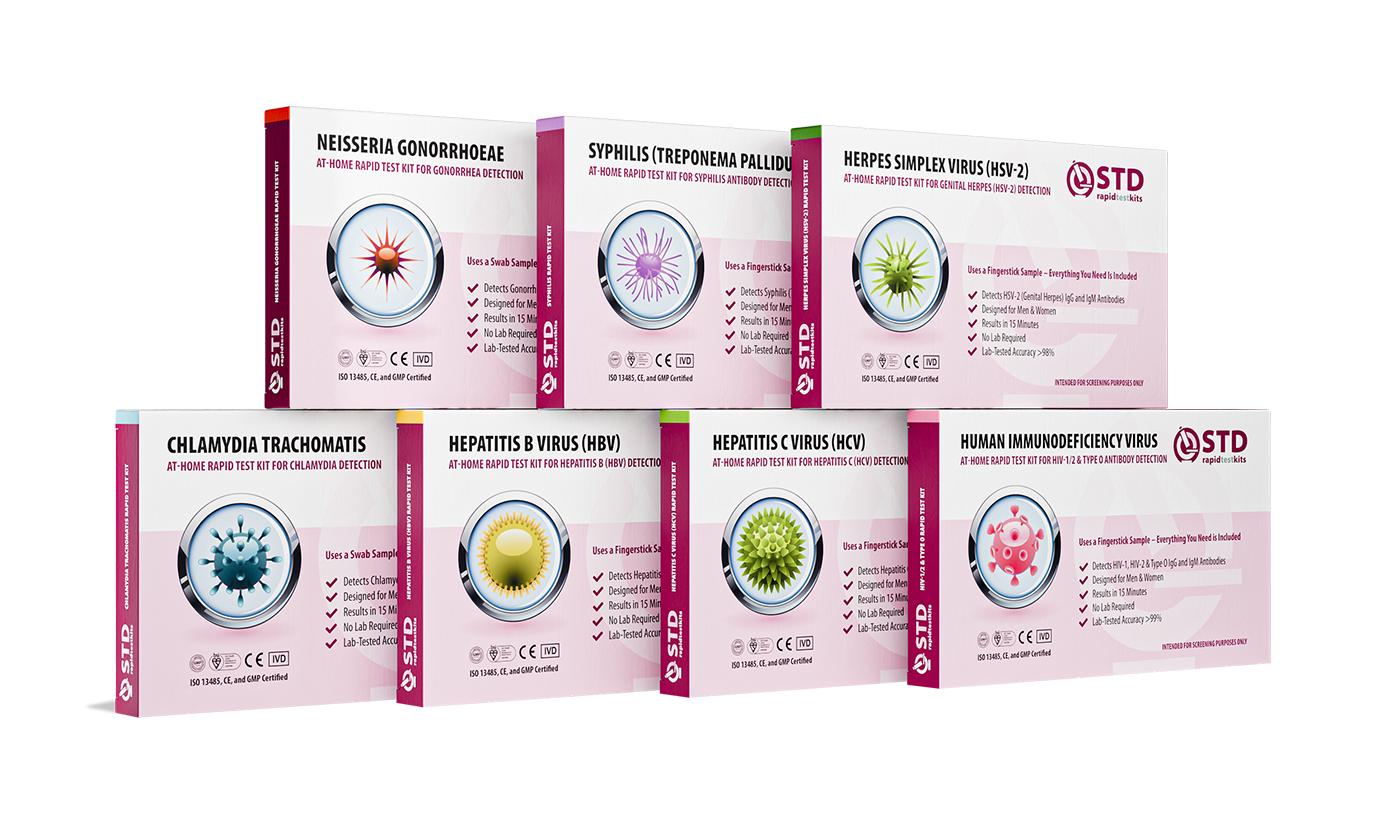
If you’re in that limbo, don’t wait to retest. This discreet Combo STD Test Kit checks for the most common infections, including chlamydia, without needing to visit a clinic.
Check Your STD Status in Minutes
Test at Home with Remedium7-in-1 STD Test Kit
 For Men & Women
 Results in Minutes
 No Lab Needed
 Private & Discreet
Order Now $129.00 $343.00
For all 7 tests
How Testing Works: The Only Way to Know
Here’s the blunt truth: symptoms lie. The only way to know if it’s a UTI or chlamydia is to test, preferably for both. That means checking for white blood cells (a sign of inflammation), culturing urine for bacterial growth (UTI), and doing a nucleic acid amplification test (NAAT) for chlamydia. These tests look for different organisms, use different methods, and need different kinds of samples.
But here’s where it gets messy: many clinics don’t test unless you specifically ask. And even then, the default might be to only run a standard urine dipstick, which can miss chlamydia completely. That’s especially true in urgent care settings or telehealth calls where protocols are designed for speed, not nuance.
The gold standard for diagnosing chlamydia is a NAAT, which looks for the bacteria’s genetic material. It can be done on a urine sample or vaginal/cervical swab. Most home tests use this method too. For UTIs, diagnosis usually relies on signs of bacteria in urine, either via dipstick or lab culture. But those tests aren’t designed to detect STIs. Which means a “negative UTI test” doesn’t rule out chlamydia.
| Test Type | Detects UTI? | Detects Chlamydia? | Sample Needed |
|---|---|---|---|
| Urine Dipstick | ✔️ Yes (indirect) | ❌ No | Midstream urine |
| Urine Culture | ✔️ Yes (bacterial growth) | ❌ No | Midstream urine |
| NAAT (lab or home) | ❌ No | ✔️ Yes | Urine or genital swab |
| Combo STD Home Test Kit | ❌ No | ✔️ Yes (multiple STIs) | Urine sample |
Table 2. UTI vs Chlamydia testing methods. The wrong test gives the wrong answer, and that leads to mistreatment and missed diagnoses.
Testing isn’t just about confirming what’s wrong, it’s also about protecting others. Chlamydia spreads easily and often goes unnoticed for weeks. During that time, every new partner is at risk. The earlier you catch it, the sooner you can start treatment and avoid complications like pelvic inflammatory disease, infertility, or long-term urethral damage.
If you're unsure what to test for, or worried your symptoms don’t line up perfectly, it’s safer to choose a test that screens for multiple infections at once. This Combo STD Test Kit checks for chlamydia, gonorrhea, syphilis, and more using a single urine sample, shipped in discreet packaging.
When a UTI Diagnosis Delays Real Treatment
There’s a hidden danger in the “just a UTI” mindset. When someone’s symptoms are assumed to be urinary, doctors often don’t screen for STDs. And when symptoms resolve (even temporarily) with antibiotics, the window for proper diagnosis is lost. This can delay chlamydia treatment by weeks or even months, especially in people with recurring symptoms who get treated on autopilot.
Sasha, 22, had three UTIs in one year. At least, that’s what the urgent care clinics told her. But on her fourth round of symptoms, a nurse finally suggested an STI panel. Her results? Positive for chlamydia. The infection had likely been there for months, flaring up and fading depending on her cycle, diet, or stress level.
“I felt stupid for not knowing,” Sasha said. “But every time I asked, they just said it was a bladder thing. No one ever offered me an STD test.”
There’s nothing stupid about missing an invisible infection. In fact, it’s often the system, not the patient, that fails. That’s why direct access to STI testing matters. It removes gatekeeping and empowers people to check for infections early, before they’re misdiagnosed or mistreated.
Why Standard UTI Antibiotics Don’t Always Help
This part can be confusing, so let’s break it down. Not all antibiotics are created equal. UTI drugs like nitrofurantoin, ciprofloxacin, or TMP-SMX target urinary pathogens like E. coli, not chlamydia trachomatis. If you’re given one of these for a UTI, but you actually have an STD, your infection won’t improve. Worse, symptoms might temporarily fade, making it seem like the meds worked, only to come roaring back later.
The CDC recommends a single dose of azithromycin or a 7-day course of doxycycline for chlamydia. Neither is the go-to drug for a urinary tract infection. That’s why taking “UTI meds” without confirmation of the infection can backfire.
What happens if you’re treated for a UTI but still have symptoms after the antibiotics? Test. It’s that simple. There’s no shame in it, only answers.
If you’ve already been on a round of antibiotics but still feel off, or your symptoms come back after sex, it’s worth checking for the infections that UTI tests can’t see. STD Rapid Test Kits can help you figure it out discreetly and quickly.
What If You Test Positive?
It’s the scenario no one wants, but many face: you thought it was a UTI, took the meds, but things still feel wrong. You finally take an at-home test or visit a clinic and get the call: it’s chlamydia. First of all, pause. Breathe. You are not dirty, reckless, or ruined. Chlamydia is one of the most common STDs in the world. It’s treatable. It doesn’t mean your sex life is over. It means you have an infection, and now you’re on your way to clearing it.
Most providers will prescribe doxycycline (100 mg twice daily for 7 days) or azithromycin (a single high dose) to treat chlamydia. The meds work fast, often within a few days, but you need to finish the full course. It’s also recommended to avoid sex for 7 days after treatment starts, longer if your partner hasn’t been treated yet.
If you’re nervous about contacting partners, you’re not alone. It’s okay to feel overwhelmed. But letting them know is the right thing, and it protects their health too. You don’t need to give a long explanation. Just say you tested positive and they should get checked. Some states offer anonymous partner notification services or text-based alerts through clinics. There’s no shame in using those tools.
Lena, 28, sent her ex a simple message: “Hey, I just found out I had chlamydia. I thought I had a UTI. You might want to get tested too.” She never heard back, but that wasn’t the point. She did what she could to stop the chain.
The goal isn’t to point fingers. It’s to break the cycle of silent infections that look like something else.
eople are also reading: How Do STD Symptoms Show Up in Nonbinary Bodies? Here's the Truth
When (and Why) You Should Retest
Even after treatment, retesting is smart. Why? Because reinfection is common, especially if your partner wasn’t treated, or if you have new sexual activity shortly after antibiotics. The CDC recommends retesting about 3 months after a positive chlamydia result. But you don’t have to wait that long if symptoms come back or if you’re switching partners.
Marco, 24, tested positive for chlamydia, took his meds, and waited out the 7-day no-sex rule. A few weeks later, he started dating someone new and wanted to be sure. He ordered a retest kit online and confirmed he was clear. That kind of proactiveness? That’s sexual health maturity in action.
Retesting also matters if your symptoms never fully went away. If you were initially misdiagnosed with a UTI, and then took partial or incorrect treatment, your infection might still be lingering. Or worse, it could have spread higher up the reproductive tract. If you’re still having pelvic pain, pain with sex, unusual discharge, or fevers, don’t wait. Get tested again. And if positive, see a provider for a full pelvic exam or ultrasound if needed.
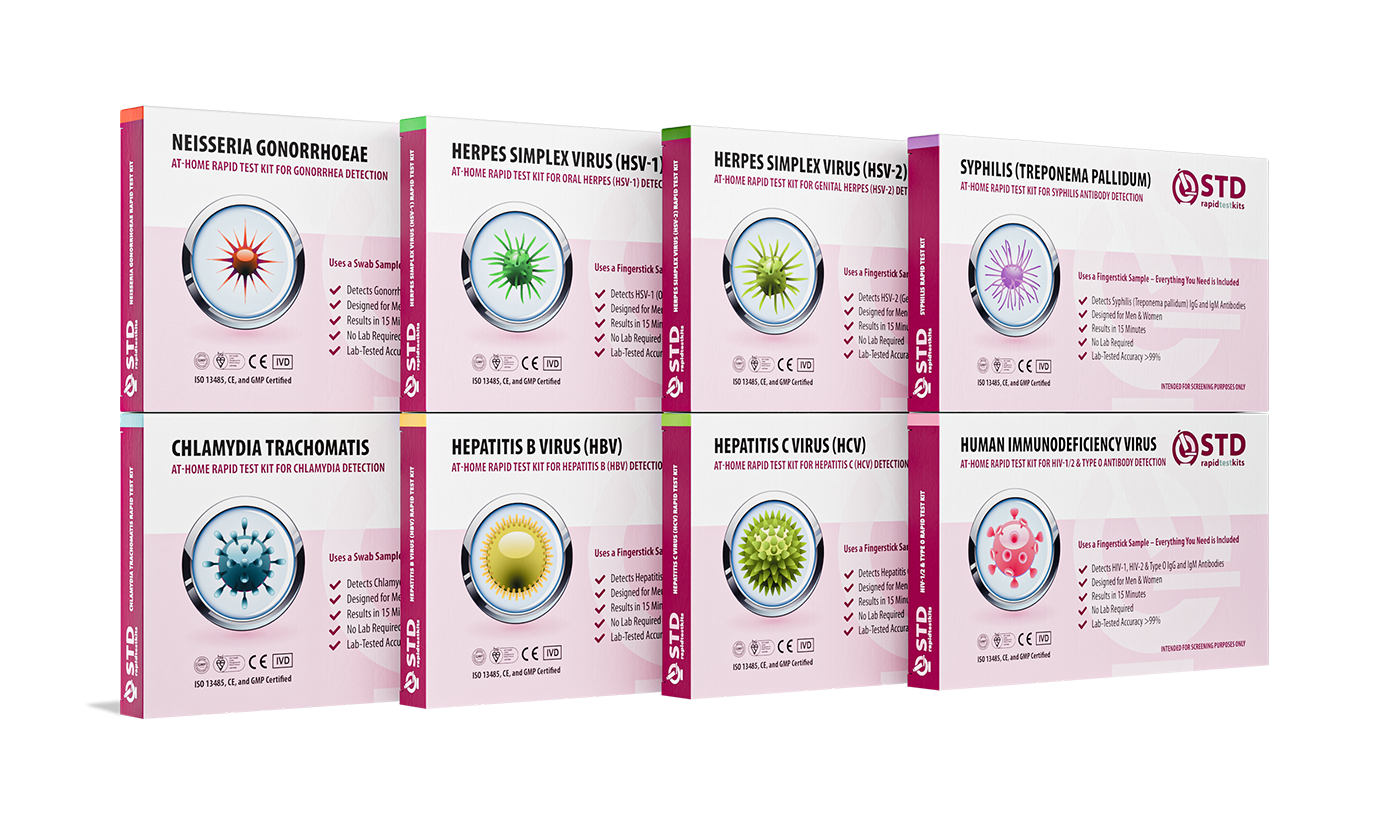
Order a discreet Combo Test Kit here and get clear answers, before symptoms drag on longer than they need to.
Check Your STD Status in Minutes
Test at Home with Remedium8-in-1 STD Test Kit
 For Men & WomenResults in MinutesNo Lab NeededPrivate & Discreet
Order Now $149.00 $392.00
For all 8 tests
Preventing This in the Future
The only way to prevent the “UTI but not” scenario again is through clarity: knowing your body, your risks, and when to test. If you’re sexually active, especially with new or multiple partners, it’s smart to do a full STI screen at least once or twice a year. And any time you have symptoms that don’t improve with treatment, stop and ask: “What else could this be?”
Start normalizing these questions with your providers. Bring up chlamydia, gonorrhea, or trichomoniasis, even if they don’t ask. You deserve full care, not assumptions.
And if talking to a provider feels uncomfortable or inaccessible, home testing gives you control. No appointments, no judgment, no awkward pharmacy pickups. STD Rapid Test Kits exist for exactly this reason, to catch the infections that hide in plain sight.
Let’s be clear: protecting yourself doesn’t mean distrusting your partner. It means advocating for your health. Because sometimes what burns when you pee isn’t “just a UTI.” And you shouldn’t have to guess.
FAQs
1. Can chlamydia really feel just like a UTI?
Totally. That’s the dangerous part. You could be walking around thinking it’s a regular old UTI, maybe a bit of burning, some urgency, a dull ache, when it’s actually chlamydia. One client described it as “a UTI with a bad attitude,” but truth is, you can’t tell just by feel. Only testing can separate the two.
2. What if I took UTI meds but I’m still having symptoms?
That’s your body waving a red flag. Some antibiotics work only on bladder bugs, not STDs. If you finished the full course and still feel the burn, or things flared up again after sex, it’s time to test for STDs. Don’t assume the meds fixed everything.
3. Isn’t chlamydia supposed to have discharge or something obvious?
Sometimes, yeah. But many people, especially women, get zero discharge, zero odor, zero clue. Just a vague burn or pelvic pressure. And others? No symptoms at all. That’s why it slips past so many people, and why misdiagnoses happen.
4. Can men get this wrong too?
For sure. UTIs are less common in people with penises, so when guys feel that sting, it’s often not a UTI, it’s an STD. A lot of men get treated for the wrong thing, or don’t test at all because the symptoms fade for a bit. Spoiler: chlamydia can do that. It doesn’t mean it’s gone.
5. How soon after sex can I test for chlamydia?
The best window is about 7 to 14 days after exposure. Earlier tests might catch it, but there’s a risk of false negatives. If you’re in that weird waiting zone, hang tight, or test now and retest later for peace of mind.
6. I’m embarrassed to talk to my doctor about this. Do I have to?
You don’t. That’s the beauty of at-home STD tests. No small talk, no awkward waiting room. Just you, your sample, and a discreet result. If it’s positive, then yeah, treatment usually involves a prescription, but you’ve already done the hard part by getting answers.
7. Can I test at home and still trust the result?
Absolutely. Most home kits use the same NAAT testing tech as clinics, lab-grade accuracy, no corners cut. Just follow the directions, and you’ll get the same answers you’d get in a clinic (without the clipboard and fluorescent lights).
8. Do I need to tell my partner if it turns out to be chlamydia?
Yes, and it doesn’t have to be a whole dramatic thing. You can keep it short: “Hey, I tested positive for chlamydia. You should get checked too.” That’s it. It’s not about blame; it’s about protecting each other. If the roles were reversed, you’d want to know, right?
9. What if I had chlamydia, took meds, and then got it again?
That’s more common than you’d think. Chlamydia doesn’t give you immunity, you can get reinfected if your partner wasn’t treated or if there’s a new exposure. That’s why retesting is recommended after treatment and anytime you change partners or symptoms pop back up.
10. Can I have both a UTI and chlamydia at the same time?
Unfortunately, yes. It’s like the worst kind of roommate situation. One doesn’t cancel out the other. So if you’re treated for a UTI but don’t feel 100% better, or things flare back up after sex, it’s smart to test for STDs too. Catch both, treat both, move on clean.
You Deserve Answers, Not Assumptions
If your gut says something’s off, listen to it. Too many people get brushed off with “it’s probably just a UTI,” only to find out weeks later it was something more. You don’t have to wait for worse symptoms or awkward conversations to take control. Testing gives you the power to stop wondering, and start healing.
No one should have to guess what’s happening in their own body. Whether you're dealing with burning that won’t quit, discharge that doesn’t feel right, or just a hunch that something’s been missed, there’s a way to find out from the privacy of your home.
Don’t wait and wonder, get the clarity you deserve. This at-home combo test kit checks for the most common STDs discreetly and quickly.
How We Sourced This Article: We combined current guidance from leading medical organizations with peer-reviewed research and lived-experience reporting to make this guide practical, compassionate, and accurate.
Sources
1. CDC - Chlamydia: Fact Sheet
2. World Health Organization – STI Fact Sheet
3. Mayo Clinic – Chlamydia Overview
4. Planned Parenthood – Chlamydia: Symptoms, Testing, and Treatment
5. Urinary Tract Infection Basics (CDC)
6. Getting Tested for STIs (CDC)
7. Chlamydial Infections - STI Treatment Guidelines (CDC)
8. Urethritis and Cervicitis - STI Treatment Guidelines (CDC)
9. Chlamydia - StatPearls (NIH/NCBI Bookshelf)
10. Urethritis - StatPearls (NIH/NCBI Bookshelf)
11. About Sexually Transmitted Infections (CDC)
12. Urinary Tract Infection vs Chlamydia: What’s The Difference? (TheBody)
About the Author
Dr. F. David, MD is a board-certified infectious disease specialist focused on STI prevention, diagnosis, and treatment. He blends clinical precision with a no-nonsense, sex-positive approach and is committed to expanding access for readers in both urban and off-grid settings.
Reviewed by: Dr. Lena Roswell, MPH | Last medically reviewed: January 2026
This article is for informational purposes and does not replace medical advice.


