When a Negative STD Test Might Be Wrong and When to Retest
Why timing can turn a negative test into a false answer
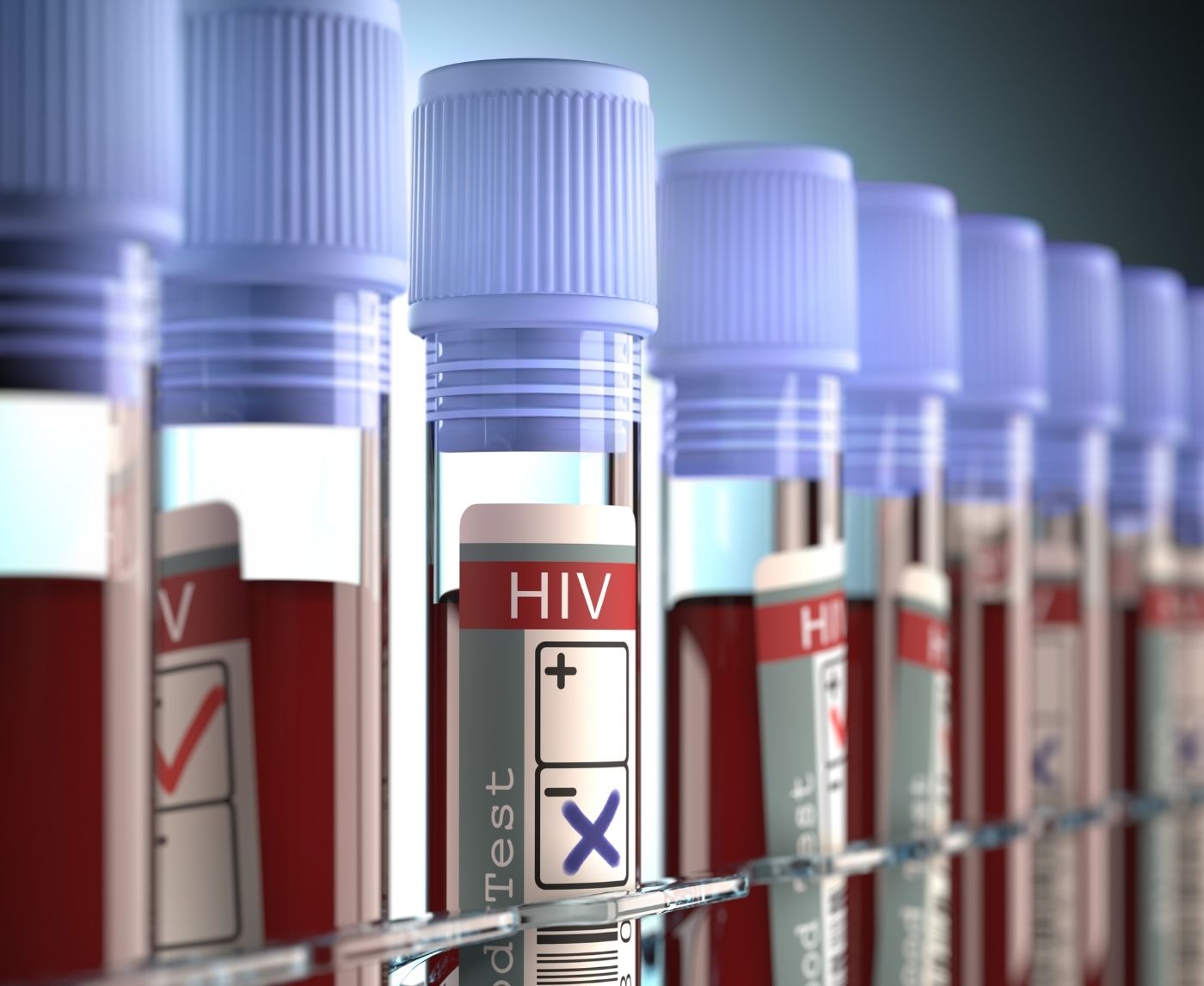



- A negative or "Not Detected" STD result can still miss an active infection if the test happened during the window period, the time the body needs before viral RNA, bacterial DNA, or antibodies are detectable.
- Retest timing depends on the infection: roughly 14 days for chlamydia and gonorrhea, around 45 days for a lab-based fourth-generation HIV test (up to 90 days for at-home fingerstick versions), 6 to 12 weeks for syphilis, and up to 12 to 16 weeks for herpes antibody testing.
Published: October 2025 | Last updated: May 2026 | Editorial review and quality control: Martina N.
Does a negative or "Not Detected" result mean I am STI-free?
Not always. It shows only what the test found in your sample that day. Test too early and an infection can hide: chlamydia and gonorrhea need about 14 days, HIV up to 90 days on an at-home fingerstick, syphilis and herpes longer. Retest if you tested early or symptoms persist.
A negative STD result is not always the final word, and that tension is more common than people realize. The result says you are clear, but a new symptom, a partner's disclosure, or a worry that will not settle says otherwise. Usually this has nothing to do with the lab being wrong. It comes down to timing, the sample that was collected, and the kind of test that was used.
Most home and clinic tests have a window period, the stretch of time after exposure when an infection is present in the body but not yet at detectable levels. A test taken inside that window can read negative even when an infection is active. The test is not faulty; the biology has not caught up yet. This guide walks through what a negative or "Not Detected" result actually rules out, how window periods work, when to retest by infection, and what to do when symptoms keep showing up after a clean result. Use it to plan your next test rather than guessing at two in the morning.
Key Takeaways
- A negative or "Not Detected" STD result can still miss an active infection if the test happened during the window period, the time the body needs before viral RNA, bacterial DNA, or antibodies are detectable.
- Retest timing depends on the infection: roughly 14 days for chlamydia and gonorrhea, around 45 days for a lab-based fourth-generation HIV test (up to 90 days for at-home fingerstick versions), 6 to 12 weeks for syphilis, and up to 12 to 16 weeks for herpes antibody testing.
What a negative or "Not Detected" result actually means
"Not Detected" is the wording most modern molecular labs use. "Negative" is what most at-home rapid kits print. In this context the two phrases mean the same thing: the assay did not find its target above the cutoff the lab uses to call a positive. The result is a measurement, not a diagnosis.
What the result cannot confirm is just as important. A negative reading does not rule out an existing infection still below the detection threshold, an earlier exposure missed in this particular sample, or an infection that will show up on a later test. The phrase reports only what the test could see in the sample you provided at the moment you tested.
Three factors decide whether a test can find an active infection: the timing of the test relative to exposure, the sample collected (urine, blood, vaginal swab, penile swab, throat swab, rectal swab), and the sensitivity of the assay used (rapid lateral-flow, antigen, antibody, or laboratory NAAT). When any of those three is misaligned, a genuinely infected person can still get a negative result.
The window period is the gap between exposure and the moment a test can reliably detect the infection. A negative result inside that window is a true reading of the test, not a true reading of your status. Plan the next test for after the window has closed for the infection you are checking.
When to retest by infection
The right retest window depends on the infection and the test method used. The table below summarizes typical first-test windows and suggested retest points based on current CDC STI guidance and the NHS overview of sexually transmitted infections. Individual immune response and assay generation can shift the numbers slightly. Use this as a starting point for planning, not as a substitute for clinician advice about your specific exposure.
| Infection | Earliest reliable detection | Suggested retest point | Why retest |
|---|---|---|---|
| Chlamydia | 7 to 14 days (NAAT) | Day 14 if first test was early, or if symptoms persist | Early bacterial load can be too low to detect |
| Gonorrhea | 5 to 14 days (NAAT) | Day 14 if first test was early, or if symptoms continue | False negatives possible in the first week |
| Trichomoniasis | 5 to 28 days | 4 weeks if ongoing symptoms | Rapid tests can miss asymptomatic cases |
| HIV (NAAT) | 10 to 33 days | Confirm at 3 months for high-risk exposure | Earliest detection of viral RNA in blood |
| HIV (Ag/Ab, lab-based blood draw) | 18 to 45 days | 3 months for full reassurance | Some seroconversions are slow |
| HIV (Ag/Ab, at-home fingerstick) | 18 to 90 days | 3 months for full reassurance | Fingerstick variants need longer than lab Ag/Ab tests |
| Syphilis | 3 to 6 weeks (antibody) | 6 to 12 weeks if no symptoms but concern remains | Antibodies take time to develop |
| Herpes (HSV-1/2 antibody) | 6 to 12 weeks | 12 to 16 weeks if no lesions appear | Antibody response varies between people |
| Hepatitis B | 3 to 9 weeks | 6 months for full clearance | Antibody window can be long |
| Hepatitis C | 4 to 10 weeks | 3 to 6 months | Antibody seroconversion varies |
How the test type changes the timing
The technology behind the test matters as much as the timing. A nucleic acid amplification test (NAAT, also called PCR) detects the genetic material of the organism and is the laboratory gold standard for chlamydia and gonorrhea. A rapid lateral-flow test, including most at-home cassettes, looks for antigens or the antibodies your body has produced. The two technologies have different sensitivities, especially in the first weeks after exposure, which is why a home rapid screen and a lab NAAT are best treated as complementary rather than interchangeable.
Antibody-based tests are slower still, because they depend on your immune system mounting a measurable response. Syphilis antibodies usually become detectable at 3 to 6 weeks. Herpes is the slowest of the common infections: the CDC notes that current HSV blood tests can take up to 16 weeks or more to detect infection after exposure (CDC herpes testing guidance). Two of our self-swab kits, the trichomoniasis and HPV tests, are validated for vaginal sampling only and are therefore women-only; men who need either test should use a clinic.
| Test type | Used for | Strength | Limitation |
|---|---|---|---|
| NAAT / PCR (lab) | Chlamydia, gonorrhea, trichomoniasis, HIV RNA | Highly sensitive, earliest reliable detection | Requires correct timing and proper sample site |
| Antigen/antibody (rapid blood) | HIV, syphilis | Quick result at home, low cost | Lower sensitivity in the first weeks; at-home fingerstick HIV variants can need up to 90 days |
| Antibody only (blood) | Herpes, late-stage syphilis | Useful for confirmation after seroconversion | Cannot detect very recent infections |
| Rapid swab cassette (home) | Chlamydia, gonorrhea, trichomoniasis, HPV | Private, screening at home in 15 minutes | Less sensitive than lab NAAT, validated for genital sites only |
Why HIV needs more than one test
For HIV, the picture is more layered than "45 days and done." A blood NAAT can detect HIV RNA earliest, between 10 and 33 days, but it is generally a clinic-only option. A lab-based fourth-generation antigen-antibody test, the standard blood draw at most clinics, is reliable by about 45 days. At-home fingerstick versions of that same fourth-generation chemistry can still need up to 90 days, per current CDC HIV testing guidance.
Why a test can miss an active infection beyond timing
Beyond window periods, four practical issues cause negative results in genuinely infected people. Knowing them helps you read your result without panic and plan a confident retest.
Sample technique. A vaginal or penile swab that does not collect enough cellular material, or a urine sample taken too soon after the last urination, lowers the signal a NAAT or rapid test can amplify. Most home kits ask for the first urine of the day, or no urination for one to two hours before sampling, for a reason. Follow the kit instructions exactly.
Low pathogen load. Early in an infection, the organism is multiplying but has not yet reached the concentration the test is calibrated against. This is the same issue as the window period viewed from the assay side.
Recent antibiotic use. Antibiotics taken for an unrelated infection (a UTI, sinusitis, dental work) can suppress chlamydia or gonorrhea enough to dodge detection without curing the infection. Tell the lab or clinician what you have taken in the last month so the result can be interpreted correctly.
The wrong test for the infection. A rapid blood antibody test for HSV-2 will not detect chlamydia. A urine NAAT for chlamydia and gonorrhea will not detect HIV.
The single biggest predictor of a false-negative STI test is testing too soon. Sample type and assay sensitivity matter, yet if you swab the right area on the right day with a moderately sensitive test, you will usually detect the infection. Test on day 3 with the most sensitive assay available, and you can still miss it.
Retesting after treatment for chlamydia or gonorrhea
Retesting after a positive result is a separate question from retesting for accuracy. For chlamydia and gonorrhea in particular, CDC guidance recommends retesting roughly three months after treatment, regardless of whether you believe your partners were treated. The reason is reinfection rates: people often resume sex with the same partner before that partner has been tested or treated, and the original infection comes back.
This three-month retest is sometimes called a test for reinfection, and it is different from a test of cure. It is meant to catch the next infection cycle, not the previous one. Most providers do not recommend a test of cure for chlamydia or gonorrhea unless symptoms persist, you are pregnant, or treatment compliance was uncertain.
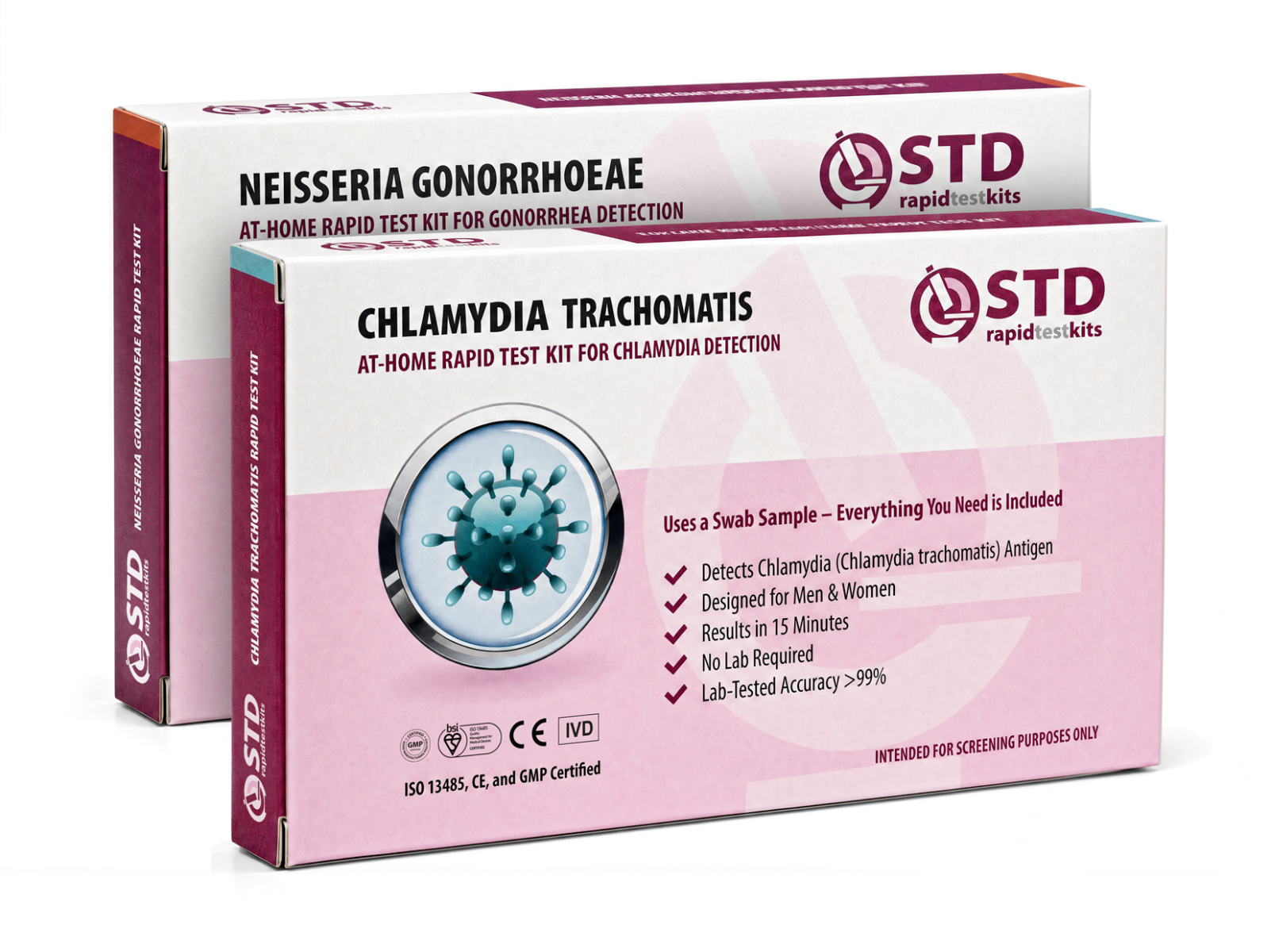
The kit below is sold by this site, and an at-home chlamydia and gonorrhea test is a convenient way to run that three-month check at home. It is a rapid lateral-flow screening test, useful at the right window. A positive rapid result should be confirmed with a laboratory NAAT before treatment.
Retesting 3 months after diagnosis of chlamydia, gonorrhea, or trichomoniasis can detect repeat infection and potentially can be used to enhance population-based prevention.
Still negative, still feeling symptoms
A negative result paired with persistent symptoms is one of the most disorienting situations in sexual health. There are three common reasons it happens, and the path forward depends on which one applies.
- Timing. Your symptoms may have started before the test could detect the infection. Retesting two to three weeks later, especially for chlamydia, gonorrhea, or trichomoniasis, is often the simplest fix.
- Sample site. A genital swab will not catch a pharyngeal or rectal infection. If your exposure included oral or anal contact, the appropriate sample site is the mouth or rectum, and at-home swab kits are not validated for those sites. A clinic visit is the right call when you suspect infection at a non-genital site.
- Non-STI cause. Several non-STI conditions produce symptoms that overlap with chlamydia, gonorrhea, or trichomoniasis. If two well-timed STI tests come back negative and symptoms persist, ask a clinician to consider these.
| Condition | Overlapping symptoms | What sets it apart |
|---|---|---|
| Bacterial vaginosis | Discharge with a fishy odor, mild burning | pH-driven, can be triggered by sexual activity but is not an STI; treated with metronidazole |
| Yeast infection | Itching, thick white discharge, swelling | No odor; clumpy discharge; less likely to cause spotting or burning urination |
| Urinary tract infection | Burning urination, urgency, pressure | Urinary frequency dominates the picture; usually no genital discharge |
| Prostatitis | Pelvic pressure, painful urination, urinary urgency | More common after age 40; not always infectious |
| Pelvic floor dysfunction | Pelvic pressure, pain with intercourse | Mechanical, not infectious; needs specialized assessment |
| Hormonal change | Spotting, dryness, altered discharge | Common during perimenopause, postpartum, or with new birth control |
| Friction or contact dermatitis | Burning, redness after sex | Resolves in 24 to 48 hours; new lubricant, condom material, or product is the trigger |
After a high-risk exposure or a partner's disclosure
Some retests are not driven by symptoms but by something a partner said, or did, that changes your sense of risk. A condom break, a partner who discloses an exposure of their own, or a discovery that disrupts an assumption of exclusivity can all warrant a fresh test plan even if you have tested negative recently.
The standard plan after a high-risk exposure is to test now for a baseline, retest at three to six weeks for the bacterial STIs that show up first, and retest at twelve weeks to clear the longer windows for HIV and syphilis. Anyone with a possible HIV exposure within the last 72 hours should also ask a provider about post-exposure prophylaxis (PEP), a short course of antiretrovirals that can prevent infection if started in time. PEP is time-sensitive, so this conversation should happen as soon as possible after the exposure rather than waiting for a test result. The WHO STI fact sheet covers the transmission context for the common infections behind these exposures.
Contact a clinician, urgent care, or emergency department right away to ask about post-exposure prophylaxis (PEP). PEP must start within 72 hours of exposure to be effective, and the sooner the better. Do not wait for a test result before making the call.
Talking to a partner while you wait for clarity
Telling a partner you are retesting is not a confession of guilt. It is a courtesy that lets them make informed decisions about their own health. The framing that lands well with most partners is straightforward: I tested early after our exposure, the result was negative but not yet conclusive, and I am running a follow-up test at the right window. In the meantime, we should use barrier protection or hold off on penetrative sex.
If a partner has already tested positive and you have not, the conversation runs the other direction. Get retested at the right window for the infection they were diagnosed with, and ask the clinician or test provider whether expedited partner therapy is an option in your state. For chlamydia and gonorrhea, many U.S. states allow a clinician to provide treatment for an exposed partner without an in-person visit; the CDC supports this practice.
Anonymous partner-notification services, available through most local health departments, can alert a partner that they may have been exposed without disclosing your identity. Ask your clinic or search your state health department website for the service in your area.
Building a retest routine for ongoing exposure
If your sexual situation involves multiple partners, partners outside an exclusive relationship, or any consistent change in partners, retesting becomes a routine rather than a one-off. CDC screening recommendations support testing every three to six months for sexually active adults at higher risk, including men who have sex with men, people with multiple partners, and anyone whose partner has tested positive for an STI.
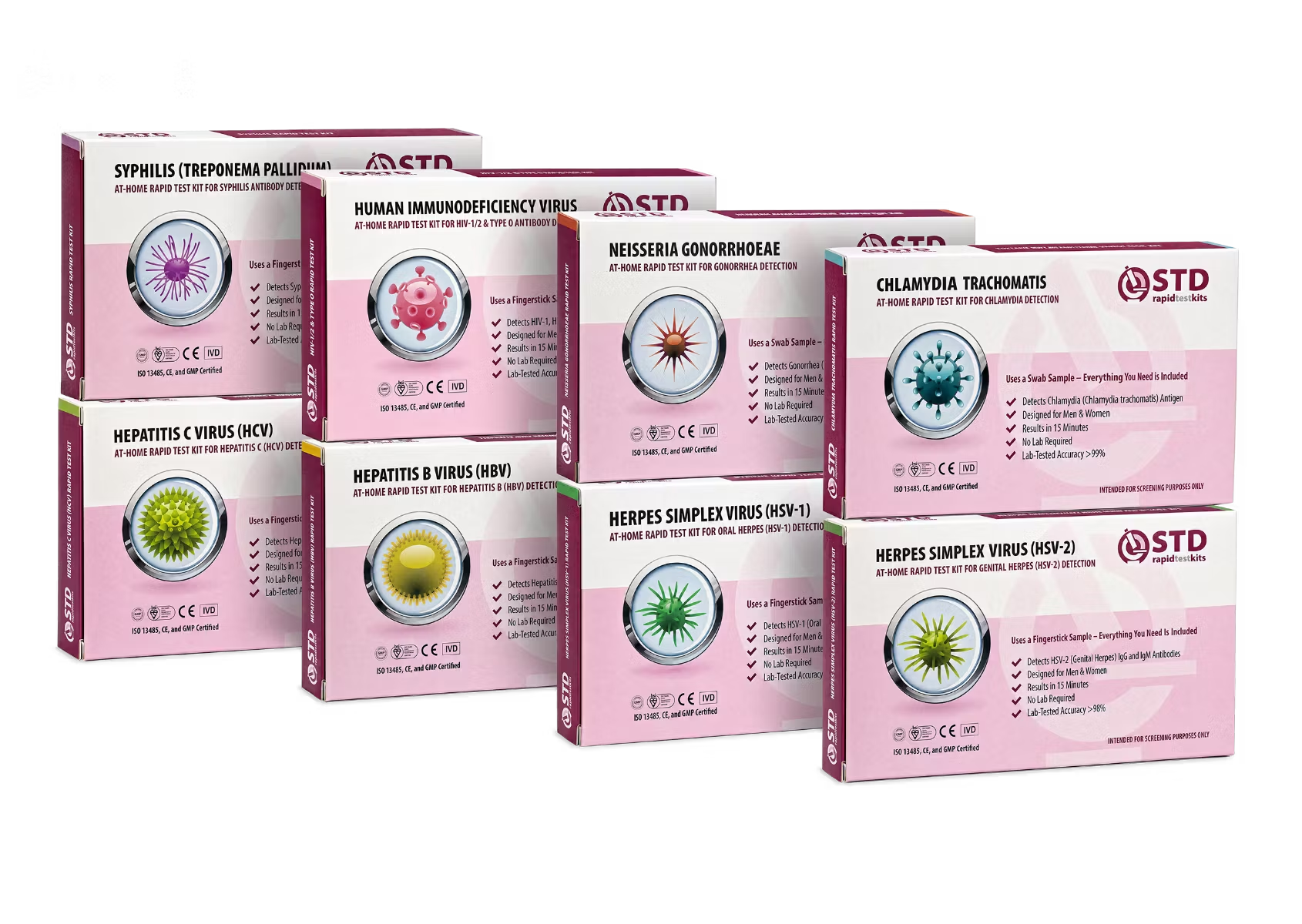
The cadence matters more than picking a perfect interval. Quarterly testing catches recent infections before they progress, and semi-annual testing catches the rest. For a recurring routine that covers more than one infection at once, a multi-panel kit from our range of at-home STI test kits can fold several checks into a single sitting.
When a follow-up test comes back positive
If your retest is positive, the next steps are concrete. Confirm the result with a second test, ideally a laboratory NAAT for bacterial infections or a confirmatory antibody test for HIV and syphilis. Most at-home kits include guidance on what confirmation looks like; if not, a clinic visit handles both confirmation and treatment in one step. Do not interpret a faint line on a rapid test as negative by default. Manufacturer instructions for most lateral-flow assays treat any visible test line as a positive within the read window.
Treatment for the most common bacterial STIs is short and effective, and the Mayo Clinic STD overview summarizes the first-line options. Chlamydia and gonorrhea are typically treated with a brief antibiotic course. Syphilis is treated with one or more injections of penicillin, depending on stage. HIV is managed with daily medication that, when taken consistently, can reduce viral load to undetectable levels and effectively eliminates the risk of sexual transmission to partners. Notify recent partners so they can test and, if needed, get treated themselves.
After a positive retest, do these in order
- Confirm the result with a laboratory NAAT for bacterial infections, or a confirmatory antibody test for HIV and syphilis.
- Begin treatment promptly. Most bacterial STIs clear with a short antibiotic course; HIV is managed with daily medication that suppresses viral load.
- Notify recent partners so they can test and, if needed, get treated. Anonymous partner notification services exist if direct contact is not safe.
Bottom line
A negative STD test is a useful data point, not always a final answer. The decision to retest comes down to three questions. Did you test inside the window period for the infection you are worried about? Do you have ongoing or recent exposure? Have you been treated for chlamydia or gonorrhea in the last three months? If any answer is yes, the right move is a planned retest at the appropriate interval rather than waiting for symptoms to settle the question.
1. Was your last test inside the window period for the infection you are worried about? 2. Has there been a new or ongoing exposure since that test? 3. Were you treated for chlamydia or gonorrhea in the last three months? A yes to any one of these is a reason to plan a retest.
Should you retest? A quick decision guide
Did you test within the first week after a possible exposure?
Yes: Treat the result as provisional and book a retest at the right window: day 14 for chlamydia and gonorrhea, about 45 days for a lab HIV test (up to 90 days for an at-home fingerstick), and 6 to 12 weeks for syphilis.
Was there a possible HIV exposure within the last 72 hours?
Yes: Contact a clinician, urgent care, or emergency department today about post-exposure prophylaxis (PEP). Do not wait for a test result before making the call.
Do symptoms persist after two well-timed negative tests?
Yes: See a clinician to rule out the non-STI causes in the differential table above, and ask about throat or rectal sampling if your exposure was oral or anal.
No: If your exposure is ongoing, set a routine of testing every three to six months with a multi-panel at-home kit, and confirm any reactive result with a laboratory NAAT.
Guidance only. A healthcare provider can advise based on your specific exposure.
FAQs
- Can a negative STD test be wrong?
- Yes, most often because the test was taken too early. Each infection has a window period during which the body has not yet produced detectable antibodies or built up enough bacterial or viral material for the assay to register. A test inside that window can read negative even when an infection is active. Retesting at the appropriate interval for the infection in question is the way to confirm a true negative.
- Is a "Not Detected" result the same as a negative result?
- Functionally yes. "Not Detected" is the wording most modern molecular labs use; "Negative" is the wording most rapid kits and older tests use. Both mean the test did not find the target above the lab's cutoff in the sample you provided. Neither phrase guarantees you are uninfected, since timing and sample site can both produce a false negative.
- How soon can I retest after a negative result?
- It depends as much on the test you used as on the infection. At-home rapid lateral-flow kits generally need longer than lab NAATs: an at-home HIV fingerstick can need up to 90 days versus about 45 for a clinic blood draw. As a practical guide, for bacterial infections (chlamydia, gonorrhea, trichomoniasis) day 14 after exposure is usually enough for a reliable rapid screen. For HIV, syphilis, and herpes antibody tests, use the window-period table above. After treatment for chlamydia or gonorrhea, the CDC recommends retesting at three months for reinfection regardless of partner status.
- Are at-home rapid tests less accurate than lab tests?
- At-home rapid lateral-flow tests are generally less sensitive than laboratory NAAT or confirmatory antibody tests, especially in the first weeks after exposure. They are reliable for screening at the right interval after exposure, and they are useful for routine retesting, but a positive result should be confirmed with a laboratory test, and a negative result inside the window period should be repeated later.
- Could antibiotics I took for something else affect my STI test result?
- Yes, especially for chlamydia and gonorrhea. Antibiotics taken for a UTI, dental procedure, or sinusitis can suppress bacterial growth enough to dodge detection on a NAAT without fully curing the infection. Tell the lab or clinician what you took in the last month so the result is interpreted correctly. If you have any uncertainty, a retest at the appropriate window is the safe call.
- Can a faint line on a rapid test be a positive?
- Most lateral-flow rapid test instructions treat any visible test line, even a faint one, as a positive within the read window. Squinting at the cassette or guessing is not the right move. Repeat the test with a fresh kit, or send a sample for lab confirmation. Reading the result before or after the manufacturer's specified time window can also produce ghost lines that are not real positives.
- Can a throat or rectal STI show up on a genital swab?
- A swab only picks up organisms at the site sampled. An infection in the throat or rectum produces no signal on a genital swab regardless of how sensitive the assay is. Clinic-collected pharyngeal and rectal swabs are the appropriate test for those sites; we do not sell home kits for non-genital sample types.
- My partner tested positive but my test was negative. What should I do?
- Retest at the appropriate window for the infection they were diagnosed with. A negative test today does not rule out a recent transmission, especially if you tested within a week of exposure. Use barrier protection or pause penetrative sex in the meantime. Many U.S. clinicians can also offer expedited partner therapy, a treatment course without an in-person visit, which the CDC supports for chlamydia and gonorrhea exposures.
- How often should sexually active adults get tested?
- CDC screening recommendations support testing every three to six months for adults at higher risk, including men who have sex with men, people with multiple partners, and anyone whose partner has tested positive for an STI. People in long-term mutually monogamous relationships typically need testing only at the start of the relationship and after any change in exposure.
How we sourced this article: Our article was constructed based on current advice from the most prominent public health and medical organizations, then translated into plain language around the situations people actually experience. Window-period figures and retesting cadence reflect CDC STI treatment and screening guidelines and NHS overviews of sexually transmitted infections. Where guidance varies between authorities, we cited the more conservative window.
- U.S. Centers for Disease Control and Prevention. Sexually transmitted infections overview, screening, testing windows, and the three-month retest after chlamydia or gonorrhea treatment.
- U.S. Centers for Disease Control and Prevention. HIV testing window periods for NAAT (10 to 33 days), fourth-generation antigen/antibody (18 to 45 days), and antibody assays including at-home fingerstick variants (up to 90 days).
- U.S. Centers for Disease Control and Prevention. Genital herpes testing guidance, noting current HSV blood tests can take up to 16 weeks or more to detect infection.
- National Health Service (UK). Sexually Transmitted Infections (STIs) overview, including testing windows and retesting guidance for common STIs.
- World Health Organization. Sexually transmitted infections fact sheet covering global incidence, transmission, testing, and treatment guidance.
- Mayo Clinic. Sexually transmitted diseases overview covering symptoms, causes, first-line treatment, and when to see a clinician.