Published: August 2025 | Last updated: May 2026 | Editorial review and quality control: Martina N.
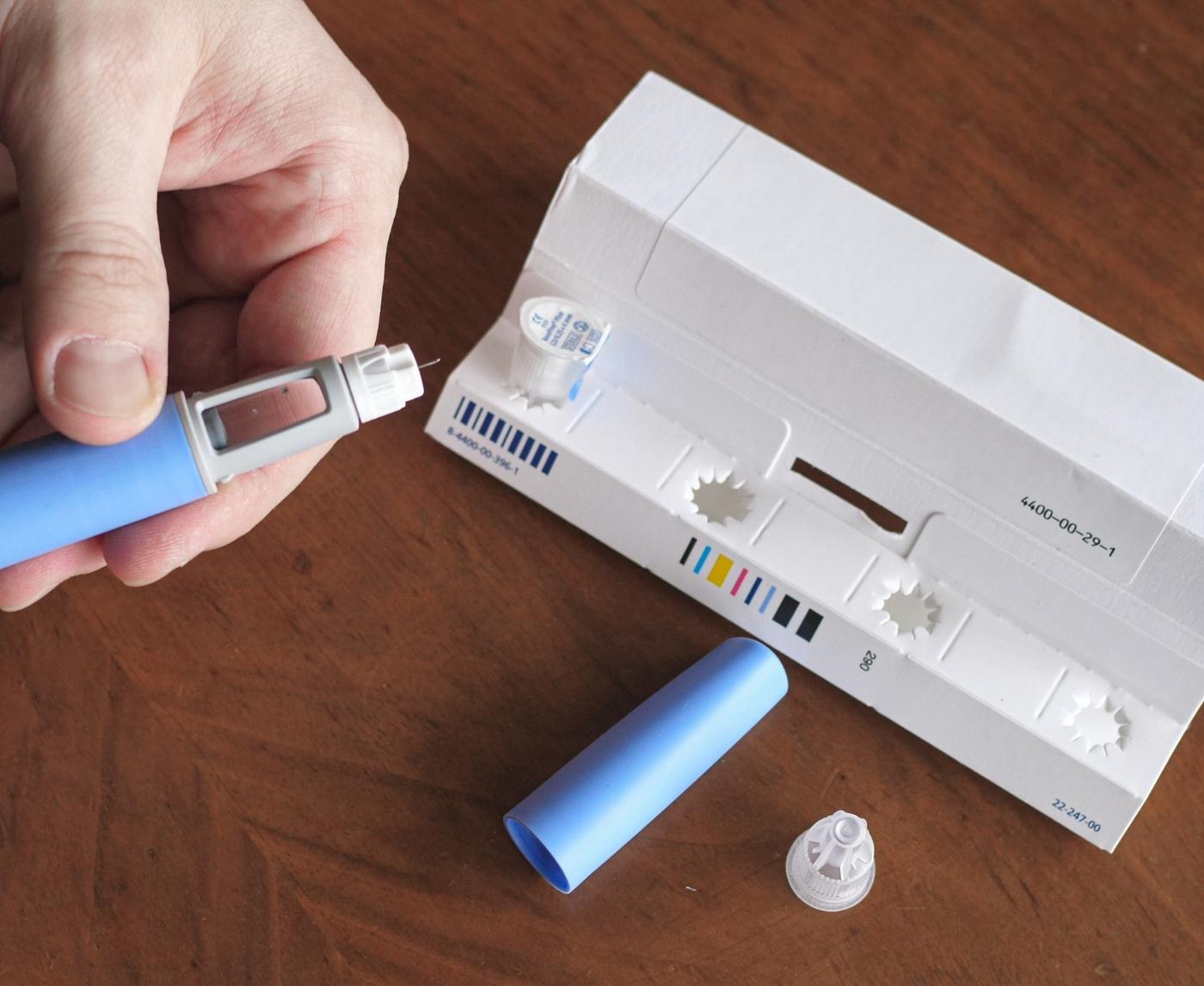
There is a frustrating gap many people living with HIV know firsthand. The viral load reads undetectable, the CD4 count looks healthy, and yet the body feels off. Belly weight accumulates, energy dips after meals, and a liver ultrasound comes back showing fatty changes even when alcohol is not in the picture. Recent research points to semaglutide (the active drug in Ozempic and Wegovy) as a real option for shrinking liver fat in people living with HIV who develop metabolic dysfunction-associated steatotic liver disease, also called MASLD, or MASH when inflammation is present.
This article walks through what is happening biologically, what the SLIM LIVER and ESSENCE trials actually showed, where the access barriers sit, and where routine hepatitis and STI testing fits into the bigger picture of liver and sexual-health care for people living with HIV.
Key Takeaways
- Weight changes and fatty liver on modern HIV therapy are documented in published research and tied to integrase-inhibitor regimens, chronic inflammation, and metabolic shifts. They are not personal failure or a diet problem.
- Semaglutide trials in people with HIV (SLIM LIVER) and in the general MASH population (ESSENCE) show meaningful reductions in liver fat, body weight, and fibrosis, with side-effect profiles similar to non-HIV cohorts.
Why Weight and Liver Fat Shift on Modern ART
Antiretroviral therapy has rewritten what living with HIV looks like. Single-tablet regimens built around integrase strand-transfer inhibitors (the class that includes bictegravir, dolutegravir, and raltegravir) keep viral replication suppressed in the vast majority of people who take them consistently. They are easier to swallow, kinder on kidneys, and have fewer of the harsh lipodystrophy effects that defined older protease-inhibitor regimens.
What modern regimens did not solve was metabolic side effects. Across cohort studies and randomized trials, people starting or switching to integrase-inhibitor regimens, especially in combination with tenofovir alafenamide, gain measurable weight in the first one to two years of treatment. The gain is not uniform. Published research consistently shows that Black and Hispanic patients, women, and people who were underweight at baseline tend to gain more, often in the range of five to fifteen pounds in the first year.
That weight is not all subcutaneous fat. Imaging studies show a meaningful share goes to visceral adipose tissue around the abdominal organs, and to the liver itself. When intrahepatic triglyceride content crosses about five percent of liver volume on imaging, it meets the threshold for metabolic dysfunction-associated steatotic liver disease, the condition formerly called non-alcoholic fatty liver disease. Estimates from co-infection cohorts suggest 30 to 40 percent of people living with HIV may develop MASLD, with a smaller subset progressing to the inflammatory form called MASH (NIDDK liver disease information).
The shift is biological, not behavioral. Chronic immune activation from HIV alters how the body stores fat. Some antiretrovirals slow mitochondrial fatty-acid oxidation in liver cells. Reduced energy expenditure during early treatment combines with returned appetite, particularly for people who experienced years of viremia-driven weight loss before starting ART, to create a body composition shift that diet alone rarely reverses. Prescribing diet advice alone to someone whose body chemistry has been rewritten by long-term medication bypasses the biological drivers that diet cannot reach.

What Semaglutide Is and How It Actually Works
Semaglutide is a glucagon-like peptide-1 (GLP-1) receptor agonist. The molecule mimics a natural gut hormone that the small intestine releases after meals. When semaglutide binds to GLP-1 receptors in the pancreas, the brain, and the gut, several things happen at once: insulin release improves in response to glucose, glucagon (a counter-regulatory hormone) is suppressed, gastric emptying slows so fullness lasts longer, and appetite signaling in the hypothalamus quiets down.
The drug is the same molecule across two branded products with different dosing schedules and indications. Ozempic is the lower-dose, type 2 diabetes formulation that the FDA approved in 2017. Wegovy is the higher-dose, weight-management formulation approved in 2021. In 2025 the FDA expanded Wegovy's indication to include adults with MASH and moderate to advanced liver fibrosis, on the strength of the ESSENCE Phase 3 trial (FDA Drugs). Headline results from ESSENCE, which formed the basis of that 2025 approval, included:
- About 63 percent of semaglutide-treated patients reached resolution of steatohepatitis without worsening of liver fibrosis at 72 weeks
- Approximately 37 percent showed measurable improvement in liver fibrosis (the scarring that drives long-term liver damage)
- Mean body-weight reduction reached roughly 10 percent over 72 weeks of weekly subcutaneous semaglutide
- Gastrointestinal symptoms (nausea, early fullness, mild diarrhea) were the most common side effects, generally manageable with gradual dose escalation
- Source: FDA Wegovy approval materials, 2025 (<a href="https://www.fda.gov/drugs">FDA Drugs</a>)
The SLIM LIVER Trial and What It Found in People with HIV
The ESSENCE numbers above come from the general MASH population, not specifically from people living with HIV. For that population, a separate trial called SLIM LIVER provides the most directly relevant evidence so far. SLIM LIVER was a Phase 2b, open-label, single-arm study supported by the National Institute of Allergy and Infectious Diseases (NIAID) and the Adult AIDS Clinical Trials Group. It enrolled adults living with HIV who were on stable antiretroviral therapy and who also had MASLD confirmed by imaging. Participants received weekly semaglutide injections, titrated up to 1.0 mg, for 24 weeks alongside their unchanged ART regimens.
Top-line findings, presented at the 2024 Conference on Retroviruses and Opportunistic Infections and summarized in the NIH press release, showed approximately a 31 percent relative reduction in intrahepatic triglyceride content on magnetic resonance imaging, meaningful average weight loss as a secondary outcome, improvements in fasting blood sugar and triglycerides, and, importantly for ART users, no evidence of viral rebound or interference with HIV suppression (NIH/NIAID news release on the SLIM LIVER trial).
Side effects mirrored what general-population semaglutide trials report: nausea was most common, especially during the dose-escalation phase, and tended to ease over time. No participants experienced clinically significant interactions with their antiretroviral regimens during the 24-week observation period.
SLIM LIVER's limits matter. It was a single-arm study without a placebo comparator, and the 24-week window does not address what happens to liver fibrosis with longer treatment, the question that the larger ESSENCE program is beginning to answer in the general MASH population. Studies that follow people with HIV for longer, with broader demographic representation, are still needed before clinical guidelines specifically endorse semaglutide for MASLD in this population.
Phase 2b open-label trial. 24 weeks of weekly subcutaneous semaglutide titrated to 1.0 mg. Approximately 31 percent average relative reduction in liver fat on MRI. Meaningful average weight loss reported as a secondary outcome. No HIV viral rebound observed. Most common side effect: transient nausea during dose escalation. Supported by NIAID and the Adult AIDS Clinical Trials Group; presented at CROI 2024.
Liver Health Matters More Than the Scale
It is easy to read fatty-liver coverage as a weight-loss story. The deeper public-health concern is that MASLD and its progressive form MASH are now the leading drivers of chronic liver disease worldwide. In people living with HIV, fatty liver often layers on top of older liver insults: chronic hepatitis B or C co-infection, alcohol exposure earlier in life, and the prolonged low-grade inflammation of HIV itself. Each pathway alone can scar the liver. Together they can accelerate progression toward cirrhosis or hepatocellular carcinoma.
That is why the field is paying attention. A treatment that reliably reduces liver fat in people with HIV does more than help pants fit. It lowers the metabolic load on a liver that may also be processing antiretroviral metabolites and antibody responses to long-standing viral infections (CDC overview of viral hepatitis).
For people with HIV who report fatigue, abdominal heaviness, or cognitive fog while virologically suppressed, MASLD now offers a diagnosable and treatable explanation rather than a referral back to stress or diet. That shift in the clinical picture is what makes documentation (lab values, imaging, elastography) the practical lever for getting evaluated and, where appropriate, treated.

Access, Cost, and Insurance Realities
The clinical promise of semaglutide collides with a deeply uneven access landscape. Retail pricing for Ozempic in the United States hovers near nine hundred to one thousand dollars per month before any insurance discount. Wegovy runs higher still. Compounded versions sold by online wellness clinics are cheaper but unregulated, with FDA enforcement actions ongoing.
Insurance coverage is patchy. Commercial plans often cover Ozempic for type 2 diabetes but exclude Wegovy for weight management, or they require extensive prior-authorization paperwork. Medicare currently does not cover GLP-1 receptor agonists prescribed for weight loss alone, though MASH-related coverage may evolve following the 2025 Wegovy expansion. Medicaid varies state by state. Many state Medicaid programs apply BMI thresholds, often a body mass index above 30, sometimes 35 with comorbidities, that exclude patients whose visceral fat and liver fat sit outside those cutoffs.
Access disparities follow the patterns familiar in HIV care. Studies of GLP-1 prescribing show Black patients, women, and patients with public insurance receive these medications at lower rates than white patients with private insurance, even after adjusting for clinical eligibility.
Practical levers that can help: bring imaging or elastography results (a FibroScan showing increased liver stiffness, or an MRI showing elevated liver fat) to appointments; ask explicitly about off-label prescribing for HIV-related MASLD or about MASH-indicated use of Wegovy now that the FDA approval exists; and request written denial reasons for appeals when an insurance plan refuses coverage despite clinical evidence. ICD-10 codes that often anchor an appeal include K76.0 (fatty change of liver, not elsewhere classified), K75.81 (steatohepatitis), and B20 (HIV disease).
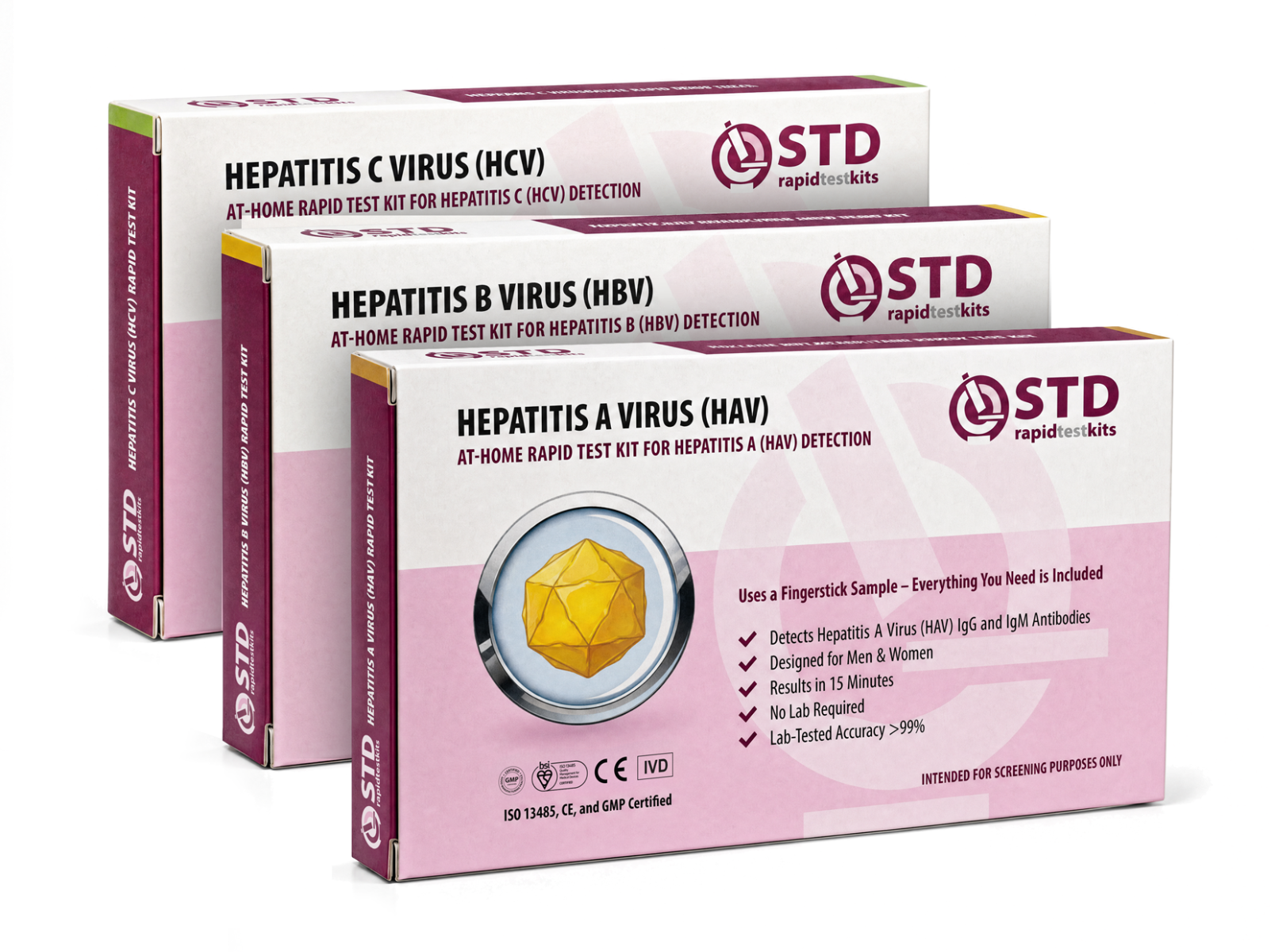
A note on what we sell: stdrapidtestkits.com offers at-home rapid hepatitis B and hepatitis C tests, plus combination STI panels, that can support the kind of baseline screening described elsewhere in this article. Details are in the test panel below.
What to Bring to a Conversation with Your Provider
A useful semaglutide conversation rarely starts with the drug. It usually starts with documentation that fatty liver is present and progressing. The labs and imaging worth gathering before the appointment include:
- Most recent liver enzyme panel (ALT, AST, alkaline phosphatase, GGT). Persistent elevation, even mild, is a flag
- Abdominal ultrasound report or MRI mentioning hepatic steatosis or increased echogenicity
- FibroScan or transient elastography result if available, with both the controlled attenuation parameter for fat and the liver stiffness measurement for fibrosis
- Current antiretroviral regimen and a complete list of other prescription medications, especially statins, hormones, oral contraceptives, and metformin
- Recent hemoglobin A1c, fasting glucose, and lipid panel
- Recent CD4 count and viral load confirmation showing sustained suppression
From Documentation to a Real Clinical Decision
With that packet in hand, the conversation can shift from generic lifestyle advice to a specific clinical question: given my labs, my imaging, my ART, my CD4, and my viral load, is semaglutide a reasonable option for the MASLD or MASH that we are documenting?
If a provider responds with a flat refusal or a diet handout rather than engagement with the labs, that is information. Hepatologists, endocrinologists, and HIV specialists with experience treating co-occurring metabolic disease are often more familiar with the trial evidence than a brief primary-care visit allows for. A referral request is reasonable, and many integrated care clinics now include metabolic-disease pathways for patients with HIV specifically because the SLIM LIVER findings have changed the standard of care conversation.
If your primary-care provider is not engaging with the labs, three referral types are worth requesting by name: a hepatologist (for liver-disease evaluation and FibroScan interpretation), an endocrinologist (for metabolic and GLP-1 prescribing expertise), or an HIV specialty clinic with an integrated metabolic-disease pathway. The third option is increasingly common at academic medical centers and Ryan White-funded clinics following the SLIM LIVER findings.
Where Regular Testing Fits Into the Bigger Picture
Semaglutide is one thread in a longer-running conversation about whole-body health for people living with HIV. The other threads include consistent hepatitis surveillance, sexual health screening, and immunization checks. The CDC recommends that people with HIV be screened for hepatitis B and hepatitis C at HIV diagnosis and as clinically indicated thereafter, particularly for those with elevated liver enzymes or ongoing exposure risks (CDC HIV testing and care resources).
For sexually active adults on ART, periodic STI screening for chlamydia, gonorrhea, and syphilis sits in the same category as the metabolic and liver monitoring described above. None of these replace a clinic visit, particularly for symptom evaluation or treatment, but at-home rapid tests can fill the gap between visits when getting to clinic is hard, when partners want to test together, or when privacy matters more than waiting-room time.
What at-home rapid tests do well: they screen with lateral-flow chemistry, deliver results in roughly fifteen minutes, and require no lab appointment. What they cannot do: confirm a positive result with the analytical sensitivity of a laboratory NAAT, replace clinic-administered swabs for throat or rectal exposures, or substitute for the multi-year viral load and CD4 monitoring that defines HIV care. The two layers (rapid home screening and clinic-based confirmation) are complementary. For someone with HIV managing both metabolic and infectious health, this layered approach often looks like quarterly clinic labs for HIV monitoring plus periodic home rapid tests between visits for hepatitis and other STI screening.

Semaglutide reduced the severity of a common liver disease in people with HIV, an important step toward addressing a growing health concern in this population.
Frequently Asked Questions
- Is semaglutide safe to take alongside antiretroviral therapy?
- Available evidence from the SLIM LIVER trial (24 weeks of weekly semaglutide in adults with HIV on stable ART) showed no clinically meaningful interactions with antiretroviral regimens and no viral rebound. Real-world prescribing data is still building. Bring a full medication list to any clinical conversation so dose timing, gastric-emptying effects, and potential interactions with statins, hormones, or oral contraceptives can be reviewed by your prescriber.
- Do I need to meet a BMI cutoff to qualify for semaglutide?
- Many insurance policies still apply a BMI threshold (often above 30, sometimes 35 with comorbidities) for Wegovy weight-management coverage. The FDA's 2025 Wegovy MASH approval may shift some coverage policies because it adds a liver-disease indication that does not rely on BMI alone. Bringing FibroScan results, imaging reports, or persistently elevated liver enzymes to the conversation can help build a coverage case based on liver disease rather than weight category.
- What does it feel like when semaglutide is working?
- Most people describe a gradual shift over several weeks. Appetite signals quiet down, portions feel naturally smaller, and the rebound hunger after meals lessens. Energy may stabilize as blood sugar swings smooth out. Weight loss tends to accumulate slowly, roughly one to two pounds per week is typical at therapeutic doses, rather than appearing dramatically. Liver fat reductions on imaging usually need at least three to six months to show clearly.
- Why does my body still struggle when my viral load is undetectable?
- Antiretroviral therapy and long-term HIV-associated inflammation both alter fat storage and metabolic rate, producing fatty liver even in people with sustained viral suppression for years. The SLIM LIVER trial was designed precisely because this is a documented, treatable biological process. Chronic low-grade inflammation (sometimes called inflammaging in long-term survivors) is another driver that the field is now starting to treat directly rather than dismiss as aging or lifestyle.
- Can semaglutide interact with gender-affirming hormones?
- No major direct pharmacological interactions have been reported between semaglutide and estradiol, testosterone, or anti-androgens. That said, significant weight or body-composition changes can shift how injectable or topical hormones distribute through the body, which can affect how levels feel day to day. A prescriber managing gender-affirming care should know about a semaglutide start so dosing or monitoring can be adjusted if needed.
- Does semaglutide help hepatitis-related liver disease?
- The strongest evidence for semaglutide is in metabolic-associated fatty liver disease, where excess fat and insulin resistance are the main drivers. For chronic hepatitis B or C, direct-acting antiviral therapy remains the foundation of care; semaglutide is not a replacement. Where the two intersect, for example a person with previously treated hepatitis C plus ongoing MASLD, some hepatologists use semaglutide off-label for the metabolic component while standard hepatitis care continues.
- How long do people typically stay on semaglutide?
- Treatment duration is individualized. For weight management and MASH, semaglutide is generally framed as a long-term medication, similar to how statins or antihypertensives are taken indefinitely. Stopping often leads to regain of weight and re-accumulation of liver fat in research cohorts. Some patients taper after sustained improvement in liver enzymes and imaging; others continue indefinitely. Periodic lab monitoring every three to six months is standard.
- What side effects are most common, and how do I manage them?
- Gastrointestinal symptoms top the list: nausea, early fullness, mild diarrhea or constipation, and occasionally vomiting during dose escalation. Most ease within a few weeks or after a dose hold. Eating smaller meals, avoiding very high-fat foods, and staying hydrated reduce severity. Less common but more serious risks include gallbladder problems, pancreatitis, and rarely allergic reactions or hypoglycemia in people also taking insulin or sulfonylureas. Any persistent severe abdominal pain warrants prompt clinical evaluation.
You Deserve More Than a Suppressed Viral Load
Living with HIV has changed enormously in the last decade. The clinical horizon is no longer just survival or even viral suppression. It is metabolic health, mental health, liver health, joint health, and quality of life across decades. Semaglutide is one tool that has arrived in time to address one piece of that horizon. It is not a cure for fatty liver, not a substitute for the rest of the care that supports a long life with HIV, and not equally accessible yet. It is a real, evidence-backed option worth knowing about.
If something has felt off in your body even while your labs read clean, that observation matters. The next-steps list below sketches a concrete path from where you are to a clinical conversation grounded in your own data.
- Document the picture: pull your most recent liver enzyme panel, request an abdominal ultrasound or FibroScan if you do not have one in the last twelve months, and keep a one-page summary of values and dates
- Request an MASLD-specific conversation with a clinician experienced in HIV plus metabolic care (hepatologist, endocrinologist, or an HIV specialty clinic that integrates metabolic pathways), citing SLIM LIVER and the 2025 FDA Wegovy MASH approval
- Layer at-home hepatitis B and C screening between clinic visits if liver enzymes have been trending up, so a positive result triggers a confirmatory lab test promptly rather than at the next scheduled appointment
- U.S. National Institutes of Health and NIAID news release summarizing the SLIM LIVER Phase 2 trial, which found that semaglutide reduced liver fat in people with HIV and MASLD. Presented at CROI 2024.
- U.S. Centers for Disease Control and Prevention. HIV testing, care continuum, and recommendations for co-infection screening including hepatitis B and hepatitis C.
- U.S. Centers for Disease Control and Prevention. Division of Viral Hepatitis, including screening recommendations for adults living with HIV and surveillance data on hepatitis B and C.
- National Institute of Diabetes and Digestive and Kidney Diseases (NIDDK). Liver disease information including metabolic dysfunction-associated steatotic liver disease (MASLD) and steatohepatitis (MASH), disease definitions and progression risk.
- U.S. Food and Drug Administration. Drugs section, including approval information for semaglutide products Ozempic and Wegovy, the 2025 Wegovy MASH indication expansion, and post-market labeling updates.
