Published: November 2025 | Last updated: May 2026 | Editorial review and quality control: Martina N.
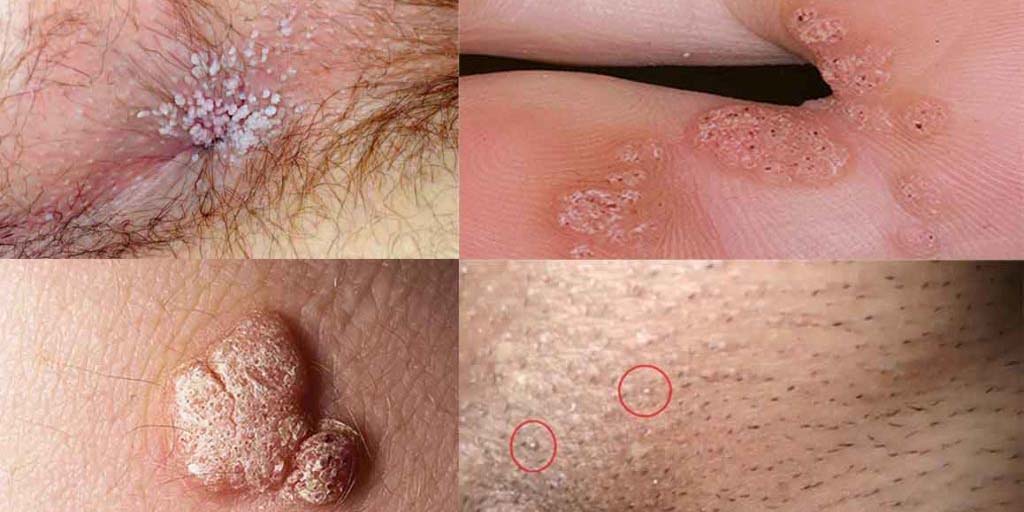
Genital warts (medical name: condylomata acuminata) are growths of skin caused by certain strains of the human papillomavirus, or HPV. They are usually painless, often soft, and can appear flesh-colored, pink, or slightly darker than surrounding skin. The classic shape, multiple small bumps fused into a cluster that resembles a miniature cauliflower head, is what gives this article its name. Per the CDC's About Genital HPV Infection page, HPV is the most common STI in the United States, and most sexually active adults will be exposed to it at some point in their lives.
Here is the most useful first thought if you are reading this because of a bump you just noticed: most people who carry HPV never develop a single wart. The warts that do appear are usually caused by low-risk strains that respond well to treatment and do not cause cancer. And a bump in the genital area is more likely to be something benign than a wart at all. Ingrown hairs, skin tags, pearly penile papules, sebaceous cysts, folliculitis, and molluscum contagiosum are all common, all benign, and all easily mistaken for warts at first glance. The visual gallery further down the page is the fastest way to start sorting these out, and the diagnosis section explains what a clinician will check.
A new genital bump is not automatically a cancer risk, not proof of infidelity, and in many cases not even a reason for a prescription. Two things are worth doing: get an accurate diagnosis from a clinician, and understand how to lower the chance of passing the virus on. The sections below cover both.
Key Takeaways
- Genital warts are caused by low-risk HPV strains 6 and 11, which account for about 90% of cases per the CDC STI Treatment Guidelines. These strains are contagious through skin-to-skin contact but do not cause cancer.
- There is no cure for the underlying HPV infection, but visible warts can be removed with prescription creams, cryotherapy, or in-office procedures. The HPV vaccine prevents most new wart-causing infections.
What is HPV and how does it cause genital warts?
HPV is a family of more than 200 related viruses. Around 40 of them infect the genital, anal, and oral mucosa. Most are cleared by the immune system within one to two years and never cause symptoms. Per the CDC's About HPV page, the strains split into two practical categories: low-risk types that cause warts, and high-risk types that can cause cancer over many years.
About 90% of anogenital warts are caused by the nononcogenic HPV types 6 or 11, per the CDC STI Treatment Guidelines for anogenital warts. They live in the top layers of skin, replicate slowly, and produce the soft growths most people picture when they hear the word "wart". They are not the same strains that cause cervical, anal, or oropharyngeal cancer, which are driven primarily by high-risk types 16 and 18. Someone can carry both low-risk and high-risk strains at the same time without knowing, because they shed silently. The same Gardasil 9 vaccine covers both groups, which is why a single shot series addresses two very different HPV-related risks at once.
The virus enters through tiny breaks in the skin during vaginal, anal, or oral sex. Most people exposed never develop visible warts; the immune system suppresses the infection before any growth becomes noticeable. When warts do appear, the timing is variable: per the NHS genital warts page, they typically show up a few weeks or months after sex with someone who is infected, though in some cases the visible wart only surfaces many months later. A new wart is therefore poor evidence of recent infidelity, since the strain that produced it may have been acquired much earlier.
HPV is so common that nearly every person who is sexually active will get HPV at some time in their life if they don't get the HPV vaccine.
What genital warts look like
The classic description is a soft, painless bump that gradually grows into a cluster shaped like a tiny cauliflower head. That description is accurate but covers only one of several common appearances. Real-world warts vary in size, color, and shape depending on where they sit and how long they have been there.
Common visual patterns include:
- Cauliflower-shaped clusters. Several small bumps fuse into a single irregular growth with a bumpy surface. This is the textbook appearance and the easiest to recognize. Size ranges from a few millimeters to over a centimeter across.
- Flat, slightly raised patches. Some warts barely lift off the skin and look like small flesh-colored or pinkish patches. Easy to miss without a close mirror check.
- Single small bumps. A solitary papule, smooth or slightly rough, that may be mistaken for an ingrown hair, skin tag, or pearly penile papule.
- Stalk-like (pedunculated) growths. A wart on a thin neck of skin. More common in moist areas like the inner labia or under the foreskin.
Color is rarely a reliable clue. Warts can be the same shade as surrounding skin, faintly pink, brownish in people with darker skin tones, or pale gray. Texture matters more: warts tend to feel rough or grainy compared with the smooth surface of a skin tag or molluscum bump. Most are painless, though those that catch on clothing or sit in skin folds can become irritated and bleed.
What do genital warts look like?
Most genital warts appear as small, soft, painless growths on or near the genital, anal, or upper-thigh skin. They can be flat or raised, single or clustered, and the classic shape is several small bumps fused together so they resemble a miniature cauliflower head. Color ranges from skin-toned to pink to slightly grayish. Many are smaller than a pencil eraser; some are flat enough to miss without close inspection. Diagnosis is almost always by visual examination, not lab testing. Many bumps in this area are not warts at all, so a clinician's eye is the fastest way to be sure.
Where genital warts appear and how they spread
HPV transmits through direct skin-to-skin contact during sexual activity. Penetration is not required; intimate genital contact alone is enough. Per the WHO fact sheet on human papillomavirus and cervical cancer, almost all sexually active people will be infected with HPV at some point, usually without symptoms.
The CDC STI Treatment Guidelines note that warts commonly occur around the vaginal introitus, under the foreskin of the uncircumcised penis, and on the shaft of the circumcised penis. They can also appear on the cervix, vagina, urethra, perineum, perianal skin, anus, or scrotum. In both sexes, warts can show up on the upper inner thighs and groin folds. Intra-anal warts are most common in people who have had receptive anal intercourse, but can occur without that history. HPV types 6 and 11 have also been associated with conjunctival, nasal, oral, and laryngeal warts, although those are less common.
What HPV does not do: it does not spread through toilet seats, gym benches, or shared towels in any meaningful sense. The virus survives poorly outside the body. It also does not transmit between hand warts (which are caused by a different HPV strain set) and the genital area. The realistic transmission routes are sexual contact, vertical transmission from mother to baby during delivery (rare), and very close non-sexual genital skin-to-skin contact (also rare).
Condoms reduce but do not eliminate transmission. Per the CDC's HPV page, condom use the right way every time can lower the chance of getting HPV. HPV can also infect areas a condom does not cover, including the scrotum, the vulva at the labia majora, and the upper inner thigh, so barrier protection is partial rather than absolute.
How genital warts are diagnosed
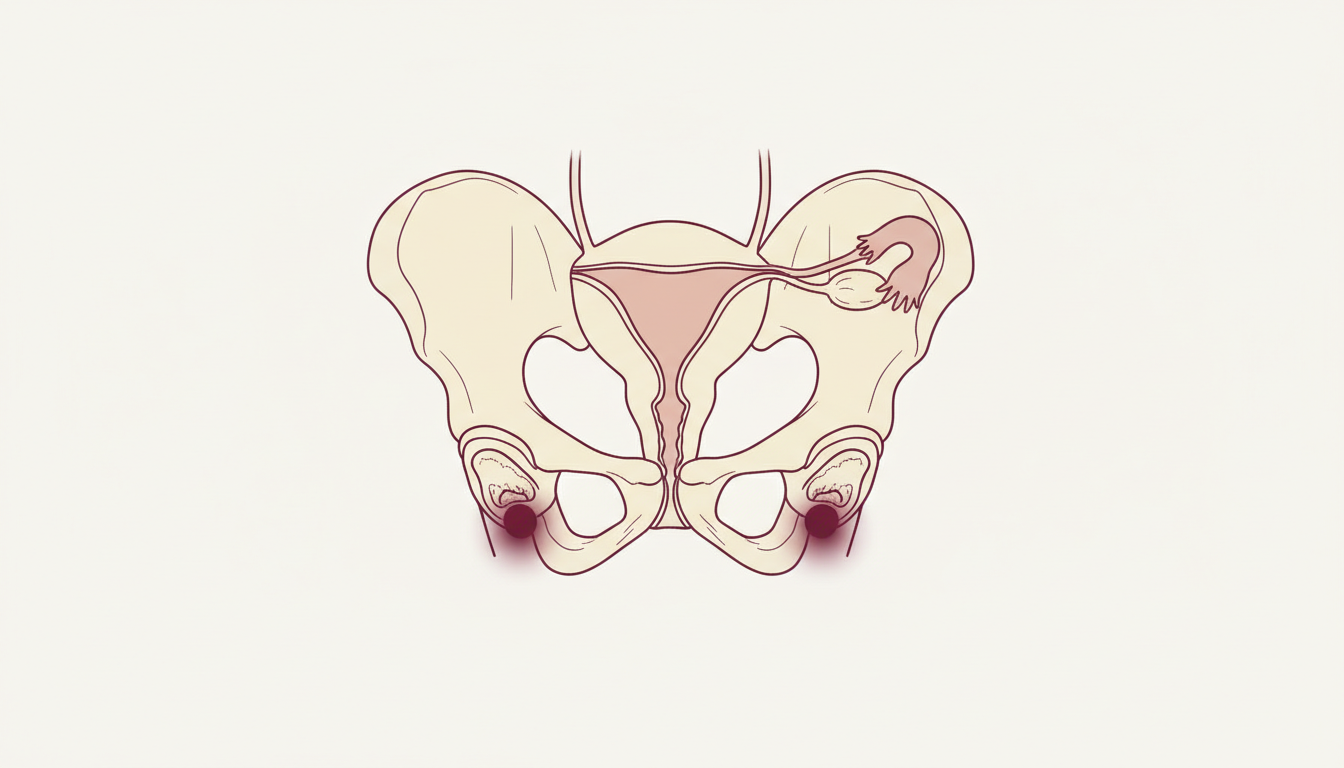
For most visible warts, a clinician makes the diagnosis by looking. The cauliflower morphology and typical locations are usually distinctive enough to be confident without further testing. Per standard clinical practice reflected in the CDC STI Treatment Guidelines, visual examination is the first diagnostic step, with biopsy reserved for atypical lesions: those that are pigmented, indurated, fixed to deeper tissue, ulcerated, fail to respond to standard treatment, or arise in someone who is immunocompromised.
When a wart looks unusual (irregular pigmentation, ulceration, rapid growth, bleeding, or location on the cervix), the next step is a small skin biopsy. The sample is reviewed under a microscope to confirm HPV-related changes and rule out other diagnoses such as molluscum contagiosum, seborrheic keratosis, lichen planus, or, rarely, skin cancer.
For subtle or flat lesions, a clinician may apply a dilute acetic acid solution (vinegar) that turns HPV-infected tissue temporarily white, making the borders of small warts easier to see. This is most useful during a colposcopy (a magnified examination of the cervix using a lighted instrument) when cervical involvement is suspected. Internal anal warts may need an anoscopy, a short scope used to inspect the anal canal. A Pap test screens for cervical cell changes caused by high-risk HPV strains; it does not diagnose external warts but does flag a parallel HPV problem worth following up on.
HPV DNA testing exists, and it is most useful for screening for cancer-associated strains (16, 18, and others) rather than for confirming wart-causing strains. Per current CDC cervical cancer screening guidance, HPV testing is part of routine cervical cancer screening for women aged 25 to 65, on intervals of 5 years (with HPV co-testing or primary HPV testing) or 3 years (with Pap test alone).
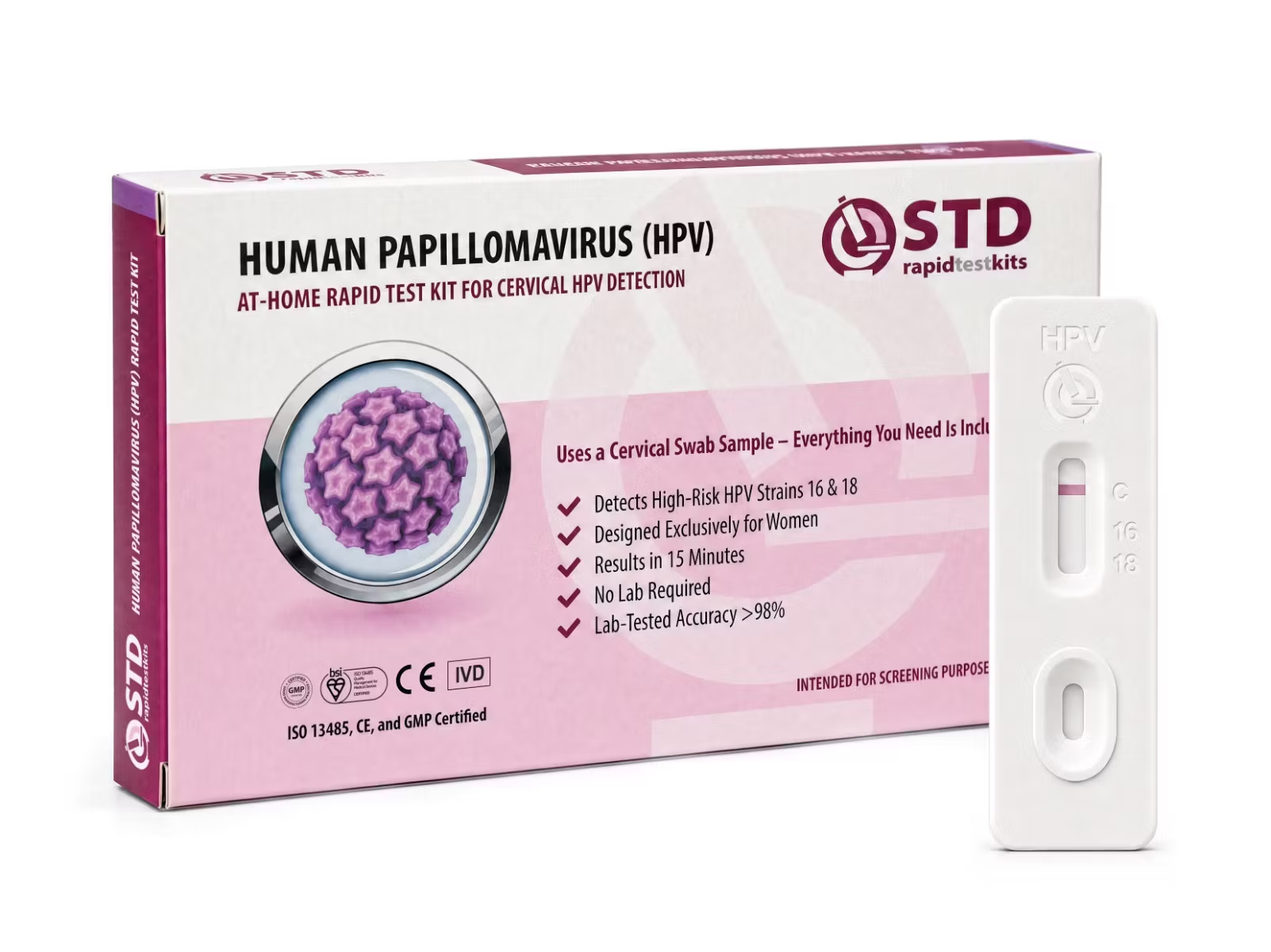
Our at-home HPV rapid test is validated for vaginal self-swab only. Male readers needing HPV testing should see a clinic; current commercial home HPV kits are not FDA-validated for penile or anal specimens. The home swab is also a screening tool, not a diagnostic for visible warts. If you have a visible bump, get a clinical examination first.
Disclosure: this article is published by stdrapidtestkits.com, which sells at-home rapid STI testing kits. Product links below go to our own store; product recommendations are based on fit-for-purpose for the reader's situation, not commercial benefit.
Risk factors that raise your chance of an HPV infection
HPV is so common that being sexually active is itself the main risk factor. Per the CDC's About HPV page, about 13 million Americans, including teens, become newly infected each year, with the highest incidence in young adults. The variables that move someone from "exposed" to "develops a visible wart" include:
- Number of recent sexual partners. Each new partner adds another potential exposure. Cumulative lifetime partner count correlates with the number of HPV strains a person carries.
- A partner with active visible warts. Active warts shed virus more readily than asymptomatic infection. Per-contact transmission risk with an actively-shedding partner is meaningful.
- Inconsistent condom use. Condoms lower but do not eliminate risk; partial coverage of the genital area is the limiting factor.
- Younger age at first sexual activity. Earlier first exposure correlates with higher cumulative HPV exposure over time.
- Smoking. Active smoking impairs the cervical immune response and is associated with longer HPV persistence and slower wart clearance.
- Immunosuppression. HIV, organ-transplant immunosuppressants, or chronic high-dose steroid use all raise the chance that an HPV infection becomes symptomatic and recurs after treatment.
- Not being vaccinated. The HPV vaccine prevents the strains that cause about 90% of genital warts and most HPV-associated cancers.
Children of mothers with active genital warts during delivery have a small but real risk of acquiring the virus during birth, which is one of the reasons obstetric care includes a check for genital lesions late in pregnancy.
Of the items above, the four with the largest practical effect on whether someone develops a visible wart are: not being HPV-vaccinated, smoking, being immunocompromised, and recent sexual contact with a partner who has active visible warts. The first three are modifiable; the fourth is the reason clinicians ask about a partner's symptoms during a consultation.
Treatment options for genital warts
Treatment removes visible warts but does not eliminate the underlying HPV infection. The virus stays in surrounding skin cells and can produce new warts later. The CDC STI Treatment Guidelines specifically note that recurrence is most common during the first three months after treatment, because the virus can remain active in nearby tissue that did not show visible disease at the time, so build follow-up appointments into your plan from the start.
One useful piece of framing from the CDC guidelines: for untreated anogenital warts, three things can happen. They can resolve spontaneously, remain unchanged, or grow in size or number. There is no reliable way to predict which path a given case will take, which is part of why CDC notes that foregoing treatment and waiting for spontaneous resolution is acceptable for some patients. Most people choose treatment anyway, because removing visible warts shortens the window of active transmission risk and resolves the immediate symptoms.
The CDC also notes that no recommended treatment has been shown to be definitively superior to another. The choice is largely a fit-with-the-patient decision based on where the warts are, how many there are, your preferences, and whether you are pregnant. Treatments break into two categories: prescription topicals applied at home, and procedures performed in a clinic.
Prescription topical treatments
- Imiquimod (Aldara, Zyclara). Stimulates a local immune response. Applied 3 times a week at bedtime, washed off in the morning, for up to 16 weeks.
- Podofilox (Condylox). Stops wart-cell division. Applied twice daily for 3 days, then 4 days off, repeated for up to 4 cycles.
- Sinecatechins (Veregen). A green tea extract ointment applied 3 times daily for up to 16 weeks.
None of these are safe during pregnancy. All can cause local skin irritation, redness, or burning at the application site. They work best on small, soft external warts.
In-clinic procedures
- Cryotherapy (liquid nitrogen freezing). Common, fast, and repeatable every one to two weeks. Causes blistering that heals within 1 to 2 weeks.
- Trichloroacetic acid (TCA) or bichloroacetic acid (BCA). A high-strength acid applied by a clinician. Useful for small warts on mucosal surfaces. Repeated weekly until clear.
- Electrocautery. Burning the wart with a small electric current under local anesthesia.
- Surgical excision. Cutting the wart out with a scalpel under local anesthesia. Used for large or treatment-resistant warts.
- Laser ablation. A focused laser destroys wart tissue. Reserved for extensive or recurrent disease.
Internal warts (inside the vagina, urethra, or anus) and warts on the cervix are always handled by a clinician. Do not apply over-the-counter wart removers (designed for hand warts) to genital skin; those formulations are far too harsh for the thin mucosa in the genital area, and chemical burns are common.
Apple cider vinegar and other home remedies
Apple cider vinegar, tea tree oil, green tea extracts, and garlic are popular online suggestions. Evidence for any of them is weak. The acidity in vinegar can irritate or chemically burn the sensitive genital skin without reliably clearing warts. A short course of imiquimod or a single cryotherapy session in a clinic is more effective and less likely to cause collateral damage than weeks of home experimentation.
| Topical drug | Application schedule | Maximum duration | Pregnancy-safe? |
|---|---|---|---|
| Imiquimod (Aldara) | 3 nights per week, washed off in the morning | 16 weeks | No |
| Podofilox (Condylox) | Twice daily for 3 days, 4 days off, repeat | 4 cycles | No |
| Sinecatechins (Veregen) | 3 times daily | 16 weeks | No |
HPV vaccination: the most effective prevention
The current HPV vaccine, Gardasil 9, protects against nine HPV strains: the two low-risk strains (6 and 11) responsible for about 90% of genital warts, plus seven high-risk strains (16, 18, 31, 33, 45, 52, and 58) responsible for most HPV-associated cancers. The vaccine is most effective when given before any sexual activity, but it still has measurable benefit at older ages.
The real-world impact is large. The CDC HPV vaccines page reports that infections with HPV types that cause most HPV cancers and genital warts have dropped 88% among teen girls since vaccination programs began. That figure tracks infections, not symptoms, so it captures both the wart-causing low-risk strains and the cancer-causing high-risk strains in one number. Per the National Cancer Institute HPV fact sheet, the HPV vaccine is estimated to prevent up to 90% of HPV-associated cancers when given before exposure.
Current vaccination guidance
Per the CDC HPV vaccines page:
- Routine vaccination at ages 11 to 12, with the option to start as young as 9 and catch-up vaccination through age 26 for anyone not adequately vaccinated earlier.
- Shared clinical decision-making for adults aged 27 to 45, meaning the vaccine is no longer routinely recommended in this age range, but a person and their clinician can decide together based on individual risk factors such as new partners, immunosuppression, or known recent exposure.
The vaccine is given as two or three doses depending on age at first dose. Side effects are typically mild: arm soreness, low-grade fever, headache, or fatigue lasting a day or two.
Vaccination after exposure does not clear an existing infection, but it does protect against the strains a person has not yet been exposed to. Most adults have been exposed to only a small subset of the nine vaccine-targeted strains, so even post-exposure vaccination still provides meaningful protection. Testing is not required prior to vaccination.
HPV vaccine schedule (current ACIP guidance)
- Ages 9 to 14: routine 2-dose schedule, the doses given 6 to 12 months apart.
- Ages 15 to 26: 3-dose catch-up schedule (0, 1 to 2 months, and 6 months).
- Ages 27 to 45: shared clinical decision-making with a clinician based on individual risk factors, not routine.
Genital warts, cancer risk, and other complications
The biggest source of anxiety around an HPV diagnosis is cancer. Important context: the strains that cause visible genital warts (6 and 11) are not the strains that cause most HPV-associated cancers. Cancer-associated HPV strains, primarily 16 and 18, generally produce no visible symptoms during the years when cancer risk is building. Having visible warts and having a high cancer risk are not the same thing, and they are not even particularly correlated. Visible warts are caused by low-risk strains; warts themselves rarely turn into cancer.
Per the National Cancer Institute HPV fact sheet, virtually all cervical cancers are caused by HPV, more than 90% of anal cancers are HPV-driven, and about 70% of oropharyngeal cancers are caused by HPV. The agency estimates HPV causes about 37,800 cancers per year in the United States, out of more than 47,900 new cancer cases in anatomical sites where HPV is commonly found.
What this means in practice:
- If you have visible genital warts, you may be co-infected with a high-risk strain because shared sexual partners often transmit multiple strains. Routine cervical cancer screening for women becomes more important, not less.
- Visible warts themselves are not a cancer warning. The HPV strains that cause warts are not the strains that cause cancer.
- The HPV vaccine reduces both wart risk and cancer risk in one shot series.
Other complications
Most genital warts cause minor discomfort: itching, irritation, occasional bleeding from a wart that catches on clothing, or psychological distress from the appearance and stigma. Less common complications include:
- Obstetric complications. Large vaginal warts during pregnancy can rarely obstruct delivery or grow rapidly under the influence of pregnancy hormones. Treatment during pregnancy is more limited because the topical drugs above are not safe.
- Recurrent respiratory papillomatosis. Very rarely, an infant born to a mother with active genital warts can develop warts in the airway.
- Treatment-site scarring. Aggressive in-office treatments can leave small scars or pigment changes, particularly with electrocautery or surgical excision on extensive disease.
Of more than 47,900 new cancer cases each year in U.S. anatomical sites where HPV is often found, the National Cancer Institute estimates that about 37,800 are caused by HPV. HPV causes virtually all cervical cancers, over 90% of anal cancers, and about 70% of oropharyngeal cancers. The strains driving most of these cancers are types 16 and 18, not the wart-causing types 6 and 11.
Prevention beyond the vaccine
Vaccination is the single most effective prevention measure, but it does not cover every HPV strain, and not everyone is eligible for or has received it. Layered prevention works best.
- HPV vaccination for anyone in the eligible age window. Per the WHO, almost all sexually active people will be infected with HPV at some point, which is why broad vaccination programs are central to global cervical-cancer prevention.
- Consistent condom or dental dam use reduces HPV transmission, but partial coverage of the genital area means barrier protection is not absolute.
- Limiting concurrent partners reduces cumulative HPV strain exposure over time.
- Honest partner conversations. A partner with a known active wart outbreak should defer sexual contact involving that area until the wart has been treated and the skin has healed. This is the most contagious phase of the infection.
- Regular cervical cancer screening for women aged 21 to 65. Pap test alone every 3 years from 21 to 29; Pap plus HPV co-testing every 5 years from 30 to 65, or HPV testing alone every 5 years for the same age range.
- Smoking cessation if applicable. Smoking impairs HPV clearance and is independently linked with longer wart persistence.
Layered prevention in order of impact
- HPV vaccination covers about 90% of wart-causing strains and the high-risk cancer strains in a single shot series.
- Consistent condom use adds partial transmission reduction but does not cover all skin involved in sexual contact.
- Routine cervical screening (women aged 21 to 65) plus smoking cessation when applicable backs up the first two measures.
When to test at home vs see a clinician
For visible bumps you suspect are warts, the right first step is almost always a clinician's eyes. Diagnosis is visual; an at-home swab cannot tell you whether a specific bump is a wart, a skin tag, an ingrown hair, molluscum, or something else. A 10-minute clinic visit confirms the diagnosis and opens up the prescription and procedural treatments described above. Clinics, primary care providers, sexual health clinics, dermatologists, and gynecologists all see and treat genital warts routinely; from the clinician's perspective it is one of the most common visit reasons in sexual health care.
Specific situations that warrant a clinic visit without delay: any new bump or skin change in the genital, anal, or perianal area you have not seen before; itching, bleeding, or discomfort in the area even without a visible lesion; a partner has been diagnosed with genital warts and you want a baseline check; you are pregnant (warts can grow rapidly during pregnancy, and several treatment options are not pregnancy-safe); warts have been treated and come back, especially repeatedly; or you want to discuss the HPV vaccine and you are between 9 and 45 years old.
At-home HPV testing has a different role. It is most useful as a screening tool for women, telling you whether HPV strains are present in cervical cells. A positive at-home HPV swab does not tell you whether you have warts or whether the strain is high-risk versus low-risk without further laboratory typing.
At-home testing for other STIs makes practical sense after a new exposure, regardless of whether warts have appeared. People who acquire one STI often acquire another in the same encounter; broad screening for chlamydia, gonorrhea, syphilis, HIV, and hepatitis B and C is reasonable when there has been unprotected sex with a new or untested partner. The combo kits below cover that scenario in a single collection. None of them detects HPV directly; visible warts still need clinical confirmation, but a combo kit gives you the rest of the post-exposure picture in roughly 15 minutes.

Frequently asked questions
- How long after exposure do genital warts appear?
- There is no fixed window. The NHS notes that warts can take a few weeks or many months to appear after exposure to an infected partner. Because of that long tail, a new wart tells you very little about when or from whom you were exposed; it is not reliable evidence of recent infidelity.
- Will my genital warts ever go away on their own?
- Untreated warts sometimes clear on their own, but there is no way to predict which cases will. Per CDC treatment guidelines, they can also stay the same or multiply. Most people treat them to shorten the contagious window, even though no treatment eliminates the underlying virus.
- Can I have HPV but never see a wart?
- Subclinical infection, where HPV is present in skin cells but produces no visible growths, is actually the norm. The CDC estimates tens of millions of Americans carry HPV at any one time without knowing it; visible warts are a minority outcome driven by specific low-risk strains and individual immune response.
- Can I get genital warts from oral sex?
- Yes, HPV can transmit through oral sex, and oral or throat warts (laryngeal papillomatosis in the airway) are an uncommon but recognized outcome. Most oral HPV exposures clear without symptoms. The same HPV vaccine that protects against genital warts also helps protect against the oropharyngeal cancers associated with high-risk HPV strains.
- Can the HPV vaccine treat warts I already have?
- The HPV vaccine is preventive, not therapeutic. It cannot clear an existing infection or remove existing warts, but it still protects against the strains a person has not yet encountered, which is most strains for most people. Post-exposure vaccination still has value within the eligible age window.
- Are genital warts the same as molluscum contagiosum?
- No. Molluscum is caused by a poxvirus and produces small dome-shaped bumps with a characteristic central dimple. Genital warts are HPV-caused and tend to be cauliflower-shaped without the dimple. The two can look similar enough that a clinician should sort it out, since the treatments differ.
- Can I have sex while I have visible genital warts?
- Active visible warts are the most contagious phase of HPV infection. Most clinicians advise pausing sexual contact involving the affected area until the warts have been treated and the skin has healed. Condoms reduce but do not eliminate transmission risk during this period.
- Can I use over-the-counter wart remover on a genital wart?
- No. OTC products formulated for hand or foot warts are too aggressive for the thin skin and mucosa of the genital area and can cause chemical burns. Genital wart treatments must be prescribed and applied appropriately. See a clinician.
- Is the at-home HPV test useful for me as a man?
- Our at-home HPV rapid test is validated for vaginal self-swab only, so it is not applicable for male readers. Men with visible bumps that may be warts should see a clinician for a visual diagnosis; current commercial home HPV kits are not FDA-validated for penile or anal specimens.
- U.S. Centers for Disease Control and Prevention. STI Treatment Guidelines: anogenital warts. Source for the 90% types-6-and-11 figure, the resolve / unchanged / grow framing for untreated warts, the 3-month post-treatment recurrence window, the visual-examination-first diagnostic standard, the 'no treatment definitively superior' framing, and the patient-applied vs provider-administered treatment options.
- U.S. Centers for Disease Control and Prevention. About Genital HPV Infection. Source for HPV as the most common STI in the U.S., transmission via skin-to-skin contact, and partial protection from condoms.
- U.S. Centers for Disease Control and Prevention. About HPV. Source for the estimate of about 13 million new HPV infections per year in the United States and the low-risk versus high-risk strain framing.
- U.S. Centers for Disease Control and Prevention. HPV Vaccines. Source for the 88% drop in HPV infections among teen girls in vaccinated cohorts, current ACIP vaccination guidance, and Gardasil 9 strain coverage.
- World Health Organization. Human papillomavirus (HPV) and cervical cancer fact sheet. Source for HPV transmissibility and the global cervical-cancer prevention framing.
- National Cancer Institute. HPV and Cancer fact sheet. Source for the U.S. HPV cancer burden (about 37,800 cancers per year out of more than 47,900 new cases in anatomical sites where HPV is often found), the share of cervical, anal, and oropharyngeal cancers caused by HPV, and the estimate that HPV vaccination can prevent up to 90% of HPV-associated cancers.
- National Health Service (UK). Genital warts overview. Source for typical incubation framing (a few weeks or many months after exposure) and recurrence-after-treatment context.
