Identifying the STD Behind Bumps on the Buttocks: A Spotlight on Genital Herpes
One common sexually transmitted disease (STD) associated with the appearance of bumps on the buttocks is genital herpes. This article delves into the key characteristics of this STD, other conditions presenting similarly, and the importance of early diagnosis and treatment.
15 June 2023
5 min read
55875
Understanding Genital Herpes: The Basics
Genital herpes is caused by the herpes simplex virus (HSV), which exists in two primary types: HSV-1 and HSV-2. While HSV-1 is often responsible for oral herpes, it can also cause genital infections. HSV-2 is more typically associated with genital herpes. Both types are quite prevalent, with HSV-2 affecting around 417 million people globally and nearly 67% of the population grappling with HSV-1.
Check Your STD Status in Minutes
Test at Home with Remedium Genital & Oral Herpes Test Kit
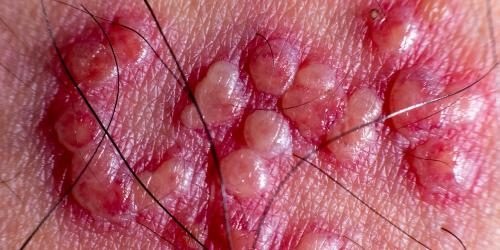
Individuals with genital herpes often experience blisters around the mouth, genitals, and anus. As the virus spreads via skin-to-skin contact, the bumps could emerge anywhere on the body, including the buttocks. The blisters tend to itch and evolve into painful sores, or ulcers, after a few days, causing substantial discomfort if untreated. Additionally, newly-infected individuals might also experience fever, swollen lymph nodes, and muscle pain.
Episodes, or outbreaks, of genital herpes generally reduce over time. However, some individuals might predict an impending outbreak due to muscle pain in the thighs and buttocks.
Transmissions: How Does Genital Herpes Spread?
HSV-2 is a highly transmissible virus that spreads through skin-to-skin contact during sexual activities. Consequently, penetration isn't necessary for transmission. Furthermore, individuals carrying HSV-2 can infect others even in the absence of visible lesions. Activities that could potentially spread the virus include unprotected oral, vaginal, or anal sex, various forms of foreplay, and sharing inadequately cleaned sex toys.
Diagnosis: How to Test for Genital Herpes
To get tested for HSV-2, individuals can utilize an STD rapid test kit for a home test, or seek medical consultation for a blood sample test. Both options provide accurate diagnoses. Physical examinations can be helpful, but are not definitive, as HSV-2 can mimic other conditions such as folliculitis. Therefore, getting tested is the only surefire way to know.
Factors that Trigger Herpes Outbreaks
Outbreaks of herpes can be triggered by various factors such as:
Physiological or emotional stress
Chronic illness or fatigue
Immunosuppression
Menstruation
Mechanical trauma in the genitals
Managing Genital Herpes: Treatment Options
Although genital herpes currently has no cure, treatment options such as acyclovir, famciclovir, and valacyclovir can help manage the frequency and severity of outbreaks.
Potential Consequences of Undiagnosed or Untreated HSV-2
If left undiagnosed or untreated, HSV-2 can lead to severe complications. For example, HSV-2 increases the chances of acquiring HIV. Additionally, it can cause neonatal herpes in newborns if the mother has HSV-2. This condition, although rare, can lead to severe disability or even death. It's also important to note that having HSV-2 can adversely affect an individual's psychological state due to potential interference with their sex life.
Ruling Out Other Conditions: What Else Could Cause Bumps on the Buttocks?
Bumps on the buttocks could indicate a range of medical conditions other than herpes, especially in individuals who are not sexually active. These include folliculitis, acne, heat rash, staphylococcus aureus infections, and hidradenitis suppurativa.
Folliculitis: Not Just an STD
Folliculitis, or 'hot tub rash,' is an inflammation of the hair follicle. Although it can start from a single infected hair follicle, the infection can rapidly spread. It presents as red or pus-filled bumps that may develop into crusty sores if left untreated. Folliculitis isn't an STD and can be triggered by factors like a new soap, exposure to a pool, or tight clothing. Treatment ranges from self-care measures to antibiotics.
Acne: Beyond the Face
Acne isn't limited to the face. It can appear anywhere on the body, including the buttocks. It presents as pimples, whiteheads, and blackheads, and may require antibiotics in severe cases. If you're not sexually active and have acne in other body parts, this might be the cause of the bumps on your buttocks.
Heat Rash: Sun Overexposure Consequences
Heat rash is caused by blocked skin pores that trap sweat due to overexposure to the sun. It presents as itchy bumps that usually appear post-sun exposure. Immediate skin cooling is crucial when you notice these symptoms. Blocked pores might also result from skin friction against clothing material.
Staphylococcus Aureus: When Boils and Furuncles Appear
Bumps caused by staphylococcus aureus resemble boils or furuncles. These painful bumps might contain pus and generally require antibiotic treatment. It's crucial to consult a doctor as soon as possible if you suspect this type of infection.
Hidradenitis Suppurativa: More Than Just Bumps
Hidradenitis suppurativa, also known as acne inversa, affects the apocrine glands. It presents with bumps, pustules, and fistulas. If left untreated, it can result in severe scarring, affecting mobility. Its early stages might resemble other conditions, such as acne or folliculitis, making immediate consultation and treatment imperative upon noticing unusual bumps that don't resolve on their own.
In conclusion, while genital herpes is a common cause of bumps on the buttocks, other conditions can present similarly. Therefore, it's essential to seek medical advice for an accurate diagnosis and appropriate treatment.







 For Men & Women
 Results in Minutes
 No Lab Needed
 Private & Discreet