Herpes is an infectious disease emanating from the Herpes Simplex Virus, broadly categorized into two types: HSV-1, mainly related to oral herpes, and HSV-2, in most cases genital herpes. Even though HSV-1 is the main cause of oral infection, it may also give rise to genital lesions. HSV-2 causes painful sores on the genitals or anal region. There is an incredibly high prevalence rate for HSV-1, at an estimated 67% of the US population living with the virus. In contrast, HSV-2 is a pathogen of concern for global health burden and is considered to affect around 417 million people worldwide.
01 October 2024
5 min read
2323
HSV Transmission: How is it Spread?
HSV-1 is spread primarily by oral secretions or skin lesions. Individuals can get this infection through active kissing or sharing hygiene items that come into contact with the mouth. Conversely, HSV-2 is acquired through sexual relations with an individual infected with this sexually transmitted infection.
It is crucial to note that both strands of HSV are extremely contagious even in the absence of symptoms such as open lesions or sores. Therefore, an asymptomatic carrier may spread the virus unknowingly. Furthermore, genital herpes is capable of being transferred from a mother to her newborn child during childbirth.
Triggers of Herpes Outbreaks
Though HSV-1 and HSV-2 can remain latent or in remission for many years, several factors can cause a symptomatic outbreak. Many individuals who experience herpes infection commonly describe increased attacks when suffering from physiological or emotional stress, chronic illness, or fatigue. Other provocations include immunosuppression, menstruation, or mechanical trauma to the genitalia.
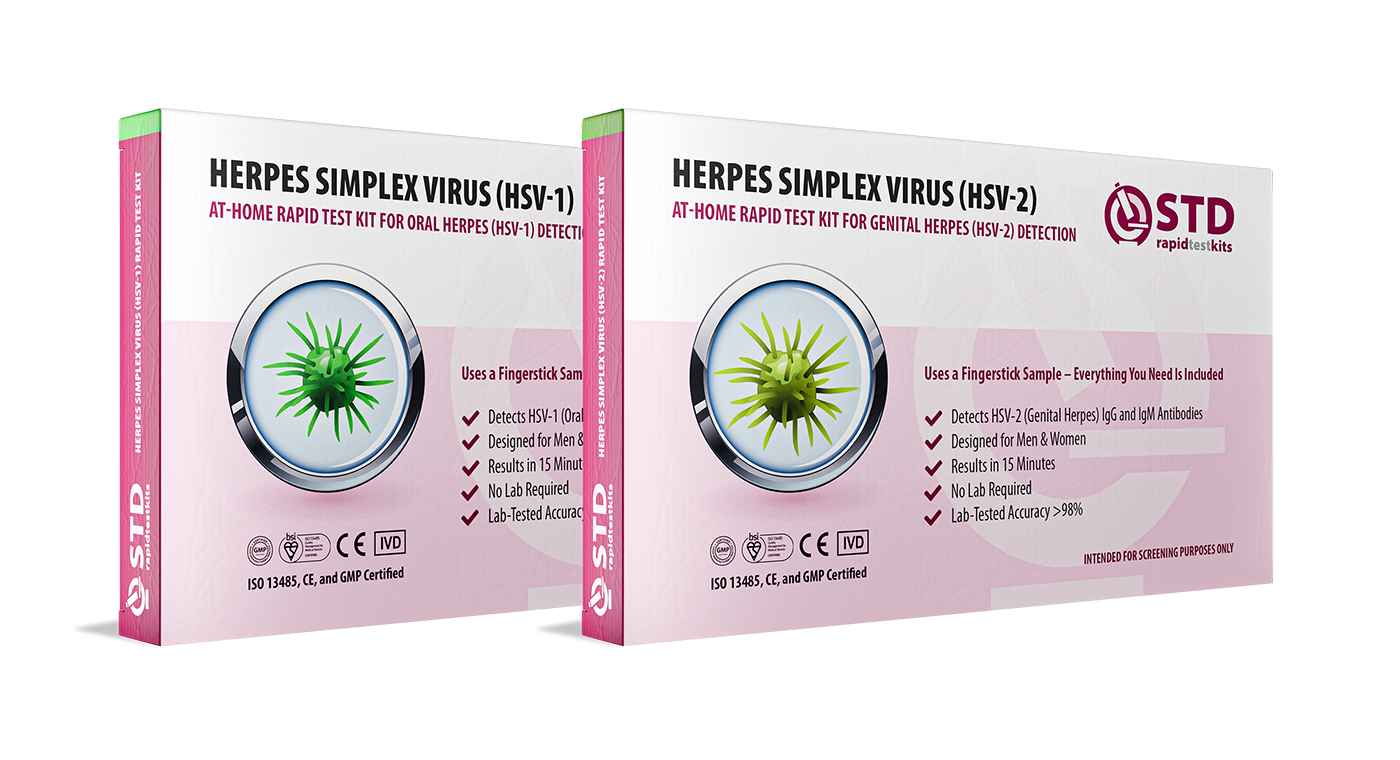
In most situations, people are unaware of their status until an outbreak occurs. The test for the two strains of HSV needs to be taken by any infected person with genital herpes through a trusted self-test STD rapid kit combination test for the determination of the virus type.
Symptoms of Herpes Simplex Virus
Early symptoms of herpes simplex include one or more ulcers on the mouth, genital, or anus. Within a few days, these ulcers rupture and give way to small sores or ulcers which are painful. First-time infections may be accompanied by fever, swollen lymph nodes, and muscle ache. However, subsequent attacks are generally less severe.
In addition, those people with HSV-2 might experience an "aura," or a prodromal phase, due to muscle pain in the thighs and buttocks.
Herpes Complications: The Possible Dangers
There are a number of possible complications of herpes infection:
HSV-2 and HIV: The chances of acquiring HIV are three times higher if one is infected with HSV-2. Those who are co-infected with these diseases have a great possibility of transmitting the said diseases to others. HSV-2 is also the most prevalent infection in people who have HIV. If left untreated during the later stage of HIV infection, it will develop into severe complications.
Neonatal herpes: Neonatal herpes, or neonatal herpetic infection, is a life-threatening condition that occurs when HSV-2 infection in women is transmitted to their babies during delivery. Though it is a rare condition, it may cause severe neurological disabilities and even death. The risk increases if the infection occurs late in pregnancy.
Psychological impact: The diagnosis of herpes can lead to psychological trauma and disruption to private life regarding sexual relations. However, through learning methods of symptom suppression and precipitating factors avoidance, many are able to cope with their illness and learn to live over time with herpes.
Diagnosis and Treatment of Herpes Simplex
Diagnosis usually happens during an outbreak. A doctor will conduct a physical examination and pay attention to where the infection has occurred and the accompanying signs. Testing a sample from the sores or even your blood can confirm the diagnosis, too. Be informed that these methods will not tell how the infection was contracted or how long ago.
Home STD quick kit tests are a convenient option for determining a person's HSV status; through them, fast and accurate results can be realized.
Although herpes is incurable, treatments aim at alleviating symptoms, reducing the frequency and severity of outbreaks, and speeding up the healing process. Soaking in warm baths may help people with genital herpes ease the pain. Antiviral drugs such as acyclovir, famciclovir, and valacyclovir are commonly used to fight the HSV infection.
Check Your STD Status in Minutes
Test at Home with Remedium Genital & Oral Herpes Test Kit
Prevention Measures to Avoid Herpes Simplex Infection
The mainstay of herpes simplex infection management is still prevention. Patients with HSV-1 should avoid oral contact with others during outbreaks. During remission, the virus, though less effectively, can still transmit. Condoms or dental dams can reduce the risk of genital herpes transmission from a patient with HSV-1.
HSV-2 is sexually transmitted, although it is highly infectious during the presence of lesions. Individuals with the infection should refrain from sexual contact during outbreaks. Correct and consistent use of condoms greatly reduces the risk of transmission. Pregnant women suffering from herpes simplex must seek immediate medical attention to ensure health conditions for both mother and child. Finally, medical male circumcision can reduce the risk of HSV-2, HPV, and HIV infections by half.
Herpes Simplex Infection Preventive Measures
Preventive measures for herpes simplex infection include:
Monogamy or having a monogamous partner free from STDs – ensure through testing and negative results.
Use latex condoms consistently.
Regular screenings.
Anti-herpes medication – if infected, use medication as prescribed.
Abstain from sexual activities during your partner's herpes outbreak.
Conclusion
Herpes is a common but incurable disease that can be transmitted even when asymptomatic. It is the most common infection among people living with HIV/AIDS, and its spread can be curbed by simple life changes. With the convenience of self-testing at home using an STD rapid kit test, accurate results for herpes simplex are more accessible than ever. If you are living with HSV, learning how to avoid trigger factors will go a long way in managing herpes outbreaks.








 For Men & Women
 Results in Minutes
 No Lab Needed
 Private & Discreet


