Herpes is a prevalent infection caused by the herpes simplex virus, or HSV. This virus primarily influences different parts of the body, including the anus, external genitalia, mucous membranes like those of the mouth and throat, and even the skin of other body parts. The important thing to consider regarding herpes is that it's a chronic and incurable disease. Most of the carriers do not show symptoms, which can make herpes symptomatic in many cases.
03 October 2024
5 min read
4449
Identifying Symptoms of Herpes
Herpes symptoms may vary from one person to another, but the most general symptoms include ulcers, blisters, pain while urinating, vaginal discharge, and cold sores. It is important to note that, though herpes has no cure, different treatments with medications along with effective home remedies can manage it.
Most of those infected do not develop symptoms until several months or even years after infection. Some individuals, however, develop signs and symptoms shortly after infection. The early symptoms of herpes generally begin about 4-7 days after exposure. The average incubation is said to be around 2-12 days.
Recurrent herpes is a common manifestation for individuals infected with the HSV virus. The number of recurrences is higher in initial infections on various parts of the body. However, over time, the remission phase for most individuals extends, and with it, the reductions in severity of each recurrence.
Differentiating Between Symptoms of Primary and Recurrent HSV Infection
The primary HSV infection is an initial case when a person catches the HSV virus for the first time. The symptoms can be quite serious and they include but are not limited to vaginal discharge, ulceration and blistering of the genitals or oral cavity, itching and irritation, tender lymph nodes, symptoms of hay fever, flu-like symptoms, and malaise. It is important to note that with time, the ulcers heal and, in most cases, they leave no scars.
Recurrent HSV infection, on the other hand, presents with less severe symptoms and a shorter duration compared to the primary infection. Symptoms usually do not last more than 10 days and include tingling or burning sensation around the genitals prior to lesions' appearance, ulceration, blisters on the cervix for women, and red blisters.
Different Types of Herpes Simplex Virus: How to Identify Them
There are mainly two types of herpes viruses: HSV-1 and HSV-2.
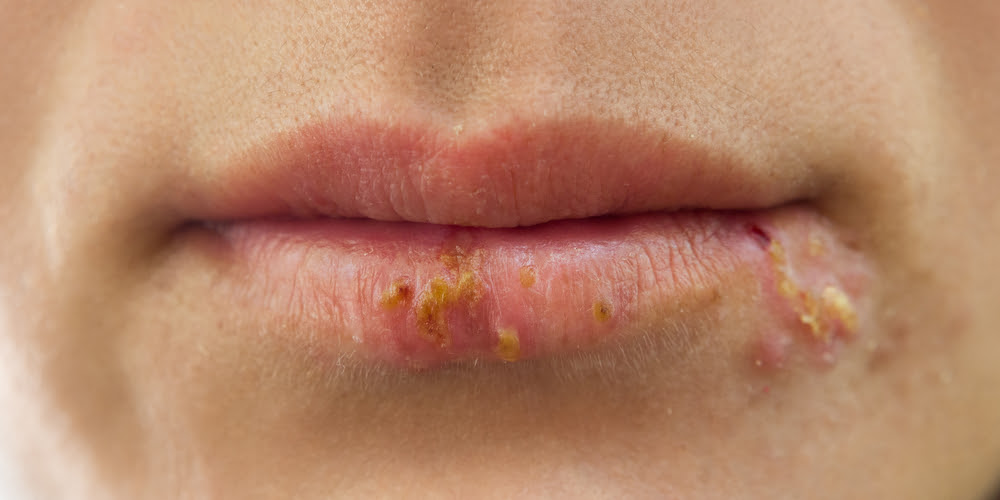
HSV-1 – This is the most widespread type of virus. As many as more than two-thirds of the world's population carries this virus, making it an endemic disease. HSV-1 mainly causes oral herpes, which affects the areas around the mouth but may also appear in other parts of the body, including the genitals. It is generally transmitted during childhood and continues throughout life, spreading through non-sexual means such as kissing.
HSV-2 – The primary mode of transmission is through direct sexual contact. HSV-2 is the most common cause of genital herpes, with symptoms typically appearing in the anal and genital region. Like HSV-1, HSV-2 remains a lifetime virus, with symptoms occurring only during outbreaks.
How Herpes Spreads
The risk of infection with herpes is highest just before the blisters break through the skin and remains high until all symptoms have cleared. However, even when symptoms are not active, the virus can still be transmitted.
Herpes can be transmitted through items such as glasses or straws, although this is rare. More commonly, herpes spreads through sexual activities, including unprotected vaginal, anal, or oral sex with an infected partner, sharing sex toys, and genital contact with an infected partner. Even in the absence of visible symptoms, HSV can still be passed on.
In some cases, a mother with active herpes sores at the time of delivery can pass the infection to her baby.
Diagnosis of Herpes
Doctors typically diagnose herpes through a physical examination of visible symptoms during an outbreak. Herpes lesions are relatively easy to recognize. Your healthcare provider may also ask about your symptoms and sexual history to aid in the diagnosis.
If necessary, a sample of the sore can be taken for laboratory analysis. Blood tests can also detect the virus even when no symptoms are present.
Check Your STD Status in Minutes
Test at Home with Remedium Genital & Oral Herpes Test Kit
Herpes symptoms can be managed through self-care remedies and prescribed medications.
Self-Care/Home Remedies
Some effective home remedies for herpes include:
Over-the-counter pain relievers such as ibuprofen or acetaminophen
A bath in lightly salted water
Applying petroleum jelly on the affected areas
Sitz baths in warm water
Loose clothing on the affected body part
Application of cream or lotion like lidocaine for painful urination
For some patients, applying an ice pack can help, but it should always be wrapped in a towel to prevent direct contact with the skin.
Medication
Although no medication will completely eliminate the virus, antiviral drugs like acyclovir can prevent the virus from multiplying, promote faster healing of outbreaks, and reduce symptoms.
For first-time outbreaks, doctors usually prescribe antiviral medication to alleviate the more painful symptoms. Since subsequent outbreaks are typically milder, treatment may not always be necessary. Over-the-counter creams and ointments can also help ease the discomfort.
Suppressive and Episodic Treatment
Suppressive treatment is prescribed for patients who experience more than six recurrences per year. Patients may need to take daily antiviral medication for an undetermined length of time to suppress the virus and prevent outbreaks.
For those with fewer than six recurrences a year, episodic treatment is often recommended. Antiviral medication is taken for five consecutive days whenever symptoms appear.
Herpes Prevention
The risk of acquiring or passing on genital herpes can be reduced by:
Using condoms during sexual intercourse
Avoiding sexual relations when symptoms are active
Not kissing others if cold sores are present around the mouth
Triggers such as stress, fatigue, skin friction, and ill health can precipitate herpes outbreaks. Understanding these triggers and how to manage them is crucial for preventing recurrences.
This comprehensive guide provides key information to help you understand, diagnose, treat, and prevent herpes. While the infection is chronic, effective management can minimize its impact on your daily life and help maintain your overall well-being.







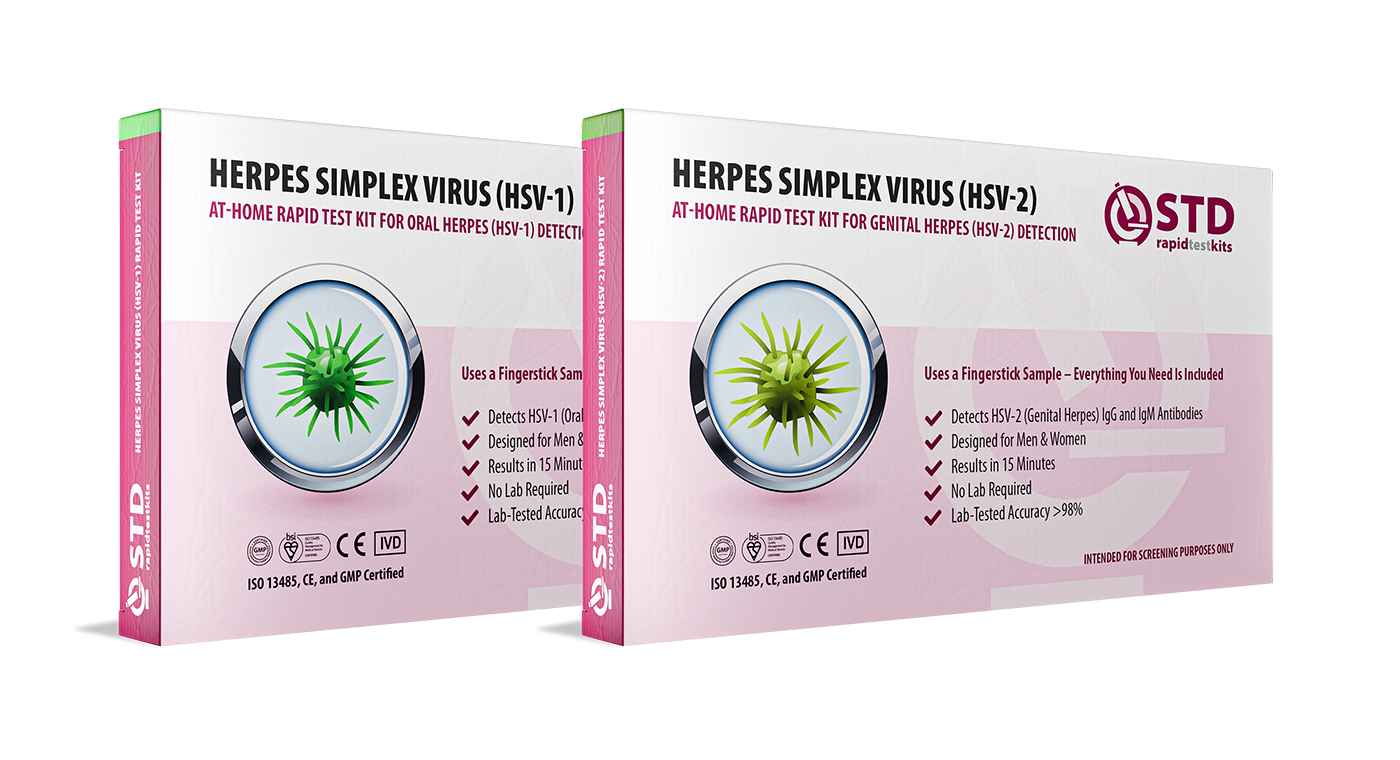
 For Men & Women
 Results in Minutes
 No Lab Needed
 Private & Discreet


