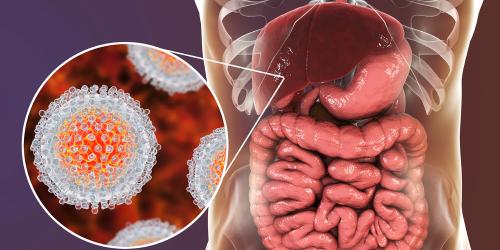
It is an infectious disease that might turn life-threatening and is caused by the hepatitis B virus, commonly called HBV. The virus mainly attacks the liver cells, causing their chronic inflammation; if left untreated, such condition always results in serious diseases like liver cirrhosis and hepatocellular carcinoma, which is a type of liver cancer.
30 September 2024
5 min read
1318
Impact of Hepatitis B: A Worldwide Health Problem
This virus took approximately 887,000 lives in the year 2015. To date, due to advances in medication, preventive vaccines against HBV have been developed which are almost 100% effective, thus the rate for a person becoming positive is essentially low.
Hepatitis B: A Sexually Transmitted Disease?
It is transmitted through various routes, among them sexual contact with the person infected with HBV.
It is considered an STD, therefore, because it can be passed through vaginal and seminal fluids. Populations considered at high risk for infection include those with multiple sexual partners who are not vaccinated, men who have sex with men, and those who frequently interact with commercial sex workers. It is highly recommended that these people undergo routine rapid testing and vaccination.
Check Your STD Status in Minutes
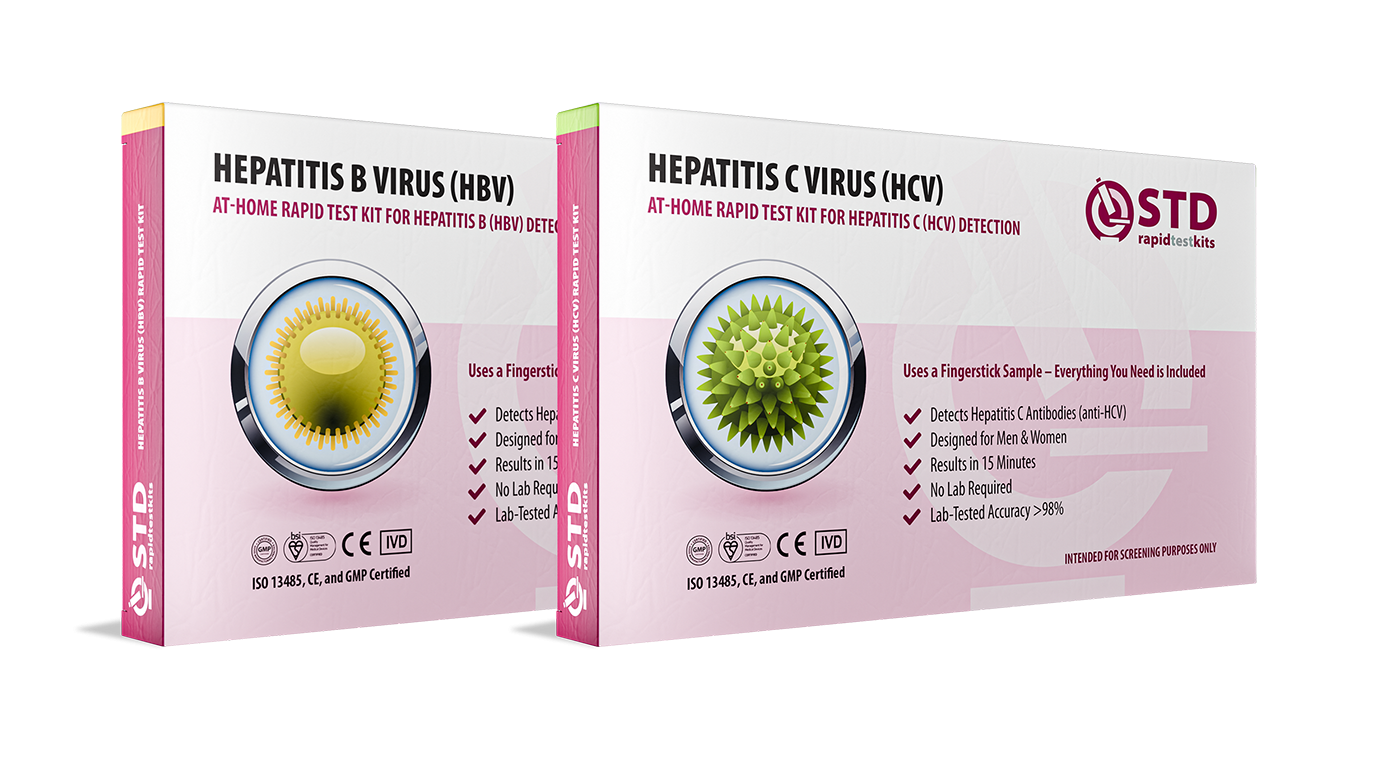
Test at Home with Remedium Hepatitis B & Hepatitis C Test Kit
Hepatitis B: Root of the Problem—Attacking of HBV to the Liver
The root of Hepatitis B is the virus HBV, which essentially infects liver cells and, through this infection, causes chronic inflammation and progressive damage to liver cells. Since the liver tries to compensate for continuously lost functional cells, chronic inflammation results in liver scarring, cirrhosis, failure, and even cancer. Thus, Hepatitis B is a potentially lethal condition that may lead to successive organ failure, predominantly affecting the liver.
Early Signs of Hepatitis B: What to Look out For
Acute Hepatitis B is usually the beginning stage for newly infected and usually doesn't show any symptoms or signs within the first six months. During this stage, one is very infectious. It may be symptomatic or asymptomatic. It may also portray signs like nausea and vomiting, fatigue, and abdominal pain, among others. Other symptoms include darkened urine and fever.
Jaundice is an indication of liver damage and manifests as yellowish discoloration of the skin and the sclera or the white part of the eyes. Symptoms can be mild or extreme; in young children symptoms rarely develop.
Hepatitis B: Modes of Transmission
It is an infectious virus. Sexual intercourse with infected individuals, perinatal infection, and contact with blood from infected individuals can serve as modes of transmission. The acquisition of the virus might also be possible with infected needle sharing in hospitals or among drug abusers, through tattooing processes, or during the performance of certain surgical and dental procedures.
Hepatitis B and Kissing: A Risk Assessment
Although hepatitis B, theoretically is in saliva, no substantial evidence was noted as to its capability of transmitting through kissing. If a person one is kissing has open mouth ulcers or cuts, the risk is increased. There is also increased risk in deep kissing. Actually, though, it is the truth that kissing strangers is always associated with certain risks to one's health.
Hepatitis B Incubation and Window Period
HBV can survive outside the human body for about a week. Within this time, it is active and, therefore, infectious. The incubation period for the virus is a mean of about 75 days, but symptoms can appear anytime between 30 and 180 days. The virus becomes detectable within the infected person's blood in 1-2 months. Sometimes, this infection leads to chronic Hepatitis B, when it does not clear up.
Chronic Hepatitis B: Not Everyone Gets It
The age at the time of infection fully determines the risk of developing chronic Hepatitis B. The risk for infants and young children is higher than those who become infected when they are adults. Adults infected with HBV have a 5% chance of developing chronic Hepatitis B, out of which 20-30% may progress into liver cirrhosis and cancer.
Whereas children below 6 years of age have a 30-50% chance of developing chronic Hepatitis B, as high as 80-90% of the infants develop chronic Hepatitis B during their first year of life.
Hepatitis B Treatment: Strategies and Choices
Hepatitis B treatments vary depending on the stage of the infection. If one suspects recent exposure to HBV, there should be a shot of immunoglobulin, no later than 12 hours since exposure, along with the series of Hepatitis B vaccine if this has not been administered yet.
Acute Hepatitis B
The patient should avoid unnecessary medication that may load the liver; adequate rest and nutrition and fluid intake are advised. Treatment modalities in chronic Hepatitis B include the following:
Antiviral medication
Interferon injections
Liver transplant
Chronic hepatitis B treatment is usually lifelong therapy, which protects your liver from further damages, besides preventing the virus from being given to others.
Hepatitis B: Prevention is Better Than Cure
Vaccination is the most efficient way to prevent Hepatitis B infection. Other measures, such as the use of condoms during sexual intercourse, reduce the risk but do not avoid the transmission of HBV. It is recommendable that you ensure your sexual partner's HBV status to avoid careless exposure. If you can't avoid the use of illegal drugs, don't ever share needles. You're strongly encouraged to seek help to stop using injectable drugs. Furthermore, make sure places where you might get pierced or tattooed are clean and safe.
In cases where travel is contemplated, especially to countries with a high prevalence of HBV infection, consideration of vaccination status should be advanced to minimize the risks of exposure.







 For Men & Women
 Results in Minutes
 No Lab Needed
 Private & Discreet


