






Quick Answer: The best antibiotic for chlamydia in 2025 is typically doxycycline, taken as a 7-day course. Single-dose azithromycin is no longer the first-line treatment due to higher failure rates, especially for rectal infections.
Why This Antibiotic Debate Even Matters
If you’re reading this, chances are you’ve either been diagnosed or are supporting someone who has. And you’re not alone, chlamydia is the most commonly reported bacterial STD in the U.S., with over 1.6 million cases annually. But here’s the thing most Google results won’t tell you: not all antibiotics are equally effective, and the wrong one, or taking it at the wrong time, can lead to persistent infection, symptoms that don’t go away, or passing the infection to someone else.
This matters for your health, your peace of mind, and your partners. The goal isn’t just to kill the bacteria, it’s to make sure it doesn’t come back, hide in the throat or rectum, or leave you wondering if the treatment actually worked. That’s why we’re diving deep into the antibiotic breakdown in this guide.
And if you're not sure where to start? You can skip ahead to order an FDA-approved at-home test kit here, just in case you're treating without a confirmed result. Trust, we’ll explain when that’s a risk too.
People are also reading: Tested Positive for Chlamydia: What Happens Next?
How Chlamydia Treatment Changed (And Why)
For years, azithromycin reigned supreme. A single 1g dose, just two pills, was the go-to treatment for chlamydia in most clinics. It was easy, fast, and convenient. But convenience doesn't always mean best. Over time, clinicians began noticing something troubling: treatment failures were more common than they should be, especially for rectal and pharyngeal chlamydia.
The CDC changed its official guidelines by the end of 2020. Doxycycline, which was taken twice a day for seven days, became the new first-line treatment. This wasn't just a random change; meta-analyses showed that it led to higher cure rates, especially for cases that didn't show any symptoms or were in the rectum. And in 2025, that advice is still strong, thanks to new global studies and reports from sexual health clinics.
The CDC still says that doxycycline is the best first-line antibiotic for chlamydia. People only use azithromycin when they can't take doxycycline because of allergies, pregnancy, or other reasons.
Azithromycin vs Doxycycline: The Real Numbers
Let’s talk effectiveness. While both antibiotics belong to different families, macrolides (azithromycin) and tetracyclines (doxycycline), they fight chlamydia trachomatis in slightly different ways. That distinction matters when you’re trying to eliminate the bacteria completely, especially from hard-to-reach sites like the rectum or throat.
| Antibiotic | Typical Dose | Effectiveness (Urogenital) | Effectiveness (Rectal) | Notes |
|---|---|---|---|---|
| Doxycycline | 100mg twice daily for 7 days | ~97% | ~98–100% | Current CDC first-line; better for rectal infections |
| Azithromycin | 1g single dose | ~93% | ~75–83% | Still used in some cases, but higher failure rates |
Table 1. Effectiveness of doxycycline vs azithromycin for different types of chlamydia infection, based on current studies and CDC data.
The difference may not seem huge at first glance, but for people with rectal chlamydia (which can be asymptomatic), that 15–20% drop in effectiveness with azithromycin means a significantly higher risk of persistent infection or reinfection.
"I Took the Pills, But I Still Tested Positive”
Marisol, 26, took a single dose of azithromycin after being exposed to chlamydia through a new partner. She had no symptoms and trusted the treatment, after all, it was what the clinic gave her. But two weeks later, her ex messaged her saying he had tested positive again and was being told to start a new round of doxycycline. Confused, she got retested, and she was still positive.
“I was shocked. I did what I was supposed to. No symptoms, no sex after the pills. But they said it probably didn’t work because of where the infection was. No one told me that was a thing.”
Marisol’s story isn’t rare. Studies show that azithromycin may fail in up to 1 in 4 rectal chlamydia infections, especially when the infection wasn’t known to be rectal. Since many providers don’t automatically test rectal or pharyngeal sites unless requested, patients may be treated for urogenital chlamydia when they actually have a harder-to-treat site of infection.
Still Have Symptoms? Here’s What It Might Mean
If your symptoms haven’t gone away after antibiotics, or if they went away but came back, you’re not being paranoid. You're being smart. Persistent symptoms can mean several things:
| Symptom Situation | Possible Cause | What to Do |
|---|---|---|
| Still burning or discharge after 7 days | Possible treatment failure or reinfection | Get retested and consider switching antibiotics |
| Symptoms returned after sex | Partner wasn’t treated or was reinfected | Both partners need treatment and follow-up testing |
| Rectal pain or discharge, no urogenital symptoms | Rectal chlamydia missed in initial test | Request rectal swab and consider doxycycline |
| No symptoms but positive test | Asymptomatic persistence or new exposure | Start appropriate treatment and abstain during meds |
Table 2. Interpreting lingering or returning symptoms after chlamydia treatment.
It’s easy to assume that symptoms going away = cured. But in some cases, chlamydia can persist without obvious signs, especially if it’s in the throat or rectum. That’s why testing by site of exposure is so important, and why a single pill may not be enough.
Missed a Dose or Took It Late? Don’t Panic, But Act
If you’re on doxycycline and missed a dose, don’t beat yourself up. It happens. But it does affect how well the treatment works. Unlike azithromycin, which floods your system all at once, doxycycline builds effectiveness over time. Missing even one dose, especially early in the course, can reduce its power.
Here’s what the experts say: if you miss a dose and realize it within 12 hours, take it as soon as possible. If it’s been longer, skip the missed dose and continue with the next scheduled one. But make sure you finish the full course. And if you missed more than one? You’ll likely need to restart or retest. In those cases, contact a provider, or consider retesting at home for peace of mind.
If you’re unsure whether your treatment worked or if you completed it correctly, our at-home chlamydia rapid test kit offers fast results in minutes. No appointments, no judgment, and no shipping delays.
Check Your STD Status in Minutes
Test at Home with RemediumChlamydia Test Kit
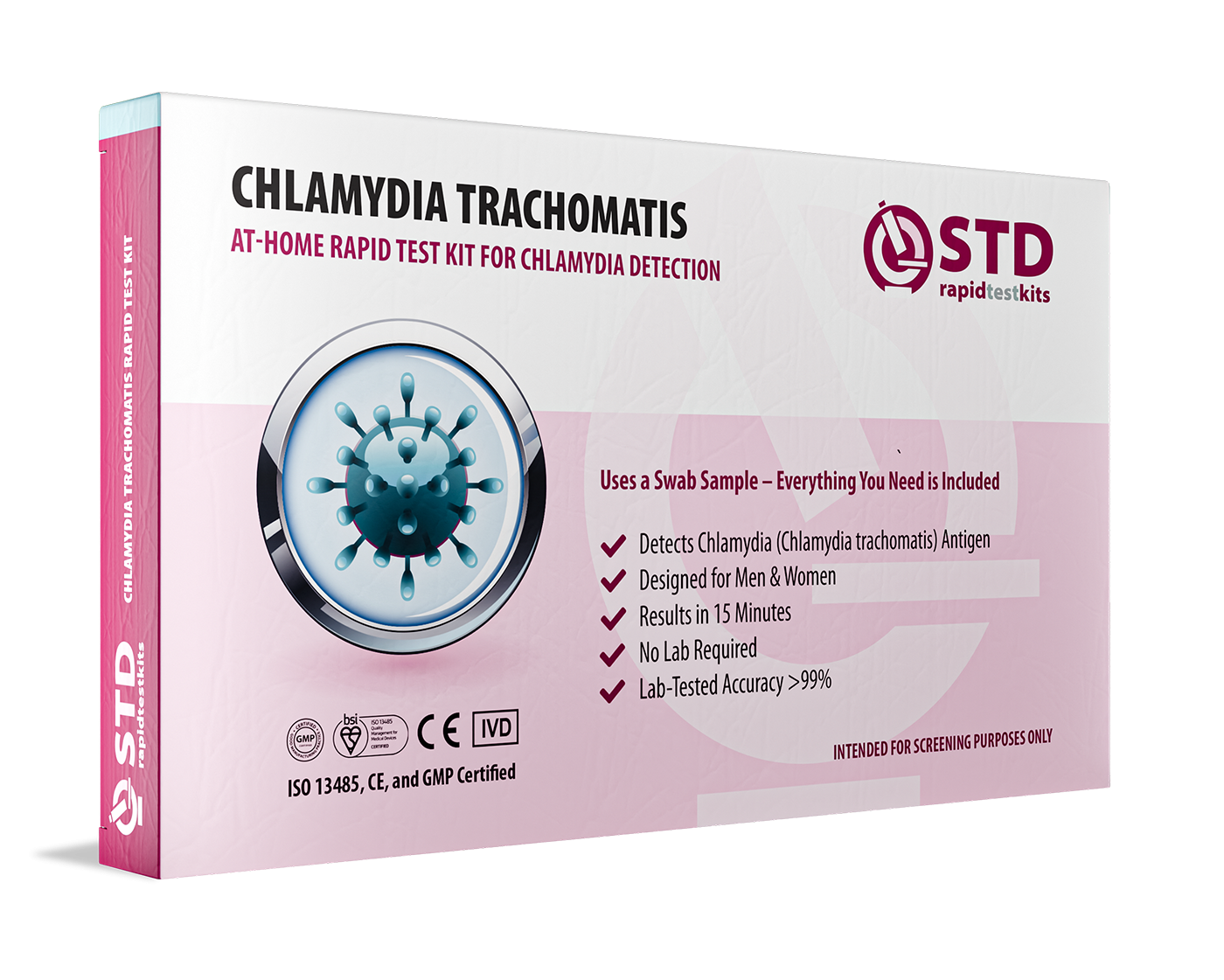
 For Men & Women
 Results in Minutes
 No Lab Needed
 Private & Discreet
Order Now $33.99 $49.00
Reinfection vs Resistance: What’s Actually Happening?
We need to clear something up: true antibiotic resistance in chlamydia is still considered rare. What’s more common is incomplete treatment, exposure from an untreated partner, or site-specific persistence (like untreated rectal chlamydia when only urogenital meds were used).
But that doesn’t mean you should ignore persistent symptoms. Recent research from the Lancet Infectious Diseases journal shows that even in the absence of true resistance, suboptimal treatment can allow chlamydia to linger, mutate, or rebound, especially if taken inconsistently or without partner coordination.
If you’re starting to spiral with “what if I can never get rid of this?”, you’re not alone. But you’re also not stuck. The right test, the right treatment, and the right follow-up can stop that cycle cold.
When Should You Retest for Chlamydia?
Even after taking the “right” antibiotics, retesting is critical. Why? Because chlamydia can reappear silently, especially if a partner wasn’t treated, if you had multiple partners, or if the infection was in the rectum or throat. The CDC recommends retesting:
- At least 3 weeks after treatment if you’re still having symptoms
- At 3 months post-treatment even if you feel fine
- Immediately if you had sex with an untreated partner after treatment
- Before resuming unprotected sex with a new partner
Think of it like a final check to make sure the infection’s truly gone. This isn’t about shame, it’s about confirmation. Especially with so many asymptomatic cases, a negative test is your best peace of mind.
Can’t Take Doxycycline? Here Are Your Options
If you’re allergic to tetracyclines, pregnant, or unable to tolerate doxycycline due to side effects, you still have options. Azithromycin may still be used in some cases, but it should be taken with caution and close monitoring, especially if you may have been exposed to rectal chlamydia.
Alternative options include:
- Azithromycin 1g orally once – still used for pregnant patients or those allergic to doxycycline
- Levofloxacin 500mg daily for 7 days – off-label but sometimes prescribed in specific scenarios
That said, not all providers will offer these options without a documented reason. If you’re managing your treatment from home or through telehealth, make sure to disclose any medication allergies or intolerances.
Need a discreet retest or want to confirm before switching meds? 6-in-1 STD At-Home Rapid Test Kit checks for multiple infections, including chlamydia, and ships in plain packaging.

People are also reading: Is That Faint Line a Positive Chlamydia Test? What It Really Means
When Can You Have Sex Again?
This is one of the most common (and most misunderstood) questions: “Can I have sex again if I feel better?”
The answer? Wait at least 7 full days after finishing treatment, and that means the last dose, not the first. If you’re on doxycycline, that’s seven days from your final pill. For azithromycin, it’s seven days from the single dose.
And yes, that includes oral, anal, and vaginal sex. Even if you feel fine, you can still be contagious in that window. Having sex too soon is one of the main ways people get reinfected or spread chlamydia without realizing it.
Pro tip: use this recovery period to plan for a follow-up test. That way, you’re stepping back into your sex life with full clarity, not guesswork.
Your Treatment Didn’t Fail, But You Deserve Better Clarity
It's not your fault the treatment landscape has shifted. It’s frustrating to do everything “right” and still feel confused, symptomatic, or unsure. But now that you know the difference between azithromycin and doxycycline, you’re already ahead of the game, and closer to full recovery.
Want to be sure? This chlamydia rapid test kit gives you answers in minutes. No lab wait, no awkward appointment. Just you, your health, and clarity.
If your head’s still spinning, that’s okay too. Take a deep breath. You’ve got options, and you’re taking steps toward healing, not just for you, but for every partner you care about.
FAQs
1. Does azithromycin still work for chlamydia?
It can, but not as well as it used to. While it’s still effective for many urogenital cases, studies show it’s less reliable for rectal infections. That’s why it’s no longer the CDC’s first choice in 2025. If your provider gave you azithromycin, ask if a follow-up test is needed, especially if you didn’t get site-specific testing.
2. Can doxycycline fail?
Rarely, but yes, it’s possible. Most failures happen when doses are missed, when someone has a hidden rectal infection, or when a partner hasn’t been treated and reinfection happens. Doxy is powerful when used right. If you're the kind of person who forgets lunch, consider setting alarms for those pills, consistency really matters.
3. I took the antibiotics and still feel off. Is that normal?
Totally valid concern. Some folks feel better in a couple days; others take a week or more. But if symptoms are still hanging around 10 days post-treatment, it’s worth a retest. You might’ve had an undetected rectal or throat infection, or your partner may have passed it back to you. Been there, fixed that. Just retest and reset.
4. Can I treat chlamydia without doxycycline?
Yes, there are alternatives, like azithromycin or levofloxacin, but they’re usually plan B or C. Doxycycline leads the pack in 2025 for a reason. If you're allergic, pregnant, or just can’t handle it, talk to your provider about other options. Just don’t DIY it, antibiotic roulette doesn’t end well.
5. When can I have sex again after treatment?
Deep breath, seven full days after finishing your antibiotics. No early hookups, even if you “feel fine.” Chlamydia can still be contagious during that window, and yes, oral sex counts too. You’ll thank yourself later when you’re not cycling through treatment round two.
6. Is one dose of azithromycin really enough?
For some people, sure. But it's kind of like using a squirt gun on a grease fire, it might do the trick, or it might leave smoldering embers. It's no longer the gold standard because it’s just not as effective across the board, especially for rectal cases. Think of it as a decent fallback, not a first-line choice.
7. Oops, I missed a doxycycline dose. Now what?
Don’t panic. If it’s within 12 hours, take it ASAP. If it’s been longer, skip it and move on. But missing multiple doses? That’s a problem. You may need a retest, or in some cases, a redo. When in doubt, test it out. (And maybe put a sticky note on your fridge.)
8. Why did I test positive again after antibiotics?
A few reasons: (1) You tested too early, (2) your partner wasn’t treated, or (3) the infection was never fully cleared. It doesn’t always mean resistance, it just means the timing or treatment plan needs a tweak. You’ve got options, and retesting is the first one.
9. Does my partner really need to get treated too?
Yes. 100%. No exceptions. Even if they "feel fine." Treating just one side of the couple is like patching one tire on a flat, you're going nowhere. Coordinated treatment = fewer breakups, less reinfection, and fewer awkward future convos.
10. Can I just test at home instead of going back to the clinic?
Hell yes, and lots of people do. Whether it’s for privacy, convenience, or you’re just emotionally exhausted, at-home rapid tests can be a game-changer.
You Deserve Answers, Not Assumptions
If you’re dealing with a potential treatment failure, or just trying to make the right decision in the middle of all the noise, you’re not alone. Chlamydia is common, treatable, and manageable. But clear, up-to-date information is the key to staying in control of your health.
Don’t wait and wonder, get the clarity you deserve.
How We Sourced This Article: We combined current guidance from leading medical organizations with peer-reviewed research and lived-experience reporting to make this guide practical, compassionate, and accurate. In total, around fifteen references informed the writing; below, we’ve highlighted some of the most relevant and reader-friendly sources.
Sources
1. CDC: 2021 STD Treatment Guidelines – Chlamydia
2. Planned Parenthood: What Is Chlamydia?
3. CDC — Chlamydial Infections Treatment Guidelines
4. AAFP — Sexually Transmitted Infections: Updated Guideline From the CDC
5. AAFP — Chlamydial and Gonococcal Infections: Screening, Diagnosis, and Management
About the Author
Dr. F. David, MD is a board-certified infectious disease specialist focused on STI prevention, diagnosis, and treatment. He blends clinical precision with a no-nonsense, sex-positive approach and is committed to expanding access for readers in both urban and off-grid settings.
Reviewed by: B. Kwan, FNP-C | Last medically reviewed: October 2025
This article is for informational purposes and does not replace medical advice.


