Published: November 2025 | Last updated: May 2026 | Editorial review and quality control: Martina N.
Noticing itching and an unfamiliar smell at the same time is one of the most common reasons people search the internet at 2 a.m. It feels alarming, but the combination almost always points to a short list of treatable causes. Yeast, bacterial vaginosis, trichomoniasis, product irritation, a temporary pH shift, and occasionally another sexually transmitted infection cover the vast majority of cases.
The pattern of symptoms matters more than the symptoms in isolation. A fishy smell with mild irritation behaves very differently from intense itching with thick white discharge, and clinicians use those distinctions to narrow the cause quickly. Vaginitis is one of the most common reasons women see a clinician, according to the American College of Obstetricians and Gynecologists, and the three infectious causes (BV, candida, trichomoniasis) account for the large majority of confirmed cases.
This guide walks through how to read the combination, which patterns suggest which cause, what everyday triggers can set off a flare, and when a quick at-home screen is the most useful next step.
Key Takeaways
- Itching plus a fishy or strong odor almost always points to a bacterial shift (BV) or trichomoniasis rather than yeast; the smell is the most useful clue for telling them apart.
- Most cases resolve with the right treatment. The slow part is figuring out which cause you actually have, which is exactly what a targeted test answers in minutes.
How Clinicians Read the Itching-Plus-Odor Combo
When clinicians evaluate genital symptoms, they rarely jump straight to a single diagnosis. They look for patterns. Different conditions create surprisingly specific symptom combinations, and itching together with odor is one of the more useful patterns because it narrows the list fast.
Yeast infections, for instance, tend to cause intense itching with very little odor. Bacterial vaginosis, by contrast, often creates a strong fishy smell with milder irritation. Trichomoniasis can produce both, plus a frothy yellow or green discharge. Product irritation can mimic any of these, especially if a new soap, lubricant, or detergent has been introduced in the past week.
Understanding the pattern matters because the wrong assumption leads to the wrong treatment. Clinicians commonly observe that women self-treat for yeast infections when the actual cause is bacterial vaginosis, leading to repeat episodes and longer time to resolution. Antifungal cream cannot fix a bacterial imbalance, and antibiotic treatment for BV does not address yeast. The Mayo Clinic vaginitis page outlines how the three most common vaginitis types present differently.
The table below summarizes the patterns clinicians look at first.
| Condition | Typical Odor | Itching Level | Common Clues |
|---|---|---|---|
| Bacterial vaginosis | Fishy, strongest after sex | Mild to moderate | Thin gray or white discharge |
| Yeast infection | Minimal | Intense, often with redness | Thick white discharge, cottage-cheese texture |
| Trichomoniasis | Strong, sometimes musty | Moderate to severe | Frothy yellow-green discharge |
| Product irritation | Mild or unusual | Variable, often burning | New soap, wipes, lube, or detergent |
| Temporary pH shift | Slightly sour or musky | Mild | Symptoms after sex, period, or antibiotics |
| Other STIs | Variable | Variable | Pelvic pain or unusual discharge color |
The Six Causes Clinicians Sort Through First
When the itching-plus-odor pattern appears, clinicians work through a short list of possibilities. Each one has slightly different signs, and those small details often determine the next step.
1. Bacterial vaginosis (BV)
BV is the most common cause of vaginal symptoms in people aged 15 to 44, according to the CDC. It happens when the balance of healthy lactobacilli in the vagina shifts and other anaerobic bacteria, including Gardnerella vaginalis, multiply.
The hallmark is a thin gray-white discharge with a fishy odor that becomes most noticeable after sex or during a period. Semen and blood both raise vaginal pH temporarily, which makes the smell more obvious. Itching is usually mild, sometimes absent entirely. Clinically, BV is not classified as a sexually transmitted infection. Even so, sexual activity with new or multiple partners is a recognized risk factor for the bacterial shift that allows BV to develop.
2. Yeast infections (vulvovaginal candidiasis)
Yeast infections are the condition most people think of first when itching shows up. They cause intense vulvar itching, redness, and sometimes a burning sensation during urination or sex. The discharge is typically thick and white, often compared to cottage cheese, and the odor is usually minimal.
When a noticeable smell shows up alongside yeast symptoms, clinicians consider whether a second infection is also present. Yeast infections respond to antifungal medication; using antifungals for BV or trichomoniasis delays the actual treatment.
3. Trichomoniasis
Trichomoniasis is caused by a microscopic parasite, Trichomonas vaginalis, and it is one of the most common curable STIs worldwide. The World Health Organization estimates roughly 156 million new infections each year globally.
It often produces both itching and a strong odor, which is why it shows up frequently when these symptoms appear together. The classic sign is a frothy yellow-green discharge, sometimes with vulvar irritation, burning during urination, or discomfort during sex. According to the CDC, most people with trichomoniasis (around 70 percent) have no obvious symptoms, so testing is the only reliable way to confirm it.
4. Product irritation (contact vulvitis)
Sometimes the cause is simpler than an infection. New soaps, bubble baths, scented wipes, laundry detergents, fabric softeners, lubricants, and even certain condoms can irritate the delicate skin of the vulva. The body responds with inflammation, mild swelling, and sometimes a shift in odor that comes from a disrupted bacterial balance rather than an infection itself.
Removing the irritant usually resolves the symptoms within a few days. This is why clinicians ask about new hygiene products before reaching for a swab or prescription.
5. Temporary pH imbalance
The vagina naturally maintains a slightly acidic pH (around 3.8 to 4.5), which keeps harmful organisms in check. When that environment shifts, even briefly, mild itching and odor can appear without any infection being present.
Sex, antibiotics, menstruation, douching, and some hormonal medications all influence vaginal pH. According to the NHS, lifestyle factors like douching are particularly disruptive to the vaginal microbiome and can trigger recurrent BV. In many cases the balance restores on its own; persistent symptoms still warrant evaluation.
6. Other sexually transmitted infections
While many STIs cause little to no odor, chlamydia and gonorrhea can sometimes produce unusual discharge that carries a smell, particularly if there is a secondary bacterial overgrowth or pelvic inflammatory complication. The CDC notes that most chlamydia and gonorrhea infections in women are asymptomatic, which is one reason routine screening matters even when symptoms are mild.
When itching, odor, and discharge appear together, ruling out an STI is part of the standard workup. The symptoms of different infections overlap enough that guessing rarely lands on the correct answer.
If the smell is strong and fishy with thin discharge, think BV. If the itching is intense with thick white discharge, think yeast. If both are strong with frothy yellow-green discharge, think trichomoniasis. If you recently changed a soap, lube, or detergent, think irritation first. Either way, a targeted test ends the guessing in under an hour.
Subtle Clues That Help Narrow the Cause
Clinicians pay close attention to the small details. Timing, discharge color, when the odor is strongest, and what was happening in the days before symptoms appeared all carry diagnostic weight. People often notice symptoms in the shower or while using the bathroom, moments when the body is harder to ignore. Those observations are genuinely useful and worth bringing up at an appointment or noting before a test.
Below is a simplified version of the symptom-to-cause mapping clinicians use during evaluation.
| Symptom detail | Most likely meaning |
|---|---|
| Fishy smell strongest after sex | Bacterial vaginosis |
| Intense itching with thick white discharge | Yeast infection |
| Frothy yellow or green discharge | Trichomoniasis |
| Symptoms began after a new soap or detergent | Contact irritation |
| Symptoms after a course of antibiotics | Yeast overgrowth or pH shift |
| Pelvic pain plus unusual discharge | Possible STI, needs testing |
| Burning during urination | UTI, trichomoniasis, or other STI |
What Triggers the Itching-and-Odor Combo
Doctors also pay attention to what was happening in the days leading up to the symptoms. Certain everyday situations can shift the vaginal microbiome enough for itching and odor to appear together, even without a frank infection.
Sex is one of the most common triggers. Semen is alkaline, while the vagina is normally slightly acidic. That temporary pH shift can let certain bacteria multiply more quickly, which is why bacterial vaginosis symptoms often appear after intercourse. People who recently changed partners or who have multiple partners are at higher risk for both BV and STI exposure, per the CDC's BV fact sheet.
Antibiotics can produce a similar effect. They treat harmful bacteria but also disrupt the protective lactobacilli that keep the vaginal microbiome stable. Yeast or other organisms can grow more easily when that balance changes, which is why yeast infections often follow a course of oral antibiotics by a few days.
Hormonal changes play a quieter but real role. Periods, pregnancy, perimenopause, menopause, and some hormonal contraceptives change pH and discharge volume, which can make odor and irritation more noticeable. Most of these shifts are normal; they only need attention if symptoms persist or worsen.
Lifestyle factors contribute too. Tight synthetic underwear, prolonged moisture after workouts, swimming in chlorinated pools, and frequent use of scented products can irritate vulvar skin or disrupt the normal bacterial balance.
| Trigger | Why symptoms can appear |
|---|---|
| Sexual activity | Semen temporarily raises vaginal pH |
| Antibiotic course | Disrupts protective lactobacilli |
| Scented soaps, wipes, or detergents | Irritates delicate vulvar skin |
| Hormonal shifts (period, pregnancy, menopause) | Change pH and discharge volume |
| Tight synthetic underwear or workout clothes | Trap moisture, encourage microbial growth |
| Douching | Strips protective bacteria, raises BV risk |
Does itching and odor always mean an STD?
No. Most of the time the cause is bacterial vaginosis or a yeast imbalance, neither of which is technically an STD. Trichomoniasis is the STI most often responsible for the combination, and chlamydia or gonorrhea can occasionally contribute. Because the symptoms overlap, testing is the only reliable way to identify the cause rather than guessing.
This article links to rapid at-home test products sold on this site. Clinical lab confirmation remains the diagnostic standard for any positive result.
When Testing Becomes the Smart Next Step
Occasional itching or a mild odor shift can happen for many harmless reasons, and the body often corrects course on its own within a day or two. The picture changes when symptoms stick around, worsen, or come with extra signs like unusual discharge, pelvic discomfort, or burning during urination.
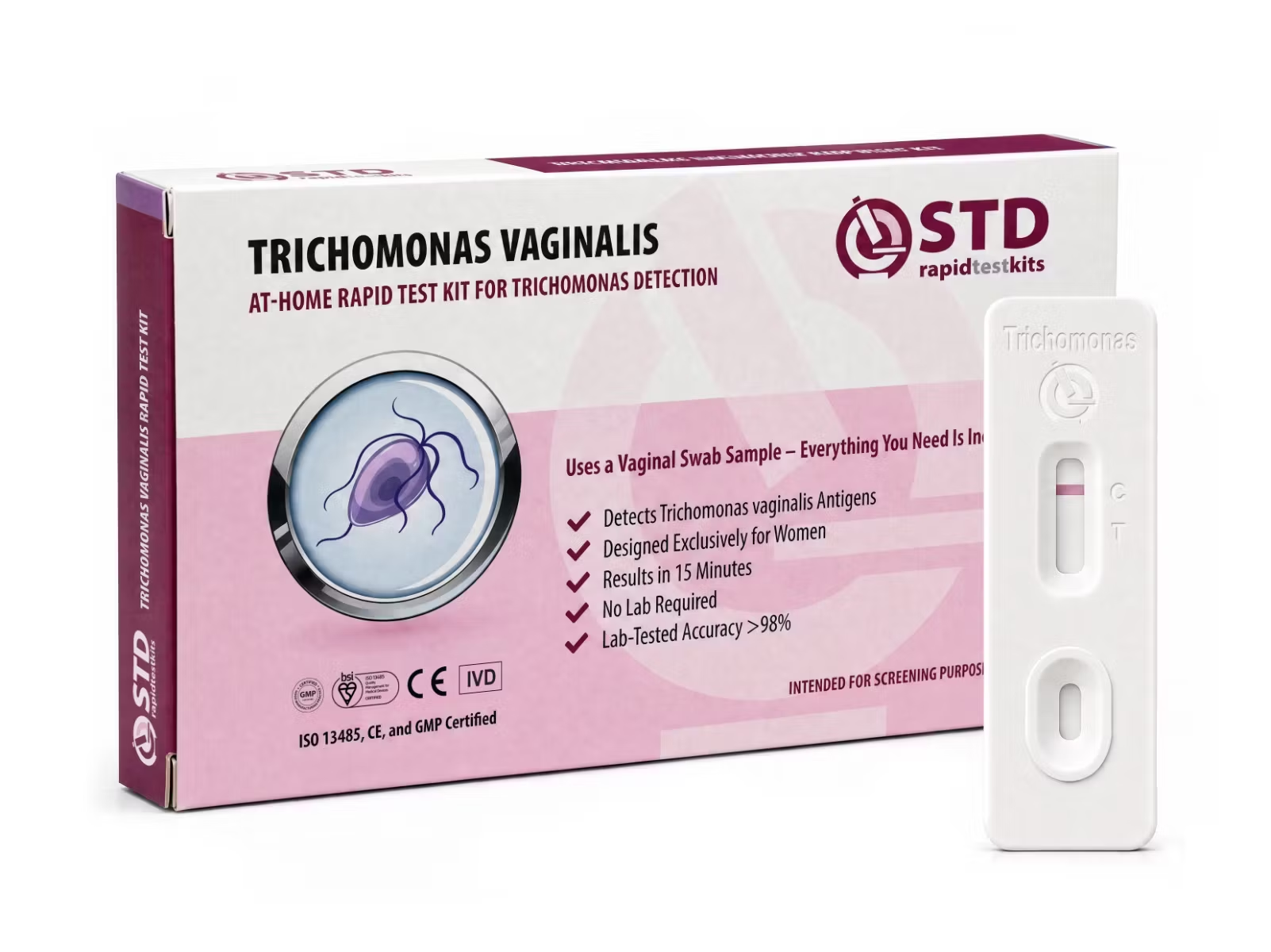
Testing replaces guessing. Instead of cycling through antifungal creams and waiting to see what works, a targeted test identifies the actual organism in minutes. That matters because the wrong treatment, or no treatment at all, can let some infections progress to pelvic inflammatory disease and longer-term complications. The CDC specifically recommends testing for trichomoniasis in anyone with symptoms or at increased risk, since most infections do not produce obvious signs.
At-home rapid tests have made the first step easier. They are lateral-flow swab or fingerstick tests, similar in chemistry to a home pregnancy test, and they are designed for screening rather than confirming. A positive result is worth confirming with a lab NAAT when possible, though for many people the home result is enough to know whether to seek treatment that same day instead of waiting a week for a clinic appointment.

Most people who get trichomoniasis do not have any symptoms. Without testing, the infection can persist for months or years and pass between partners unnoticed.
When Symptoms Need More Attention
While most causes of itching and odor are mild and self-limiting, certain patterns warrant a clinic visit rather than waiting it out. Symptoms that last longer than a week, recur within a few months after treatment, or arrive with pelvic pain, fever, or visible sores all deserve a same-week appointment.
Recurrence is a particularly important signal. The NHS notes that BV commonly returns within a few months of treatment, and recurrent yeast infections (four or more episodes in a year) suggest something is keeping the balance off. Both situations call for a more thorough workup rather than another round of the same over-the-counter treatment.
Pregnancy adds another layer. BV and trichomoniasis during pregnancy are associated with preterm birth and low birth weight, so symptoms in pregnancy should always be discussed with an obstetric provider rather than self-treated. The same goes for anyone with a weakened immune system, recurrent UTIs, or a history of pelvic inflammatory disease.
Pelvic pain or pain during sex, fever or chills, visible sores or blisters, bleeding between periods, symptoms during pregnancy, or symptoms that come back within weeks of finishing treatment. These signs go beyond a routine pH shift and need a real exam.
The Bottom Line
Itching and odor together feel alarming, but the cause is almost always treatable and the diagnosis is almost always faster than people expect. The combination narrows the list to a handful of conditions, and each one has small clues that point toward the right answer.
Start with the simple possibilities. If a new soap, detergent, or lubricant entered the picture in the past week, removing it for a few days often resolves things. If the smell is fishy and the discharge is thin and gray, BV is the leading suspect. If the itching is intense with thick white discharge, yeast is likely. If both symptoms are strong and the discharge is yellow-green, trichomoniasis becomes the priority and testing is the next step.
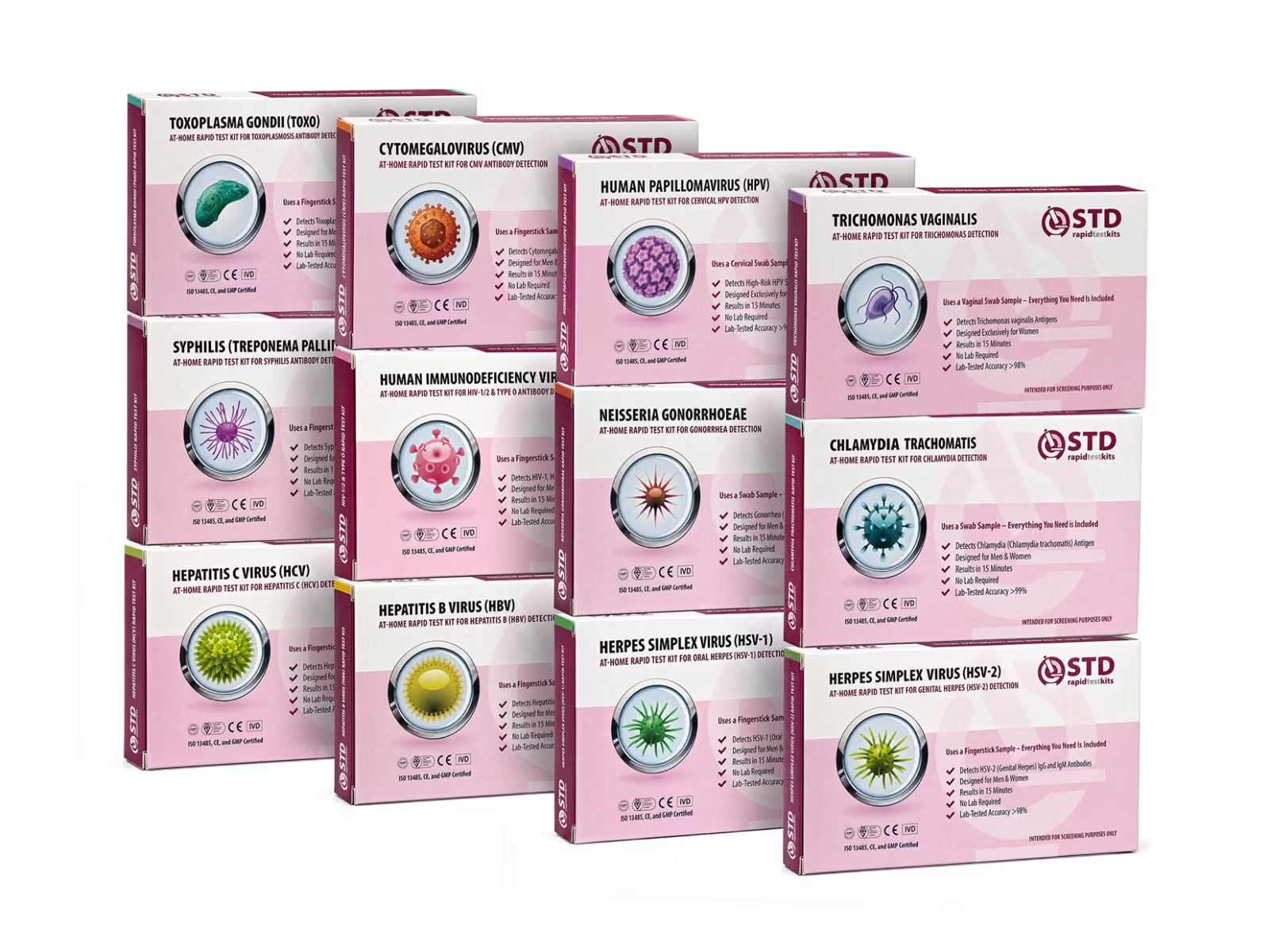
For anyone uncertain whether an STI is part of the picture, a discreet at-home screen for the women's panel of common infections (chlamydia, gonorrhea, trichomoniasis, and others) closes the loop in about fifteen minutes. The goal is not to panic over every sensation; it is to replace guesswork with a clear answer, which usually leads to faster relief.
Fishy with thin gray discharge points to BV. Intense itching with thick white discharge points to yeast. Frothy yellow or green discharge points to trichomoniasis. A new soap, lube, or detergent in the picture suggests irritation first. A targeted test resolves the rest.
Frequently Asked Questions
- Does itching and odor always mean an STD?
- Rarely. BV and yeast overgrowth account for the large majority of itching-plus-odor cases, and neither is classified as an STI. Among STIs, trichomoniasis is the most common culprit for this specific symptom combination; chlamydia and gonorrhea can occasionally produce unusual discharge with odor when secondary bacterial overgrowth is present. Testing is the only definitive way to distinguish between them.
- Why does my vagina itch and smell fishy suddenly?
- A sudden fishy smell with mild irritation usually points to bacterial vaginosis. BV happens when the protective lactobacilli in the vagina decrease and other bacteria take over. It can be triggered by sex, antibiotics, hormonal changes, or even douching. The smell often becomes most noticeable after sex or in the shower, which is when many people first notice it.
- Can a yeast infection cause odor too?
- Yeast infections are known for intense itching, but they usually do not produce a strong odor. The discharge tends to be thick and white. If a noticeable smell appears alongside yeast-like itching, clinicians often check for BV or trichomoniasis as a co-occurring cause.
- Why do itching and odor sometimes appear right after sex?
- Semen is alkaline and temporarily raises vaginal pH, which can let certain bacteria multiply faster. If BV is already developing, the smell often becomes much stronger the morning after sex. This is one of the most common reasons people first notice symptoms.
- Is some level of vaginal odor normal?
- Yes. A mild natural scent is normal and varies with the menstrual cycle, hydration, and activity level. A healthy vagina should not smell like soap or perfume. What matters is a sudden change, especially when paired with itching, irritation, or unusual discharge.
- Can soaps and personal care products really cause both itching and odor?
- Surprisingly often, yes. Scented washes, wipes, bath bombs, fabric softeners, and harsh laundry detergents can irritate vulvar skin and disrupt the natural bacterial balance. The result is sometimes both itching and a noticeable smell. Switching to fragrance-free products for two weeks often clarifies whether irritation is the cause.
- Which STD is most likely to cause itching with odor?
- Trichomoniasis. It can produce itching, frothy yellow-green discharge, and a stronger odor than many other STIs. Per the CDC, around 70 percent of people with trichomoniasis have no obvious symptoms, so testing is the only reliable way to confirm or rule it out.
- How long should I wait before testing or seeing a clinician?
- If symptoms persist beyond two or three days, worsen, recur within weeks of treatment, or come with pelvic pain, fever, or visible sores, do not wait. A rapid at-home test or a clinic visit ends the uncertainty and avoids spending money on the wrong treatment.
Our article was constructed based on current advice from the most prominent public health and medical organizations, and then molded into simple language based on the situations that people actually experience. We reviewed the CDC's fact sheets on bacterial vaginosis, trichomoniasis, and chlamydia screening, the WHO STI fact sheet, NHS guidance on bacterial vaginosis and vulvovaginitis, the Mayo Clinic vaginitis page, and ACOG patient education on vaginitis. Only established medical authorities informed the clinical distinctions presented here.
- U.S. Centers for Disease Control and Prevention. Bacterial vaginosis prevalence, risk factors, and clinical presentation.
- U.S. Centers for Disease Control and Prevention. Trichomoniasis fact sheet, including the figure that approximately 70 percent of infections are asymptomatic.
- U.S. Centers for Disease Control and Prevention. Chlamydia overview and the asymptomatic-presentation context for screening.
- Mayo Clinic. Vaginitis symptoms and causes, covering the three most common infectious presentations.
- National Health Service (UK). Bacterial vaginosis overview, including recurrence pattern and the impact of douching on the vaginal microbiome.
- World Health Organization. Sexually transmitted infections fact sheet, including the global trichomoniasis incidence estimate.
- American College of Obstetricians and Gynecologists. Vaginitis patient FAQ on prevalence and the three most common infectious causes.
