





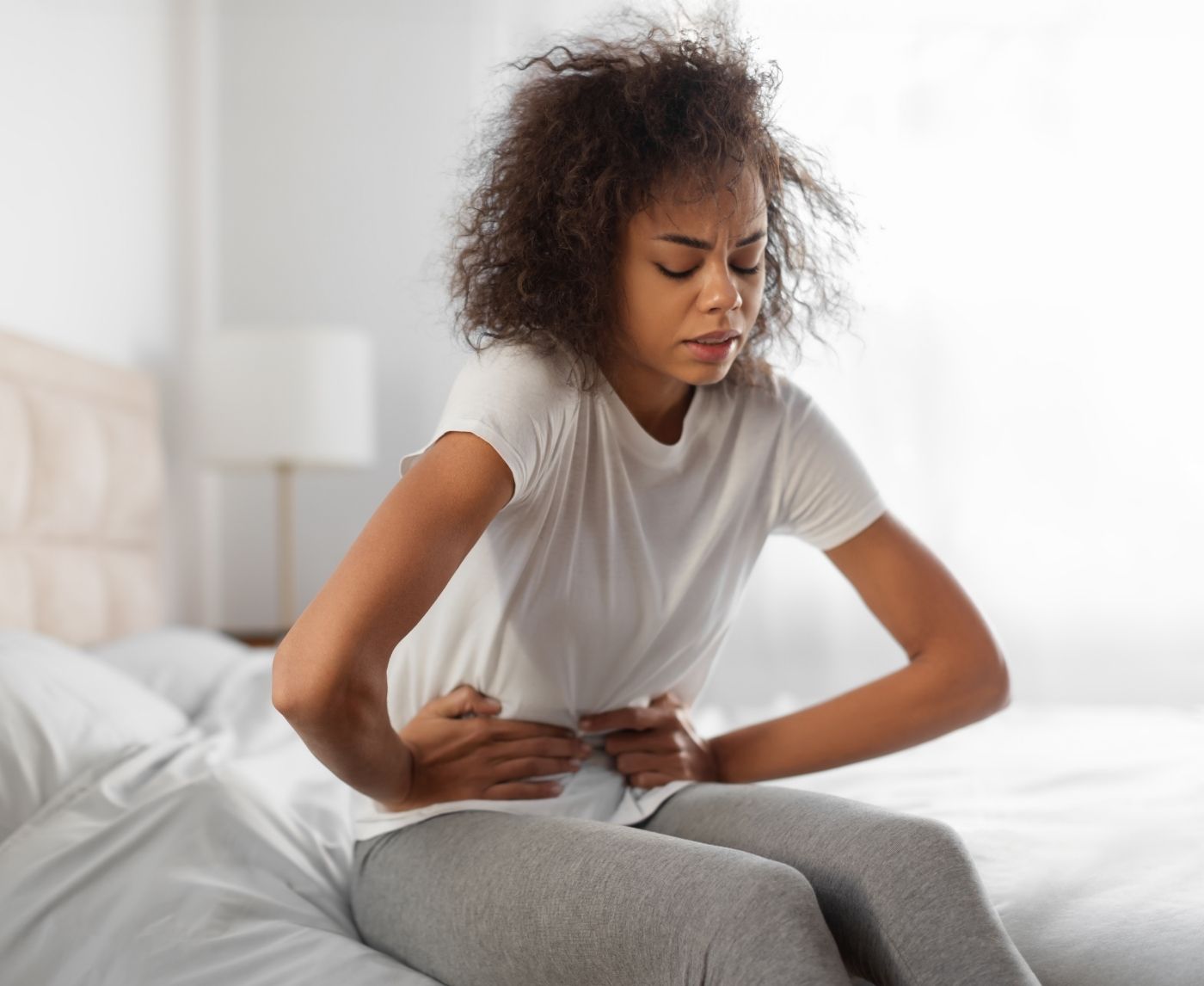

Quick Answer: UTI and STD symptoms often overlap, burning, discharge, pelvic pressure, but require different tests to diagnose. Always ask for both urine and swab testing if symptoms persist.
This Hurts When I Pee, So Why Can’t Anyone Tell Me Why?
You wake up needing to pee, bad. But when you do, it burns like hell. It’s not the first time. Maybe you had sex recently. Maybe you didn’t. Maybe you wore tight jeans, skipped peeing after, or maybe your body just decided to throw you a curveball.
Your brain starts spinning. Is this a UTI? Could it be herpes? Was that hookup clean? You Google “burning pee after sex.” You fall down a rabbit hole. Within five minutes, you’re convinced it could be chlamydia, gonorrhea, trichomoniasis, or a rogue yeast infection.
What doctors don’t always explain well is this: UTI and STI symptoms in women often look, and feel, the same. In one NIH study of adolescent girls with urinary symptoms, 21% had a sexually transmitted infection even though they had no classic “STD” signs.
Conversely, many thought they had STDs, but actually had bacterial infections like E. coli causing inflammation of the urinary tract. This overlap can make diagnosis tricky without the right tests, and many walk-in clinics skip them.
When Doctors Play Detective, and Still Get It Wrong
UTIs are bacterial infections, usually caused by E. coli, that infect your urethra or bladder. STDs, on the other hand, are often viral, parasitic, or bacterial infections passed through sexual contact. That sounds simple enough, but the way they show up in your body can be almost identical, especially early on.
Here’s what both can cause:
| Symptom | Possible Cause |
|---|---|
| Burning during urination | UTI, Chlamydia, Gonorrhea, Herpes |
| Discharge (clear, white, yellow, or green) | STDs (Chlamydia, Gonorrhea, Trich), BV, Yeast |
| Frequent urge to pee | UTI, Herpes, Trichomoniasis |
| Lower abdominal pressure | UTI, PID from untreated STD, hormonal changes |
| Pain during or after sex | Trichomoniasis, BV, Yeast Infection, Herpes |
| Light bleeding post-intercourse | Chlamydia, Gonorrhea, Vaginal dryness, BV |
Table 1. Common overlapping symptoms between UTIs and STDs. One symptom rarely tells the whole story, accurate diagnosis requires testing.
Herpes can cause internal urethral inflammation, leading to UTI-like symptoms with no visible sores. Trichomoniasis, a lesser-known parasite, causes frothy discharge and painful urination, but often gets missed unless you specifically ask for it. Some providers don’t routinely screen for it. Others miss it entirely.
Why the Wrong Diagnosis Happens So Often
Let’s be honest: the vagina is one of the most misinterpreted parts of the human body, by doctors, by search engines, and by the people living in those bodies. And the data backs this up.
In a peer-reviewed NIH study, adolescent girls who reported UTI-like symptoms were found to have STIs in nearly 1 in 4 cases. Some had no symptoms at all besides the burning. Many had been told repeatedly that they were just “prone to UTIs.”
And yet the reverse happens too, people with STIs being treated for a UTI over and over, never getting the right swabs. This misdiagnosis is even more common for people of color, LGBTQ+ patients, and those who can't easily advocate for themselves in a rushed or underfunded healthcare system.
One trans woman shared on Reddit: “I kept getting told I had a UTI. The third time I went in, I asked for an STI panel. Turns out it was gonorrhea the whole time. My provider just assumed because I was on hormones, I wasn’t sexually active.”
Shame, assumptions, and lack of comprehensive testing protocols mean people fall through the cracks. The medical system is designed to screen the obvious and overlook the nuanced. That’s a dangerous game when symptoms overlap this much.

People are also reading: How Soon After Sex Can You Test for STDs?
Burning, Bleeding, Discharge, But Still No Answers
Let’s go back to Kayla, our 27-year-old. After her negative STD panel, her symptoms came back. This time, there was light bleeding after sex. Still no smell. No fever. She booked another appointment. This time, they said it might be bacterial vaginosis (BV), a common but confusing imbalance of vaginal bacteria that’s not technically an STI, but is often triggered by sex.
Or maybe it was trichomoniasis, a parasitic STI that’s only found on specific wet mount tests, which the clinic didn’t have that day.
“So what do I have?” she asked.
The doctor replied, “Let’s treat you for both.”
So she left with two antibiotics, no actual test results, and a pharmacy bill that made her cry in the parking lot.
That’s the reality for many. Over-treated. Under-diagnosed. Shamed for asking questions. And still left wondering if something was wrong, or if they were just being dramatic.
Myth: If It Burns, It’s Definitely a UTI
This is one of the most common assumptions made by patients and providers alike. The problem? Burning when peeing is such a vague symptom. It could mean:
| Condition | Likely Testing Method | Commonly Missed? |
|---|---|---|
| Standard UTI (E. coli) | Urine dipstick + culture | No |
| Chlamydia or Gonorrhea | NAAT urine or vaginal swab | Yes, if swab not done |
| Herpes (internal outbreak) | Swab of urethra or blood test | Often |
| Trichomoniasis | Wet mount or NAAT swab | Yes |
| Allergic reaction or irritation | No test, diagnosed by exclusion | Yes, often labeled “nothing” |
| Hormonal changes | Clinical assessment | Almost always missed |
Table 2. Why your test might miss the real cause of burning or discharge. Swabs often catch what urine tests miss.
It’s not enough to say “drink more cranberry juice” and send someone home. A one-size-fits-all antibiotic approach can leave people untreated or create antibiotic resistance. And emotionally? It tells people their bodies are wrong, their pain isn’t serious, or that they’re being paranoid.
Burning needs context. It needs questions. When did it start? What changed? Was there a new partner? Did you use a new soap? Did it hurt before, during, or after sex? These are the nuances you don’t always get to explain in a 10-minute urgent care visit.
When Sex Feels Fine, Until It Doesn’t
There’s a unique kind of betrayal that happens when sex feels good in the moment... but hurts after. Maybe it starts with a subtle burn when you pee. Or a pressure in your lower belly. Or an ache you can’t quite place. If you’ve ever asked yourself, “Was that just rough sex, or something worse?”, you’re not alone.
Even gentle, consensual sex can irritate the urethra or vaginal tissues. This irritation can mimic infection. And if you’re prone to UTIs, anything from a new partner to a different condom brand to not peeing afterward can trigger an outbreak. But the same sensations can also point to STIs, especially if they’re subtle or asymptomatic in your partner.
This is where the emotional trap sets in. You start second-guessing everything, your partner, your body, your judgment. For queer folks, people with trauma histories, and anyone navigating sex with a sense of shame or secrecy, these physical symptoms can feel like punishment, even if they’re not.
In that way, symptoms like burning or discharge don’t just hurt, they haunt. They carry echoes of past hookups, past mistakes, past fears. Which is why so many people avoid testing altogether, or delay treatment until the symptoms get worse.
Check Your STD Status in Minutes
Test at Home with Remedium8-in-1 STD Test Kit
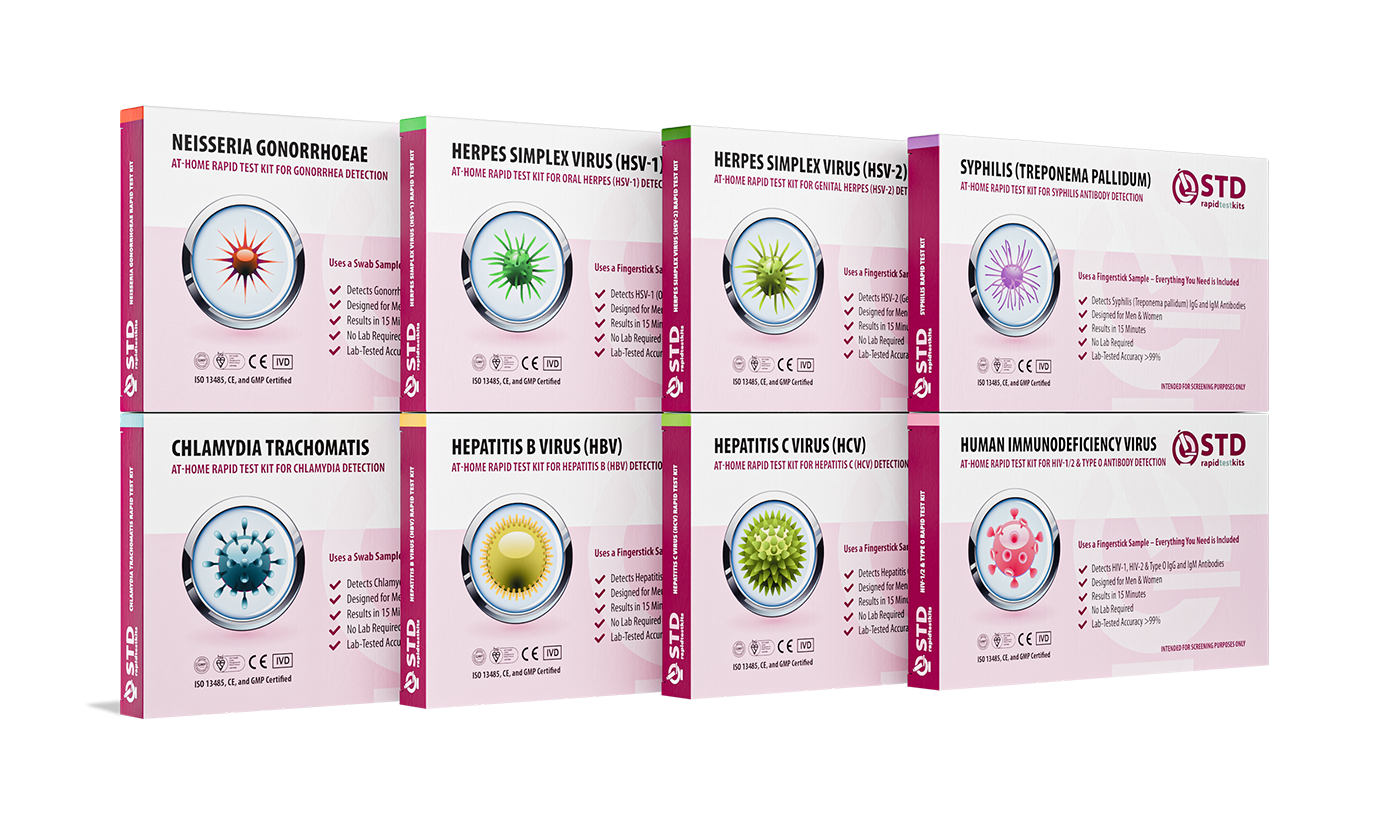
 For Men & Women
 Results in Minutes
 No Lab Needed
 Private & Discreet
Order Now $149.00 $392.00
For all 8 tests
Testing Is Power: Here's How to Get Real Answers
If there’s one truth this article holds tight, it’s this: you can’t tell the difference between a UTI and an STI just by how it feels. You need actual tests. And ideally, more than one kind.
Many walk-in clinics only offer basic urine tests. These can catch some infections like chlamydia or gonorrhea, but often miss trichomoniasis, herpes, Bacterial Vaginosis, or even atypical UTIs caused by less common bacteria.
Vaginal swabs, wet mounts, and culture tests give a fuller picture, but they’re not always offered unless you ask.
That’s where at-home test kits can shift the power. They’re discreet, fast, and don’t require you to explain your sex life to a stranger. You can test for a panel of STIs and compare that info to your UTI test results (or lack thereof).
And yes, sometimes testing is expensive. Sometimes it’s confusing. But the alternative is staying in the dark while your symptoms get worse, or your anxiety spirals out of control. And no one deserves that. Not you. Not anyone.
If your head keeps spinning, peace of mind is one test away. Order a combo STD test kit here.
Sex-Positive Doesn’t Mean Symptom-Naive
Being sex-positive isn’t about pretending everything’s always fine. It’s about being honest, about what hurts, what scares us, what makes us question our safety. It means knowing the difference between exploring your body and ignoring your body.
If you’ve been dealing with burning, pressure, or discharge, and you’ve already tested for STDs but still feel off, listen to your gut. Advocate for a second opinion. Ask for a urine culture. Insist on a vaginal swab. And don’t settle for providers who dismiss your pain just because they don’t have answers yet.
If you're sexually active, especially with new or multiple partners, make routine testing a ritual, not a panic response. Treat it like brushing your teeth or renewing your ID. Not because you think you’re dirty, but because you respect your body enough to stay informed.
And if you're navigating this post-hookup, mid-anxiety spiral, breathe. You’re not broken. You’re not dramatic. You’re paying attention. That matters.

People are also reading: Top 8 At-Home STD Tests in 2025 (And Which Ones Actually Work)
FAQs
1. Can a UTI really feel just like an STD?
Absolutely. Burning when you pee? Could be a standard UTI... or it could be chlamydia, gonorrhea, even herpes. The symptoms are like a bad copy-paste, almost identical. That’s why you can’t rely on vibes. You need testing.
2. I tested negative for STDs, but something still feels off. Am I just being paranoid?
Nope. You’re being attentive. Some infections (like trich) hide unless specifically tested for. Others (like internal herpes) won’t show up unless you swab the right spot, or do bloodwork. And then there’s stuff like BV or irritation that isn’t an STD but still very real. If you still feel weird, go back. Ask for more than a urine test.
3. How soon after sex can I get tested?
Depends what you’re checking for. Gonorrhea or chlamydia can show up within 5–7 days, but if you test too early, you might get a false negative. A lot of people test once around Day 10, then again after 3 weeks to be sure. Think of it as one-and-done insurance for your peace of mind.
4. This UTI feels different. Like, sharper. More annoying. Should I be worried?
If you’ve had UTIs before, trust yourself when something feels... off. Maybe it’s the location of the pain. Maybe it came on too fast. Or maybe your antibiotics didn’t work this time. These are all clues. If it’s persistent or weird, don’t guess. Test.
5. Can regular sex, not rough or wild, still cause a UTI?
Oh, absolutely. Even the chillest, most romantic sex can shuffle bacteria into your urethra. It’s not about how “clean” you are, it’s biology. That’s why peeing after sex is more than just a TikTok tip. It literally helps flush out trouble.
6. My partner swears they’re “clean.” Should I still test?
Short answer: yes. Long answer: they might not know they have something. Many STDs don’t show symptoms, especially in men.Testing isn't about not trusting your partner; it's about respecting your body and your relationship. It's not about being suspicious; it's about working together.
7. I don’t have any sores, so it can’t be herpes... right?
Wrong, unfortunately. Herpes doesn’t always come with visible blisters. You can have internal irritation, urethral burning, even tingling, without a single bump in sight. That’s why people miss it. If the timeline fits (about 4–14 days post-exposure), ask for a swab or blood test.
8. My results keep coming back “normal,” but my symptoms aren’t.
You are not crazy. You’re not making this up. This happens a lot. Tests can miss things, especially if they’re rushed, limited, or only use urine. Ask for a full workup: vaginal swab, pelvic exam, maybe even hormone panels or yeast testing. Keep pushing. Your discomfort deserves clarity.
9. Are those at-home STD kits actually accurate?
If you buy from a reputable source (hint: this one), then yes, they’re legit. Just follow the instructions, and be smart about when you test. Too early = false negative. But otherwise? They can be more thorough than rushed clinic visits.
10. How do I avoid this whole confusing mess next time?
Make testing routine, not reactive. Every 3–6 months if you’re sexually active or have new partners. Pee after sex. Be gentle with soaps and wipes. And if something burns, don’t wait and wonder. Advocate for full testing, not just dipsticks. Your body’s not dramatic, it’s just trying to tell you something.
You Deserve Answers, Not Assumptions
Whether it’s burning when you pee, discharge you’ve never seen before, or just that nagging feeling that something’s off, trust yourself. Trust your body. But also trust the power of knowledge.
You don’t have to choose between panicking over STDs or brushing it off as "just a UTI." You can ask questions. You can demand clarity. You can take the test. And if no one else is listening, listen to this: you’re not overreacting, you’re taking care of yourself.
Don’t wait and wonder, get the clarity you deserve. This at-home combo test kit checks for the most common STDs discreetly and quickly.
How We Sourced This Article: We combined real patient stories, medical journal research, and public health guidance from organizations like the CDC and NIH to write this guide. Every statistic and medical claim is linked to a reputable source, and all URLs were manually checked to ensure accuracy and accessibility. Our goal is to deliver information that is empathetic, evidence-based, and actually usable in moments of panic or doubt.
Sources
1. Verywell Health – UTIs That Feel Like STDs
2. Evvy – UTI vs STD: How to Spot the Difference
3. Willow Women’s Center – UTI vs STI
5. CDC – 2021 STI Treatment Guidelines
7. Cleveland Clinic – STDs & Infections
8. NIH – STD Symptoms in Women
9. Johns Hopkins – STI Clinical Pathway (2025)
10. NIH – Urinary Symptoms in Adolescent Females
About the Author
Dr. F. David, MD is a board-certified infectious disease specialist focused on STI prevention, diagnosis, and treatment. He combines clinical accuracy with a straightforward, sex-positive approach and wants to make it easier for people in cities and rural areas to get to his work.
Reviewed by: L. Porter, NP-C | Last medical review was in September 2025
This article is for information only; it doesn't take the place of medical advice.


