Top Asymptomatic STDs and Why Testing Is Essential
Sexually transmitted infections (STIs), also known as sexually transmitted diseases (STDs), are much more prevalent than one may think. Whereas some of these infections have symptoms that are quite evident and easily noticeable, others are much more insidious and do not show signs at all. Those asymptomatic STIs might be just as harmful, quietly causing long-term health complications and spreading unnoticed to sexual partners. These asymptomatic infections make regular testing and proactive prevention very important in maintaining sexual health.
It's important to know the risks of asymptomatic STIs and their effects on public health and what you can do to protect yourself. The following article will break down the dangers these silent infections pose, how the most common STIs can be asymptomatic, and what testing and communication you have at your disposal to prevent picking them up and passing them around.
16 November 2024
9 min read
1422
The Dangers of Asymptomatic STIs
Asymptomatic STIs are especially hazardous, for they usually do not get noticed by the infected person until the infection has already set serious damage. Due to a lack of symptoms, the person may continue unknowingly to carry the infection and further transmit it to others, thus creating a chain of infection that could eventually scale up into an epidemic.
Health Consequences of Untreated Asymptomatic STIs
Infertility: Some of the infections, such as chlamydia and gonorrhea, may finally destroy the reproductive system and lead to infertility if left untreated.
Chronic Pain: The conditions such as PID, caused by the usually untreated STIs, may result in long-term pain.
Pregnancy Complications: Undiagnosed STIs in pregnant persons may cause issues such as miscarriage and stillbirth or passing congenital infections on to newborns.
Increased Risk of Other Infections: Many asymptomatic STIs, such as gonorrhea and chlamydia, leave a person more at risk of getting infected with other infections such as HIV because the mucosal barriers are weakened.
Cancer Risks: Some types of HPV, many of which have no symptoms, are known to cause cervical, anal, and throat cancers.
The Public Health Impact
Where the majority of STIs go undiagnosed, they become part of a broader health concern. The CDC estimates that each year millions of new STI cases occur within the United States, many of which have no symptoms. Without treatment, these infections burden the healthcare systems and lead to serious social and economic consequences. Obviously, such a silent epidemic needs to be combated with increasing public awareness and access to various means of testing.
Common Asymptomatic STDs
Some STDs have earned reputations for hanging in without symptoms, at least in the early stages. A look at the more common asymptomatic STIs follows:
Chlamydia
Chlamydia is one of the most common bacterial STIs; many individuals do not have symptoms, and particularly, women may not show any symptoms. The infection gives a silent checkmate to the reproductive system, complications arising such as infertility or ectopic pregnancies. The men also do not often show symptoms yet can easily pass it to partners.
Gonorrhea
Like chlamydia, gonorrhea usually has no symptoms in the early stages. Women are less likely to notice symptoms than men, but if left untreated gonorrhea can cause PID and other complications such as infertility.
Human Papillomavirus (HPV)
The human papillomavirus infection is seen as one of the most common sexually transmitted infections across the world, since most of its strains do not result in any symptoms. Contrarily, some of the virus forms can cause genital warts, whereas others are linked to types of cancers like cervical and throat cancers. Vaccination against the high-risk HPV strain is among the finest preventive treatments against the infection.
Herpes Simplex Virus (HSV)
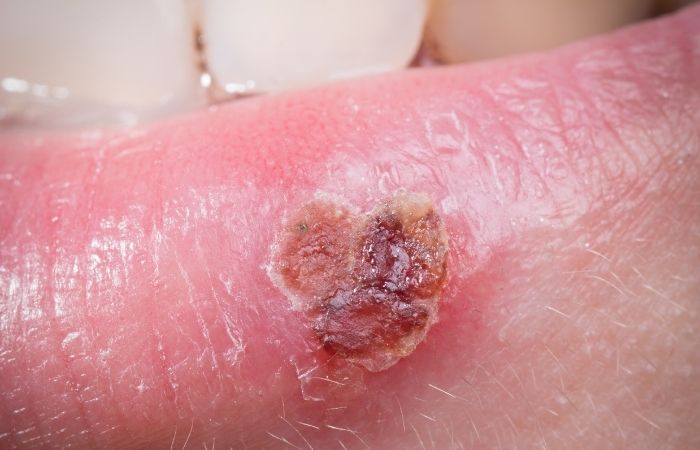
Although HSV is often associated with outbreaks of painful lesions, or sores, the majority of infected individuals remain asymptomatic carriers. In these cases, the virus remains transmissible to other partners through skin-to-skin contact when no sores are visibly present.
Trichomoniasis
Many cases of this parasitic infection produce no noticeable symptoms at all, especially in men. In women, the infection may cause some irritation or unusual vaginal discharge, but most infections remain asymptomatic. Untreated trichomoniasis can result in a greater risk of transmission for other STIs, including HIV.
Syphilis (Early Stages)
Syphilis, in turn, is believed to be the virus that causes open sores, or chancres, in an individual; these, though, may appear in sections of the body that are towards the back and thus may not easily be noticed. In the event that syphilis is untreated, the disease progresses through serious stages to fatal stages.
Understanding such viral nature and silently viral issues even more leads you to have the responsibility to act on their behalf in protecting yourself and others.
Preventive Measures
Prevention is better than treatment, and this tends to be very true with most asymptomatic STIs. Safe practices greatly minimize the chances of infection and allow one to lead a healthy sexual life.
1. Always Use Protection
Barrier methods like condoms and dental dams are very efficient in preventing STIs. Although they cannot offer 100% protection, they are among the most dependable preventive measures available.
2. Get Vaccinated
Vaccines against some STIs, such as HPV and hepatitis B, do exist. These vaccines can offer long-term protection, and doctors strongly advise them for people at risk.
3. Talk to Partners
Communicate openly with one's sexual partner about sexual health, history related to STI testing, and methods of prevention. Such open interactions build trust and minimize risks even further. One is assured of mutual safety by discussing testing for STIs and protection with a partner before sexual exposure.
4. Reduce the Number of Sexual Partners
Having multiple partners is not, in and of itself, a problem; however, it does increase your chances of potential infections. Having fewer partners and being mutually monogamous with someone who has been tested reduces your risks.
5. Avoid Alcohol and Drugs Before Sexual Activity
These judgment-altering substances can lower inhibitions and increase the chances that people will do things that put them at risk, such as having unprotected sexual contact. Being careful in these situations can help avoid unplanned exposure.
Integrating these practices into one's life will greatly reduce the risk of getting or eventually passing on asymptomatic STIs. The second and very important issue is that of regular testing for STIs.
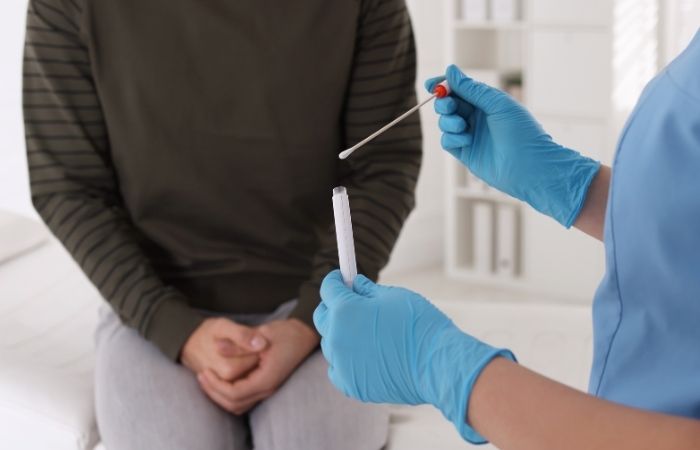
Testing remains the cornerstone of asymptomatic STI prevention and management. Since most of such infections are asymptomatic, testing provides the sure way of uncovering and treating them to avoid serious health complications and infection transmission to others.
Who Should Get Tested?
Sexually Active People: All sexually active individuals should consider regular STI testing, especially if they have multiple partners.
Pregnant People: Testing is routine in pregnancy for the health and well-being of the parent and the baby.
High-Risk Groups: Those who have had unprotected sex, used intravenous drugs, or have had exposure to sexually transmitted infections should test more often.
Advantages of Periodic Testing
Early Diagnosis: This leads to early treatment and avoids many complications, such as infertility or chronic pain.
Protection of Partners: Testing will protect your sexual partners from acquiring infections from you.
Peace of Mind: Knowing through regular screening that you do not have an unknown infection helps in being in control and promotes peace of mind regarding your health.
Available Testing Options
Modern technologies have made getting tested for STIs easier and more private than ever. You may opt for:
Clinic-Based Testing: Testing by a professional in a clinical setting, sometimes combined with counseling.
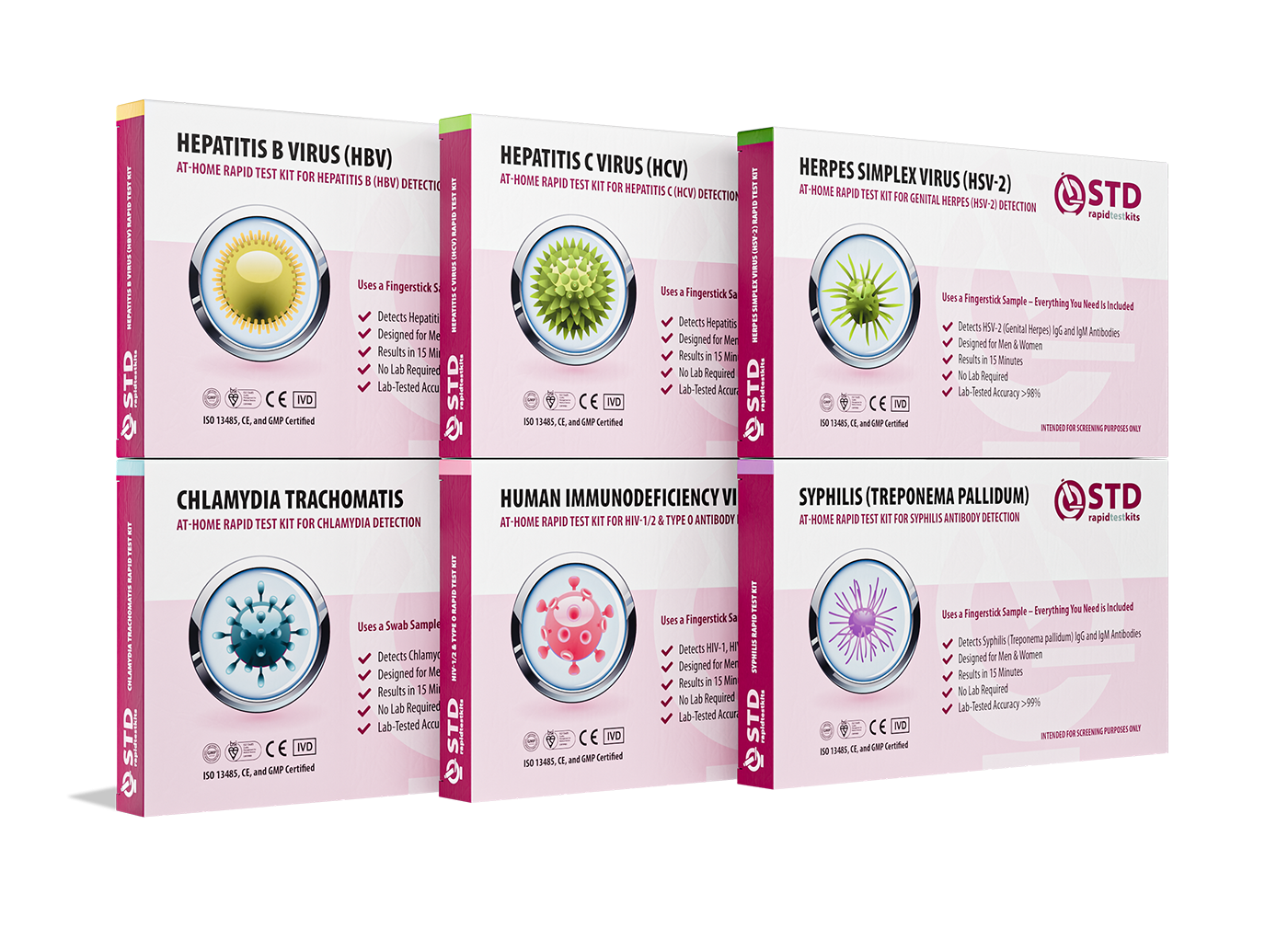
At-Home Test Kits: These are discreet and convenient for testing yourself from the comfort of your home for various STIs.
Community Resources: Testing is often free or low-cost in many communities through local public health clinics or organizations.
FAQ (10 Questions)
1. What is an asymptomatic STI?
Asymptomatic sexually transmitted infections mean that the infections don't exhibit any visible signs and symptoms; it doesn't mean that the complications due to these infections will not develop. These infections are still transmissible to sexual partners.
2. Why don't some diseases present symptoms?
The immune system may not detect some infections, or they don't create significant enough changes to seem to be an infection. Because of this, the infection can continue to stay latent.
3. How regularly should I get tested for STIs?
This is based upon your sexual behavior and your risk factors:
Sexually Active Individuals: At least annually.
Multiple Partners or Increased Risk: More frequently.
4. Are self-test kits for STIs reliable?
Most self-test kits are reliable and FDA-approved. However, confirmation testing in a clinic may be recommended for positive results.
5. What if an STI is left untreated?
Untreated STIs can cause severe health consequences, including infertility, chronic pain, cancer, and increased vulnerability to other infections.
6. Can you have more than one STD at one time?
Yes, you can have more than one STD at one time. This is why it is very important to get complete testing.
7. Are all STDs curable?
Some STDs, such as chlamydia and gonorrhea, are curable with antibiotics. Others, such as herpes and HIV, are not curable, although treatments exist to manage symptoms.
8. Can I get an STI if I am in a monogamous relationship?
While the risk is lower, it is still possible if one of the partners has a previously undiagnosed or untreated STI. Testing before becoming monogamous is recommended.
9. Is HPV just a woman's issue?
No, all genders are affected by HPV, which can cause cancers in men, such as throat and anal cancers. Vaccination is important for all.
10. How do I encourage a partner to get tested?
Be open about it, and frame it in terms of mutual care and responsibility. You might say that you would both go together for support.
Prevention Starts with You!
Asymptomatic STIs are hidden threats to sexual health, with consequences just as serious and silently spread. Knowing the risks, taking preventive measures, and committing to regular testing is the best way to keep yourself and your partners safe.
The most crucial step is creating awareness and taking proactive care to prevent the spread of asymptomatic STIs. Whether through clinic-based testing or the comfort and convenience of at-home test kits, taking responsibility for your sexual health is an assurance for all toward a healthier and safer future.
Remember, prevention starts with you, not symptoms. Take the test, stay informed, and prioritize your well-being.








 For Men & Women
 Results in Minutes
 No Lab Needed
 Private & Discreet