




What Does an HIV Rash Look Like?
A rash from HIV is a symptom of the infection, which most often appears during the beginning stages but it also significantly increases the risk for other skin disorders. The rash is generally discolo


 2091
2091Acute HIV infection, also called primary HIV or acute retroviral syndrome, is the earliest phase of HIV. It begins when the virus first enters your bloodstream and starts replicating like wildfire, usually within 2 to 4 weeks after exposure. This is your body’s first “holy sh*t” response to something it’s never seen before.
At this stage, your immune system is scrambling to fight off the virus, which can trigger a range of symptoms that look suspiciously like the flu or mono. That’s exactly why so many people miss it. They ride it out with DayQuil and denial, never realizing what’s really happening inside.

Here’s the thing, acute HIV symptoms aren’t always dramatic. Some people get a raging fever and rash; others barely feel sick at all. But there are patterns, and if you’re paying attention, you can catch them. These symptoms usually hit 2 to 4 weeks after exposure and can last up to 2 weeks.
Common symptoms during acute HIV infection include:
These symptoms mimic other illnesses, strep, mono, the flu, which is why acute HIV often slips through the cracks. But unlike those other bugs, HIV doesn't just go away. If untreated, it silently shifts into the chronic stage, damaging your immune system over time.
HIV spreads through specific body fluids, blood, semen, vaginal fluids, rectal fluids, and breast milk. The most common ways it enters are:
Once HIV enters the bloodstream, it targets CD4 cells (the good guys of your immune system). The virus multiplies rapidly, reaching very high viral loads. This is when you are most contagious, even though standard HIV tests might still show negative.
This is what’s known as the HIV window period. It’s the scariest paradox: you can be infected and infect others without even knowing. That’s why early testing options, like the HIV rapid test kit, are so important, they help bridge that diagnostic gap faster.
 For Men & Women
 Results in Minutes
 No Lab Needed
 Private & Discreet
Order Now $33.99 $49.00
One of the most confusing, and emotionally brutal, parts of acute HIV is the testing timeline. You can feel every textbook symptom and still test negative in the early weeks. That’s the cruel twist of the HIV window period: your body knows something is wrong, but standard antibody tests might not catch it yet.
During this period, the virus is detectable only by nucleic acid tests (NAT) or combination (4th generation) tests that pick up both HIV antibodies and p24 antigens. These are more sensitive than older tests, but even they have a window. For most people, accurate results appear around:
If you test too early, a false negative can give you false peace of mind, and risk others’ health too. That’s why repeat testing is critical if you think you’ve been exposed. Home options like the HIV Home Test make this easier without navigating clinic waits or judgment.
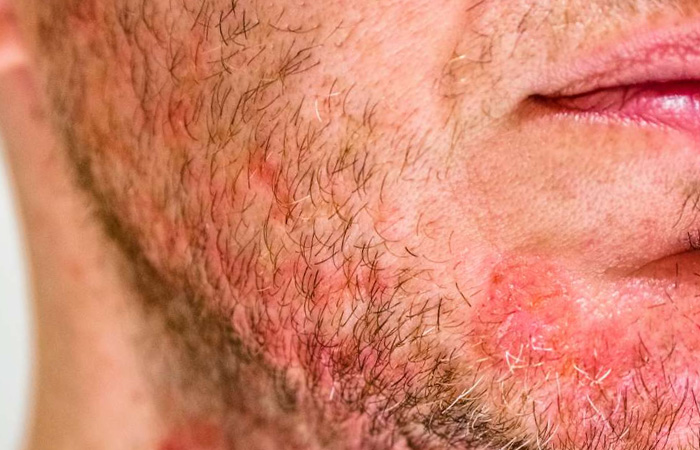
If there’s one symptom that raises the most questions, it’s the rash. Many people don’t expect HIV to show up on their skin, but it often does, especially in the acute phase. The HIV rash usually appears as flat or slightly raised red areas, mostly on the chest, back, or upper limbs. It doesn’t itch like eczema or look like acne, it just shows up, quietly defiant.
What makes it confusing? You could easily mistake it for heat rash, an allergic reaction, or side effects of antibiotics. That’s why this symptom, like so many others in the acute stage, is best understood in the context of other symptoms and recent risk.
Let’s talk honestly: getting sick with acute HIV is more than a medical event, it’s a mental reckoning. Some people experience panic attacks, insomnia, or overwhelming guilt during this stage. Others dissociate, bury their fears, or spiral into compulsive Googling.
All of that is normal.
The early phase of HIV often brings an emotional tsunami. The body is fighting an invisible war, and the brain is racing to process what it means for sex, identity, relationships, and life itself. That’s why trauma-informed care matters. Nobody should have to navigate this alone, especially not in silence.
Remember, treatment today means living a full life with HIV. But the sooner you know, the more choices you have, medically and emotionally.
“I was 25, single, and had just moved to Chicago. Hooked up with a guy I met at a club, condoms were involved, but there was a slip. Two weeks later I had a fever I couldn’t shake, a rash on my chest, and night sweats so bad I thought it was food poisoning. My doctor thought it was mono. I only tested positive on the second try, four weeks later.”
– Daniel, 29, HIV Positive for 4 Years
His story is more common than you'd think. Acute HIV symptoms aren’t rare, they’re just rarely recognized. Knowing what to look for can make the difference between early treatment and months (or years) of unknowing spread.
Once diagnosed, treatment should begin immediately, even during acute infection. Modern antiretroviral therapy (ART) is so effective that many people achieve undetectable viral loads within weeks. That means no symptoms, no transmission, and long, healthy lives.
Starting treatment early during acute HIV also:
It also changes the emotional game. Getting a diagnosis in the acute phase means you're taking charge early, when it still feels scary but is most actionable.
There’s no cure for HIV, but there is control. And control starts with knowledge, then action.
 For Men & WomenResults in MinutesNo Lab NeededPrivate & Discreet
Order Now $119.00 $294.00
Let’s bust a few myths that still ruin lives:
The truth is: HIV is a virus, not a judgment. And early HIV is treatable, manageable, and survivable, with the right support.
1. Can you feel HIV symptoms right away?
Not always. Some people feel flu-like symptoms within 2–4 weeks, while others feel nothing at all. That’s why testing, not guessing, is critical.
2. What is the window period for HIV testing?
It’s the time after exposure when HIV might not show up on tests. This can last from 10 days to 3 months depending on the test type.
3. How contagious is acute HIV?
Extremely. Viral load is highest during this stage, making it the most infectious period, even if you test negative initially.
4. Can you have a rash with no other symptoms?
Yes, the HIV rash can appear alone. It’s usually flat or slightly raised, red, and doesn’t itch like common rashes.
5. Does acute HIV go away on its own?
Symptoms may disappear, but the virus doesn’t. It simply transitions into chronic HIV unless treated with antiretroviral therapy.
6. What if I had a negative test but still feel sick?
Retest. If you're within the window period, that first test might have missed the virus. Go with a 4th generation or NAT test if possible.
7. Is it possible to have HIV and not know it for years?
Yes. Many people live with undiagnosed HIV for years because early symptoms can be missed or mistaken for other illnesses.
8. Can I use an at-home test for acute HIV?
Yes, but timing matters. Use a reliable kit like the HIV Home Test and repeat after the window period for accuracy.
9. Will I die if I have acute HIV?
No. With early diagnosis and treatment, people with HIV can live long, healthy lives. Early action is key to managing the virus.
10. Can acute HIV mimic other STDs?
Yes. It can look like mono, flu, or even Syphilis. The only way to know for sure is to get tested, ideally with a combo STD test kit.
If you’re reading this because you feel off, had a recent exposure, or just have that gut feeling something’s wrong, listen to it. HIV doesn’t always knock loudly. Sometimes it whispers through fatigue, a weird rash, or a sore throat that overstays its welcome.
Don't let shame, fear, or confusion keep you from acting. HIV is not a death sentence, it’s a diagnosis, and today, it's one you can manage from day one.
The window period can be confusing. You deserve peace of mind. Try this discreet, lab-accurate HIV test you can do at home.
1. HIV/AIDS – Symptoms and Causes (Primary or Acute HIV Infection) – Mayo Clinic
2. The Stages of HIV Infection – NIH / HIVinfo
3. Acute HIV Infection – ADA (American Dental Association) Overview of Symptoms
4. Diagnosis and Management of Acute HIV Infection – NCBI / StatPearls
5. Signs and Symptoms of HIV/AIDS (Acute HIV Infection) – Wikipedia
Next Story

 Fast discreet shipping
 Instant results
 No lab required