






Last updated: April 2026
Yes, syphilis can affect your eyes, and the Michigan cluster shows exactly how this happens. The infection can spread through the bloodstream and inflame eye tissues, leading to vision problems. This is why at-home STD testing, especially using a blood test for syphilis at the right time, is critical for catching the infection before complications like eye damage develop.
The recent Michigan report brings attention to something most people do not realize: syphilis is not limited to genital symptoms. In these cases, women developed eye infections that could have been mistaken for routine eye issues. By using this report as a starting point, this guide breaks down what is actually happening in the body, why these symptoms occur, and how at-home testing fits into catching infections early, before they escalate into something more serious.
Syphilis can absolutely affect your eyes, and when it does, it is usually because the infection has already moved beyond its early stages. The bacteria responsible for syphilis can travel through your bloodstream and reach different parts of the body, including the eyes. If not treated right away, it can cause inflammation that makes your vision blurry, hurts, or even causes permanent damage.
People are also reading: HIV Treatments in 2025: The New Discoveries That Are Making a Difference
What Happened in the Michigan Syphilis Cluster?
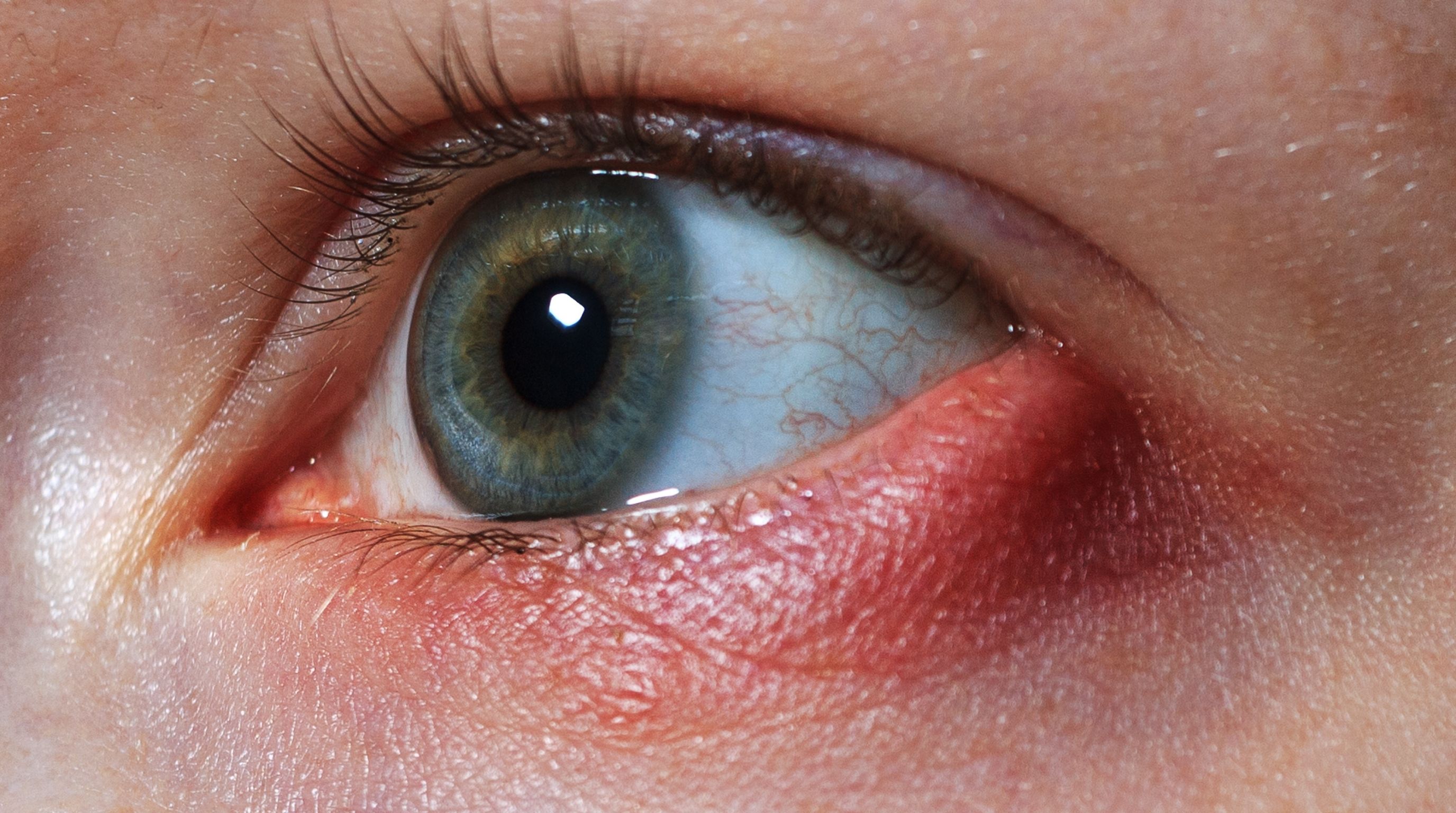
Five women in Michigan who had serious eye problems were found to have syphilis. This situation is unusual not only because of the number of cases, but also because of how the infection showed up. These cases didn't show the typical early signs of syphilis; instead, they showed up as eye infections, which most people wouldn't think of as a sexually transmitted infection right away.
Imagine noticing that your vision suddenly feels off. Maybe things look slightly blurry, or your eyes feel irritated in a way that does not go away with rest or basic eye drops. For many people, the first instinct is to assume it is screen fatigue, allergies, or a minor infection. That is exactly why cases like this can slip under the radar, because the symptoms do not match what people expect from an STD.
From a public health standpoint, clusters like this are important because they show how infections are really acting in the real world. Syphilis rates have been rising in recent years, and strange symptoms like eye involvement bring up an important point: people may be infected but not realize it soon enough to get tested. The CDC says that syphilis can go through several stages, and the symptoms can change a lot over time. This is why it's so important to find it early.
Can Syphilis Really Affect Your Eyes?
Yes, and this is where things get more serious than most people expect. When syphilis affects the eyes, it is referred to as ocular syphilis. This happens when the bacteria Treponema pallidum spreads through the blood and gets to the eye, causing inflammation in parts of the eye that are important for seeing.
This problem can't be fixed quickly. The swelling can reach deeper parts of the eye, such as the retina and optic nerve. When these areas are affected, people may have blurry vision, eye pain, sensitivity to light, or even loss of part of their vision. The NCBI says that ocular syphilis is a type of neurosyphilis, which means that the infection has spread to the nervous system.
One of the most annoying things about ocular syphilis is how easy it is to get wrong. Most people don't immediately think "STD" when they see red or painful eyes. Instead, it blends in with common problems like dry eye or conjunctivitis. This disconnect between symptoms and causes is exactly why infections can get worse before they are properly diagnosed.
| Symptom | Possible Interpretation Without Testing |
|---|---|
| Blurred vision | Eye strain or screen fatigue |
| Eye redness | Allergies or conjunctivitis |
| Eye pain | Dry eye or minor irritation |
| Light sensitivity | Migraine or fatigue |
| Vision changes | Prescription change needed |
The main difference is what's going on underneath. In ocular syphilis, these symptoms result from a bacterial infection and the body's immune response, rather than mere surface irritation. Without testing, there is no sure way to tell the difference, which is why people often guess based on symptoms and end up going the wrong way.
How Syphilis Spreads Through the Body (And Reaches the Eyes)
To understand how syphilis affects the eyes, you need to know how the infection spreads through the body. Syphilis starts when you come into contact with it, usually through tiny breaks in the skin or mucous membranes during sexual contact. After that, the bacteria doesn't stay in one place; it gets into the bloodstream and starts to spread.
This spread happens in stages. In the early stage, a painless sore may appear at the site of infection. As the bacteria continue to multiply and circulate, the infection moves into the secondary stage, where it can cause rashes, flu-like symptoms, and systemic involvement. If it is not detected and treated, it can progress further into latent and later stages, where complications become more serious.
Ocular involvement can occur when the bacteria reach the tissues of the eye and trigger inflammation. This is not random, it is a result of the infection becoming systemic. In some cases, this progression can take weeks to months, depending on the individual and how the infection develops. The important takeaway is that by the time eye symptoms appear, the infection is already beyond the earliest stage, which makes timely testing even more important.
For many people, the timeline is where confusion sets in. You might feel completely fine after a sexual encounter, only to notice unusual symptoms later that do not seem connected. That delay is built into how syphilis works biologically. The bacteria can be present and active before your body produces enough detectable markers for a test, or before symptoms become obvious. This is why understanding testing windows is not just helpful, it is essential for getting accurate answers.
Check Your STD Status in Minutes
Test at Home with Remedium6-in-1 STD Test Kit
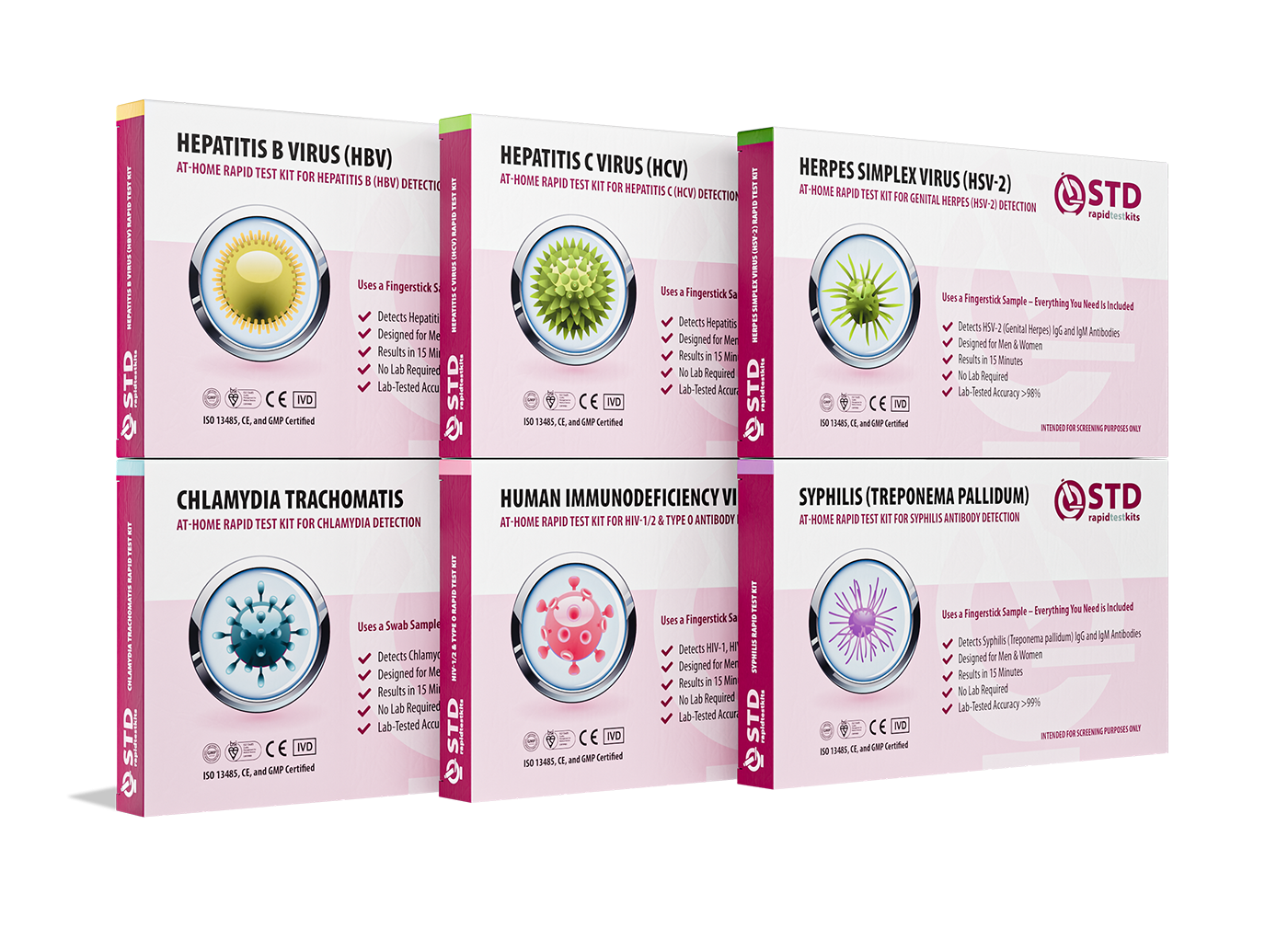
 For Men & Women
 Results in Minutes
 No Lab Needed
 Private & Discreet
Order Now $119.00 $294.00
For all 6 tests
When and How to Test for Syphilis (At-Home Options Explained)
This is the part most people get wrong, not because they are careless, but because no one really explains it clearly. If you are relying on symptoms alone, especially something unexpected like eye irritation, you are already behind the infection timeline. Testing is what gives you a real answer, and with syphilis, the type of test and the timing both matter a lot more than most people realize.
Syphilis is detected using a blood test, which looks for antibodies your immune system produces in response to the bacteria. This is important: the test is not looking for the bacteria directly, but for your body’s reaction to it. That means there is a built-in delay between exposure and when a test can reliably detect the infection. Testing too early can give you a negative result even if the infection is already present.
This is where at-home testing becomes incredibly useful. Instead of waiting for symptoms to become obvious, or worse, escalate into something like ocular involvement, you can test on your own timeline with privacy and speed. You can explore reliable options like a full std test kit. For many people, this removes the hesitation that delays testing in the first place.
Here are the exact testing windows you need to follow for accurate results:
- Chlamydia: test from 14 days after exposure
- Gonorrhea: test from 3 weeks after exposure
- Syphilis: test from 6 weeks after exposure
- HIV: test at 6 weeks for first indicator, retest at 12 weeks for certainty
- Herpes HSV-1 and HSV-2: test from 6 weeks after exposure
- Hepatitis B: test from 6 weeks after exposure
- Hepatitis C: test from 8–11 weeks after exposure
| Infection | Earliest Accurate Testing Time |
|---|---|
| Chlamydia | 14 days after exposure |
| Gonorrhea | 3 weeks after exposure |
| Syphilis | 6 weeks after exposure |
| HIV | 6 weeks (first test), 12 weeks (confirmation) |
| Herpes HSV-1 & HSV-2 | 6 weeks after exposure |
| Hepatitis B | 6 weeks after exposure |
| Hepatitis C | 8–11 weeks after exposure |
What a negative result means: If you test at or after the correct window period and receive a negative result, it means your body has not produced detectable antibodies for that infection. In practical terms, this strongly indicates you are not infected. However, if you test too early, before the 6-week mark for syphilis, the result may be a false negative because your immune system has not fully responded yet.
What a positive result means: A positive result means your body has produced antibodies to the infection, confirming that syphilis is present. At that point, the next step is medical follow-up for confirmation and treatment. The key advantage of early detection is that it prevents progression into more serious stages, including complications like ocular involvement.
When to retest (and why it matters): If your first test happens before the 6-week window, or if there is ongoing risk, retesting is necessary because of how the immune response develops over time. This is not guesswork; it is biology. Your body needs time to produce measurable antibodies, and testing too early can miss an active infection. Retesting ensures you are not relying on incomplete information.
Testing is the fastest way to stop the guessing game. Whether you are dealing with obvious symptoms or something as unexpected as eye irritation, having a clear result changes everything, from uncertainty to action.
Why Eye Symptoms Can Be Missed or Misdiagnosed
One of the biggest reasons clusters like the Michigan cases happen is simple: the symptoms do not look like what people expect from an STD. When your eye feels irritated or your vision seems slightly off, your brain does not jump to “this could be syphilis.” It goes to far more familiar explanations, long screen time, allergies, or maybe a mild infection.
Picture this: you wake up, and your eye feels uncomfortable. Maybe it is slightly red, maybe your vision is just a bit blurry. You rinse it, use over-the-counter drops, and expect it to improve. Days pass, and it does not fully resolve. At no point does it feel like something related to sexual health. That disconnect is exactly what allows infections like ocular syphilis to move forward without being caught early.
Clinically, the issue is that ocular syphilis mimics other conditions extremely well. It can resemble conjunctivitis, uveitis, or general inflammation. Without considering sexual health as part of the picture, and without testing, it is easy to treat the symptom without identifying the underlying cause. According to the CDC, ocular syphilis can occur at any stage and requires prompt diagnosis to prevent long-term damage.
This is where awareness changes outcomes. The goal is not to assume every eye issue is an STD, that would create unnecessary panic. The goal is to recognize when something does not fully add up, especially if there has been a recent sexual exposure. That is the moment where testing shifts from optional to essential.
People are also reading: Chlamydia Swab Tests Explained: Accuracy, Pain, and Home Kit Options
What Happens If Ocular Syphilis Goes Untreated?
When ocular syphilis is not identified and treated, the problem is not just discomfort, it is ongoing inflammation in tissues that are critical for vision. The immune response triggered by the infection can damage structures like the retina or optic nerve. Once those areas are affected, the consequences become more serious and, in some cases, harder to reverse.
The change doesn't happen all at once, but it does happen slowly. If you don't treat the infection, what starts out as a small problem with your vision can become a bigger one. This is why timing is so important. The sooner the infection is found, the better the chances of stopping damage that lasts a long time.
In the Michigan cluster, the seriousness of the cases highlights exactly this point. These weren't just little annoyances; they were infections that got so bad that they affected vision. That doesn't mean this result is certain, but it does show what can happen if the infection isn't caught early on.
The important takeaway is not fear, it is clarity. Ocular complications are preventable with timely detection. Once you understand that symptoms can appear outside of the genital area, it becomes much easier to recognize when something deserves a closer look.
Who Is Most at Risk (And Why This Cluster Matters)
One of the biggest misconceptions about syphilis is that it only affects certain groups of people. The reality is much simpler, and more important to understand. Anyone who is sexually active can be exposed, especially if testing is not happening regularly. The Michigan cluster stands out not because it involved a rare group, but because it shows how easily infections can move through everyday sexual networks without being noticed right away.
Syphilis spreads through direct contact with a syphilis sore, which can be located in areas that are not always visible or noticeable. Because these sores are often painless, people can carry and transmit the infection without realizing it. From there, the bacteria enter the bloodstream and begin moving through the body. This is why symptoms can show up in places that feel completely unrelated to sexual activity, like the eyes.
From a public health point of view, groups like this are more likely to show a chain of transmission than single cases. One person unknowingly gives the infection to another, and the cycle goes on. The World Health Organization (WHO) says that syphilis rates are going up around the world. This means that unusual symptoms, like those that affect the eyes, are likely to become more common because there are more infections happening in general.
This is why the Michigan cases matter beyond just those five individuals. They highlight a pattern: infections are not always obvious, symptoms are not always typical, and waiting for something “clearly wrong” before testing can delay detection. The takeaway is not that syphilis is unpredictable, it is that it follows a biological process that does not always match what people expect to see.
Check Your STD Status in Minutes
Test at Home with Remedium7-in-1 STD Test Kit
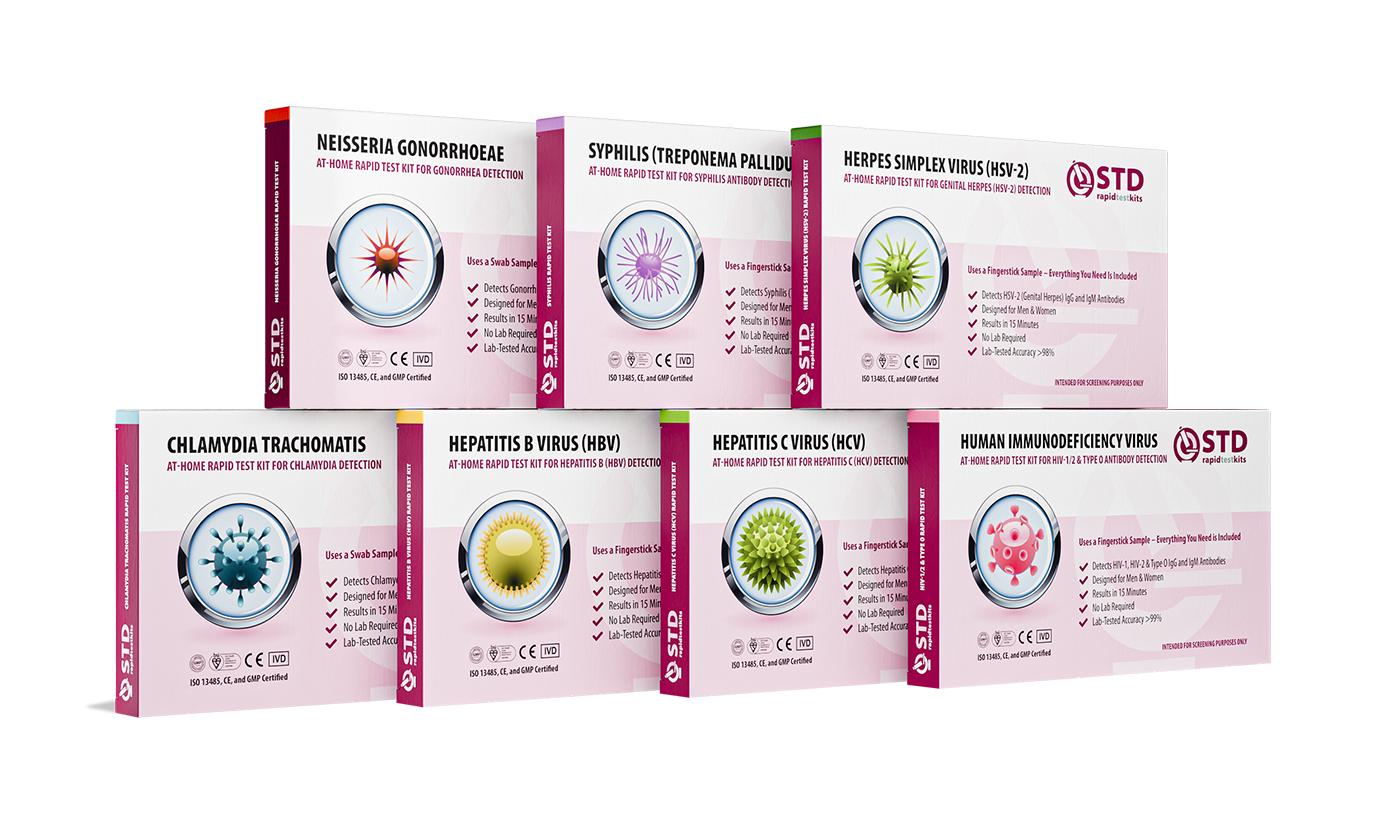 For Men & WomenResults in MinutesNo Lab NeededPrivate & Discreet
Order Now $129.00 $343.00
For all 7 tests
How to Protect Yourself and Catch Syphilis Early
If there is one consistent theme in cases like this, it is that early detection changes everything. The difference between a manageable infection and a more serious complication often comes down to timing, specifically, whether the infection is identified before it has a chance to spread through the body.
Protection starts with understanding risk in a realistic way. You do not need to assume the worst after every sexual encounter, but you also should not rely on symptoms as your only signal. Many people with syphilis do not notice the early signs at all, or they dismiss them as something minor. That gap between exposure and awareness is where testing becomes essential.
This is where at-home testing fits naturally into real life. You can take charge of the timeline instead of waiting for symptoms to show up or trying to figure out what vague signs like eye irritation mean. For a lot of people, this takes away the fear of making appointments or having awkward conversations before they are ready.
Early testing does not just provide peace of mind, it actively prevents complications. When syphilis is detected in its earlier stages, it can be addressed before it progresses to systemic involvement, including the eyes. That is the real takeaway from the Michigan cluster: not that the situation was extreme, but that it was preventable with earlier detection.
FAQs
1. Wait… syphilis can actually affect your eyes?
Yeah, it can, and that’s exactly what makes cases like the Michigan cluster so eye-opening (no pun intended). Once syphilis gets into your bloodstream, it doesn’t stay in one place. It can reach the eyes and trigger inflammation that messes with your vision.
2. What would that even feel like in real life?
It usually doesn’t feel dramatic at first. Think slightly blurry vision, maybe some eye discomfort, maybe light feels harsher than usual. The tricky part is it feels like something normal, like screen fatigue or irritation, not something you’d immediately link to an STD.
3. So how would I know it’s not just allergies or dry eyes?
Honestly? You can’t tell just by looking at it. That’s the frustrating part. Ocular syphilis can mimic really common eye issues. The difference is what’s causing it underneath, and the only way to confirm that is through testing, not guesswork.
4. How long after sex would something like this show up?
Not right away. Eye involvement usually happens after the infection has already been in your system for a while. We’re talking weeks to months, depending on how things progress. That delay is exactly why people don’t connect the dots.
5. If I feel fine overall, could I still have syphilis?
Yes, and this happens more often than people think. Early signs can be mild, hard to notice, or easy to ignore. People who don't notice anything until later stages are why testing is important even if you feel "normal."
6. What kind of test actually detects syphilis?
It's a test of blood. It looks for the antibodies that your body makes when you are sick. This is important because it means that your body needs time to react before the test can find it.
7. Okay, so when should I actually take the test?
For syphilis, the key number is 6 weeks after exposure. That’s when the test becomes reliable. Testing earlier might give you a false negative, not because you’re fine, but because your body hasn’t produced enough antibodies yet.
8. What if I test too early and it’s negative?
Then you retest. Simple as that. This isn’t a failure, it’s just how biology works. If you tested before the 6-week mark, you’ll want to test again at the correct time to get a clear answer.
9. If it comes back positive, what does that actually mean for me?
It means the infection is confirmed, and now you can deal with it properly. The upside? Catching it earlier dramatically reduces the risk of complications, like the eye issues seen in the Michigan cases.
10. Be honest, should I test if something just feels “off,” even if it’s my eyes?
If there’s been recent sexual exposure and something doesn’t quite add up, testing is a smart move. It doesn’t mean you definitely have an STD, it just means you’re choosing clarity over guessing, which is always the better play.
People are also reading: At-Home STD Tests vs Doctor Visits, What’s Better, Faster, and More Reliable?
Take Control of Your Sexual Health Today
If there is one clear takeaway from the Michigan syphilis cluster, it is this: symptoms do not always show up where you expect them. Waiting for something obvious can delay answers, while testing gives you clarity much earlier in the process.
You can explore reliable at-home options like the Syphilis Rapid Test Kit or choose broader coverage with combination kits that check for multiple infections at once. These options are designed to give you fast, private results so you can move forward with confidence.
For a full range of testing options, visit STD Rapid Test Kits and take the next step toward clarity and peace of mind.
How We Sourced This: Our article was constructed based on current advice from the most prominent public health and medical organizations, and then molded into simple language based on the situations that people actually experience, such as treatment, reinfection by a partner, no-symptom exposure, and the uncomfortable question of whether it “came back.” In the background, our pool of research included more diverse public health advice, clinical advice, and medical references, but the following are the most pertinent and useful for readers who want to verify our claims for themselves.
Sources
6. CDC – Syphilis Treatment Guidelines
7. NCBI – Syphilis (StatPearls Clinical Overview)
About the Author
Dr. F. David, MD is a board-certified infectious disease specialist focused on STI prevention, diagnosis, and treatment. He writes with a direct, sex-positive, stigma-free approach designed to help readers get clear answers without the panic spiral.
Reviewed by: Rapid STD Test Kits Medical Review Team | Last medically reviewed: April 2026
This article is for informational purposes and does not replace medical advice.


