At-Home STD Tests vs Doctor Visits: What's Better, Faster, and More Reliable?
At-home STI testing is one of the fastest-growing options in sexual health, but is it actually as reliable as a clinic visit? This guide breaks down the real differences in speed, privacy, accuracy, and cost, explains why timing matters more than location, and helps you pick the approach that fits your situation.
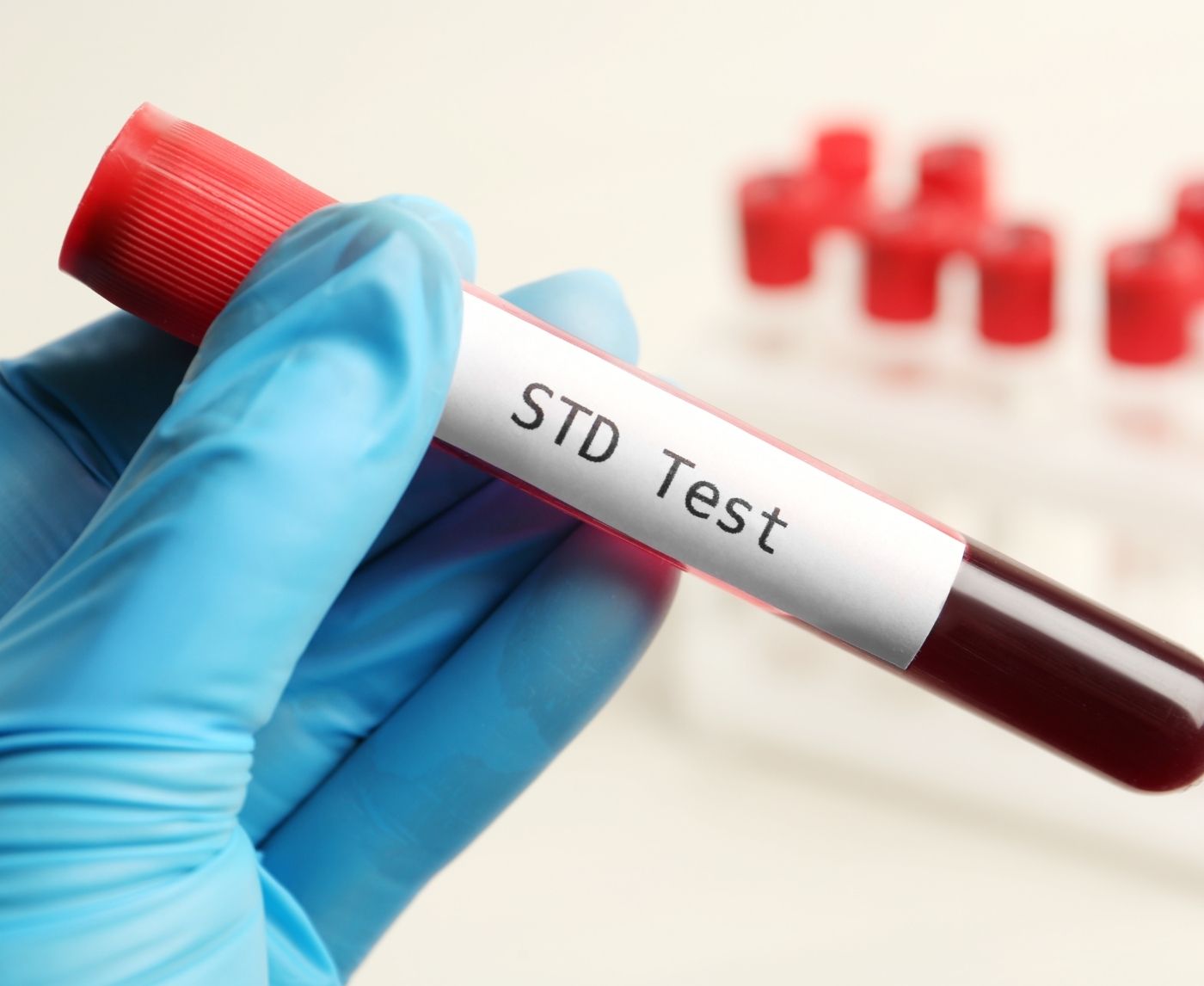



- At-home rapid STI kits use the same lateral-flow chemistry as many clinic point-of-care tests; accuracy depends far more on testing within the correct window period than on whether you bought the kit or sat in a clinic waiting room.
- Symptoms like sores, unusual discharge, pelvic pain, or visible lesions warrant an in-person clinic visit. A test result alone won't replace what a clinician can see, examine, and contextualize.
Published: November 2025 | Last updated: May 2026 | Editorial review and quality control: Martina N.
The shift toward at-home STI testing comes down to one thing: people want faster answers without the friction of clinic appointments, waiting rooms, or face-to-face conversations about their sex lives. The harder question is whether home testing actually delivers the same answer a clinic would. The honest answer depends on three things: which infection you're worried about, how long ago you were exposed, and whether you have visible symptoms right now.
Both approaches can give a trustworthy result. Both can also mislead you if the timing is wrong. This guide walks through what actually differs between the two, what stays the same, and when each option is the right starting point.
Key Takeaways
- At-home rapid STI kits use the same lateral-flow chemistry as many clinic point-of-care tests; accuracy depends far more on testing within the correct window period than on whether you bought the kit or sat in a clinic waiting room.
- Symptoms like sores, unusual discharge, pelvic pain, or visible lesions warrant an in-person clinic visit. A test result alone won't replace what a clinician can see, examine, and contextualize.
Why More People Are Choosing At-Home STI Testing
The growth of at-home testing isn't random. Three factors drive it: scheduling friction at clinics, the residual stigma around sexual-health conversations, and a simple desire for control over when and where personal medical decisions happen. The World Health Organization estimates over one million STIs are acquired daily worldwide, and a large share go undiagnosed because people don't get tested. Removing friction matters.
Convenience is the surface reason. The deeper one is psychological. Many people delay testing for weeks because the act of booking, attending, and explaining why they're there feels harder than living with the uncertainty. At-home kits dissolve that barrier. You order, sample, wait the appropriate window, and act on the result without anyone outside your home knowing.
There's a practical access angle too. People without flexible employer health insurance, those between providers, or those in rural areas with limited sexual-health clinic options have always faced disproportionate testing barriers. At-home kits flatten that geography. The mail reaches everyone the same way the internet does.
More than 1 million curable sexually transmitted infections are acquired every day worldwide, the majority of which are asymptomatic.
At-Home STD Tests vs Doctor Visits: What's Actually Different?
Both options accomplish the same biological task: detect a specific pathogen or the body's immune response to it. What differs is who collects the sample, where the test runs, and how soon you see the result.
At a clinic, a clinician or nurse collects the sample (urine, swab, or fingerstick) and either runs a rapid test in-house or sends it to a laboratory. Results typically come back in one to three days for lab-processed tests, though some clinics offer rapid HIV and syphilis tests with same-visit results.
At home, you collect the sample yourself by following the kit's instructions. Rapid lateral-flow kits process the sample on the spot and show a result in roughly fifteen minutes. That is the same chemistry used in many point-of-care clinic tests. Mail-back kits send your sample to a contracted laboratory, with online results in two to five business days.
This is where the most common misconception breaks down: the chemistry isn't always inferior. Lab-based home kits often use the same nucleic acid amplification testing (NAAT) platforms that clinic labs use. The difference is the collection step, not the analysis. Per CDC chlamydia treatment guidelines, NAAT remains the most sensitive laboratory method for detecting chlamydia and gonorrhea, regardless of who collected the sample.
| Factor | At-Home Test | Clinic Visit |
|---|---|---|
| Sample collection | Self-collected (swab, urine, or fingerstick) | Collected by a clinician |
| Privacy | High; sample never leaves home for rapid tests | Moderate; clinic intake and in-person discussion |
| Time to start | Minutes after kit arrives | Days, depending on appointment availability |
| Time to result | About 15 minutes (rapid) or 2 to 5 days (mail-in) | Same visit (rapid) or 1 to 3 days (lab) |
| Cost without insurance | Roughly $25 to $150 per kit | $0 to $300+ depending on clinic |
| Best for | Routine screening, window-period testing, peace of mind | Active symptoms, complications, follow-up care |
| Physical exam included | No | Yes when relevant |
Are At-Home STD Tests as Accurate as Clinic Tests?
Short answer: yes, when used correctly and at the right time. Longer answer: accuracy depends on three variables that have nothing to do with where you bought the kit.
The first variable is the test technology. Rapid lateral-flow tests (the kind that show a colored line in about 15 minutes) use antibody or antigen detection, similar in mechanism to a pregnancy test. Most current lateral-flow kits are validated for high sensitivity when used within the correct window period; check each kit's package insert for the declared sensitivity and specificity figures. Lab-based home kits using NAAT typically perform at sensitivities equivalent to clinic NAAT tests for chlamydia and gonorrhea, consistent with CDC chlamydia screening recommendations.
The second variable is sample quality. In a clinic, a trained nurse or clinician knows how to swab the right tissue, how deep to insert, and how long to rotate. At home, those steps depend on you reading the instructions and not rushing. Most kits are explicit and well-designed, but a poorly collected sample can produce a false negative regardless of which lab analyzes it.
The third variable, and the most important one, is timing. This is where most negative-result false reassurance comes from. The infection has to be detectable, which means bacteria need time to multiply or your immune system needs time to produce antibodies. Test before that, and even the best lab in the country will show a clean result.
So when someone asks if at-home tests are reliable, the honest answer is that the chemistry is reliable. Reliability of the result depends on testing inside the window and collecting the sample properly. Miss either and the result has no diagnostic value, regardless of which lab ran the test.
This site sells the rapid at-home kits referenced below; product links in this article go to our own catalog.
When to Test: The Window Periods That Actually Matter
The single biggest source of misleading at-home test results isn't the kit. It's testing too soon after exposure. After an exposure event, infections don't become detectable immediately. Bacteria need time to replicate to a level the test can pick up. Viruses trigger antibody responses that take weeks to develop. Testing before those processes complete returns a negative result that doesn't mean what most people think it means.
For a known high-risk exposure (for example, a partner who has just tested positive for HIV), see a clinician immediately rather than waiting on a home kit. HIV post-exposure prophylaxis is time-sensitive and must be started within 72 hours, ideally sooner.
The windows below are based on current CDC and NHS guidance. They apply equally to at-home and clinic tests because biology doesn't care where the sample was collected. If you test inside the window because anxiety can't wait, treat the result as preliminary and retest at the proper time.
- Chlamydia: from 14 days after exposure
- Gonorrhea: from 14 to 21 days (about 3 weeks) after exposure
- Syphilis: 3 to 6 weeks for treponemal tests; retest at 12 weeks if testing early
- HIV (antibody-only rapid tests): 23 to 90 days; retest at 12 weeks for full certainty per CDC HIV testing guidance
- HIV (fourth-generation Ag/Ab lab tests): as early as 18 to 45 days
- Herpes (HSV-1 and HSV-2 antibody tests): typically 6 to 12 weeks for antibodies to develop, with some people seroconverting later
- Hepatitis B: 6 weeks for surface antigen detection
- Hepatitis C: 8 to 11 weeks for antibody detection
What Negative and Positive Results Actually Mean
A negative result on a properly timed test means no detectable infection markers at that point in time. It's reliable evidence for the infection you tested for, in the window you tested in. It doesn't rule out infections you didn't test for, or exposures that happened after the sample was collected.
A negative result on an early test (inside the window period) is different. It doesn't mean you're clear. It means the body hasn't generated enough detectable signal yet. The correct interpretation is "retest at the proper window," not "I'm fine."
A positive result is rarely a false alarm on a reputable kit, but every reputable testing protocol recommends confirmation. For at-home rapid tests in particular, the standard next step is to see a clinician for a confirmatory lab test (typically NAAT for bacterial infections, differential antibody or viral-load testing for HIV, RPR confirmation for syphilis). This isn't doubt about your kit. It's how every diagnostic pipeline works, including the one running in the clinic itself.
Treatment for bacterial STIs is almost always straightforward once a confirmed diagnosis is in hand. Chlamydia and gonorrhea respond to short antibiotic courses. Syphilis is treated with penicillin. The hepatitis B/C and HIV pathways are longer but well-mapped. For most people, getting to a confirmed diagnosis is the harder step, and the treatment that follows is well-established.
A negative result inside the window period means retest at the correct time. It does not mean you are clear. Only a negative result obtained after the full window period is reliable evidence of no infection.
Speed, Privacy, and the Friction Problem
For most people the choice between home and clinic comes down to friction, not test specifications. A clinic visit involves scheduling, travel, intake forms, the conversation with reception about why you're there, the wait, the appointment, and the wait for results. Most of that is invisible on the test report at the end. All of it is visible when you're trying to decide whether to act on a worry on a Tuesday evening.
An at-home kit collapses the timeline to: order, wait for delivery, sample yourself, wait for result. For rapid kits the entire process can take less than a week from worry to answer. For mail-in lab kits, the lab processing happens in parallel with the wait a clinic visit would have involved. In many markets, where appointment wait times of several days are common, total elapsed time to clarity can favor home testing even when the lab step is identical.
Privacy matters in less obvious ways. People who live with parents, share insurance with a partner, or work in environments where a clinic visit might raise questions often delay testing for weeks because the visit itself is the obstacle. Home testing turns the decision into a private one. That privacy serves a practical function: it removes reasons to procrastinate on something that needs to happen.
There's an asymmetry here worth naming. Clinics are excellent when you know you need clinical input. Home tests are excellent when you know you need information. Most testing situations fall into the second category, which is part of why at-home demand is rising faster than clinic demand for routine screening.
Rapid at-home kit: result in about 15 minutes from sample collection, with no appointment to schedule.
Clinic lab test: result in 1 to 3 business days after the appointment, plus the wait to get an appointment in the first place.
When a Clinic Visit Is Still the Right Call
For all the advantages of at-home testing, there are situations where a clinic visit is the better starting point. Recognizing them matters more than splitting hairs on test accuracy.
Active symptoms are the clearest signal. Visible sores, unusual discharge, pelvic or testicular pain, painful urination, swelling, or a rash that wasn't there before all warrant in-person evaluation. A test can confirm or rule out a specific infection, but a clinician's examination can identify what a test alone won't catch: skin conditions misread as STIs, urinary tract infections, bacterial vaginosis, yeast overgrowth, or herpes outbreaks that need lesion swab PCR rather than antibody testing.
Known high-risk HIV exposures are another clinic situation. Post-exposure prophylaxis (PEP) is a 28-day antiretroviral course that significantly reduces HIV acquisition risk after an exposure, but it has to start within 72 hours of exposure, ideally within 24. That's a clinical decision and prescription, not a test result.
Throat or rectal exposures are a third case. The home kits sold on this site are validated for genital swab and fingerstick blood collection. Pharyngeal (throat) chlamydia or gonorrhea and rectal STIs require swabs of those specific anatomical sites, processed by labs equipped for them. If the exposure was specifically oral or anal, the right next step is a clinic that offers extragenital-site swabs, not a genital home kit being repurposed.
Pregnancy is the fourth. Multiple STIs can be transmitted to a developing fetus or during delivery, and any positive result during pregnancy needs clinical management rather than self-treatment. Most prenatal care already includes STI screening at the first visit; if the test was missed or if there's a new concern after that, it belongs in a clinic conversation, not a home kit.
Four situations call for an in-person clinic visit ahead of (or instead of) a home kit:
- Active symptoms: sores, unusual discharge, pelvic or testicular pain, new rash, or painful urination.
- Known high-risk HIV exposure within 72 hours: PEP is time-sensitive and requires a clinical prescription.
- Throat or rectal exposure: requires extragenital-site swabs that home kits on this site don't cover.
- Pregnancy: any new STI concern in pregnancy needs clinical management for fetal safety reasons.
The Real Decision Isn't Home vs Clinic
The framing "home vs clinic" is the wrong question. The right one is: do I need information right now, or do I need clinical evaluation right now? Most testing situations fall into the first category, and at-home kits handle that category well when the timing is correct. The smaller fraction involving symptoms, high-risk exposures, pregnancy, or extragenital sites benefits from a clinician's hands and eyes.
Most people will use both at different times. A new partner conversation gets a routine screening kit. A worrying symptom gets a clinic appointment. A high-risk exposure gets an immediate call to an urgent-care clinic for PEP. The two approaches cover different parts of the same problem.
Whatever you choose, two things matter more than the location of the test: doing it inside the right window period, and acting on the result. A negative test you treated as a guess does nothing for you. A positive test you ignored or never confirmed does nothing either. Acting on a properly timed result is where both home and clinic testing actually earn their value.
If you've decided routine at-home screening is the right starting point, kit selection comes down to what you want to cover. Single-infection kits work for targeted concerns. Multi-infection kits work when you want one decision to cover several possibilities. You can browse the full catalog on the STD Rapid Test Kits homepage.
Quick decision guide
- Asymptomatic routine screening, peace of mind after a new partner, or window-period retesting: an at-home rapid kit is well-suited.
- Visible symptoms (sores, unusual discharge, pelvic or testicular pain, new rash): start with a clinic visit for a physical exam.
- Known high-risk HIV exposure within 72 hours: go to an urgent-care clinic immediately for post-exposure prophylaxis. Don't wait on a home kit.

Frequently Asked Questions
- Are at-home STD tests as accurate as a clinic test?
- The chemistry is comparable when the at-home kit uses the same technology (lateral-flow rapid or lab-processed NAAT). Accuracy hinges on two things: testing inside the correct window period and collecting the sample properly. With both done right, results are close to what a clinic would deliver.
- How long after sex should I wait to test?
- The window varies by infection. Chlamydia and gonorrhea become detectable around two to three weeks, syphilis and HIV typically need 3 to 12 weeks depending on test type, and hepatitis C can take 8 to 11 weeks. Testing inside those windows risks a false negative regardless of where you test.
- Are rapid at-home tests less reliable than mail-in lab kits?
- Slightly, in some cases. Rapid lateral-flow tests can be marginally less sensitive than NAAT lab tests for very early or low-level infections. They're still valid screening tools when used at the right time, and they have the advantage of an immediate result with no shipping wait.
- What should I do if my at-home test comes back positive?
- See a clinician for a confirmatory test. This is standard protocol for every diagnostic pipeline, including the clinic's own. Confirmation is also the gateway to a treatment plan, which for bacterial STIs is usually a short antibiotic course.
- Can I test without symptoms?
- Yes. Most STIs produce no symptoms in the early stages, so you can feel completely normal and still have an infection. Routine testing is how you catch them before complications develop or before you pass anything to a partner.
- Are at-home STD tests private?
- Most retailers ship in plain packaging, and at-home kits paid out of pocket don't appear on insurance records. The result stays with you unless you choose to share it. This is one of the clearest advantages over clinic testing for people with privacy concerns.
- Should I always go to a clinic if I have symptoms?
- If you have visible sores, unusual discharge, pelvic pain, or a new rash, yes. A clinical exam adds information a test alone can't provide. At-home testing is best suited for asymptomatic screening and routine peace of mind. Symptoms need a clinician's eyes.
- How often should I be testing in general?
- Every 3 to 6 months if you have new or multiple partners. CDC recommends annual chlamydia and gonorrhea screening for sexually active women under 25 and for higher-risk groups. Long-term, mutually monogamous partners can test less frequently. Risk profile drives frequency more than any universal rule.
- U.S. Centers for Disease Control and Prevention. Overview of STI testing, sample types, and recommended screening pathways.
- World Health Organization. Fact sheet on sexually transmitted infections, including global burden estimates and screening guidance.
- NHS. Patient-facing guidance on STI testing, sample types, and when to seek clinical evaluation.
- U.S. Centers for Disease Control and Prevention. HIV testing types, window periods, and confirmatory testing pathways.
- U.S. Centers for Disease Control and Prevention. STI treatment guidelines including screening recommendations for chlamydia and gonorrhea.
- U.S. Centers for Disease Control and Prevention. Chlamydia treatment guidelines covering preferred testing technology (NAAT) and screening intervals.