






Quick Answer: The four stages of HIV are incubation, acute infection, latency, and AIDS. Symptoms may not appear for weeks or months. Early testing and treatment are key to managing the virus before it progresses.
Who This Guide Is For (And Why It Matters)
If you're scared to test, worried about what a result means, or unsure when symptoms actually count as “real,” this guide is for you. It’s also for the people who feel fine, because that doesn’t always mean you’re in the clear. HIV doesn’t hit everyone the same way. Some people get fever, rashes, and swollen glands in the first few weeks. Others don’t feel anything until years later. And many only find out they’re positive after a routine test or a scare.
Maybe you just got out of a relationship. Maybe you had a hookup while traveling. Maybe you’re taking care of someone else who tested positive and you’re wondering if you should get tested, too. There’s no one story here. Just the truth: early detection matters. Testing doesn’t mean you’re “dirty” or reckless, it means you care about yourself and anyone you’ve been with.
In this guide, we’ll walk you through each of the four stages of HIV, explain when to test based on symptoms or exposure, show you the difference between rapid and lab tests, and help you know what to do if your results come back positive. Whether you’re testing for peace of mind or because you’re feeling off, you deserve answers you can trust.

People are also reading: Genital Herpes From a Cold Sore? Yes, It Happens
What Actually Counts as an HIV Test?
HIV tests aren’t one-size-fits-all, and choosing the right one depends on timing, symptoms, and accuracy. The most common options are antigen/antibody combo tests, nucleic acid tests (NAAT), and at-home rapid tests.
Antigen/antibody tests (like the 4th generation HIV test) detect both HIV antibodies and the p24 antigen, one of the earliest markers of infection. These are typically done through blood draws in labs or clinics, but some mail-in kits also use this method.
“NAATs test even more thoroughly,” because they “detect the genetic material (RNA) of the actual virus.” They can diagnose “HIV infection as early as 10 to 14 days after potential exposure.” Yet these tests “are costly and typically only needed for those with high risk or unclear infection status.” Conversely, “HIV rapid test kits…provide immediate test results,” which can “be conducted discreetly at home.” These test kits “are more reliable when done at least 3 weeks or even preferably 4 to 6 weeks” following “exposure.”
Still not sure when to test or what method fits your situation? Use this simple tool to narrow it down:
And remember, not all HIV tests are created equal, but that doesn’t mean one is “better.” It means they serve different purposes at different times. Some offer early detection, others confirm what rapid tests missed. The goal is always the same: to know where you stand and take action from there. You can explore discreet testing options and timing guidance directly at STD Rapid Test Kits.
The Four Stages of HIV Explained
The progression of HIV isn’t random. It unfolds in four medically recognized stages, each with different symptoms, risks, and treatment windows. Understanding these phases can mean catching it earlier, managing it better, and living longer. Let’s break them down.
Stage 1: The Incubation Period (Silent but Serious)
The virus goes into the incubation period right after it gets into the body. During this stage, there are usually no symptoms, and blood tests might still be negative, especially if they are done too soon. But that doesn't mean that HIV isn't working. The virus is already getting into CD4 cells in your body and making copies of itself without making any noise.
This window can last from 10 days to a few weeks, sometimes longer depending on your immune system and the type of test used. Most at-home tests won’t pick it up yet, but a NAAT or lab-based antigen/antibody combo test might. That’s why the CDC recommends waiting at least 18–45 days after exposure to test, unless symptoms appear sooner.
Real Talk: A 23-year-old reader told us he tested five days after a condom broke and felt “relieved” to see a negative result, only to get diagnosed two weeks later after developing a fever and rash. Timing matters. A negative test early on doesn’t always mean you’re in the clear.
Stage 2: Early Symptoms (Acute HIV Infection)
This stage is often mistaken for a bad flu or even COVID. Called acute HIV infection, it’s the first time your body reacts to the virus. You might feel achy, run a fever, or notice swollen glands. Around 2–4 weeks after exposure, many people develop:
- Fever
- Fatigue
- Sore throat
- Rash (especially on chest or upper back)
- Swollen lymph nodes
- Muscle aches
- Mouth ulcers
Sometimes, these symptoms are short-lived or mild, easy to miss unless you’re already on high alert. This stage is also when people are most contagious, even if they don’t know they’re infected. That’s because the viral load is incredibly high during acute infection.
According to WHO clinical staging criteria, you might also experience early skin issues like seborrheic dermatitis, oral thrush, or a sudden outbreak of herpes zoster (shingles) during this phase.
Check Your STD Status in Minutes
Test at Home with RemediumHIV Rapid Test Kit
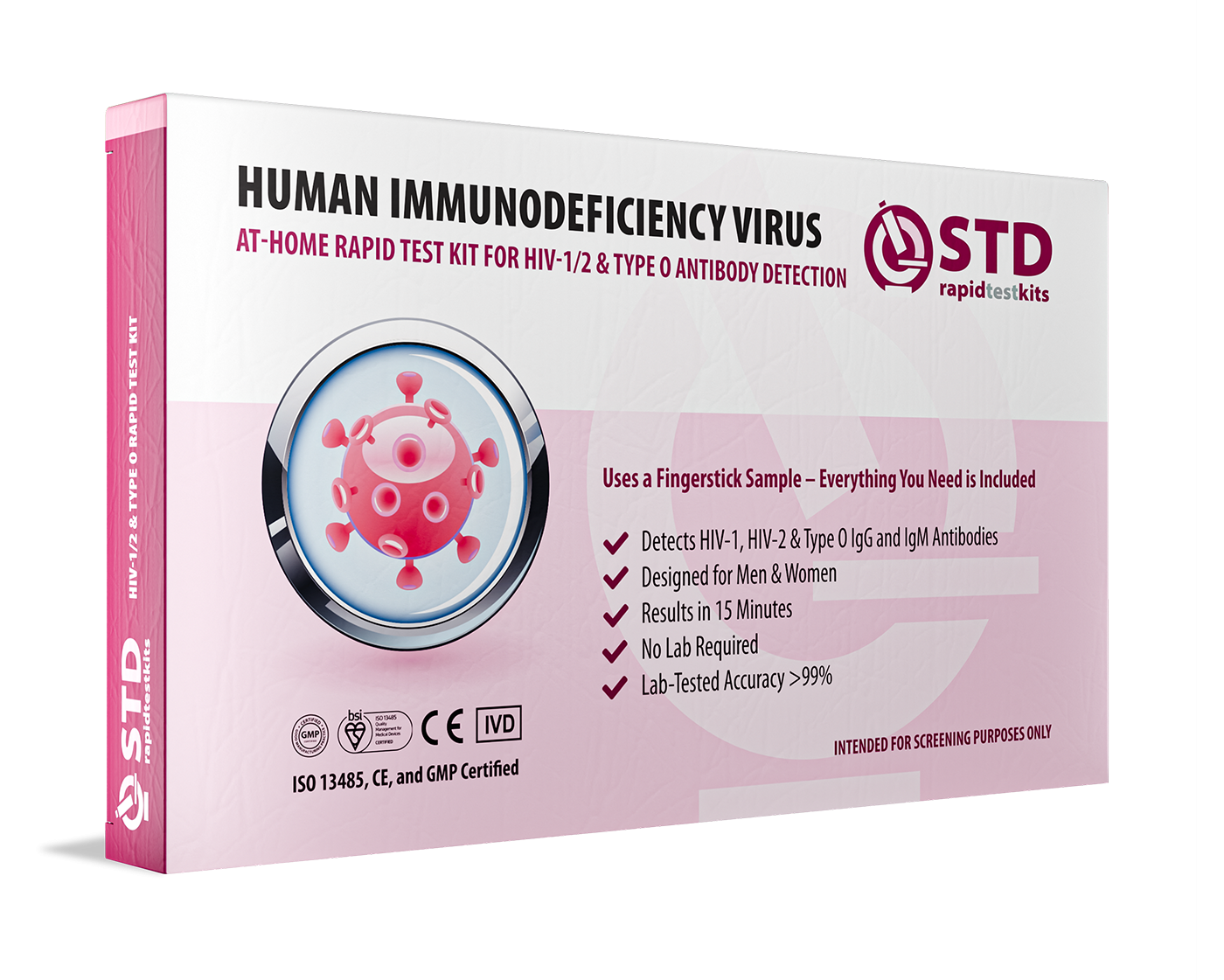
 For Men & Women
 Results in Minutes
 No Lab Needed
 Private & Discreet
Order Now $33.99 $49.00
Stage 3: Clinical Latency (The Quiet Stretch)
This stage can last years, and that’s where things get tricky. Called the clinical latency period, this is when HIV quietly chips away at the immune system without causing obvious symptoms. You might feel fine. You might even test negative for a while if testing was done too early. But the virus is still active and replicating in the background.
You might start to see bigger signs over time:
- Weight loss of more than 10% of body mass for no clear reason
- Long-term diarrheaFever that comes back
- Sweating at night
- Getting colds or respiratory infections a lot
This stage will get worse if you don't get treatment. But with antiretroviral therapy (ART), a lot of people stay in this phase for decades without getting sick or their immune system getting weaker. That's why it's so important to find out about the virus early, before it hurts CD4 counts.
Stage 4: AIDS (Advanced Immune Suppression)
If HIV remains untreated, the final stage is AIDS (Acquired Immunodeficiency Syndrome). This doesn’t happen overnight. It’s the result of ongoing immune damage, often after CD4 levels drop below 200. At this point, the body becomes vulnerable to life-threatening “opportunistic infections”, illnesses a healthy immune system could usually fight off.
Common AIDS-defining illnesses include:
- Pneumocystis pneumonia
- Kaposi sarcoma
- Tuberculosis
- Invasive cervical cancer
- Toxoplasmosis
- Cryptococcal meningitis
Contrary to stigma, reaching this stage doesn’t mean a death sentence, especially with access to modern treatment. Many people with AIDS begin ART and see their CD4 counts rebound over time. But it does mean the stakes are higher, and ongoing care is non-negotiable.
Need Answers Sooner?
If you’re reading this and thinking, “I can’t wait months to find out,” you’re not alone. Many people need fast answers, especially if symptoms just started or a recent exposure has you spiraling. That’s where discreet, at-home tests come in. While not a substitute for clinical diagnosis, they’re a powerful first step.
Order an HIV Rapid Test Kit and get results in minutes. It’s confidential, fast, and backed by FDA-cleared technology. If you test negative early, plan to retest again at the right window. If positive, follow up with confirmatory testing and medical care.

People are also reading: Sex Workers of Color Face the STD Double Bind, Here’s What That Really Means
What About Pediatric HIV?
Most HIV guides focus on adults, but children aren't exempt from the virus. Pediatric HIV works differently. Newborns, infants, and kids under 15 can have faster progression, different symptoms, and unique immune responses. In babies, the virus may be passed from mother to child during pregnancy, delivery, or breastfeeding. In older children, exposure might come from medical procedures or, heartbreakingly, abuse or assault.
What makes pediatric HIV harder to detect is that the signs can overlap with common childhood illnesses: chronic ear infections, delayed growth, or failure to thrive. These aren't red flags in most kids, but in high-risk situations, they might mean something more. If you’re a caregiver, teacher, or health worker and have concerns, pediatric testing and follow-up with a specialist are key.
When Should You Actually Test for HIV?
This is where most people get stuck. They feel symptoms but test too early. Or they test late and wish they had acted sooner. Here's a simple way to think through it:
If it’s been fewer than 10 days since exposure, your body likely hasn’t made enough viral markers for any test to pick up. It’s too early, even for rapid kits or lab tests. But if symptoms like rash, fever, or mouth ulcers show up fast, a NAAT or combo lab test might catch it.
If it’s been 14 to 28 days since exposure, this is the “sweet spot” for many tests. Antigen/antibody combo tests are most accurate during this window. Rapid tests can also pick up infection now, but a negative result may still require follow-up testing later to confirm.
If it’s been 30+ days, you’re in the zone for nearly all testing options. Accuracy is higher, and results, positive or negative, are far more reliable. If you’re still anxious after testing, plan a follow-up test at the 90-day mark. This gives your immune system time to react fully.
Rapid Test vs Lab Test: Which One Is Right for You?
Different tests serve different needs. A rapid test gives peace of mind quickly. A mail-in lab kit offers lab-level accuracy from home. A clinic test might be best if symptoms are severe or you need STI screening beyond HIV.
| Method | Privacy | Speed | Accuracy | When It’s Best |
|---|---|---|---|---|
| At-Home Rapid | Very High | 15–20 Minutes | High (after 3+ weeks) | Need fast, private results from home |
| Mail-In Lab | High | 2–5 Days | Very High | Want lab-grade accuracy without clinic visit |
| Clinic Test | Moderate | Same day or up to 1 week | Very High | Symptomatic, need full STI panel, or insurance covers it |
Figure 1. HIV test options compared for speed, privacy, and accuracy.
When Should You Retest?
Retesting isn’t a sign you did it wrong, it’s a smart move based on how the virus behaves. If you test too soon, or if you’ve had new exposures, follow-up testing ensures your results reflect your actual status. Here’s how to time it:
- If your first test was within 10–14 days of exposure, retest again at 30 days
- If you tested at 4–6 weeks and were negative, test again at 90 days for confirmation
- If you tested positive, begin treatment, but also consider retesting after treatment begins to monitor viral load
- If your partner tested positive, or you’ve had repeated exposure, schedule testing at 30-day intervals for 3 months
Even if your results stay negative, it’s worth checking again, especially if symptoms evolve or new partners are involved.
Your Privacy, Your Power
Getting tested for HIV can feel scary, but it should never feel shameful. Whether you're ordering a rapid test online or walking into a clinic, your health decisions are yours alone. Most at-home tests come in unmarked packaging. No one will know what’s inside unless you tell them.
Results are confidential. There’s no database. No employer access. No alerts to your insurance or social accounts. You control who knows and what happens next. Even shipping is discreet, kits arrive without medical labeling, so roommates or family won’t raise an eyebrow.
Need help talking to a partner, getting retested, or finding emotional support? Many testing services (including us) offer telehealth guidance, anonymous partner notification scripts, and post-result check-ins.
What If You Test Positive?
If you see two lines on your HIV rapid test, or get that phone call from the clinic, breathe. You’re not alone, and you are not broken. Over 38 million people worldwide are living with HIV, and with today’s treatments, most live full, healthy lives.
Micah, 29, tested positive after ordering a combo test during a breakup. “I thought it was just a precaution. When I saw the result, I sat in my car for 40 minutes, crying and Googling what to do. Then I messaged my ex. Then I called my doctor. That night, I took the first step of getting my life back.”
If you test positive, the next steps are clear: confirm the result with a lab test, start antiretroviral therapy (ART) as soon as possible, and connect with a provider who understands your needs. ART helps lower your viral load, protects your partners, and may allow you to live with an undetectable viral count, which means you cannot transmit HIV sexually (U=U).
Support groups, anonymous partner notification tools, and LGBTQ+ affirming clinicians are out there. You don’t have to go through this alone. And if you’re ready to help someone else take control, share this article or recommend a test.
Check Your STD Status in Minutes
Test at Home with Remedium7-in-1 STD Test Kit
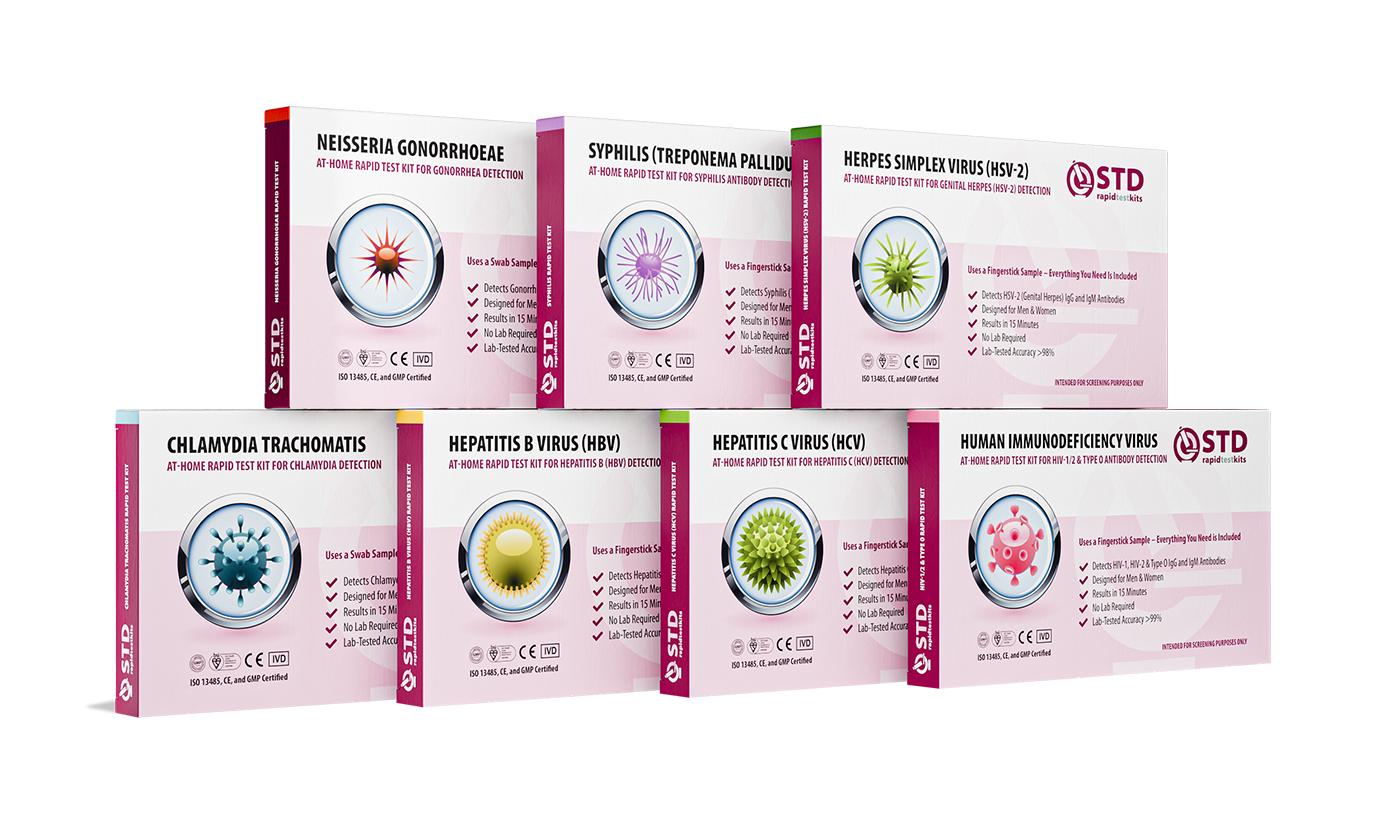 For Men & WomenResults in MinutesNo Lab NeededPrivate & Discreet
Order Now $129.00 $343.00
For all 7 tests
FAQs
1. Can HIV symptoms really show up the next day?
Nope, not how it works. HIV doesn’t hit like a food allergy or a stomach bug. It takes time for the virus to settle in and trigger a response. Most people don’t feel anything until 2 to 4 weeks later. That weird sore throat the morning after? Probably stress, or whiskey. Still, keep an eye on symptoms if they stick around, and don’t test too early or you’ll get a false sense of security.
2. Is it possible to test negative and still have HIV?
Yes, and that’s not a test failure, it’s biology. If you test during the “window period” (the first 10–30 days), the virus may not show up yet. That doesn’t mean you’re safe; it just means your body hasn’t built enough markers for detection. Always retest after a few weeks, especially if you’re still freaking out, or if new symptoms pop up.
3. What’s the most accurate type of HIV test?
The gold star goes to lab-based combo tests (antigen/antibody), and NAATs if you're looking super early. But rapid tests? Still solid, as long as you wait 3+ weeks post-exposure. Think of them like smoke detectors: great at catching problems once there's enough "smoke," but not foolproof five minutes after a spark.
4. Can I get HIV from oral sex?
It’s not zero risk, but it’s lower than other kinds of sex. If there’s no bleeding, no open sores, and no other STDs involved, the odds are tiny. That said, if there’s gum disease, cuts, or another infection, the door cracks open. Bottom line: it’s not likely, but not impossible, especially if you’re the one receiving.
5. If I have HIV, will it definitely turn into AIDS?
Only if it goes untreated. With antiretroviral therapy (ART), HIV can be managed like a chronic condition. Plenty of people live for decades, stay healthy, have sex, have babies, and never develop AIDS. The difference is treatment. Get on meds early, stick with them, and AIDS never has to enter the chat.
6. Can kids get HIV? And do they survive it?
Yes and yes. Children can be born with HIV, especially if their parent wasn’t treated during pregnancy, but with proper care, they can live full lives. Pediatric ART is a thing, and it works. It just requires early intervention and close medical support. So yes, kids grow up, thrive, go to college, fall in love. Don’t count them out.
7. What’s U=U and why is everyone shouting it?
U=U means “Undetectable = Untransmittable.” If someone with HIV is on treatment and their viral load drops low enough to be undetectable, they can’t pass the virus on through sex. Period. No condom? Still zero transmission. It's not just science, it’s stigma-smashing proof that HIV doesn’t make you dangerous. It makes you informed.
8. I don’t feel sick, could I still have HIV?
Totally. Many people walk around for years without a single symptom. It’s not because HIV is harmless, it’s because the early and middle stages can be sneaky. Don’t wait for night sweats or weight loss to start wondering. If you had a risk moment, test. That’s the only way to know what’s really going on.
9. Do I have to tell my partner if I test positive?
Morally? Probably. Legally? Depends on where you live. But here’s the thing, telling someone protects them, builds trust, and lets them make informed choices. And you don’t have to do it alone. There are anonymous notification tools and scripts that make it easier (and way less terrifying than you think). Honesty can be hard, but it’s often the start of healing, too.
10. Will anyone know if I order a test online?
Not unless they have X-ray vision and a tracking number. At-home test kits ship in plain packaging with zero branding. No “HIV” stamps. No pharmacy logos. Just a box. Your results are private, too, no clinics, no insurance reports, no awkward small talk. Your health info stays between you and your browser tab.
You Deserve Answers, Not Assumptions
No one plans to face HIV, but knowing your status is a gift. It’s a turning point. Whether your result is negative and brings relief, or positive and brings clarity, it puts you in control. That’s what matters.
Don’t keep guessing. Don’t put it off until next week. Get tested today, from home, in private, on your terms.
How We Sourced This Article: We combined current guidance from leading medical organizations with peer-reviewed research and lived-experience reporting to make this guide practical, compassionate, and accurate. In total, around fifteen references informed the writing; below, we’ve highlighted six of the most relevant and reader-friendly sources.
Sources
2. HIV.gov: What Are HIV and AIDS?
3. The Stages of HIV Infection — NIH HIVinfo
4. About HIV — How It Progresses (CDC)
5. HIV/AIDS – Symptoms & Causes (Mayo Clinic)
About the Author
Dr. F. David, MD is a board-certified infectious disease specialist focused on STI prevention, diagnosis, and treatment. He blends clinical precision with a no-nonsense, sex-positive approach and is committed to expanding access for readers in both urban and off-grid settings.
Reviewed by: Dr. J. Harriman, MPH | Last medically reviewed: November 2025
This article is for informational purposes and does not replace medical advice.


