






Quick Answer: If you test positive for gonorrhea, don’t wait to begin treatment, even if you feel fine. Avoid sex, notify recent partners, and prepare to retest 7 to 14 days after finishing antibiotics to confirm clearance.
First Things First: Don’t Panic, But Don’t Delay
For some, the news hits in a crowded place. A buzzing notification from a clinic portal. For others, it’s more intimate, a rapid test cassette on the bathroom counter showing two solid lines. Let’s pause here: your mind may be racing, your chest may be tight. That’s normal. Breathe.
The mistake most people make in the first 24 hours? Either they panic and make rash decisions, ghosting partners, Googling herbal cures, or they freeze entirely and avoid dealing with it. Neither helps. Gonorrhea is both common and treatable, but early action matters for your health and your partners.
Key mindset for Day 1: This is not a life sentence. But it is a call to step up, safely, calmly, and clearly. Here’s how.
Did You Read That Test Right? Here’s How to Be Sure
If you used an at-home rapid test, double-check that you interpreted it correctly. A single control line means negative. Two lines, no matter how faint, typically means positive. Some readers report confusion when one line is much lighter than the other. Yes, that still counts. But if the control line didn’t appear, or the test was expired or stored improperly, the result may be invalid.
Here’s a breakdown to help you assess what you saw. If you're unsure, take a fresh test or book a confirmatory lab test, but don’t delay treatment if the first result was clearly positive.
| Test Result Appearance | What It Likely Means | What to Do |
|---|---|---|
| Two clear lines (test + control) | Positive for gonorrhea | Begin treatment steps |
| One control line only | Negative result | Monitor symptoms, consider retesting later |
| Faint test line + control line | Still a positive result | Treat and inform partners |
| No control line visible | Invalid test | Retest immediately with a new kit |
Table 1. How to read your gonorrhea rapid test and what the visual indicators mean.
Misreading is more common than you think, especially when stress is high. If you’re in doubt, repeat the test or book a same-day clinic test. But if you're reasonably sure it was positive, start acting on it. Gonorrhea can spread fast, and sometimes silently.
Who Should You Tell (and How Soon)?
You don’t have to post it online. You don’t have to call everyone you’ve ever slept with. But you do need to tell the right people. Ideally, you should notify any sexual partners you’ve had in the last 60 days. Why 60? Because that’s the typical infectious period before symptoms might appear, or not appear at all.
This part sucks. There’s no easy way around it. But there are ways to make it easier, and protect both yourself and others. Some people text a simple message: “Hey, just a heads-up, I tested positive for gonorrhea. You should get tested too.” Others use anonymous partner notification tools through health departments or telehealth services. Some prefer a phone call with context and care.
Here’s a moment to hold space for the emotional weight of this step. A reader named Marcus, 27, shared this:
“I almost didn’t tell my ex because I was ashamed. But when I finally did, she actually thanked me. Said it was the most respectful thing I could’ve done.”
Disclosing isn’t about confessing. It’s about protecting people you’ve shared intimacy with. You don’t owe anyone your full sexual history, but if they could be affected, they deserve to know. And you deserve to unburden yourself from secrecy.
Some states even allow partner treatment through "expedited partner therapy" (EPT), where a healthcare provider can prescribe meds for both of you without requiring your partner to get tested first. Ask your doctor or clinic about it.

People are also reading: Tinder, Testing, and Telling the Truth: Dating With an STD in 2025
Starting Treatment: Timing, Access, and What to Expect
If you’ve already been prescribed antibiotics, start them exactly as directed. The CDC currently recommends a single intramuscular injection of ceftriaxone for uncomplicated gonorrhea. Some cases may require oral medication alongside it, especially if co-infection with chlamydia is suspected.
No clinic yet? You have options. Telehealth providers can prescribe treatment. Some pharmacies offer in-store STI treatment without needing a full doctor visit. Certain states even allow standing orders for treatment packs through public health channels.
Regardless of where you access it, the key is starting treatment within 24 hours of a positive test. The longer you wait, the more time gonorrhea has to spread to others, or to other parts of your own body, like your throat, rectum, or reproductive tract.
Side effects from treatment are usually mild: nausea, headache, maybe a sore butt if you get the shot. But the relief of knowing you’re taking action? That outweighs all of it.
One patient shared:
“I was scared of the injection, but honestly, the nurse was kind, it was over in seconds, and I felt better just knowing I was doing the right thing.”
If your provider only prescribed pills and you weren’t tested for site-specific infections (like oral or rectal), consider following up for comprehensive testing. Gonorrhea can live in places you might not expect, and treating just one site may not clear it fully.
Sex? Not Yet. Here’s Why You Need to Wait
You’re human. You might be thinking: “I already started antibiotics, am I good to go by the weekend?” It’s a fair question. But here’s the blunt answer: you’re still contagious until treatment is complete, and even then, some people remain infectious for a short window afterward.
Medical guidance is clear: wait at least 7 full days after completing treatment before having any sexual contact. That includes oral, anal, and vaginal sex, even with condoms. Gonorrhea can survive in mucous membranes and bodily fluids, and resuming sex too soon is one of the most common ways reinfection or transmission happens.
Imagine this scenario: Tasha, 34, got treated right away but hooked up with someone new four days later. A week later, she felt that same burn again, except this time, it was harder to treat. Her provider told her the strain might be antibiotic-resistant. That second round came with stronger side effects, a longer wait, and a painful round of partner disclosures all over again.
Don’t let one impatient decision turn your recovery into a loop. If your current or recent partners were exposed, they should be treated too, otherwise, you risk passing it back and forth like an unwanted game of tag.
Retesting Matters: Here’s When to Do It
Even when treatment works perfectly, you’re not done after the last pill. The CDC recommends retesting for gonorrhea 7 to 14 days after treatment, especially if you used an at-home rapid test. Why? Because you might have cleared the infection from one site (like urine), but not from another (like your throat or rectum).
Also: if your treatment wasn’t confirmed by a provider, or you didn’t get a ceftriaxone injection, it’s worth checking that the antibiotics you used were appropriate for your case. Antibiotic-resistant gonorrhea is a real and growing concern.
Here’s a general timeline you can follow based on CDC guidance and clinical best practice:
| Days Since Diagnosis | Recommended Action |
|---|---|
| Day 0–1 | Begin treatment and notify partners |
| Day 2–6 | Continue abstaining from sex, monitor side effects, support partners in testing |
| Day 7–10 | Eligible for retest if treatment was completed; ideal window to confirm clearance |
| Day 14+ | If symptoms persist, repeat testing and consult provider |
Table 2. Timeline of post-treatment steps following a gonorrhea diagnosis.
Note: if you had oral or anal exposure and weren't tested at those sites, ask your provider to swab them specifically. Many clinics only check urine by default, which can miss non-genital infections. At-home multi-site tests are also available, check STD Rapid Test Kits for combo options that cover throat, rectum, and urine.
Check Your STD Status in Minutes
Test at Home with Remedium3-in-1 STD Test Kit
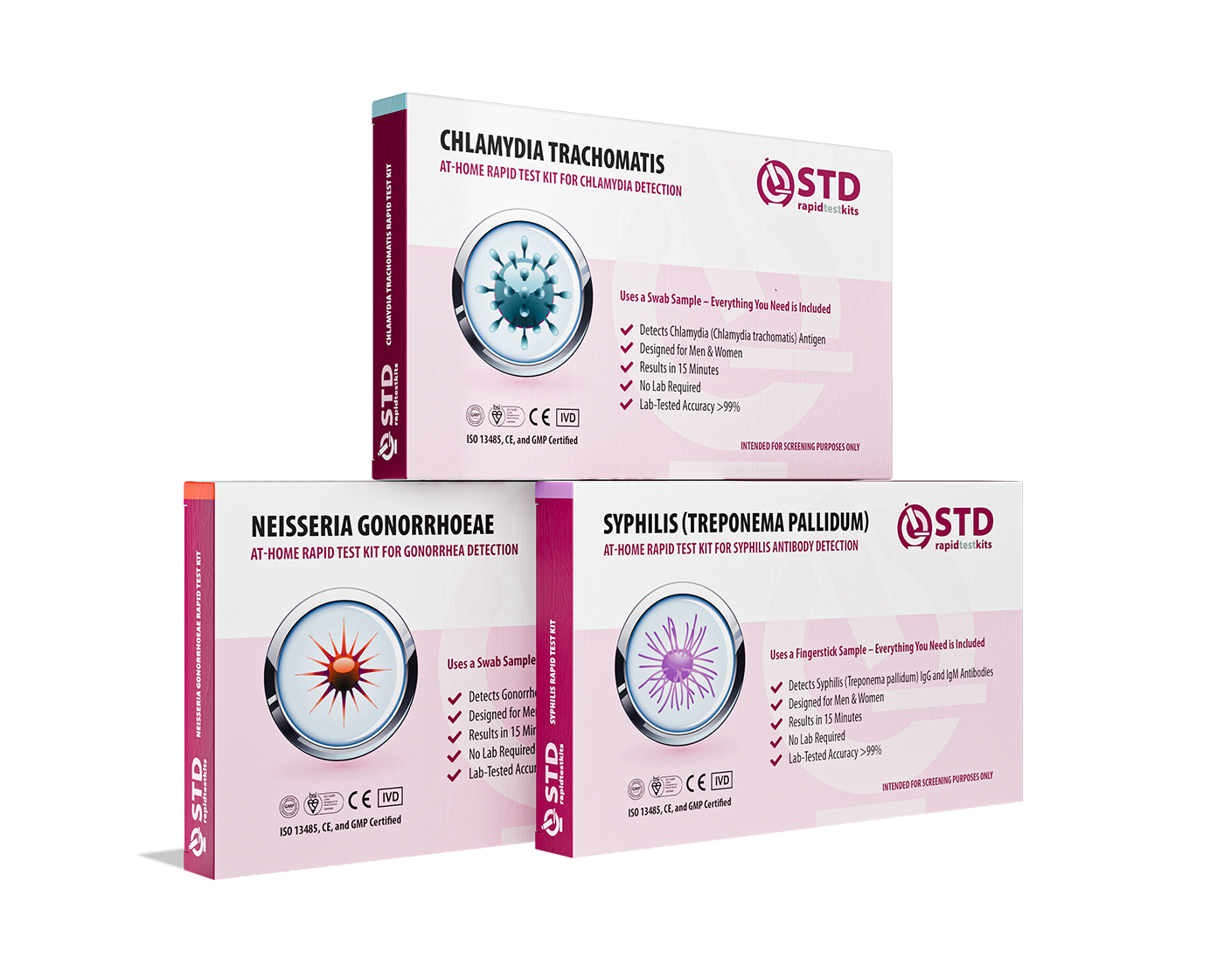
 For Men & Women
 Results in Minutes
 No Lab Needed
 Private & Discreet
Order Now $69.00 $147.00
For all 3 tests
Preventing Reinfection (Yes, It Happens All the Time)
This is one of those uncomfortable truths no one tells you: getting gonorrhea twice isn’t rare, it’s common. In fact, some clinics report that up to 30% of their positive cases are reinfections. And the second time around often comes with more complications or harder-to-treat strains.
Prevention isn’t just about condoms, though those help when used properly and consistently. It’s also about timing, honesty, testing before new partners, and reducing overlap between untreated exposures. Vaccines? Not yet for gonorrhea, but researchers are working on it. For now, your best defense is knowledge and timing.
Here’s how Luis, 22, put it after getting reinfected:
“I didn’t know she hadn’t gotten treated yet. We hooked up again two days after my meds. Boom, round two. This time it hit my throat. That was a miserable lesson.”
There’s no shame in getting reinfected, but there’s serious empowerment in breaking the cycle. Set boundaries. Ask about treatment. Offer to test together. And if you're in a higher-risk group or have new partners frequently, regular STI panels can be a game-changer.
Support Doesn’t Just Mean Medicine: Mental Health After Diagnosis
Let’s be real: even though gonorrhea is treatable, the emotional impact can linger. Shame. Fear. Regret. Sometimes even trauma. A diagnosis can stir up everything from relationship tension to internalized stigma, especially if you’re dealing with it alone.
Support can take many forms. Talking to a therapist who understands sexual health. Joining an anonymous forum. Messaging a friend who’s been through it. Even just reading stories from others can remind you that this is survivable and common.
Gonorrhea doesn’t mean you’re dirty. It doesn’t mean you were reckless. It doesn’t make you broken. It means you’re part of the world, and part of a very real, very fixable public health cycle.
You’re not the first person to get that result, and you won’t be the last. But how you handle it? That’s yours to own. And you’re already doing better than most by educating yourself right now.

People are also reading: Think It’s Just a UTI? It Could Be Chlamydia Instead
FAQs
1. Can gonorrhea go away on its own?
Nope, and waiting it out is not a flex. Gonorrhea doesn’t just disappear if you ignore it. Even if your symptoms fade (or never showed up at all), the infection can keep spreading silently to your partners or deeper into your body. It's treatable, yes. But it needs antibiotics, not wishful thinking.
2. What if I had sex after testing positive but before finishing treatment?
It happens. You're not the first to think, “It’s probably fine,” or to cave to pressure. But yeah, there's a risk you passed it on or got reinfected if your partner wasn’t treated too. Hit pause, get retested, and make sure everyone involved is treated. Gonorrhea is clingy like that. It loves a second chance.
3. I feel totally fine. Do I still need to treat it?
Yes, yes, yes. The wild part? Most people with gonorrhea don’t feel anything. Especially with oral or anal infections. But asymptomatic doesn’t mean harmless. It can still cause serious complications or end up in places you didn’t expect. A positive result = get treated, even if you feel 100% okay.
4. How will I know it’s really gone?
Only way to be sure? Retesting. Ideally, 7 to 14 days after finishing antibiotics. No amount of “I feel better” guarantees you’re in the clear. Think of it like checking that the fire’s actually out, not just that the smoke stopped.
5. Can I just take some leftover antibiotics I have?
Hard no. This isn’t the time for DIY pharmacy vibes. The wrong meds, or the wrong dose, won’t fully kill the infection and could even make it stronger. Super gonorrhea is a thing, and half-treating it is how it spreads. Always use a legit treatment plan, not whatever’s hanging out in your medicine cabinet.
6. What if my partner refuses to get tested?
Frustrating, but not uncommon. You can’t force someone, but you can protect yourself. If they won’t test or treat, don’t resume anything sexual until they do. There are anonymous text tools and even partner treatment programs that might help. And if they’re dismissive? That’s a red flag bigger than any STD.
7. Wait, gonorrhea from oral sex?
Yes, and it’s sneaky. You can catch or give gonorrhea through oral sex, especially if it’s unprotected. Throat infections are common and usually symptom-free. Most clinics don’t test your throat unless you ask, so don’t be shy. Swabbing your mouth might feel awkward, but untreated throat gonorrhea can hang out undetected.
8. When should I test again?
Shoot for 7 to 14 days after finishing treatment. Earlier can give false results, and later can miss a re-exposure. If your partner didn’t get treated or if you had sex too soon, it’s smart to check again at the one-month mark too. It’s not overkill, it’s self-respect.
9. Is gonorrhea actually curable?
Totally. But only if you catch it and treat it the right way. The meds work, but rising resistance makes it crucial to follow instructions and finish your full course. Don’t ghost your own treatment. Think of it like clearing a browser history: half a job doesn’t count.
10. Do I really have to go to a clinic?
Not necessarily. There are solid at-home testing and treatment options that are private, fast, and clinic-free. Some telehealth services can diagnose and prescribe from your couch. And if you want full control, this combo kit gets delivered discreetly and checks for multiple STDs in one go. No waiting room. No awkward small talk.
You’re Not Alone. You’re Already Taking Back Control
If no one told you yet, good job. You faced something scary, took the test, and now you’re making smart, clear choices. That’s more than most people do. And whether you found out yesterday or this morning, the clock hasn’t run out. The first 24 hours aren’t about perfection. They’re about direction.
Test. Treat. Tell. Retest. Prevent. These are the pillars of moving forward after a gonorrhea diagnosis. And now you know how to do each one without shame, panic, or confusion. If you need support, get it. If you need a second test, take it. And if you want peace of mind without the clinic wait? At-home kits can help.
Don't wait and wonder; get the clarity you need. This at-home combo test kit quickly and discreetly checks for the most common STDs.
How We Sourced This Article: We combined current guidance from leading medical organizations with peer-reviewed research and lived-experience reporting to make this guide practical, compassionate, and accurate.
Sources
2. World Health Organization – STIs Overview
3. Planned Parenthood – Gonorrhea
5. Gonococcal Infections Among Adolescents and Adults — CDC
6. Gonorrhea: Diagnosis and Treatment — Mayo Clinic
7. Update to CDC’s Treatment Guidelines for Gonococcal Infection, 2020 — MMWR
8. Clinical Treatment of Gonorrhea — CDC
About the Author
Dr. F. David, MD is a board-certified infectious disease specialist focused on STI prevention, diagnosis, and treatment. He blends clinical precision with a no-nonsense, sex-positive approach and is committed to expanding access for readers in both urban and off-grid settings.
Reviewed by: A. Johnson, MPH | Last medically reviewed: October 2025
This article is meant to give out information, it shouldn't replace all medical advice.


