That Rash Might Not Be an Allergy: Signs of Syphilis
It usually starts the same way. You notice a rash on your torso, arms, or maybe even your hands. It doesn’t hurt much. Maybe it itches a little. You assume it’s something harmless, a new detergent, a food allergy, heat, stress, anything except an STD.
But sometimes the rash people dismiss as an allergic reaction turns out to be something else entirely. One of the most commonly misidentified causes is Syphilis, especially during its secondary stage when skin symptoms appear across the body.
15 March 2026
16 min read
672
Quick Answer: Yes, syphilis can look like an allergic reaction. During secondary syphilis, many people develop a rash that can resemble hives, eczema, or contact dermatitis. Because the rash often isn’t painful and may appear on the body, palms, or soles, it’s frequently mistaken for an allergy.
When a Rash Isn’t Just a Rash
Skin is one of the body’s most confusing messengers. A rash can mean dozens of different things: allergies, infections, irritation, autoimmune reactions, heat exposure, or sometimes nothing serious at all.
That’s exactly why Syphilis has earned a reputation among doctors as “the great imitator.” The infection can mimic many other conditions, and the rash that appears during secondary syphilis often looks deceptively ordinary.
People frequently describe the same moment of realization. They treated the rash like an allergy for days or weeks before learning it was actually an STD.
“I thought it was a detergent allergy,” one patient explained during a dermatology consultation. “I changed soaps, took antihistamines, and waited for it to disappear. It didn’t.”
That experience isn’t unusual. Many cases of secondary syphilis are initially mistaken for allergic reactions, viral rashes, or skin conditions like eczema.
Why Syphilis Is So Easy to Misidentify
It helps to know the timeline of the infection to understand why people get confused. Syphilis moves through different stages, and each stage has its own set of symptoms.
The first stage typically causes a painless sore called a chancre at the site where the bacteria entered the body. The problem is that many people never notice it. The sore can appear inside the mouth, inside the vagina, in the rectum, or in other areas that are difficult to see.
Weeks later, the infection enters its second stage. This is when the rash often appears.
Unlike the first-stage sore, the rash can show up almost anywhere on the body. That unpredictability is one reason people mistake it for an allergic reaction.
Common Differences Between a Syphilis Rash and an Allergic Reaction
Feature
Syphilis Rash
Allergic Reaction
Pain
Usually painless
Often itchy or burning
Location
Torso, arms, legs, palms, soles
Anywhere exposed to allergen
Appearance
Flat or slightly raised spots
Hives or red irritated patches
Response to antihistamines
Usually unchanged
Often improves
None of these differences are absolute, but together they can help explain why doctors sometimes order STD testing when evaluating unexplained rashes.
One clue doctors often look for is location. Secondary Syphilis frequently causes a rash on the palms of the hands and the soles of the feet.
This detail matters because most allergic rashes do not appear prominently in those areas.
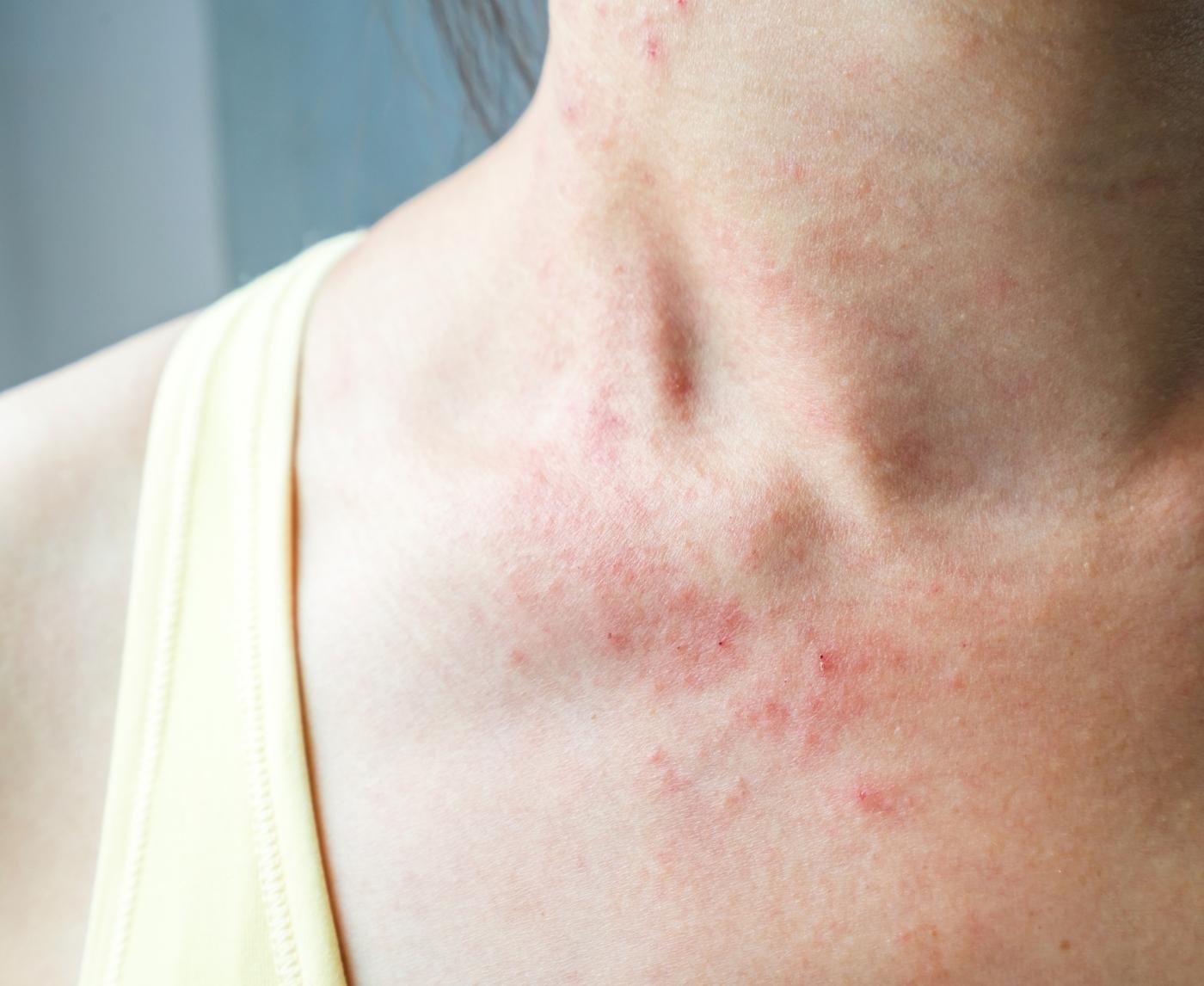
The rash itself can vary in appearance. Some people develop reddish spots. Others notice copper-colored patches or small bumps that spread across the body.
Another confusing feature is that the rash may not itch. Many patients expect an allergic rash to itch intensely, but the syphilis rash often causes little or no discomfort.
“I only noticed it because someone pointed it out,” one patient recalled. “It wasn’t itchy. It didn’t hurt. It just looked strange.”
Because of that mild presentation, some people ignore the rash completely until other symptoms appear.
Other Symptoms That Can Appear With the Rash
Secondary Syphilis rarely shows up as a rash alone. Many people experience other subtle symptoms at the same time.
These symptoms can resemble a mild viral illness or flu, which adds another layer of confusion.
Symptoms That Sometimes Appear Alongside a Syphilis Rash
Symptom
How It Feels
Fatigue
Low energy similar to a mild illness
Swollen lymph nodes
Tender lumps in neck, groin, or armpits
Fever
Usually mild
Sore throat
Sometimes mistaken for a cold
Patchy hair loss
Small irregular thinning areas
When these symptoms appear together with an unexplained rash, healthcare providers often consider syphilis as part of the diagnosis.
Why People Assume It’s an Allergy First
There’s a psychological reason many people assume allergies instead of STDs. Allergies feel ordinary and non-threatening. STDs carry stigma and anxiety.
So the brain chooses the explanation that feels safer.
A person might think: maybe it’s the new laundry detergent, maybe it’s stress, maybe it’s something I ate. The possibility of an STD often appears much later in the thought process.
This delay isn’t about irresponsibility. It’s about how humans naturally interpret symptoms.
The reality is that Syphilis has been rising globally in recent years, and dermatologists regularly encounter rashes that patients initially dismissed as allergies.
What to Do If You Notice a Suspicious Rash
If a rash appears after a new sexual partner or unexplained exposure, it’s reasonable to consider STD testing alongside other possibilities.
Testing is the only reliable way to confirm or rule out Syphilis. Skin symptoms alone cannot provide a diagnosis.
Many people now prefer to start with discreet home testing before visiting a clinic.
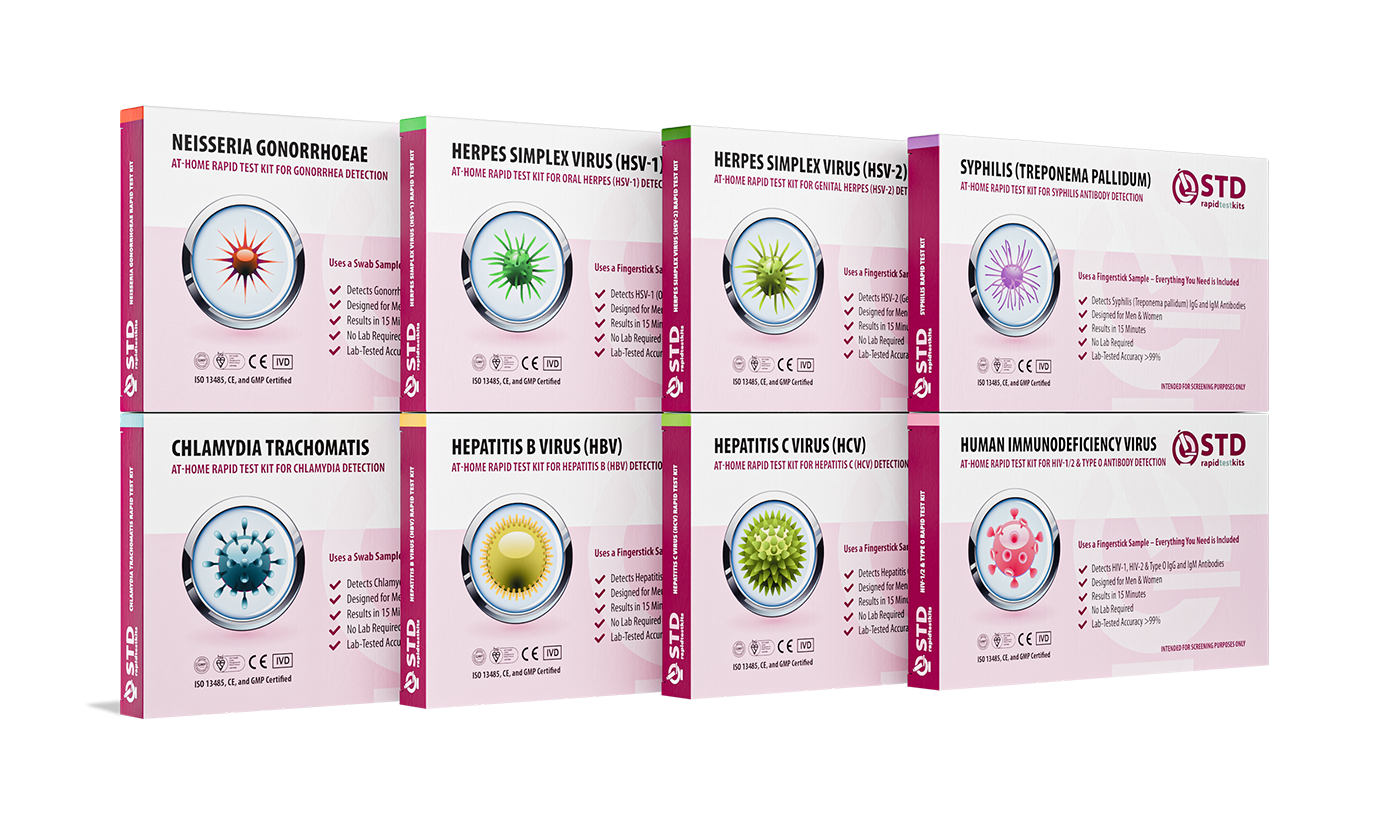
Take back control of your health. STD Rapid Test Kits provide confidential testing options that allow people to check for common infections without leaving home.
If you're worried about syphilis or multiple infections, the Combo STD Home Test Kit is a good choice because it can check for a number of common STDs at once.
Testing doesn’t mean something is wrong. It simply replaces uncertainty with real information.
How the Timing of Symptoms Can Reveal What’s Happening
Timing is one of the most important clues when doctors evaluate a rash that might be Syphilis. Allergic reactions usually appear quickly after exposure to something irritating, a food, medication, detergent, or environmental trigger.
Syphilis works differently. The rash associated with secondary syphilis typically appears weeks after the original infection. The rash may be the first noticeable symptom by that time, and the sore may have already healed.
This delay is one reason the infection often catches people off guard. They don’t connect the rash to a sexual encounter that happened a month or two earlier.
Typical Timeline for Syphilis Symptoms
Stage
What Happens
Typical Timing
Primary stage
A painless sore appears where the infection entered the body
No visible symptoms but infection remains in the body
Months to years
The key takeaway is that a rash showing up weeks after a sexual encounter can sometimes be related to syphilis rather than an immediate allergic response.
When Doctors Start Thinking About Syphilis
Dermatologists and sexual health doctors often follow a pattern when evaluating unexplained rashes. If the rash appears in unusual places, especially the palms or soles, or if it doesn’t respond to typical allergy treatments, they begin considering other possibilities.
Another clue is when the rash spreads across the body without a clear trigger. Allergic reactions often remain localized to the area where the allergen touched the skin.
Doctors also ask a series of routine questions about recent illnesses, medications, travel, and sexual history. These questions aren’t meant to judge anyone. They simply help narrow down possible causes.
“Most patients are surprised when I suggest STD testing for a rash,” one clinician explained during a teaching seminar. “But secondary syphilis is famous for looking like dozens of other conditions.”
Because of that overlap, blood testing is often used to confirm whether the rash is related to Syphilis or something else.
The Good News About Treatment
While the idea of syphilis can sound frightening, the infection is highly treatable, especially when caught early.
Most early-stage cases can be treated with antibiotics, typically a single injection of penicillin. Once treated, the infection stops progressing and the rash gradually fades.
That’s why identifying symptoms early matters. The earlier the infection is diagnosed, the simpler the treatment process tends to be.
Unfortunately, when symptoms are dismissed as allergies or skin irritation, the infection can go untreated for longer than necessary.
This delay doesn’t mean permanent harm in most cases, but it does allow the bacteria to remain active in the body.
One of the hardest parts of dealing with a mysterious rash is uncertainty. Skin conditions overlap so heavily that even experienced clinicians sometimes need laboratory testing to confirm the cause.
That’s why STD testing plays such an important role in diagnosing infections like Syphilis. A simple blood test can usually detect the antibodies the body produces in response to the bacteria.
A lot of people start with private testing options that are kept secret. With this method, people can quickly check their status and decide what to do next without having to wait weeks for an appointment.
If symptoms persist, worsen, or appear alongside fatigue, swollen lymph nodes, or other unusual signs, testing becomes especially important.
The main idea is that a rash by itself doesn't always tell the whole story. Testing fills in the missing information.
Rashes That Commonly Get Confused With Syphilis
Part of what makes Syphilis tricky is that its rash doesn’t follow a single predictable pattern. Dermatology textbooks often show a classic palm-and-sole rash, but in real life the presentation can vary widely.
Some people see small reddish spots. Others notice dry patches that resemble eczema. A few develop clusters that look similar to mild hives or irritation.
Because of this variability, doctors often compare several possibilities before deciding what the rash might be. Allergies are usually the first explanation people consider, but several other conditions can look similar as well.
Skin Conditions Often Mistaken for a Syphilis Rash
Condition
Why It Looks Similar
Key Difference
Allergic reaction
Red or blotchy rash across the body
Usually itchy and triggered by a specific exposure
Eczema
Dry irritated patches
Often chronic and intensely itchy
Heat rash
Small red bumps
Usually appears in sweaty areas
Viral rash
Flat spots spreading across the body
Often appears alongside cold or flu symptoms
These similarities explain why rashes alone rarely provide a definitive diagnosis. Visual symptoms are helpful clues, but they rarely tell the entire story.
The Emotional Side of Symptom Googling
Most people who end up reading about rashes and STDs online are doing so late at night, often while staring at their skin in the bathroom mirror. A rash shows up, and suddenly the mind starts running through every possibility.
Allergies feel manageable. An STD feels heavier, partly because of the stigma that still surrounds sexual health. That emotional difference is one reason many people delay testing.
The truth is that infections like Syphilis don’t say anything about someone’s character, responsibility, or lifestyle. They’re simply bacterial infections that spread through certain kinds of contact.
Doctors who specialize in sexual health emphasize this point constantly: testing is not an admission of guilt. It’s simply good healthcare.
“People come in apologizing,” one clinician explained during a sexual health workshop. “But there’s nothing to apologize for. Getting tested is exactly what responsible adults do.”
One of the reasons health professionals encourage early testing is that untreated Syphilis doesn’t always stay visible. The rash may disappear even though the infection remains in the body.
This disappearance can create a false sense of reassurance. Someone might assume the problem resolved on its own when in reality the infection has simply moved into a quieter stage.
Testing prevents that uncertainty. Instead of guessing based on symptoms, a person can know their status with clarity.
Treatment can start right away if testing shows that you have syphilis. If the test comes back negative, it gives you peace of mind and lets doctors look into other possible causes of the rash.
Either outcome is better than living with unanswered questions.
FAQs
1. Could syphilis really look like something as harmless as an allergy?
Yes, and that’s exactly why doctors call Syphilis “the great imitator.” The rash in the second stage can look like hives, eczema, heat rash, or even irritation from a new soap. Plenty of people assume it’s laundry detergent or dry skin at first. The tricky part is that the rash doesn’t always itch or hurt, so it doesn’t feel urgent.
2. What does a syphilis rash actually look like in real life?
It often looks like little red spots in photos, but in real life it can be more subtle. Some people notice faint pink patches across the torso. Others see flat spots on their arms or legs that almost look like mild irritation. A classic clue doctors look for is spots on the palms of the hands or soles of the feet, places allergic rashes rarely show up.
3. If the rash doesn’t itch, does that make syphilis more likely?
It can be a clue. Most allergic reactions itch like crazy, that’s the immune system going into full alarm mode. The rash from Syphilis is often strangely calm by comparison. People sometimes describe it as “just there,” like freckles or faint spots that don’t really bother them.
4. How long after exposure would a syphilis rash show up?
Usually a few weeks later. The infection often starts with a painless sore that many people never notice. After that heals, the bacteria spread through the body and the rash can appear. That gap in time is why people rarely connect the rash with a specific encounter.
5. Does that mean it's not syphilis if antihistamines or allergy cream help?
Not necessarily. Skin treatments might calm irritation around the rash, but they don’t treat the underlying infection. If a rash sticks around, spreads, or shows up with symptoms like fatigue or swollen lymph nodes, testing is the only way to know what’s actually going on.
6. Can the syphilis rash disappear on its own?
Yes, and that’s part of the reason the infection is so sneaky. The rash can fade after a few weeks even if the bacteria are still in the body. People sometimes assume the problem resolved itself, when in reality the infection has simply moved into a quieter stage.
7. Why do doctors care so much about rashes on the hands and feet?
Because that’s where the pattern gets interesting. Rashes from allergies, heat, or irritation usually appear where the skin touched something. Secondary Syphilis, on the other hand, often shows up on the palms and soles, areas that normally stay rash-free. When dermatologists see that pattern, STD testing often becomes part of the investigation.
8. Is a rash the first sign of syphilis for most people?
Not always. The very first stage usually involves a painless sore called a chancre. The problem is that it can hide inside the mouth, rectum, or genitals where it’s easy to miss. By the time the rash appears weeks later, the earlier sore may already be gone.
9. How do you actually confirm whether a rash is syphilis?
With a blood test. Doctors look for antibodies that the immune system produces in response to the bacteria. It’s a straightforward test, and it removes the guesswork that comes with trying to diagnose a rash just by looking at it.
10. What should someone do if they’re staring at a rash and spiraling on Google?
First, breathe. Skin symptoms are incredibly common and most of them turn out to be harmless. But if the rash appeared after a sexual encounter, isn’t improving, or is showing up in unusual places like the palms or soles, getting tested is the smartest next step. It turns late-night guessing into actual answers.
You Deserve Clarity, Not Guesswork
A rash can mean a lot of things. Sometimes it’s detergent, sometimes it’s heat, sometimes it’s skin just being skin. But occasionally it’s the body quietly signaling something else, and that’s where clarity matters more than assumptions.
If you’ve had recent sexual exposure and a rash appears that doesn’t quite make sense, testing removes the mental spiral. If infection is ruled out, great. If something like Syphilis is detected early, treatment is straightforward and highly effective. Either way, answers replace uncertainty.
Don’t sit in the gray area wondering what your skin is trying to say. If infection is even a possibility, start with a discreet screen like the Combo STD Home Test Kit. Your results are private. Your health decisions are yours. And clarity feels better than guessing.
How We Sourced This Article: This article uses information from dermatologists who study sexually transmitted infections and advice from public health groups. We read clinical materials that explained the different stages of syphilis, how secondary syphilis rashes look, and the best ways to tell if someone has the disease. We used medical references from the CDC, NHS, and Mayo Clinic, as well as peer-reviewed literature on infectious diseases, to make sure the information was accurate and easy to understand.
Dr. F. David, MD is a board-certified expert in infectious diseases who works to stop, diagnose, and treat STDs. His writing combines clinical precision with a candid, stigma-free approach that prioritizes clarity, privacy, and patient empowerment.
Reviewed by: Sexual Health Clinical Review Board | Last medically reviewed: March 2026
This article is for educational purposes only and isn’t a substitute for medical advice from a qualified healthcare professional.









 For Men & Women
 Results in Minutes
 No Lab Needed
 Private & Discreet