





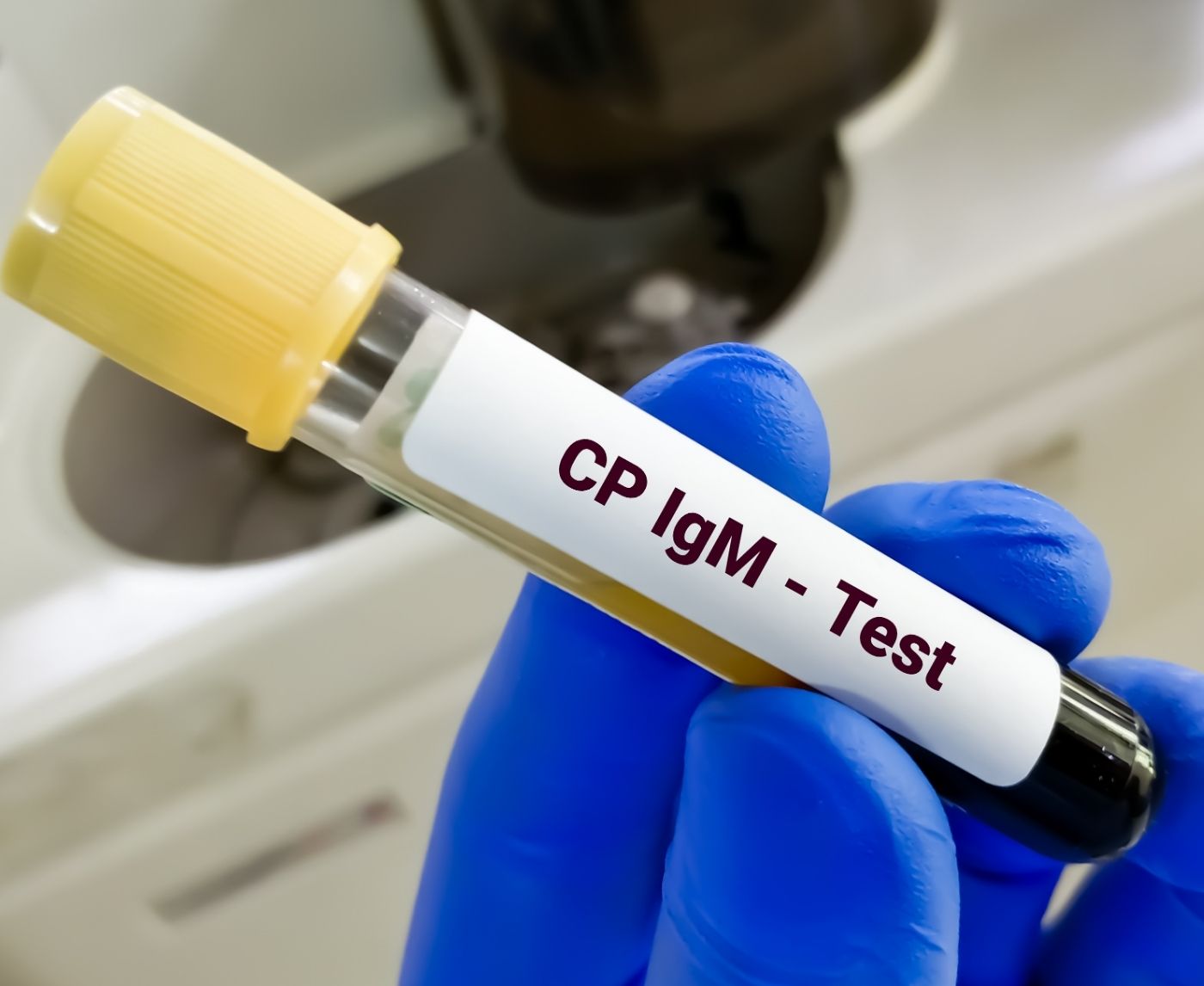

Quick Answer: Tested positive for chlamydia? Tell your partner directly, calmly, and without blame. Use clear, supportive language, share that it's common and treatable, and encourage them to get tested, even if they have no symptoms.
This Article Includes Scripts, But Let’s Talk About the Fear First
Ashley, 24, was sitting on her bathroom floor, clutching her phone and debating whether to text her ex. They hadn’t spoken in weeks. “I just kept thinking he’d call me dirty or tell people,” she said. “But the test was positive and I knew I had to do something.” She ended up sending him a carefully worded message that night. He replied with a simple: “Thanks for telling me. I’ll get checked.”
This is what most people don’t realize: chlamydia doesn’t usually cause dramatic reactions. Yes, there are exceptions. But for every worst-case scenario you’ve imagined, there are thousands of quiet conversations that end with a thank-you. The hardest part is starting.
This article will walk you through that first sentence, and everything that comes after. We’ll break it down by relationship type, communication style, and emotional intensity. You'll get tested scripts, delivery options (text, call, in person), and the facts you need to speak with confidence. And no, you don’t need to be perfect. You just need to be honest.
Why This Conversation Matters (Even If You’re Embarrassed)
You might be thinking: “But I feel fine. Maybe I shouldn’t say anything.” That’s the trap. Up to 70% of people with chlamydia have no symptoms, and that’s exactly how it keeps spreading. If you tested positive, there's a chance you caught it weeks ago, and a chance you passed it on without knowing. That doesn't make you reckless. It makes you human.
Here’s what the CDC and WHO both stress: notifying partners is one of the most effective ways to stop transmission, protect fertility, and avoid complications like PID (pelvic inflammatory disease) or epididymitis. It also helps reduce reinfection. If they’re untreated and you get back together or have sex again, you’ll likely catch it again, even if you’re on antibiotics now.
You don't need to frame it as a warning. You can frame it as care. You’re not just informing someone; you’re offering them the chance to protect their own health. And believe it or not, most people would rather know than be left in the dark.

People are also reading: I Think I Gave My Partner Chlamydia, What Do I Say Now?
Not All Relationships Are the Same: Customize the Talk
The script you use will change depending on who you're telling. A one-night stand doesn’t need a sit-down dinner. A live-in partner probably deserves more than a text. But every version of this talk has the same goal: clarity without shame, honesty without blame.
Marcus, 33, found out he had chlamydia a month after ending things with a casual partner. He sent her a short message: “Hey, I just found out I tested positive for chlamydia. I didn’t have symptoms and didn’t know. Just wanted to let you know so you can get checked too.” She thanked him, got tested, and replied: “I’m clean. Appreciate you saying something.”
Here’s what that story shows: directness works. You don’t have to explain everything. You don’t have to offer an emotional thesis. Just give them the information and the chance to respond.
| Partner Type | Best Approach | Why It Works |
|---|---|---|
| Casual Hookup / One-Night Stand | Text or anonymous notification tool | Low emotional investment; respects privacy but shares vital info |
| Dating Partner | Call, text, or in-person depending on comfort | Allows for emotional nuance while being direct |
| Long-Term / Live-In Partner | In-person talk with context and emotional space | Trust-building and support are key; honesty matters most |
| Ex-Partner | Brief message or anonymous service | Factual and neutral keeps drama low |
Table 1: Matching disclosure method to relationship type helps you communicate clearly without overexposing yourself emotionally.
Order Now $129.00 $343.00 Check Your STD Status in Minutes
Test at Home with Remedium
7-in-1 STD Test Kit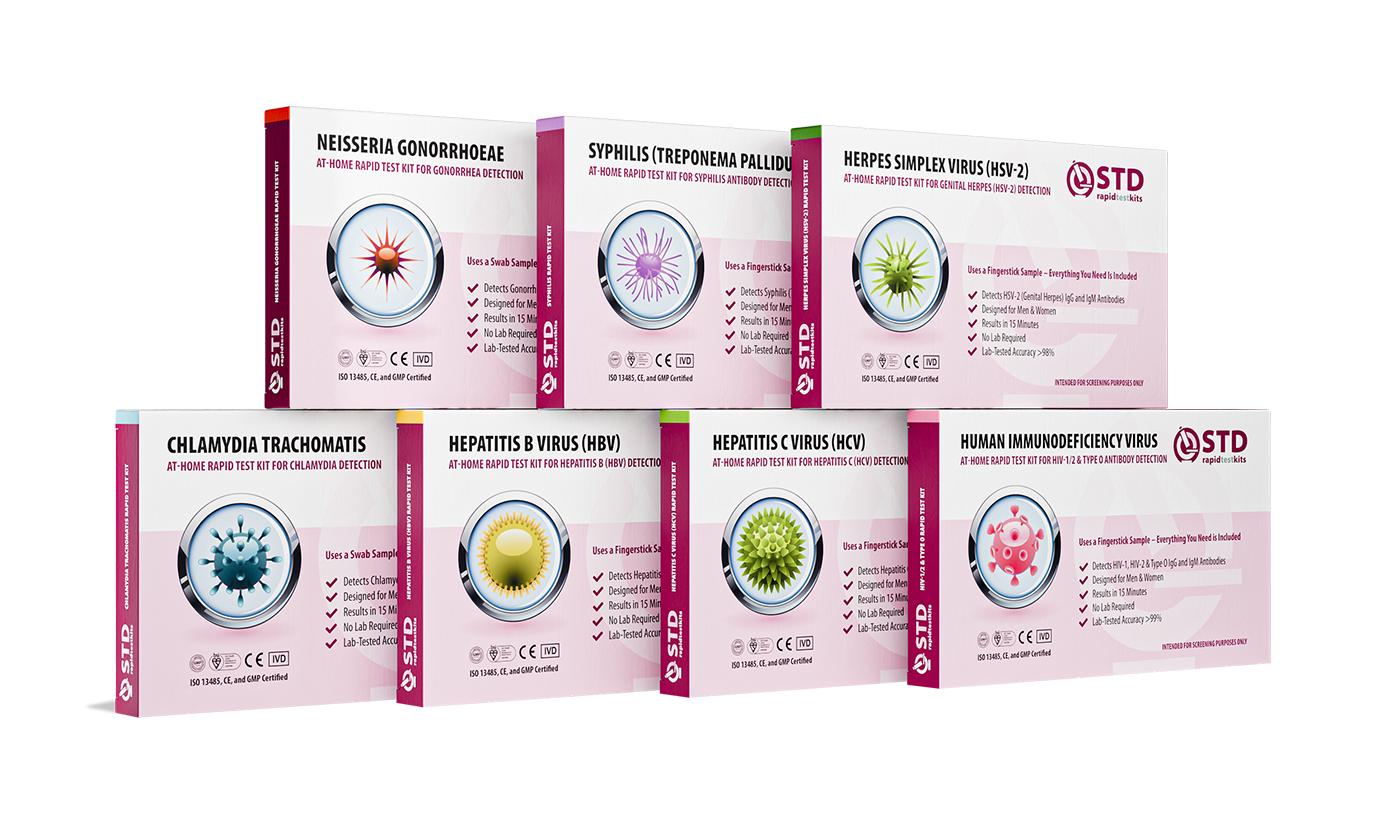
 For Men & Women
 Results in Minutes
 No Lab Needed
 Private & Discreet
For all 7 tests
Real Talk: The Scripts That Actually Work
Let’s say you’re about to hit “send” on a message, or you’re sitting across from someone you care about, wondering how to open the conversation. These scripts are designed for real life. They're not perfect. They're not robotic. They just work, because they’re human.
If you're texting someone you only saw once, you might say: “Hey, just wanted to let you know I tested positive for chlamydia. I didn’t have symptoms and didn’t realize. You should get checked just in case.” That’s it. No explanation needed. No follow-up unless they ask.
If it’s someone you're still seeing or have strong feelings for: “I just got tested and found out I have chlamydia. I was honestly surprised, I haven’t had symptoms. I wanted to tell you because you matter to me, and I think it’s important you get tested too.”
If you’re scared of their reaction: “This is hard for me to say, but I just found out I have chlamydia. I’m already getting treated, but I needed to tell you because we were together recently. I understand if you have questions. I just want us both to be safe.”
You don’t need to apologize for having it. You didn’t do something wrong. What matters is how you move now. It’s not about guilt. It’s about accountability and care.
“They’ll Hate Me”: What to Do With the Fear Spiral
Janelle, 29, waited three days before telling her boyfriend. “I just kept hearing this voice in my head saying, ‘He’s going to leave you.’” But when she finally spoke up, nervously, over dinner, he surprised her. “Thanks for being honest,” he said. “That takes guts.” He got tested the next morning. They’re still together.
This is the part of the chlamydia talk that no one prepares you for: the emotional fallout in your own head. You might feel dirty. You might feel guilty. You might spiral into thinking you’ve ruined something good. That spiral lies. Chlamydia is not a character flaw. It’s a bacterial infection, one of the most common in the world. Nearly 1 in 20 sexually active women under 25 test positive annually, and many never know it until a test picks it up.
If someone treats you like less because of an infection that half of sexually active people are statistically likely to contract at some point, that’s about their ignorance, not your worth.
The real fear isn’t just about the words. It’s about the response. But what happens next is out of your control. What you can control is being honest, being clear, and making sure you protect your future, and theirs. That’s strength, not shame.
Can You Rebuild Trust After Chlamydia?
Yes. But let’s be honest, it depends on your relationship and how things unfolded. Some people discover they have chlamydia while in a monogamous relationship, and that opens up questions about cheating, timelines, and trust. That doesn’t always mean betrayal happened. Because chlamydia can hide for weeks or months, the exposure might predate your relationship, or be from a prior partner who never knew they were positive.
Raymond, 37, was in what he thought was an exclusive relationship when his girlfriend tested positive. “I immediately thought she cheated,” he admitted. “But we sat down, looked at the timeline, and realized I might’ve been carrying it without symptoms for months. I got treated. We moved forward.”
When trust is shaken, it helps to bring in facts. Let a provider or testing guide help you interpret the likely window of infection. Don’t try to do it all on your own while your emotions are high. If both of you get treated, abstain for the recommended period (usually seven days after treatment), and retest as needed, you’re taking all the right steps, together.
| Trust-Building Step | Why It Matters | Helpful Action |
|---|---|---|
| Share your test results openly | Shows transparency and reduces suspicion | Offer to look at results together or show the test date |
| Get tested together | Turns it into a team decision | Schedule same-day clinic or mail-in kits |
| Learn the infection window | Clarifies when exposure likely happened | Use a medically-reviewed window period guide |
| Follow treatment instructions precisely | Prevents reinfection and builds responsibility | Take all meds and avoid sex during the no-contact period |
Table 2: Rebuilding trust after a positive test involves facts, transparency, and mutual follow-through.
What If They Get Angry, Dismissive, or Ghost You?
This is a brutal reality. Not every disclosure ends in gratitude or mutual care. Some people will ghost you. Some might lash out. Others might try to flip the narrative and blame you. That doesn’t mean you did the wrong thing by telling them.
If someone calls you names, implies you’re “dirty,” or refuses to take responsibility for their own health after you tell them, that’s a red flag. Their response isn’t your burden to carry. Your job was to disclose the information. What they do with it is theirs.
Luis, 22, sent a message to a recent hookup. “She left me on read. Never replied. I felt awful. But at the same time, I know she saw it. I did what I had to do.” Sometimes, all you can do is hit send and move on knowing you did the right thing.
If you’re nervous about a partner’s potential reaction, especially if there’s a history of emotional volatility or harm, consider using an anonymous notification tool like Tell Your Partner. These tools let you alert someone without revealing your identity, while still giving them the critical information they need to get tested and treated.
If things escalate or you feel unsafe, you don’t have to handle it alone. Contact a sexual health clinic or local support organization. Some places even offer third-party partner notification services.
How to Avoid Giving It Back and Forth
This is one of the most overlooked parts of a chlamydia diagnosis. Once one partner gets treated, they assume it’s over. But if both people don’t test and treat, at the same time, reinfection becomes a cycle. That’s why clinics and at-home test providers stress the importance of treating both partners before resuming sexual contact.
You also need to wait the full 7-day period after completing antibiotics before having sex again, even if you feel fine earlier. Chlamydia can still be present in genital secretions during those days, and jumping back in too soon can mean starting all over again.
Priya, 26, and her boyfriend thought they were in the clear after she took her meds. He never got tested because he had no symptoms. A month later, her test came back positive again. “I was furious,” she said. “He just assumed he didn’t need to.” After that, they both treated and tested together. No issues since.
That’s why even a simple message like, “Let’s both get treated so this doesn’t bounce back between us,” can be more powerful than a guilt trip. It’s about teamwork, not blame.
Do You Have to Tell Them? (Let’s Get Real About Legal and Ethical Stuff)
Here’s where things get murky, especially if you're Googling at 2 a.m. The laws around STD disclosure vary wildly depending on your country or state. In some places, knowingly exposing someone to an STI without telling them, especially something like HIV, can carry legal consequences. But chlamydia? It’s rarely a criminal matter.
What it is, though, is an ethical one. Most people want to know if their partner might have exposed them to something. Hiding it, especially in a situation where testing or treatment could prevent harm, feels less like protecting your privacy and more like risking theirs. This isn’t about legal panic, it’s about mutual respect. You don’t need to tell them everything about your sexual history. But this one thing? It matters.
In the rare instance where someone wants to press charges or escalate, documentation helps. That includes screenshots of texts where you disclosed, timestamps of your test results, or messages sent via anonymous tools. Again, this is incredibly rare for chlamydia, but peace of mind matters when your emotions are high.
If you’re genuinely unsure or worried, a telehealth consult with a sexual health provider can help you understand your rights and responsibilities where you live.
Anonymous Tools Can Take the Pressure Off
Let’s say the idea of talking to them face-to-face or even texting gives you heart palpitations. That’s not cowardice. That’s a trauma response. And in some cases, it’s self-protection. Maybe the person is emotionally unsafe. Maybe you just can’t bear the confrontation. That’s where anonymous tools come in.
TellYourPartner.org lets you send a completely anonymous message that says, “Someone you were with recently tested positive for chlamydia. You should get tested.” That’s it. No name. No contact. No judgment. Just vital health info delivered discreetly. It also provides links to testing resources.
Other countries have similar services, often run through public health departments. Some at-home test providers even offer built-in partner notification tools when you receive a positive result. You’re allowed to use them. You don’t have to explain yourself to everyone. Protecting someone’s health and protecting your mental health don’t have to be mutually exclusive.

People are also reading: TikTok STD Myths You Shouldn’t Trust With Your Body
Timing Your Message (Here’s What to Know Before You Hit Send)
So now you’re ready to tell them. But when is the “right” time? If you’re planning to text, send it at a moment when they’re likely to have space to process, ideally not at midnight, during work, or while they’re traveling. If it’s in person, make sure there’s emotional room. A packed brunch with friends isn’t the moment.
Nina, 31, shared: “I told my partner right after we had sex, and I regret it. He freaked out and thought I gave it to him on purpose.” The better time? Before intimacy, when the stakes aren’t already heightened. Or during a calm check-in. “Can we talk for a minute? I need to share something about my health.”
Don't use the talk as a test. If you’re only disclosing to see how much they care or how they’ll react, you’re setting both of you up for miscommunication. Keep the goal clear: share your status, recommend they get tested, and answer questions if they have them. That’s it.
If it helps, script it in a note first. Practice saying it out loud. If it still feels overwhelming, consider a short voice message or reading the script aloud during a call. You don’t have to perform bravery. You just have to speak the truth.
Check Your STD Status in Minutes
Test at Home with Remedium8-in-1 STD Test Kit
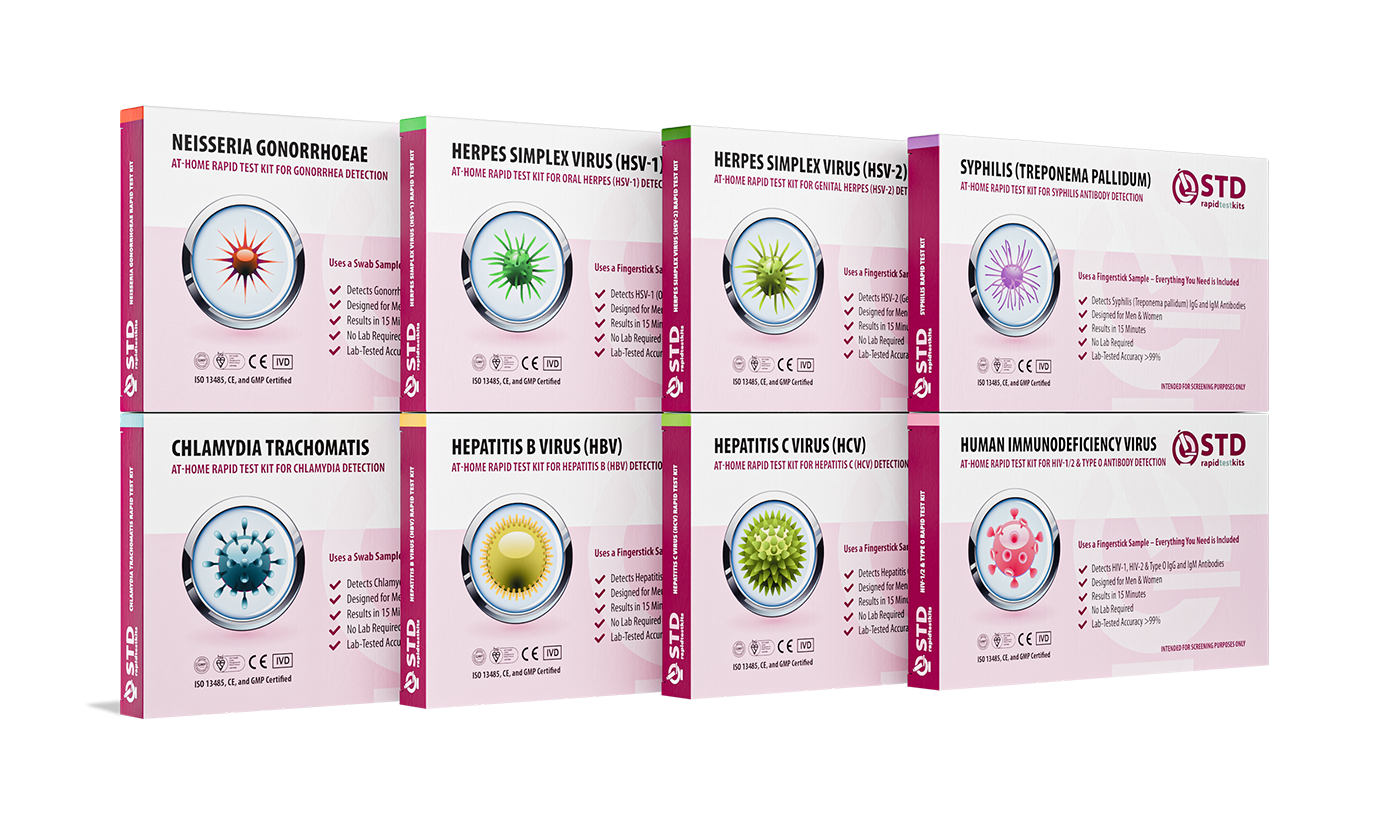 For Men & WomenResults in MinutesNo Lab NeededPrivate & Discreet
Order Now $149.00 $392.00
For all 8 tests
What Happens After You Tell Them
You’ve done it. You told them. Now what?
Here’s the part no one tells you: sometimes, nothing dramatic happens. They say “thanks,” they get tested, and life continues. Other times, you might go into a fog of adrenaline and second-guessing. That’s normal. You just did something brave. Your body might be in survival mode for a bit. Take care of yourself afterward. Have a support person ready to talk to. Journal. Walk. Eat something grounding. You’ve carried a heavy thing, and you shared it.
Monica, 27, called her ex and told him she had tested positive. “I was shaking. I felt like I was going to throw up.” He listened quietly and said: “I wish I’d told you sooner. I tested positive two months ago and didn’t say anything because I was scared.” That moment gave her closure, and gave him a second chance to do the right thing.
That’s the other hidden benefit of these talks. They don’t just protect health. They restore dignity. They show someone else that it’s possible to own your truth without shame. And sometimes, they open a door that had been shut by fear for far too long.
If you’re still unsure what to say or how to say it, know that STD Rapid Test Kits offers not just discreet testing options, but guidance on retesting timelines and partner communication. You can also discreetly order a chlamydia test kit for your partner if they’re open to it.
FAQs
1. Can you really have chlamydia and not feel a thing?
Yep. That’s what makes it so sneaky. Most people, especially those with vaginas, have zero symptoms. No burning, no discharge, nothing. It’s why you can sleep with someone who “seems clean” and still end up with it. Regular testing is how you catch it before it causes trouble.
2. What if they refuse to get tested after I tell them?
That sucks, and unfortunately, it happens. You can’t force someone to take care of their health, but you can protect yours. If they blow it off or act like you’re overreacting, that’s a huge red flag. Treat yourself, wait the full 7 days post-treatment, and consider stepping back until they’ve done the right thing.
3. How soon should they test after we were together?
Chlamydia can show up on a test around 5–7 days after exposure, but the gold standard is to wait 14 days if they want the most accurate result. If they test early and it’s negative, don’t assume they’re in the clear, retesting later is smart.
4. Is it okay to text someone instead of telling them face-to-face?
Totally. A text is more than okay, especially for casual partners or situations where you don’t feel safe. Just keep it respectful and direct. Something like: “Hey, I tested positive for chlamydia and wanted to let you know so you can get checked.” That’s enough.
5. Do I really have to tell someone I hooked up with months ago?
If you tested positive and your provider thinks it could’ve come from or been passed to someone back then, yeah, it’s worth letting them know. It might feel awkward, but they’ll probably appreciate the heads-up more than you think. You can even do it anonymously if direct contact isn’t your thing.
6. What if my partner thinks I cheated?
Ugh. This one’s hard. But just because you tested positive doesn’t automatically mean someone stepped out. Chlamydia can hang around quietly for weeks or months. It might’ve been there before the relationship started. That’s why having facts (and calm energy) helps when things get tense.
7. Can I still hook up once I’ve taken the meds?
Not right away. You need to wait a full 7 days after finishing the antibiotics before having any kind of sex, even with protection. Why? Because the infection can still be hanging out in your fluids, and jumping back in too soon can start the cycle all over again.
8. What if I test again after treatment and it’s still positive?
That could mean a few things: maybe you didn’t finish the meds, maybe your partner didn’t treat and you got reinfected, or maybe you just tested too soon. Wait at least 3–4 weeks after treatment to retest. If it’s still positive then, time to check in with a provider.
9. Will this go on my “record” or get reported to anyone?
In most countries, chlamydia isn’t something that follows you around. Your results are private, protected by health privacy laws, and won’t show up on any kind of criminal or employment record. If you tested at home, you’re the only one who sees the result unless you share it.
10. What if they get mad or ghost me after I tell them?
Then you know who they are. That reaction says more about them than about you. You did the right thing. You were honest, responsible, and kind. That’s all anyone can ask for, and a hell of a lot more than many people ever offer. Block, move on, protect your peace.
You Deserve to Say It Without Shame
You didn’t fail. You didn’t ruin anything. You got tested, took responsibility, and now you’re doing the hardest part, being honest with someone else. That takes guts most people never show.
Whether you use a script, a voice note, or an anonymous message, the act of telling someone you tested positive for chlamydia is an act of care. For them, for you, and for everyone you’ll ever be with again. Don’t let shame steal that from you.
When you’re ready, you can help your partner take the next step too. This rapid test kit is discreet, fast, and can be done from home, no awkward clinic visits, no waiting rooms. Peace of mind is just one test away.
How We Sourced This Article: We combined current guidance from leading medical organizations with peer-reviewed research and lived-experience reporting to make this guide practical, compassionate, and accurate.
Sources
1. CDC: Chlamydia – Fact Sheet
2. Planned Parenthood: Chlamydia Overview
3. Chlamydial Infections – STI Treatment Guidelines (CDC)
4. Expedited Partner Therapy (CDC)
5. Chlamydia Diagnosis and Treatment (Mayo Clinic)
6. Partner Notification and Partner Treatment for Chlamydia (NIH/PMC)
7. Chlamydia and LGV Guide: Treatment and Follow-Up (Government of Canada)
About the Author
Dr. F. David, MD is a board-certified infectious disease specialist focused on STI prevention, diagnosis, and treatment. He blends clinical precision with a no-nonsense, sex-positive approach and is committed to expanding access for readers in both urban and off-grid settings.
Reviewed by: Shelby Grant, MPH | Last medically reviewed: January 2026
This article is meant to give you information, not to give you medical advice.


