
Published: August 2025 | Last updated: April 2026 | Editorial review and quality control: Martina N.
Most people picture syphilis as a dramatic skin infection with obvious sores, swollen glands, and a clear timeline. The reality is quieter, and stranger. Many people who test positive for syphilis felt completely fine the day before their result, with no rash, no sore, no warning sign at all. This is not a rare edge case. It is how syphilis typically behaves once the initial infection slips past the body's notice.
If you have ever wondered whether you could have syphilis without knowing, the honest answer is yes. The reassuring part is that finding out is faster and more private than it used to be, and treatment after a positive result is straightforward. The hard part is making the decision to test when nothing feels wrong.
Can you have syphilis without symptoms?
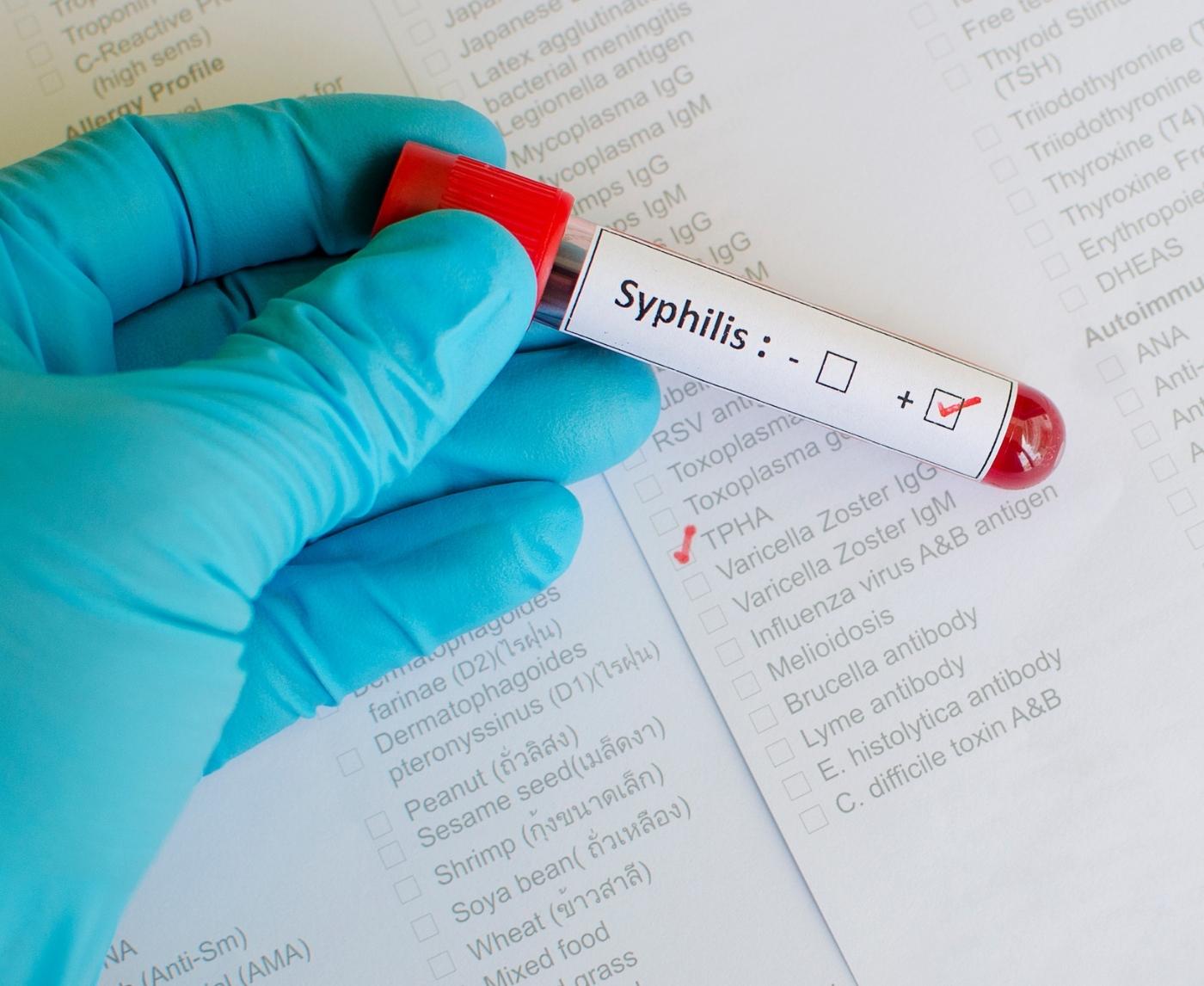
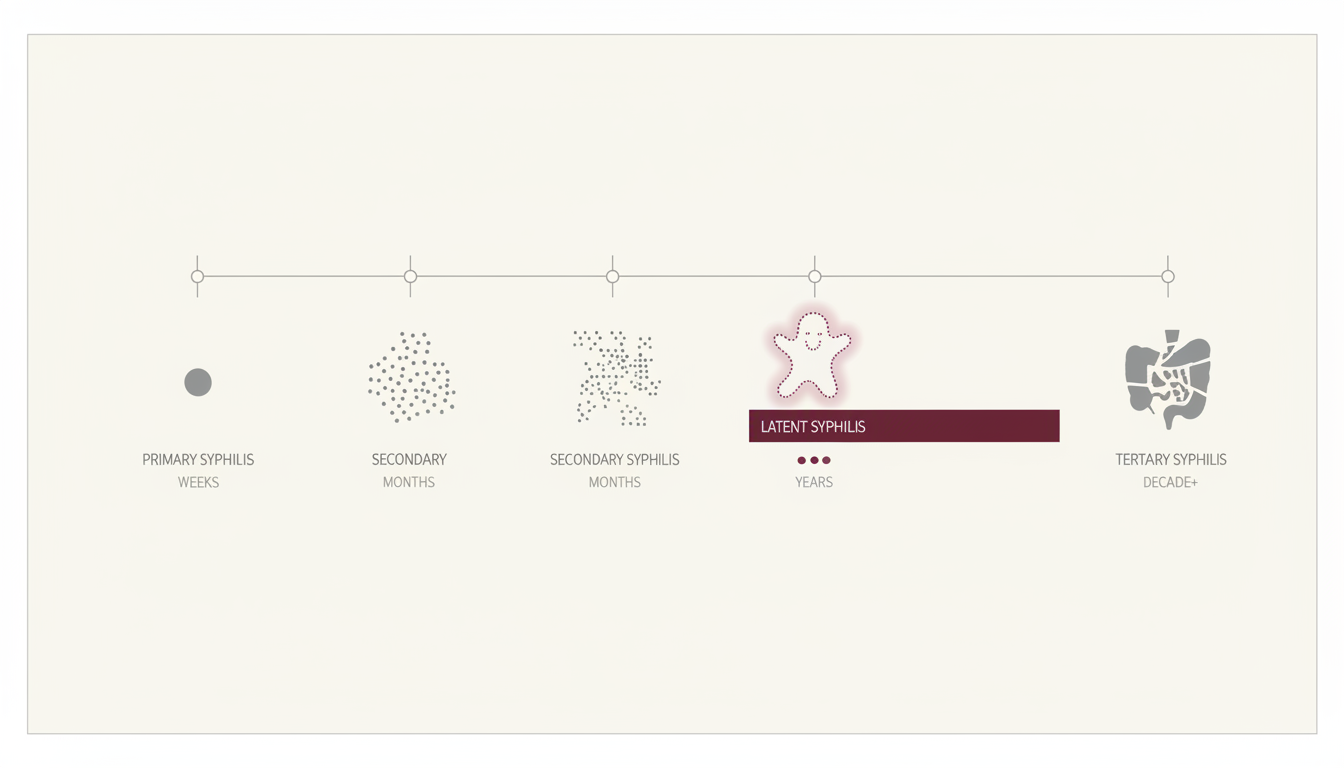
Yes. The early sore (called a chancre) is usually painless, often hidden, and heals on its own within three to six weeks. After that, the infection moves into a latent stage where there are no visible signs at all, sometimes for years. The CDC defines the latent stage as a period when there are no visible signs or symptoms. The only reliable way to know your status is a blood test, even when you feel completely well.
Key Takeaways
- If you have ever had unprotected oral, vaginal, or anal sex, you can have syphilis and feel fine. Many cases are caught only during routine screening or pregnancy panels, not because of symptoms.
- Syphilis is curable. Caught in the primary, secondary, or early latent stage, it usually clears with a single dose of benzathine penicillin G. Untreated, it can damage the heart, brain, eyes, and nerves years later.
Why Syphilis Often Goes Unnoticed
Syphilis is sometimes called the great imitator. Its symptoms can mimic dozens of other conditions, and at every stage they tend to be subtle, fleeting, or absent altogether. The World Health Organization states bluntly that many people with syphilis do not have symptoms or do not notice them. That single sentence explains why the infection keeps spreading even when people are convinced they would know.
The bacterium responsible, Treponema pallidum, evolved to do exactly this. It enters the body through tiny breaks in skin or mucous membranes during oral, vaginal, or anal sex. Within roughly three weeks (sometimes longer), it produces a single sore at the entry site. The sore does not hurt. It often heals on its own. By the time the immune system has produced enough antibodies to be measurable on a test, the bacterium has already migrated into the bloodstream and other tissues.
The result is an infection that can sit in the body for years while the person carrying it feels healthy, dates new partners, or even passes a routine annual physical that did not include an STI panel. The only way to interrupt the silence is a blood test.
The World Health Organization estimates that around 8 million adults aged 15 to 49 acquired syphilis globally in 2022. Most found out through a routine test or a pregnancy panel rather than because of symptoms, which is why the WHO frames syphilis as a quiet, screening-driven diagnosis rather than a symptom-driven one.
The Four Stages: How Symptoms Vanish
Syphilis moves through four distinct phases. Each looks different on different bodies, and the windows where symptoms are visible are short. The table below summarizes what to expect at each stage and why so many people pass through several stages without ever realizing they were infected.
| Stage | What Shows Up | Typical Timing | Why It Gets Missed |
|---|---|---|---|
| Primary | Single painless sore (chancre) at the entry site | 10 to 90 days after exposure | Sores in the vagina, cervix, rectum, or throat are physically hidden and do not hurt |
| Secondary | Body rash, often on palms and soles, plus swollen glands, fever, sore throat, fatigue | 2 to 12 weeks after the chancre | Symptoms fade on their own and look like dozens of other conditions |
| Latent | No visible signs or symptoms at all | Months to years | By definition there is nothing to notice; only a blood test reveals it |
| Tertiary | Damage to heart, blood vessels, brain, eyes, nerves | 10 to 30 years after infection | By this point the original exposure has been forgotten and damage may be permanent |
Why Latent Does Not Mean Cured
The latent stage causes the most confusion. People feel fine, the rash is gone, and they assume their body sorted things out. The infection has not gone anywhere. It has just stopped producing visible symptoms. The bacterium continues to live inside the body, slowly damaging tissues and waiting for an opportunity to flare.
Latent syphilis is split into two parts. Early latent (the first year after infection) is still potentially infectious to sexual partners. Late latent (everything after that) is generally not transmissible by sex, but the bacterium continues to do quiet damage. Without treatment, a meaningful share of people in the latent stage eventually progress to tertiary syphilis, where the infection can affect the central nervous system, the cardiovascular system, or both.
This is why screening matters even when you feel completely well. Catching latent syphilis means you treat the bacterium before it has a chance to do irreversible damage, and it stops the chain of transmission to current and future partners.
Latent syphilis still spreads from a pregnant person to a developing fetus at very high rates, even when the parent has no symptoms at all. This is why prenatal syphilis testing is part of routine first-trimester care everywhere in the United States, with repeat testing in the third trimester for higher-risk pregnancies.
Why People Miss the Early Sore
The chancre is the body's first visible reaction to syphilis. It usually appears at the place where the bacterium entered: the lips, mouth, throat, vulva, vagina, cervix, anus, rectum, penis, or scrotum. It is typically a single round, firm sore with a clean rolled edge. It does not hurt. It does not itch. And it usually disappears on its own within three to six weeks, with or without treatment.
The reason so many people never notice the chancre is anatomy plus painlessness. A sore on the back of the throat or inside the rectum is invisible. A sore on the cervix is hidden by anatomy that most people never look at. A sore on the inner labia or under the foreskin can be small enough to dismiss as a friction burn or an ingrown hair. Even a chancre on the lip or tongue gets mistaken for a stress sore or a cold sore.
The NHS notes that you may not notice these sores if they are inside the body and are not painful. The chancre fades on its own. The infection does not.
Who Should Test, Even Without Symptoms
If you have ever had unprotected oral, vaginal, or anal sex, you can have syphilis. That includes brief exposures, partners you trusted, and partners who tested negative for other STIs. The point of testing is not suspicion. It is information. Below are the most common scenarios where a test is the right move regardless of how you feel.
| Situation | When to Test | Why |
|---|---|---|
| New partner or unprotected sex with a partner of unknown status | 6 weeks after exposure, then again at 12 weeks | Antibody-based tests can miss very recent infection inside the first few weeks |
| Already tested positive for another STI such as HIV, gonorrhea, or chlamydia | Now | Co-infection with syphilis is common and changes treatment urgency |
| Pregnant or planning a pregnancy | First prenatal visit, with repeat testing in the third trimester for higher-risk pregnancies | Untreated syphilis crosses the placenta and is highly preventable with one shot |
| Multiple partners, partners with multiple partners, or on PrEP | Every 3 to 6 months | Routine screening catches infections during latent periods, before any symptom |
| Partner just tested positive for syphilis | Within a week, then again at 6 and 12 weeks if first result is negative | Recent exposures may not yet show on antibody testing |
How At-Home Syphilis Tests Work
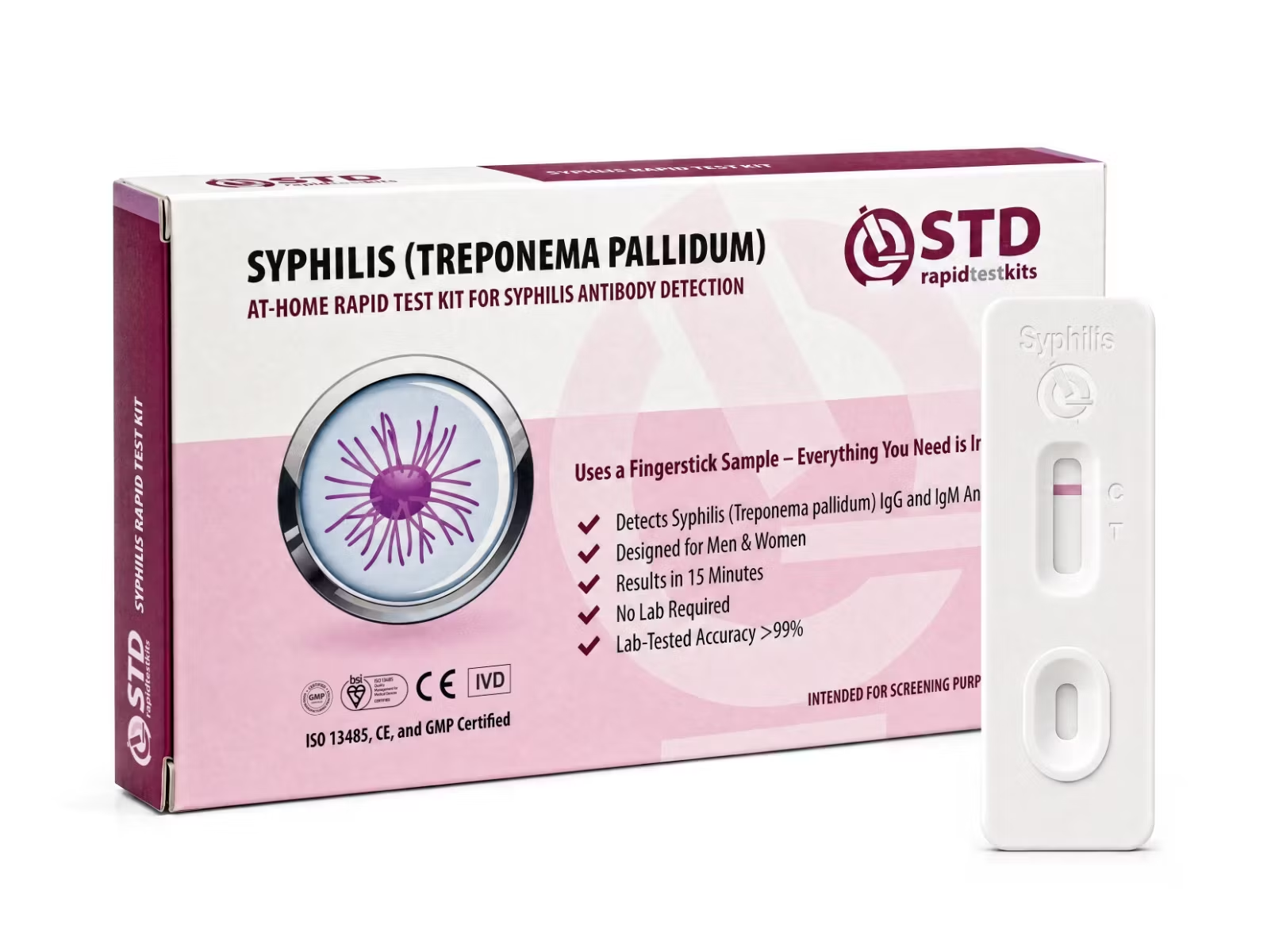
Lab-based syphilis testing is a two-step process: an initial screening test, then a confirmatory test using a different method. At-home rapid tests work on the same biology. They use a fingerstick blood sample and a lateral-flow strip that detects antibodies the body produces in response to Treponema pallidum.
Lateral-flow chemistry is not the same technology a clinical lab uses. Labs run treponemal-specific immunoassays and non-treponemal antibody titers for higher analytical sensitivity, and these are the gold standard for diagnosis. Home tests use lateral-flow immunoassay, which is simpler and built for screening. Used after the antibody-development window (about three weeks for early antibodies, six weeks or more for reliable results), our syphilis home test product page reports 99.4% accuracy overall (lateral-flow immunoassays typically report a single accuracy figure rather than separate sensitivity and specificity values).
Two practical points. First, a positive home result should be confirmed by a clinic or telehealth provider before treatment, because confirmatory tests distinguish active infection from antibodies left over from a past treated infection. Second, a negative home test taken within two weeks of a possible exposure is not conclusive; retest at six weeks if you remain uncertain.
Disclosure: this site sells a rapid syphilis blood test, and the product description below draws on the kit's product page. Recommendations in this article are based on fit-for-purpose for the reader's concern, not commercial benefit.
If Your Test Is Positive: Treatment That Works
A positive result is unsettling, especially when nothing felt wrong. The reassuring news is that syphilis is one of the most treatable STIs in existence. Primary, secondary, and early latent syphilis usually clear with a single intramuscular injection of benzathine penicillin G. Late latent or tertiary syphilis requires three weekly injections of the same antibiotic. People allergic to penicillin can take doxycycline, and in pregnancy, allergic patients are desensitized so they can receive the standard penicillin dose, because nothing else reliably crosses the placenta.
After treatment, your provider will schedule follow-up blood tests at 6, 12, and sometimes 24 months to confirm the bacterium is cleared. The non-treponemal antibody titer should drop fourfold within 6 to 12 months for early-stage infections. If it does not, treatment failure or reinfection is possible, and a different protocol is used.
Penicillin treatment can trigger a Jarisch-Herxheimer reaction within hours of the first dose: fever, chills, headache, and muscle aches. It usually passes within 24 hours and is not an allergic reaction. It is the body's response to large numbers of bacteria dying at once. Stay hydrated, take an over-the-counter pain reliever if your provider approves it, and call your provider if symptoms last more than a day.
Pregnancy and Congenital Syphilis
Untreated syphilis in pregnancy is one of the most preventable causes of stillbirth and infant death in the world. The bacterium crosses the placenta and infects the fetus, which can lead to miscarriage, premature birth, low birth weight, or serious newborn complications including bone deformities, hearing loss, and neurological damage.
The CDC's most recent surveillance shows that congenital syphilis cases in the United States are nearly 700% higher than they were a decade ago, with nearly 4,000 reported cases in 2024. Most of these cases occurred among pregnant people who either did not receive prenatal care or received it late in pregnancy. Almost all of them were preventable with timely testing and a single course of treatment.
This is why every major guideline recommends syphilis testing at the first prenatal visit, with repeat testing in the third trimester (and at delivery) for anyone living in a high-prevalence area or with ongoing risk factors. If you are pregnant, planning a pregnancy, or recently postpartum, treat syphilis screening as a routine part of prenatal care, not as a special request.
A single dose of benzathine penicillin G during pregnancy prevents nearly all cases of congenital syphilis when given at least 30 days before delivery. Earlier in pregnancy is better, but treatment at any point reduces risk to the baby.
Syphilis Is Not Just One Group's Problem
Public health campaigns historically targeted specific demographics, and that framing leaks into how readers think about their own risk. The actual epidemiology has shifted. Syphilis rates have risen in nearly every demographic over the past decade, including cisgender women in monogamous relationships, heterosexual couples, and pregnant people. The bacterium does not check sexual orientation, gender identity, or relationship status before transmitting.
A few groups carry higher baseline risk based on testing patterns and exposure data. Lower baseline risk is not the same as zero risk. If you have ever had a partner whose history you are not sure of, screening once and then on a regular cadence is the only way to be confident about your status.
- Men who have sex with men.
- People on PrEP, who are by definition sexually active without a barrier and are screened by their PrEP provider as a routine.
- Pregnant people in regions with rising prevalence, plus repeat testing in the third trimester where indicated.
- People who exchange sex for money, drugs, or housing.
- Anyone with a partner who recently tested positive for syphilis or another STI.
Talking to Partners About a Positive Result
Public health departments call this partner notification. The reader-facing version is simpler: anyone you have had sexual contact with in the past three months for primary syphilis, six months for secondary, or up to a year for early latent should know. They should test, and if positive, treat. This is not a confession of cheating. Syphilis can sit silent for months or years, which means the original exposure could have happened well before the current relationship started.
You do not have to do this alone. Most US states offer anonymous partner notification through the local health department, and several telehealth platforms include similar services that send a notification by text or email without revealing your name. Most people respond with thanks rather than blame, especially when the message is calm and direct.
If you want a starting point, this works: "I tested positive for syphilis during a routine screen. You may want to get tested too." That is enough. No backstory required, no apology owed. Anonymous notification through a state health department or a telehealth platform is also an option if a direct message feels like too much.
Can Syphilis Come Back After Treatment?
Treatment clears the current infection but does not produce immunity. Reinfection happens, and it is more common than people expect, especially in the first year or two after a positive result while ongoing exposures stay the same. The CDC recommends retesting at 3, 6, and 12 months after treatment, and then on the same screening cadence your overall STI risk profile suggests.
Condoms reduce the risk of transmission but do not eliminate it. Syphilis sores can occur on areas of skin a condom does not cover, and skin-to-skin contact with an active sore is enough to transmit the bacterium. Routine screening, especially every 3 to 6 months for people with multiple partners or new partners, is the more reliable safeguard.
The latent stage of syphilis is a period when there are no visible signs or symptoms.
Test for Syphilis Plus Common Co-Infections
Syphilis often turns up alongside HIV, hepatitis B, hepatitis C, chlamydia, or gonorrhea. If you are testing for one because of a recent exposure, the practical move is to test for the others at the same time. A combination kit screens broader risks in a single sitting without requiring a separate trip to the clinic for each infection.
FAQs
- Can I have syphilis without ever having a sore?
- Yes. Many people never notice the chancre because it is painless and often hidden inside the vagina, cervix, rectum, throat, or under the foreskin. The sore also heals on its own in three to six weeks. The infection continues spreading inside the body even after the sore disappears.
- How accurate are at-home syphilis rapid tests?
- Home rapid tests detect antibodies to Treponema pallidum. Our syphilis home test product page reports 99.4% overall accuracy when used per the kit instructions; lateral-flow immunoassays typically report a single accuracy figure rather than separate sensitivity and specificity values. For best results, follow the kit instructions, read results inside the time window, and confirm any positive result with a clinic-based test before starting treatment.
- How long can syphilis stay in my body undetected?
- The latent stage can last for years, sometimes decades. Without treatment, a meaningful share of people in the latent stage eventually develop tertiary syphilis, which can affect the heart, brain, eyes, and nerves. Routine blood testing is the only way to find a latent infection.
- Should I test if I feel fine and have not had a new partner recently?
- If you have ever had unprotected oral, vaginal, or anal sex, yes. Routine screening is the only reliable way to detect syphilis when it is still easy to treat. Anyone in pregnancy or planning a pregnancy should test as part of prenatal care, not as a special request.
- If my partner tested positive, does that mean someone cheated?
- Not necessarily. Syphilis can stay quietly in the body for months or years before being diagnosed, so the original exposure may predate the current relationship. The priority is testing both partners and treating anyone who is positive.
- Can I get syphilis again after I have been treated?
- Yes, a cleared infection does not leave you immune. Prior antibodies can also complicate interpreting a home test after a possible re-exposure, which is one reason providers prefer non-treponemal titers for monitoring. Retest at 3, 6, and 12 months post-treatment, then return to your regular screening schedule.
- Is syphilis really curable with one shot of antibiotics?
- For primary, secondary, and early latent syphilis, yes. A single intramuscular dose of benzathine penicillin G is the standard cure. Late latent and tertiary syphilis require three weekly doses. Treatment is highly effective when started before significant tissue damage has occurred.
- When should I retest after a possible exposure?
- Most guidelines recommend testing at 6 weeks after the suspected exposure, with a follow-up at 12 weeks if the first result is negative. Testing within the first two weeks may miss a recent infection because antibodies have not yet developed.
- U.S. Centers for Disease Control and Prevention. About Syphilis: stages, symptoms, treatment, and the formal definition of the latent stage as having no visible signs or symptoms.
- World Health Organization. Syphilis fact sheet, including the 2022 estimate of 8 million new adult cases globally and the statement that many people with syphilis do not have symptoms or do not notice them.
- National Health Service (UK). Syphilis information page, covering UK guidance on symptoms, testing, and treatment, including the note that early sores are often mild or unnoticed and can be hidden inside the body.
- U.S. Centers for Disease Control and Prevention. Annual STI surveillance, including provisional 2024 data showing congenital syphilis cases nearly 700% higher than a decade earlier and nearly 4,000 reported cases in 2024.
- Mayo Clinic. Syphilis symptoms and causes overview, including stage progression, treatment with penicillin, and untreated complications affecting the heart, brain, and nervous system.
