







Quick Answer: STD shame can trigger intense anxiety, depression, isolation, and panic, even if the infection is treatable. The stigma, not the diagnosis, is often what causes the deepest harm.
This Isn’t Just About a Test Result, It’s About Your Worth
After an STD diagnosis, many people don’t just worry about their health, they question their entire identity. A 23-year-old Reddit user wrote, “I felt like trash. Like I deserved it. Like this proved everything bad I ever believed about myself.” That’s not about herpes. That’s shame talking. And shame has teeth.
STD stigma is deeply rooted in culture. It’s not just about germs, it’s about morality, promiscuity, “cleanliness,” and worth. The language we use (like “clean vs dirty”) reinforces this toxic binary. And when those cultural scripts collide with personal vulnerability, especially after a hookup, a breakup, or a moment you regret, the spiral can be devastating.
According to the CDC, more than 1 in 2 people will contract an STD by age 25. Yet the shame remains strong because the narrative is skewed: most people think it happens to “someone else.” When it happens to them, they think they’re broken.

People are also reading: Can You Get an STD from a Tattoo or Piercing? What Science Really Says
The Spiral: How STD Shame Hijacks Your Mental Health
Let’s break down how the shame hits:
| Stage | Mental Health Impact | Common Thoughts |
|---|---|---|
| Shock | Fight-or-flight response, panic, disassociation | “This can’t be happening. I’m disgusting.” |
| Isolation | Withdrawal, hiding from friends/partners | “No one will ever want me again.” |
| Self-Blame | Rumination, low self-esteem, guilt spirals | “It’s my fault. I was reckless.” |
| Depression | Lack of motivation, appetite, joy; hopelessness | “I don’t even care anymore. I deserve this.” |
| Anxiety | Hypervigilance, racing thoughts, insomnia | “What if I gave it to someone? What if everyone finds out?” |
Figure 1. The mental health stages that often follow STD diagnosis. These are shame responses, not medical symptoms.
None of these reactions come from the virus or bacteria itself. They come from the meaning we’ve learned to attach to it. That’s where the damage lives.
“I Got Herpes at 19. I Thought My Life Was Over.”
Sienna, 19, was a freshman in college when she felt the sting. She thought it was a UTI. It wasn’t. It was genital herpes.
“I told no one for months. I cried in bathrooms. I skipped class. I honestly thought, ‘I’ll never be touched again.’ Not because of the symptoms, because of what I thought having herpes meant about me.”
Sienna’s story isn’t rare. Herpes is one of the most common STDs in the world. An estimated 3.7 billion people under age 50 have HSV-1 (oral herpes), and over 490 million people have HSV-2 (genital herpes). But shame thrives in secrecy, and the less we talk about it, the more it rots.
It wasn’t until Sienna saw a TikTok of someone talking openly about their diagnosis that she reached out for support. “It was like I could breathe again,” she said. “Not because anything changed in my body, but because someone made it feel normal.”
If you’ve ever whispered your diagnosis to Google at 3AM, you’re not alone. And you’re not dirty. You’re human. And humans get STDs.
Check Your STD Status in Minutes
Test at Home with Remedium7-in-1 STD Test Kit
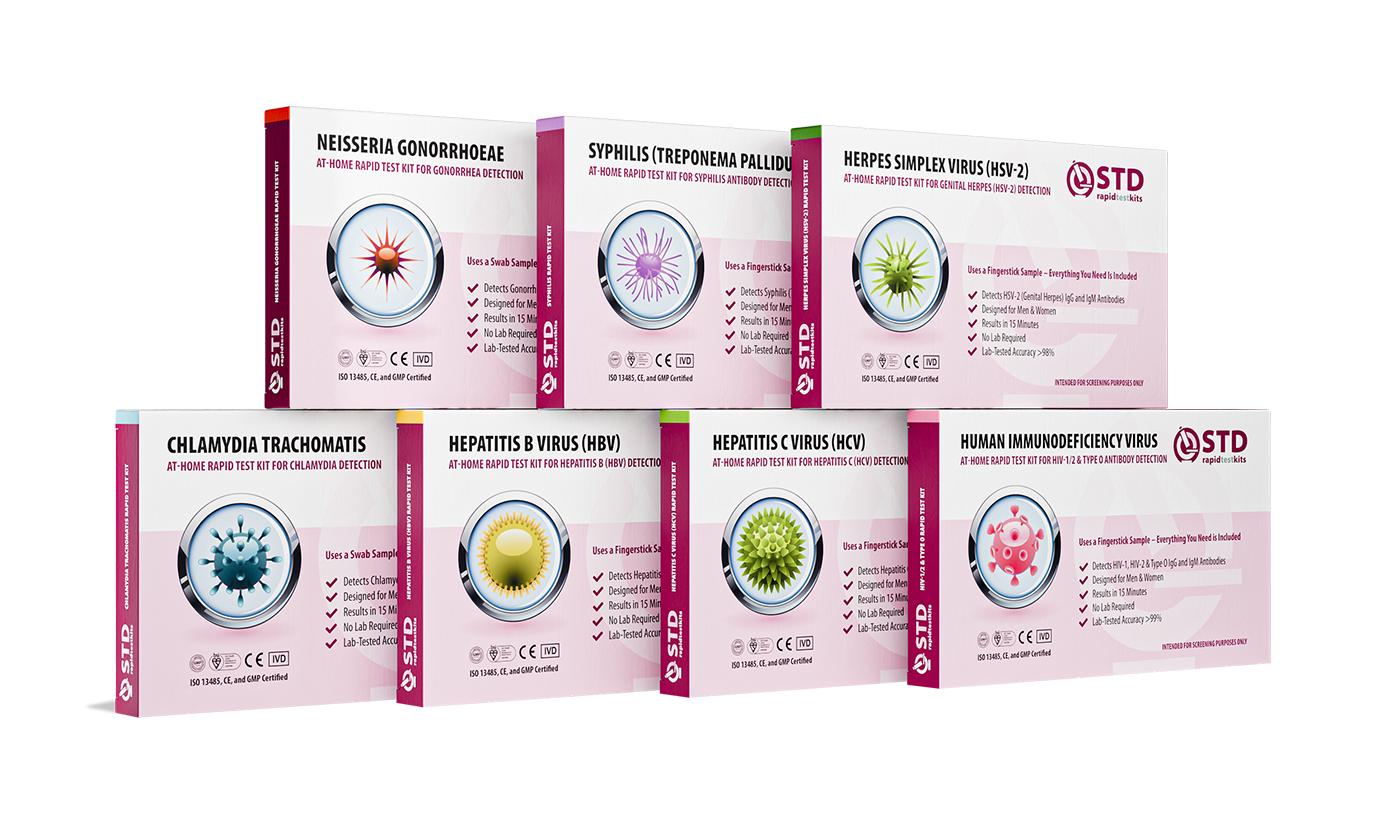
 For Men & Women
 Results in Minutes
 No Lab Needed
 Private & Discreet
Order Now $129.00 $343.00
For all 7 tests
From Panic to Action: Reclaiming Your Mental Health
You don’t have to live in the spiral. STD shame is powerful, but it’s also learnable, and that means it’s unlearnable. Here’s where you start:
First, get clarity. If you haven’t already, take a test to confirm your status. Uncertainty feeds anxiety. A discreet at-home test can give you answers without the stress of a clinic visit. This combo STD test checks for the most common infections with results in minutes.
Then, ground yourself in facts. Most STDs are treatable. Some (like chlamydia and gonorrhea) can be cured with antibiotics. Others, like herpes or HIV, are manageable with proper care. The worst damage usually comes not from the microbe, but from the emotional story you attach to it.
Finally, name it. Whether it’s writing in a journal, texting a friend, or saying it out loud: “I tested positive, and I’m dealing with it.” Shame thrives in silence. Speaking it out loud weakens its grip.
Where the Shame Comes From: It’s Not Just You
Shame doesn’t live in your bloodstream, it’s poured into your head, drip by drip, over time. Most of us were taught to associate STDs with failure. With recklessness. With being “used up.” We weren’t just taught to fear infection, we were taught to fear what it means about us.
And those messages come from everywhere:
| Source of Shame | Examples | Impact |
|---|---|---|
| Sex Ed | Abstinence-only programs, scare tactics, lack of LGBTQ+ inclusion | STD = punishment. STD = moral failure. |
| Media | Jokes about herpes, fear-mongering headlines, “clean” language in dating apps | Reinforces stigma, trivializes lived experiences |
| Healthcare | Judgmental clinicians, lack of trauma-informed care | Discourages testing and treatment; internalized guilt |
| Family & Religion | Messages that equate sex with sin, or STDs with impurity | Creates deep internal shame that’s hard to shake |
Figure 2. Common societal contributors to STD-related shame and their emotional effects.
The result? You can take a tiny, easily treatable infection like chlamydia and make it feel like a life sentence, not because of what it does to your body, but what it does to your self-image.
STD Diagnosis in Relationships: The Shame Can Explode
Now layer all that stigma onto a relationship. For some, a diagnosis leads to supportive conversations and next steps. For others, it detonates everything.
Jordan, 27, was in a monogamous relationship when they tested positive for HPV.
“I didn’t cheat. They didn’t cheat. We still don’t know who had it first. But that didn’t stop the spiral. I blamed myself. My partner panicked. We both shut down. The STD wasn’t the worst part, it was the silence.”
HPV is so common that nearly everyone with a cervix or penis will get it at some point, most without symptoms. But we don’t teach people that. So when it shows up on a test, people feel ambushed and ashamed.
What worsens the mental impact is not the virus. It’s the lack of information, the absence of scripts, the silence. Nobody tells you how to navigate testing positive while in love, in a situationship, or in an undefined connection. Shame fills the vacuum, and it can break even solid relationships.
If you're navigating a similar moment, you don’t need to do it alone. Here’s one script to start: “I got tested. Something came up. I want to share it because I respect you, and I want us to be safe. This doesn’t define either of us.”
And if you need to test your partner, there’s a discreet way to do it from home.
Sexuality, Self-Worth, and the Lie of “Clean”
STD shame often steals your sexual confidence. People report avoiding intimacy, refusing to date, or resigning themselves to being “damaged goods.” These aren’t rare stories, they’re common, especially for women, queer people, and survivors of sexual trauma.
One of the worst offenders is the word “clean.” As in, “Are you clean?” or “I’m clean, don’t worry.” It sounds innocent. It’s not. It draws a line between “clean” and “dirty.” Between worthy and unworthy. And it doesn’t just affect people who test positive, it creates terror for everyone.
Let’s be clear: You are not dirty. A positive result does not revoke your right to pleasure, partnership, or self-respect. Having an STD does not make you less deserving of love or intimacy. That belief is a lie. And lies can be unlearned.
Want to start over? You can. In fact, many people do, by choosing partners who are informed, kind, and nonjudgmental. By learning the facts. And by testing regularly not out of fear, but out of care.

People are also reading: Public Toilet STD Myths: What You Can (and Can’t) Catch
You’re Not Alone: The Numbers Tell a Different Story
Sometimes the best antidote to shame is context. Here's what the data shows:
- 1 in 2 sexually active people will contract an STD by age 25
- Over 500 million people worldwide live with genital herpes
- Chlamydia is the most commonly reported STD in the U.S., with 1.6 million cases per year
- Most STDs are asymptomatic, meaning people carry and transmit without knowing it
The point? This is not rare. This is not failure. This is part of human sexuality. And the shame you feel? It’s been constructed around you, not earned.
How to Heal Mentally After an STD Diagnosis
Here’s the good news: shame is not permanent. Neither is the emotional wreckage it leaves behind. Recovery takes time, but it’s possible. It starts with one truth, this diagnosis does not define you. It never did.
Here are the pillars of healing we see most often in people who come out the other side feeling whole again:
- Education rewrites the script. Learn the facts. Know how the infection works, how common it is, and what your treatment options are. Understanding how herpes or HPV behaves can dismantle the fear that comes from the unknown.
- Community shrinks the shame. Find people who’ve been through it. Whether it’s TikTok confessions, subreddit threads, or private Facebook groups, you’ll realize you’re not weird, you’re one of millions.
- Language matters. Stop saying you’re “clean” or “dirty.” Use words like “tested” and “treated.” Change the script, and you start changing your mind.
- Therapy helps. Especially if you’re dealing with trauma, past relationship wounds, or deep self-loathing. A therapist trained in sexual health or trauma can help separate your identity from your diagnosis.
- Testing becomes empowerment. Once you reclaim testing as a tool for care, not punishment, you begin to shift the story entirely. You can test discreetly, on your terms, and retest as needed without judgment.
There’s no timeline for mental recovery. Some people bounce back in weeks. Others take months or years. That’s okay. The goal isn’t to erase the experience. It’s to integrate it, and come out wiser, not wounded.
Check Your STD Status in Minutes
Test at Home with Remedium10-in-1 STD Test Kit
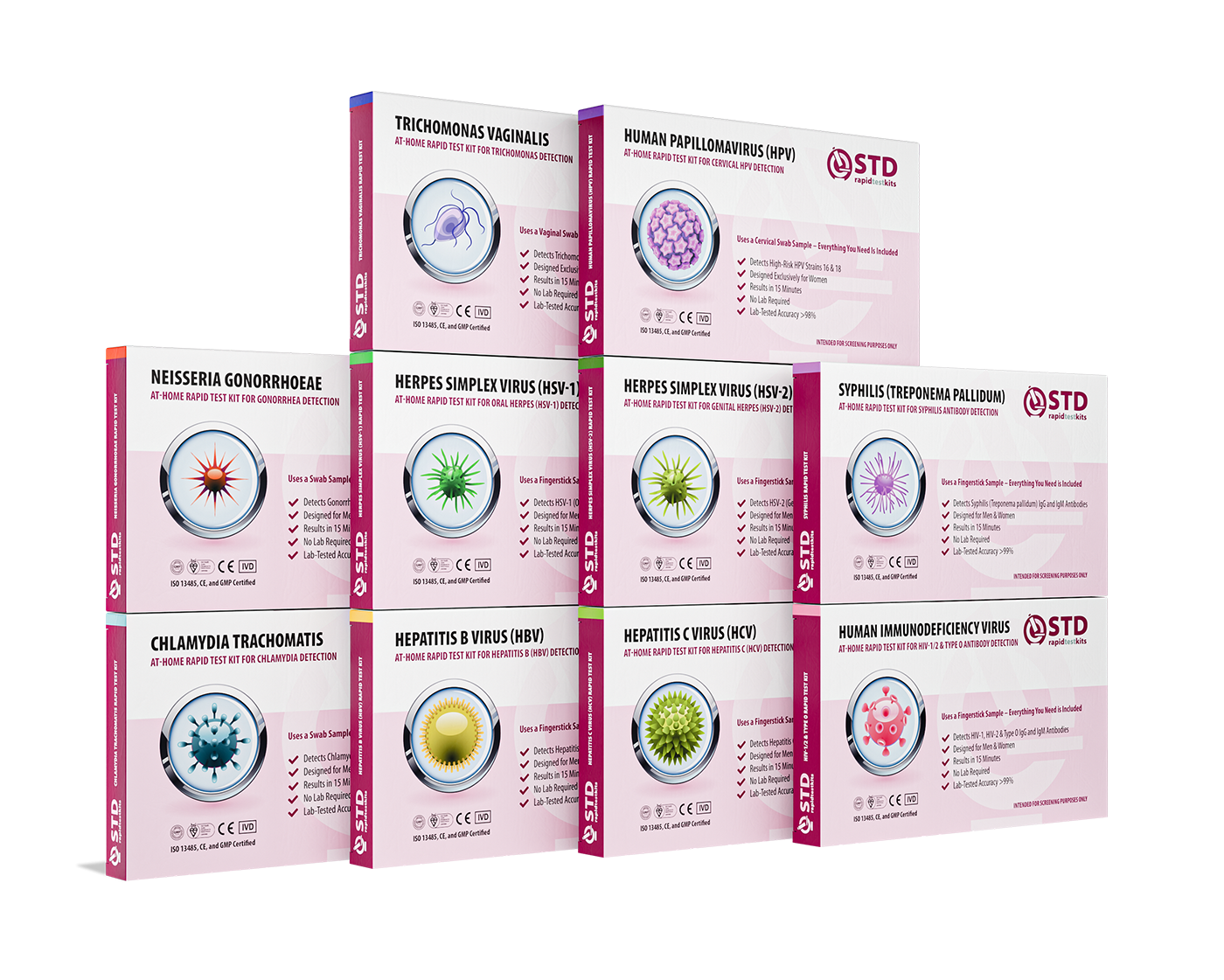
 For WomenResults in MinutesNo Lab NeededPrivate & Discreet
Order Now $189.00 $490.00
For all 10 tests
“Herpes Didn’t End My Sex Life, Shame Almost Did”
Marco, 31, tested positive for HSV-2 after a casual relationship ended. The test result was one thing. The identity crisis was another.
“I ghosted everyone. I deleted the dating apps. I told myself no one would want me. I spent a year hiding, and it wasn’t because I had outbreaks. I barely had symptoms. It was the idea of myself as ‘unclean’ that ruined me.”
What helped Marco recover? Finding a community where herpes wasn’t taboo. Hearing other people describe their own sex lives, still thriving, still joyful, made him challenge the shame.
“I still disclose. I still carry protection. But I also carry pride now. Not because I have herpes, but because I survived what the shame tried to do to me.”
Your story doesn’t have to end with silence. If you’re ready to start talking, start testing, or just start feeling again, that’s healing. That’s the arc. From panic to peace.
What to Say (To Yourself or Others)
Words have power. If you’ve just been diagnosed and your brain is spiraling, here are a few scripts to anchor you.
If you’re talking to yourself: “This doesn’t make me gross. This makes me human. And I’m allowed to be human.”
If you’re talking to a partner: “I tested positive for something common and manageable. I care about you, and I wanted to be honest so we can make decisions together.”
If you’re talking to a friend: “Can I talk to you about something health-related? I don’t need advice, I just need to say it out loud.”
Disclosure doesn’t have to be a confession. It can be an act of care. And it can start with just one sentence. The rest gets easier.
Still unsure where you stand? One way to take back control is to retest when you're ready, not to prove anything to anyone, but to remind yourself: your health is in your hands.

People are also reading: Can You Get an STD from a Toilet Seat or Toilet Paper? A Medical Breakdown
STD Myth vs Mental Health Fact
Let’s bust a few common myths that fuel mental decline after diagnosis, and replace them with reality.
| Myth | Why It Hurts | The Truth |
|---|---|---|
| “Only promiscuous people get STDs.” | Creates shame, isolation, and judgment | Anyone sexually active can get an STD, even with one partner |
| “My sex life is over now.” | Leads to depression, avoidance, and low self-worth | Millions of people with STDs have safe, joyful, fulfilling sex |
| “I’ll never find a partner who accepts this.” | Triggers fear of abandonment and deep anxiety | Disclosure is hard, but many people understand and stay |
| “I’m dirty now.” | Feeds long-term self-loathing and identity damage | Your status doesn’t change your worth, language matters |
Figure 3. Common STD myths and their impact on mental health.
These lies don’t just confuse people, they isolate them. And that isolation can spiral fast into real psychological pain. Knowing the facts doesn’t just help you manage your health. It helps you reclaim your narrative.
FAQs
1. Why did testing positive make me feel so… broken?
Because shame doesn’t whisper, it screams. Even though most STDs are treatable (and common!), we’re taught they mean you messed up. That’s a lie. What’s broken is the stigma, not you.
2. I can’t stop thinking about it. Is that normal?
Totally. A lot of people spiral after a diagnosis, replaying what happened, how it happened, and who might judge them. It’s your brain trying to make sense of a shock, but it’s exhausting. A good therapist or even just journaling it out can help stop the loop.
3. Will anyone ever want to date me again?
Absolutely. Like, truly. It might not be the person you’re crushing on now, but plenty of people know that STDs are just part of being a sexually active adult. The right people won’t flinch when you tell them. (And trust me, the wrong ones would’ve flinched at something else anyway.)
4. What if I feel fine physically but mentally wrecked?
That happens all the time. You might not even have symptoms, but the emotional punch still lands hard. Mental health after an STD doesn’t follow physical symptoms, it follows stories. And we’ve all been fed some toxic ones.
5. Do I have to tell my partner?
Legally? Depends on where you live. Ethically? If there’s risk of transmission, yeah, it’s part of caring. But telling someone doesn’t mean you have to spill your whole sexual history. Just be real, be clear, and be kind. “This came up on a test. I wanted you to know because I care.” That’s enough.
6. Can I still have sex after an STD diagnosis?
Hell yes. Depending on what you have, there might be a short window where you pause, say, during treatment or an outbreak, but you’re not banned from pleasure. Millions of people with STDs are out here having safe, hot, consensual sex. You can too.
7. Why does the word ‘clean’ piss people off so much?
Because it implies everyone else is dirty. It’s language soaked in shame. Better to say “tested” or “negative.” Clean should be for laundry, not bodies.
8. I haven’t told anyone. Is that okay?
Yes. You get to move at your own pace. But shame festers in silence, so when you’re ready, even saying it out loud to your own reflection can start to loosen the weight. You don’t owe anyone your story. But you do deserve to stop carrying it alone.
9. What if I want to test again just for peace of mind?
Do it. Testing isn’t just medical, it’s emotional hygiene. If it’ll help your brain stop racing at 2AM, that’s reason enough. You can retest at home without anyone needing to know.
10. Can I get past this?
Yes. That doesn’t mean it never hurt. But it means it won’t define you forever. Give it time. Give yourself grace. And maybe bookmark this article for the nights when the shame tries to sneak back in.
Check Your STD Status in Minutes
Test at Home with Remedium3-in-1 STD Test Kit
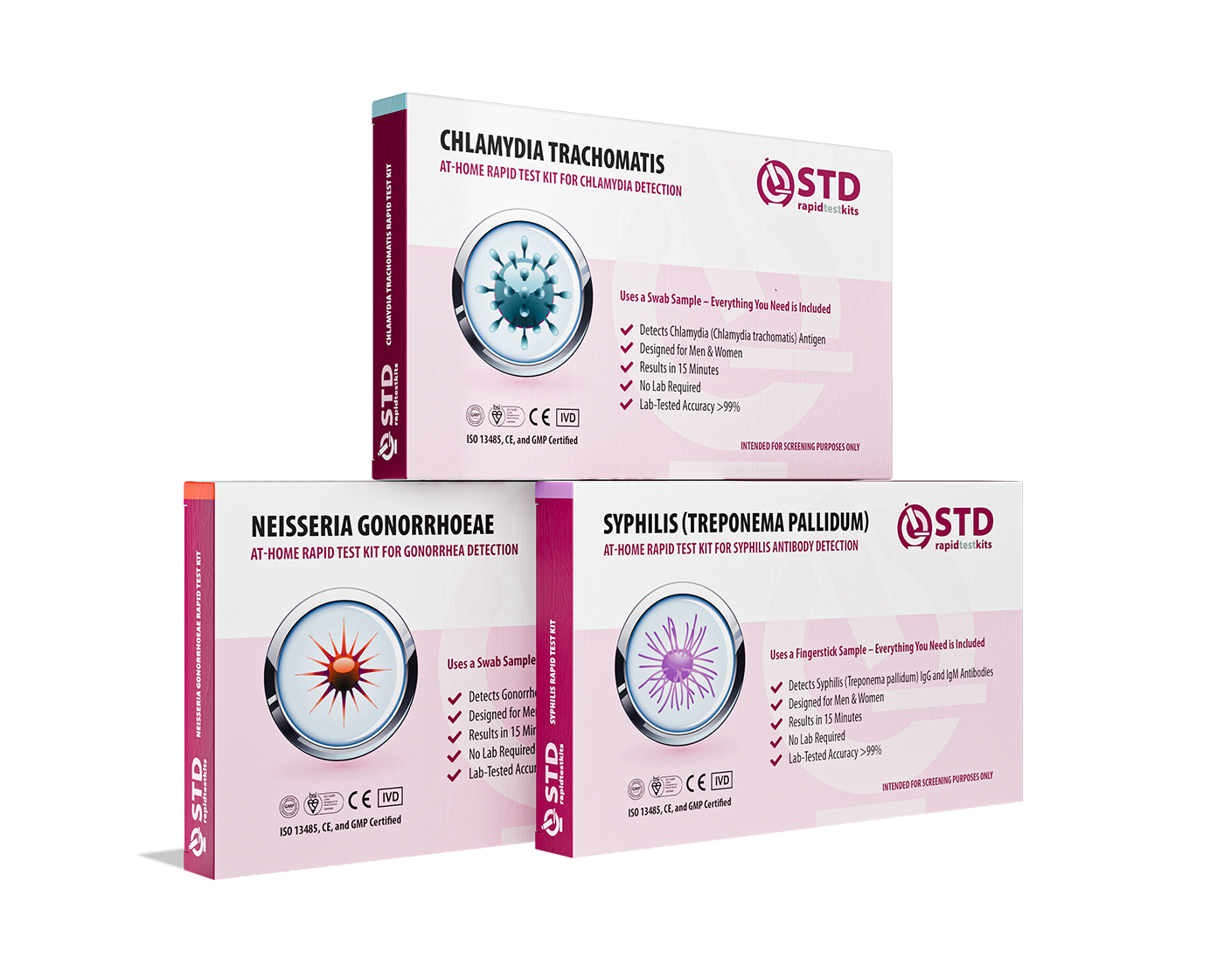 For Men & WomenResults in MinutesNo Lab NeededPrivate & Discreet
Order Now $69.00 $147.00
For all 3 tests
You Are Not Your Diagnosis
Let’s get one thing straight: a test result does not rewrite your worth. Shame wants to shrink you, to isolate you, silence you, convince you that you’re broken. But the truth? You are still whole. You are still lovable. And you are not alone.
Whether it was a one-time mistake, a trusted partner, or a long-ago moment catching up with you, none of that defines who you are. What matters now is what you choose: to stay silent in shame, or to move forward in knowledge, care, and agency. This at-home combo test kit checks for the most common STDs discreetly and quickly. It’s not about catching something, it’s about reclaiming your power.
How We Sourced This Article: We combined current guidance from leading medical organizations with peer-reviewed research and lived-experience reporting to make this guide practical, compassionate, and accurate. In total, around fifteen references informed the writing; below, we’ve highlighted six of the most relevant and reader-friendly sources. Every external link in this article was checked to ensure it leads to a reputable destination and opens in a new tab, so you can verify claims without losing your place.
Sources
1. WHO
2. PMC
3. PMC
4. PMC
5. Brook
About the Author
Dr. F. David, MD is a board-certified infectious disease specialist who focuses on preventing, diagnosing, and treating STIs. He combines clinical accuracy with a straightforward, sex-positive attitude and is dedicated to making his work available to more people in both cities and rural areas.
Reviewed by: Julia M. Ellis, LCSW | Last medically reviewed: September 2025


