





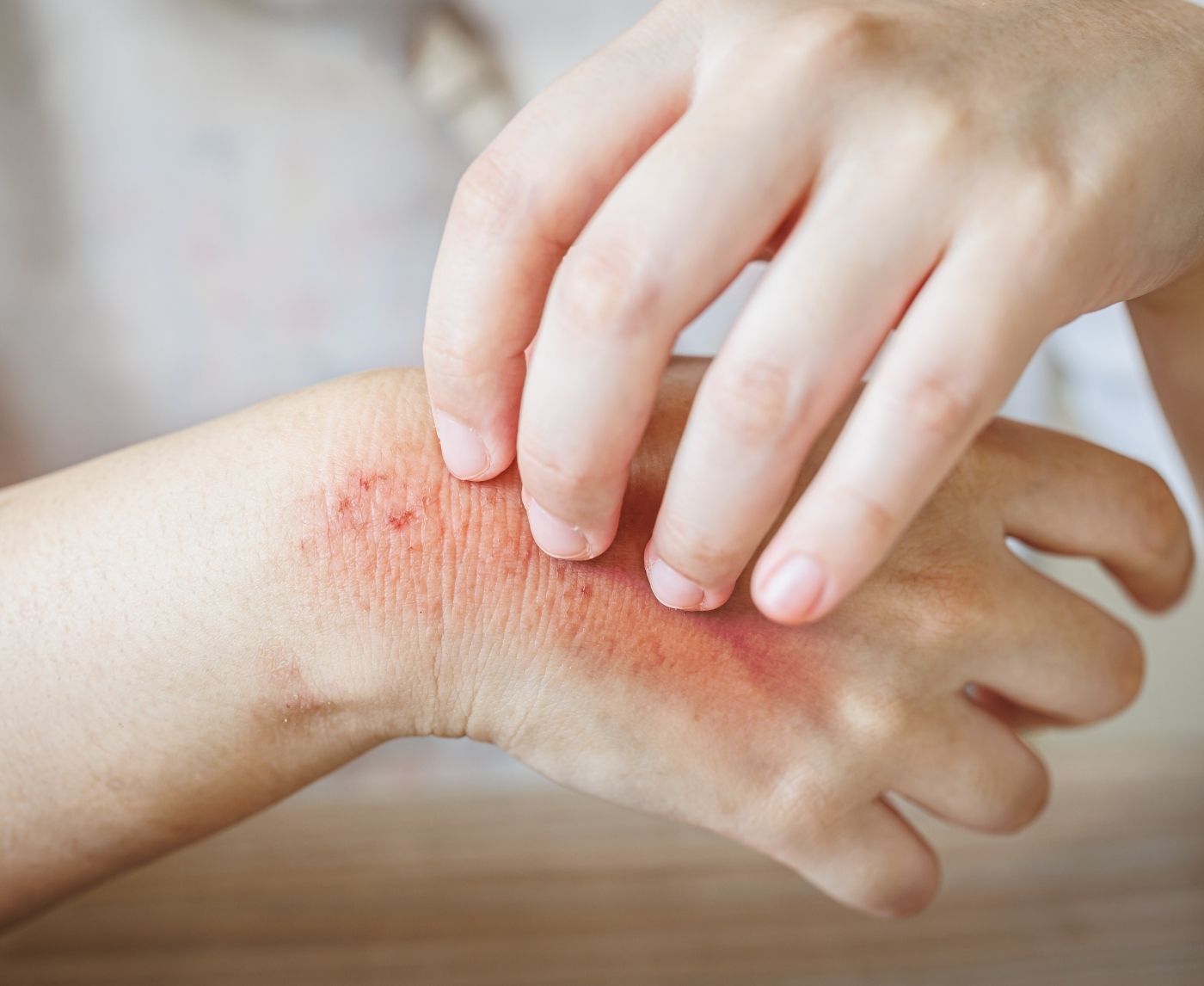

Quick Answer: STD-related itching can occur even without a rash or discharge. Herpes, chlamydia, trichomoniasis, and pubic lice are common culprits. Testing is recommended if the itch persists, worsens, or follows sexual contact, especially with a new or untested partner.
Why This Article Exists: A Guide for the “I Don’t Know” Moments
This article is for anyone who’s Googled something like, “STD itching no rash” at 2AM and still doesn’t feel reassured. It’s for the people who’ve convinced themselves they’re overreacting, and for the ones who waited too long to test because everything looked “normal.” Maybe you’ve just come back from a weekend away, maybe you hooked up and can’t remember if protection was used, or maybe you’re in a monogamous relationship and afraid to even ask. We’re not here to judge. We’re here to decode the itch that won’t go away, and what it might mean.
We’ll break down the STDs that can cause itching with no rash, when to test (and retest), and how to navigate the anxiety that comes with not knowing. Whether you're queer, straight, monogamous, poly, or somewhere else on the spectrum, one thing is universal: you deserve to understand your body and get answers without shame.
Invisible But Real: STDs That Can Cause Itching Without a Rash
Picture this: Janelle, 28, notices a constant tingling sensation near her vulva after a night with a new partner. There’s no swelling, no bumps. Her last test was clean. She tells herself it’s just irritation from shaving. Three days later, it’s still there. Her doctor tests her for herpes, and it's positive. No blisters. No sores. Just the itch.
This isn’t rare. Many STDs manifest subtly, especially in early stages. Based on what we know from clinical studies and reports from patients:
| STD | Can Cause Itching Without a Rash? | Other Early Signs |
|---|---|---|
| Herpes (HSV-1 & HSV-2) | Yes | Tingling, burning, nerve discomfort before visible outbreak (if any) |
| Trichomoniasis | Yes | Itching, vaginal discomfort, sometimes no symptoms in men |
| Chlamydia | Sometimes | Genital irritation, unusual discharge, urinary burning |
| Gonorrhea | Sometimes | Discomfort during urination, spotting, irritation |
| Pubic lice or scabies | Yes | Intense itching, sometimes without visible marks early on |
Table 1. STDs That Commonly Cause Itching Without Immediate Rash
The absence of visible symptoms doesn't mean you're in the clear. Studies show that over 70% of people with trichomoniasis report no visible signs:content. With herpes, the virus can lie dormant or produce vague nerve irritation before any lesions appear And with chlamydia, itching might present only as a urethral irritation or during urination, particularly in men.
This is where frustration kicks in for a lot of people. They’re looking for something to “prove” they need to test. But your body whispering discomfort is already enough of a sign. Listening early can save you weeks of wondering, and potentially protect a partner, too.

People are also reading: Tingling Lips Before a Cold Sore: What That Feeling Really Means
When It’s Not an STD (But Still Feels Like One)
Not every post-sex itch is an infection. But that doesn’t mean it’s all in your head, either. Let’s talk about friction, heat, allergies, and all the ways skin can freak out after intimacy without a single germ involved.
Consider Diego, 34, who woke up with irritation along his inner thighs after a sweaty, late-night hookup. No rash. No bumps. Just a hot, irritated feeling that lingered for days. It turned out to be contact dermatitis, from a new brand of lube his partner had used.
Here are some common STD mimickers that often trigger itching:
| Cause | What It Feels Like | STD-Like? |
|---|---|---|
| Friction from sex or tight clothing | Raw, itchy sensation, especially in folds or edges of underwear | Yes |
| Shaving irritation | Itchiness, small red spots, delayed bumps | Yes |
| Allergic reaction (to latex, lube, soap) | Persistent itching, redness, burning | Very |
| Yeast overgrowth (non-STD) | Itching, sometimes discharge, more common after antibiotics or heat | Yes |
Table 2. Non-STD Causes That Often Mimic STD Symptoms
This doesn’t mean you should ignore the symptoms. Quite the opposite. Testing helps you rule out STDs, and catch them early if they’re hiding. And if your test is negative, you’re still left with useful data to talk to a provider about other causes.
STD Rapid Test Kits offers at-home tests that help make that first step easier, especially if you’re worried about privacy, cost, or judgment.
Check Your STD Status in Minutes
Test at Home with Remedium8-in-1 STD Test Kit
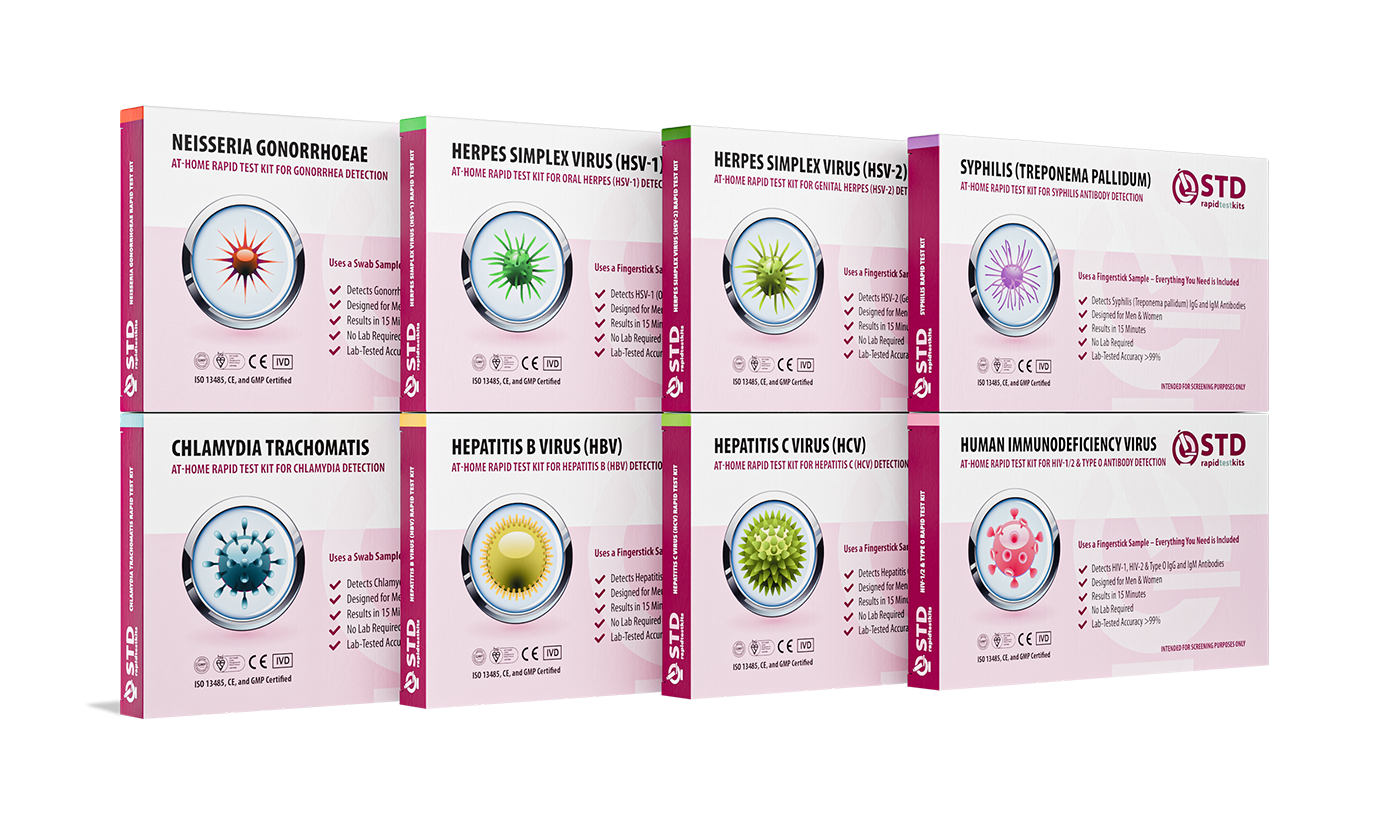
 For Men & Women
 Results in Minutes
 No Lab Needed
 Private & Discreet
Order Now $149.00 $392.00
For all 8 tests
Next: When and How to Test (Even If You’re Not “Sure” Yet)
Let’s talk timing. Because even if you know you want to test, that doesn't mean it’ll give you an accurate answer right away. This is where most people get confused, and it’s not their fault. STDs don’t all show up at the same pace. Some infections can be detected in days. Others take weeks. That’s where the concept of a “window period” comes in.
Say you hooked up with someone new on a Friday. By Monday, you feel itchy. You panic, order a test, and get a negative result by Wednesday. Relief, right? Maybe, but maybe not. If the STD you're worried about has a 7-day detection window, that negative test could be premature. It's not lying. It's just too soon.
Here’s what you need to know about the common detection timelines for itch-causing STDs:
| STD | Earliest Reliable Test Window | Best Time to Test |
|---|---|---|
| Chlamydia | 5–7 days | 14 days after exposure |
| Gonorrhea | 5–7 days | 14 days |
| Trichomoniasis | 5–10 days | 14–21 days |
| Herpes (HSV) | 7–14 days (PCR or culture) | 3+ weeks (antibody blood tests) |
| Syphilis | 3–6 weeks | 6+ weeks |
Table 3. Recommended Testing Windows After Exposure
Let’s go back to that Monday morning moment, when the itching starts. If it’s herpes, it could be the very first symptom, before a visible outbreak. If it’s trich, you might feel irritated now but not get a detectable result for another week. That’s why retesting is often part of the plan. One test might not be enough to rule things out, especially if your exposure was recent or ongoing.
Case in point: Alex, 24, tested negative for everything a week after a one-night stand that included oral and genital contact. He felt itchy but figured it was nerves. Three weeks later, still itchy, and a follow-up test showed chlamydia. He didn’t get it from anyone new. The first test just didn’t catch it yet.
That’s why we always recommend a two-part testing plan if symptoms are new but timing is tricky. Initial test at 7–10 days. Follow-up at 2–3 weeks. If symptoms persist beyond that, consult a provider regardless of results.
If your head keeps spinning, peace of mind is one test away. Order a discreet combo test kit that screens for the most common STDs, including herpes, chlamydia, gonorrhea, and trichomoniasis.
What If You Already Tested Negative… But Still Itch?
Here’s where it gets emotionally complicated. You did everything “right.” You waited. You tested. It came back negative. But that nagging feeling hasn’t left. Now what?
First: take a breath. You’re not broken. This is more common than most people think. STD tests are powerful tools, but they’re not infallible. False negatives happen, especially with poor timing, incorrect sample collection, or if you’re in a rare asymptomatic phase that evades detection.
But there’s another piece of this too. Your body can develop irritation or inflammation that outlasts the infection. For example, chlamydia can leave behind residual urethral irritation, even if the infection is cleared. Same goes for trichomoniasis in women, it can cause long-term changes in vaginal pH, which leads to chronic itchiness even post-treatment.
Then there are co-infections and underdiagnosed culprits. One study published in the journal Sexually Transmitted Infections found that nearly 15% of people with persistent symptoms after treatment had a different, previously undetected STD. It’s not that they didn’t test. It’s that the test missed the target.
Re-testing is not a sign of paranoia. It’s a sign of self-respect. And it’s worth doing if:
You had sex again with someone new since your last test. Your last test was before the ideal detection window. Your symptoms have worsened or changed. You feel anxious and want confirmation for peace of mind.
Return to STD Rapid Test Kits to explore your options. No doctor visit, no awkward wait rooms, just data you can act on.
The Mental Toll of “Invisible” STD Symptoms
Let’s name what this really is: a mental mindfck. You're itchy, but there's nothing to see. You feel weird “complaining” because you don’t have sores or discharge or a fever. And when you finally talk to someone, maybe even a provider, you might hear something like, “It’s probably nothing.”
But that doesn’t make it stop. And it doesn’t make the doubt go away. We see you. That internal war between "I'm probably fine" and "What if I'm not?" is brutal. It can keep you up at night. It can ruin intimacy. It can make you feel isolated even when you're physically with someone.
If this sounds like you, you’re not alone. In fact, many people delay testing not because they’re afraid of the result, but because they’re afraid they’ll be dismissed. That’s why at-home testing is often a first step toward reclaiming control. You don’t have to explain yourself to anyone. You just test, and you learn. Then, if needed, you act.
What Happens If You Test Positive, Even Without a Rash
Let’s say your second test comes back positive. Maybe it’s trichomoniasis. Maybe it’s herpes. And suddenly, your whole body goes numb. “But I don’t have a rash. I don’t even feel sick.” That reaction is common, and valid. You can have an STD and feel almost nothing. You can have an STD and look completely normal. That doesn’t make the result wrong. It makes it invisible. Until now.
First things first: treatment is often fast, easy, and effective. Trichomoniasis can be cleared with a single dose of antibiotics. Chlamydia and gonorrhea too, if caught early. Herpes may not be curable, but it is manageable, and in many people, asymptomatic. Just because your body didn’t “perform” the typical symptoms doesn’t mean your experience is invalid.
Take Erin, 22, who found out she had genital herpes after months of mysterious itching and no visible outbreaks. She’d tested twice before, both negative. It wasn’t until a provider ran a PCR swab on a mild, barely noticeable spot that she got her answer. “I felt betrayed by my own skin,” she said. “But at least now I had something to work with. Something real.”
If you test positive:
- Confirm the result if needed (some rapid tests recommend follow-up lab tests).
- Start treatment promptly. , Notify partners in a way that feels safe and honest.
- Don’t let shame dictate your next steps, this is about healing, not punishment.
We recommend this approach: take one hour. Breathe. Eat something grounding. Then write out your plan. Who needs to know? What follow-up testing will help? Where can you go for mental and emotional support? Because yes, that matters too.
If you're ready to get ahead of symptoms or support a partner, a discreet combo test is one way forward, no pressure, no appointment, just information.
People are also reading: Your Balls Are Swollen and It’s Not Sexy: It Could Be Orchitis
When to See a Provider (Even If Tests Are Negative)
Let’s flip the script. Say you’ve tested twice, both negative. But the itching isn’t going away. Maybe it’s worse. Maybe it’s moved. Or maybe it’s now joined by burning, pain, or other strange symptoms. That’s your cue to involve a medical professional. Because testing is a great start, but it’s not the whole picture.
Some STDs, like syphilis or certain strains of HPV, require specific test types or visual exams that at-home kits might not catch. And non-STD conditions like lichen sclerosus, bacterial vaginosis, or even autoimmune responses can produce chronic itching with zero visible signs early on.
This is also especially important if:
- You’re pregnant or trying to conceive
- You’re immunocompromised
- You have recurrent or worsening symptoms
- You’ve had multiple partners in the past three months
- You’re experiencing pain, fever, or discharge alongside itching
In these cases, a sexual health clinic or telehealth provider can offer next-level testing, vaginal swabs, urethral exams, and in some cases, skin biopsies to rule out rarer conditions.
You can still use at-home testing to gather information, but don’t stop there if things escalate.
Check Your STD Status in Minutes
Test at Home with Remedium7-in-1 STD Test Kit
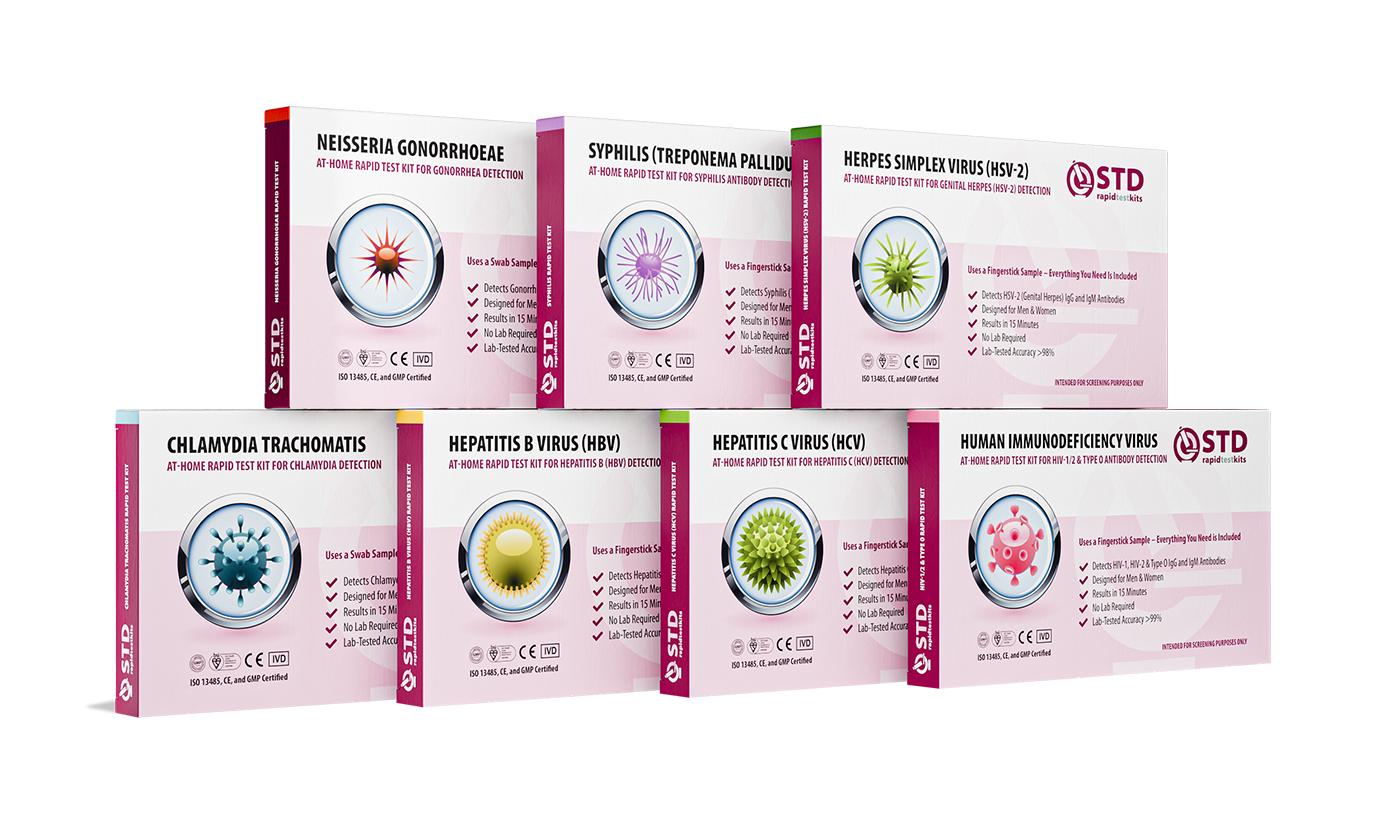 For Men & WomenResults in MinutesNo Lab NeededPrivate & Discreet
Order Now $129.00 $343.00
For all 7 tests
Let’s Talk About Partner Conversations (Even When There’s “Nothing to See”)
This might be the hardest part of all: explaining an invisible STD. How do you tell someone you have trich or herpes when you never had a single sore? How do you convince a partner that your itchy skin means something when your tests are technically negative?
The answer lies in honesty, not fear. Try something like:
“I noticed some itching after we were together. I got tested, it came back clean, but I still feel off. Just being transparent because I care about both of us.”
Or, if you test positive:
“I just found out I have [name the STD], and I wanted to let you know as soon as I did. I didn’t have symptoms at first, but testing picked it up. I’ve already started treatment and wanted you to be aware.”
It doesn’t have to be perfect. Just honest. Most people respond better than we expect, especially when the tone is calm and direct. And if you’re worried about safety or backlash, anonymous partner notification tools exist through clinics or online services. Use what feels right for your situation.
And don’t forget: you’re allowed to protect yourself. If someone mocks your symptoms, denies your test results, or dismisses your concern, that’s on them, not you.
FAQs
1. Can you really have an STD and not see a thing?
Yes, wild, but totally real. Some STDs are sneaky as hell. Trichomoniasis can live in your body without making a sound. Herpes might just tingle or itch without ever breaking out. Chlamydia? Often symptom-free. Your skin might look flawless, but under the surface, something’s brewing. That’s why testing matters even when everything looks “fine.”
2. What if I’m itchy but there’s no rash, no bumps, no weird smell, just... itchy?
You’re not imagining it. Itching without the “classic” signs is common with STDs like herpes (especially before or without an outbreak) and trich. It could also be from sex itself, friction, sweat, a reaction to latex or lube. But if it sticks around longer than a few days or gets worse after sex, it’s time to test. Your body’s telling you something, even if it’s whispering.
3. I already tested and it came back negative. So why am I still itchy?
Two words: window period. That test might’ve been too early to catch the infection. Or maybe you had the wrong type of test for the specific STD. Also? Not every itch is an STD. It could be irritation from shaving, yeast, allergies... but if it keeps flaring after sex or feels deeper than skin-level, retesting is a smart move. And no, that’s not overreacting. It’s being thorough.
4. Does herpes always come with blisters?
Nope. Sometimes it just... tingles. Or itches. Or burns a little. That’s called the prodrome phase. And some people never get visible sores at all, they just feel “off” or slightly raw down there. It’s still herpes. Still transmissible. Still worth knowing about, especially if the sensation comes back in cycles or shows up after sex or stress.
5. Could this be something totally not-STD related?
Absolutely. Vaginal itching could be from a yeast overgrowth. Penis irritation might be chafing from sex or sweat. That weird heat between your cheeks? Could be from spicy food and toilet paper that’s too aggressive. Our skin is sensitive. But if you’ve had new partners, unprotected sex, or you just have a gut feeling, it’s smart to test and rule out the big stuff first.
6. Do I need to tell a partner if I’m just itchy but don’t have a diagnosis?
That depends on the context. If you’re actively having symptoms and just tested, or plan to, it’s fair to say, “Hey, I’ve been feeling off and I’m getting tested.” You don’t owe them a diagnosis to start a transparent convo. And if you do test positive for something, yes, let them know. Even if your symptoms were invisible. Invisible doesn’t mean harmless.
7. How soon after sex can I take a test?
Depends on what you’re testing for. Chlamydia and gonorrhea can show up as early as 5–7 days post-exposure, but testing at 14 days gives you more accurate results. Herpes and syphilis often take longer, 2 to 6 weeks. If you test early, plan for a follow-up test in a few weeks to confirm.
8. Is itching a reason to use an at-home STD test?
Absolutely. You don’t need a raging symptom or a visual cue to test. If you’re itchy, especially after sex or with a new partner, that’s a valid reason. A combo test kit covers multiple STDs in one go, no doctor visit, no awkward explanations. Just you, your space, and your results.
9. Can I pass something on even if I’m not showing symptoms?
Yes, and this is the kicker. Herpes, chlamydia, gonorrhea, and even syphilis can all be contagious before symptoms ever appear, or in people who never show them. That’s why the whole “but I feel fine” line doesn’t hold up. If you’ve had unprotected sex and haven’t tested, you could be passing something without knowing.
10. What kind of test should I get if I just feel itchy?
Start with a combo at-home STD test. It screens for common infections like herpes, chlamydia, trich, and gonorrhea. If that comes back clear and you’re still having symptoms, follow up with a provider for yeast, BV, or even skin conditions that might need a closer look.
You Deserve Answers, Not Assumptions
If you’ve made it this far, you’re probably still itching for clarity, literally or emotionally. That’s fair. Not knowing is hard. Feeling something is off and getting no visible confirmation can be maddening. But here’s the truth: your body is speaking. You’re listening. And that matters more than what anyone else can see.
Itching without a rash might not seem like much to a doctor, a partner, or a Google search result, but it matters to you. And it might be the first sign of something real. Whether it's an early-stage STD or something less serious, getting tested is the first step toward answers, peace of mind, and action.
Don’t wait and wonder, get the clarity you deserve. This at-home combo test kit checks for the most common STDs discreetly and quickly.
How We Sourced This Article: We combined current guidance from leading medical organizations with peer-reviewed research and lived-experience reporting to make this guide practical, compassionate, and accurate.
Sources
1. CDC – Genital Herpes: The Facts
2. World Health Organization – STIs Overview
3. Planned Parenthood – STD Education and Testing
4. About Sexually Transmitted Infections (STIs) | CDC
6. Sexually Transmitted Diseases (STDs) – Symptoms & Causes | Mayo Clinic
7. STD Diagnosis & Treatment | Mayo Clinic
8. Sexually Transmitted Infections (STIs) Overview | Cleveland Clinic
10. Genital Herpes: Symptoms and Causes | Mayo Clinic
11. Vaginal Yeast Infection – Symptoms & Causes | Wikipedia (Medical Encyclopedia)
About the Author
Dr. F. David, MD is a board-certified infectious disease specialist focused on STI prevention, diagnosis, and treatment. He blends clinical precision with a no-nonsense, sex-positive approach and is committed to expanding access for readers in both urban and off-grid settings.
Reviewed by: Jessica Kwon, FNP-C | Last medically reviewed: January 2026
This article is meant to give information and should not be taken as medical advice.


