







Quick Answer: Razor burn bumps tend to be small, red, and appear right after shaving. Herpes bumps often show up days after contact, may blister, and usually come with tingling or pain. If you’re unsure, test, it’s the only way to know for sure.
When That Bump Isn’t Just Razor Burn
Ty, 27, thought he was just dealing with irritation. “I shave everything smooth,” he told us. “So when I noticed a red bump near the base of my shaft, I figured I nicked myself or maybe had an ingrown hair. It didn’t even hurt that much.” He didn’t test right away. He was in a new relationship. “I didn’t want to freak her out. I thought I was being responsible by waiting to see if it went away.” It didn’t. By the time he got tested, he was dealing with his first outbreak of genital herpes.
Stories like Ty’s are more common than you’d think. According to the CDC, around 1 in 6 people between ages 14 and 49 have herpes, but up to 90% don’t know they have it. Many assume they’re just reacting to shaving, tight clothing, or a sweaty day. The problem? Visual diagnosis is unreliable, even for doctors. What looks like razor burn can be herpes, syphilis, molluscum contagiosum, or HPV, all of which require different responses.
Herpes doesn’t always show up with textbook blisters. Sometimes it’s just a tingle, a bump, a patch of dry skin. Sometimes it mimics an ingrown hair. And sometimes, there’s nothing visible at all. That’s where the confusion, and the danger, begins.
The Skin Lies Sometimes: What Studies Actually Say
So why are we so quick to assume it’s shaving? For starters, shaving does commonly cause skin irritation. Razor burn and pseudofolliculitis pubis, a fancy term for ingrown hairs, are frequent in anyone who removes pubic hair. These issues typically show up within 24 hours of shaving, don’t blister, and improve with exfoliation or rest. But while most people know this, few realize how often infections are misattributed to shaving mistakes.
In a peer-reviewed study published in Sexually Transmitted Diseases Journal, nearly 40% of individuals who tested positive for herpes initially believed their symptoms were due to shaving or skin irritation. Another 2021 JAMA Dermatology paper noted that even experienced dermatologists can misidentify herpes lesions in early stages because the presentation can mimic benign skin conditions.
Combine that with stigma, fear, or shame, and people delay testing, not because they’re reckless, but because they want to believe it’s something else. We’ve been taught to fear STDs but not educated on what they actually look like. That disconnect is where harm happens.
People are also reading: Are Multiple STDs Possible? A Deep Dive into Co-Infections
Sexual Shame + Shaving Culture = Misdiagnosis
There’s a deeper cultural issue at play here, too. Shaving has become a grooming norm across genders. Hair removal is framed as hygiene, as politeness, as being “clean.” When bumps appear, we blame ourselves for being too sensitive or too rough with the razor. Add in the silence around STDs and the result is predictable: we minimize symptoms to avoid facing the possibility that it’s something else.
Ellie, 22, told us: “I shaved before a hookup. The next day I had this little sore near my labia, but I figured I used a cheap razor. When it scabbed, I thought it was healing. It wasn’t.” Her partner developed sores a week later. “That’s when I tested positive for herpes. I felt disgusting, like I had hurt someone.” But she hadn’t done anything wrong. She’d done what many do: try to explain it away.
This isn’t just about skin. It’s about how we’re taught to see our bodies. We associate STDs with dirtiness, bad decisions, or punishment. So instead of getting answers, we spiral in shame. That emotional fog can keep people from testing for weeks, months, even years.
Check Your STD Status in Minutes
Test at Home with Remedium7-in-1 STD Test Kit

 For Men & Women
 Results in Minutes
 No Lab Needed
 Private & Discreet
Order Now $129.00 $343.00
For all 7 tests
Why Waiting Is Riskier Than a Positive Result
Here’s the hard truth: the longer you wait, the more likely you are to unintentionally expose someone else, or miss a critical diagnosis that could be managed early. A 2020 study in the journal Sexually Transmitted Infections found that delays in STD testing were often linked to symptom confusion, stigma, or self-reassurance based on "low-risk" behaviors. People thought they were being cautious by waiting. In reality, they were spreading infections they didn’t know they had.
Many STDs don’t show symptoms immediately, or at all. Herpes can take 4 to 12 days to appear. Chlamydia and gonorrhea might not show symptoms for weeks, especially in women and people assigned female at birth. You might feel fine, your bump might fade, and you might think you’re in the clear, until a partner gets tested, or worse, starts showing symptoms. That’s not just emotionally damaging. It’s a breakdown in trust, communication, and care.
And here's what no one tells you: a positive test result is not the worst-case scenario. Not knowing is. Not being able to tell your partner the truth. Not being able to get treated quickly. Not being able to protect future partners. A positive result gives you something to work with. Waiting gives you nothing but anxiety and risk.
What Real Symptoms Actually Look Like (Spoiler: It’s Not Always Obvious)
Let’s get real about what you might see or feel, and why your eyes can lie. Shaving bumps usually appear within a day of hair removal. They can sting, itch, or look like tiny red dots. But they tend to stay superficial. They don’t form blisters, don’t weep fluid, and usually respond to a warm compress or gentle exfoliation. Most people know this in theory, but under stress, it’s easy to second-guess yourself.
Herpes, on the other hand, often starts with tingling or burning even before a bump appears. The sore may look like a pimple or blister, and it might crust or scab over. The pain can range from annoying to severe, especially during a first outbreak. But here’s the kicker: up to two-thirds of people with herpes don’t show symptoms at all, or mistake them for skin irritation.
Folliculitis, molluscum contagiosum, and HPV warts can also imitate shaving-related irritation. These conditions can spread through skin-to-skin contact and often go unnoticed for weeks. Even syphilis, which is on the rise globally according to the World Health Organization, can begin as a single painless sore mistaken for a shaving injury.
The bottom line? If you’re unsure, you’re not overreacting. You’re paying attention. That’s not shameful. That’s smart.
Why Shame Delays Testing, And How to Break That Pattern
We need to name what’s really keeping people from testing. It’s not always money or access, it’s fear of what a test might confirm. And more often, it’s the internalized shame we carry about sex. You could be monogamous, careful, vaccinated, and still end up with herpes or HPV. That’s not a moral failure. That’s just how human bodies work. Skin touches skin. Fluids exchange. People trust when they shouldn’t, or just get unlucky.
In one Reddit thread with over 4,000 comments, users shared stories of putting off testing because they were “too scared to know.” One user wrote: “I kept convincing myself it was an ingrown hair, but it wasn’t going away. I even googled 'can herpes look like a razor bump' five times and still didn’t test. I just couldn’t face it.” That kind of spiraling isn’t uncommon, it’s survival brain. We’re conditioned to believe that an STD diagnosis means something about who we are. It doesn’t. What it actually means is that you’re human. And you deserve to know what’s happening in your own body.
This is why testing isn’t just a medical decision, it’s an emotional one. A moment of bravery. And it doesn’t have to involve a clinic, a long wait, or a terrifying confrontation. These days, at-home test kits make it easy to get answers without the fear factor.

People are also reading: How Condoms Help Prevent STDs: Facts and Myths
Your Test Kit Doesn’t Judge You, And That Matters
If there’s even a tiny voice in your head asking, “What if this isn’t just razor burn?”, listen to it. That’s your gut telling you something needs attention. You don’t need permission from a doctor or a visible blister to take your health seriously.
At-home STD testing lets you get clarity in your own space, on your own time. There’s no waiting room, no raised eyebrows, no awkward small talk. Just a test, clear instructions, and results within minutes or days depending on what you order. You can test for herpes, chlamydia, gonorrhea, and more, all without ever stepping into a clinic. That’s not just convenient. For many people, it’s the difference between testing and not testing at all.
If you’re worried about symptoms, or even just not sure, this is your sign. Peace of mind is one test away.
Testing Timelines: When to Test and What to Expect
So let’s say you’ve decided to test. When should you do it? Unfortunately, testing isn’t instant-gratification magic, and that can be confusing. STDs have what’s called a window period, which is the time between when you’re exposed and when a test can actually detect the infection. Testing too early can lead to false negatives, giving you a false sense of safety. Testing too late could mean missing a chance to prevent transmission.
The Planned Parenthood testing guidelines recommend waiting 2 to 12 days after exposure for herpes (depending on whether you’re testing for antibodies or active virus), 1 to 5 days for gonorrhea, and 1 to 3 weeks for chlamydia. If you’re using an at-home test, read the instructions closely, some kits are designed for early detection, while others work best after symptoms appear.
Jonas, 31, got tested too soon after his hookup. “I saw a tiny bump and freaked out. I tested two days later and everything came back negative. But the bump got worse, and I tested again two weeks later. That’s when I got a positive result for HSV-2.” His takeaway? “I wish someone had told me to wait a few days and test twice. I lost time and gave my ex false reassurance.”
This is why testing isn’t a one-and-done thing. It’s a process. A cycle of observation, action, and retesting if symptoms change. If you test negative but you’re still seeing or feeling something off, don’t gaslight yourself. Your body’s signals matter, even if the timing’s inconvenient.
Check Your STD Status in Minutes
Test at Home with Remedium6-in-1 STD Test Kit
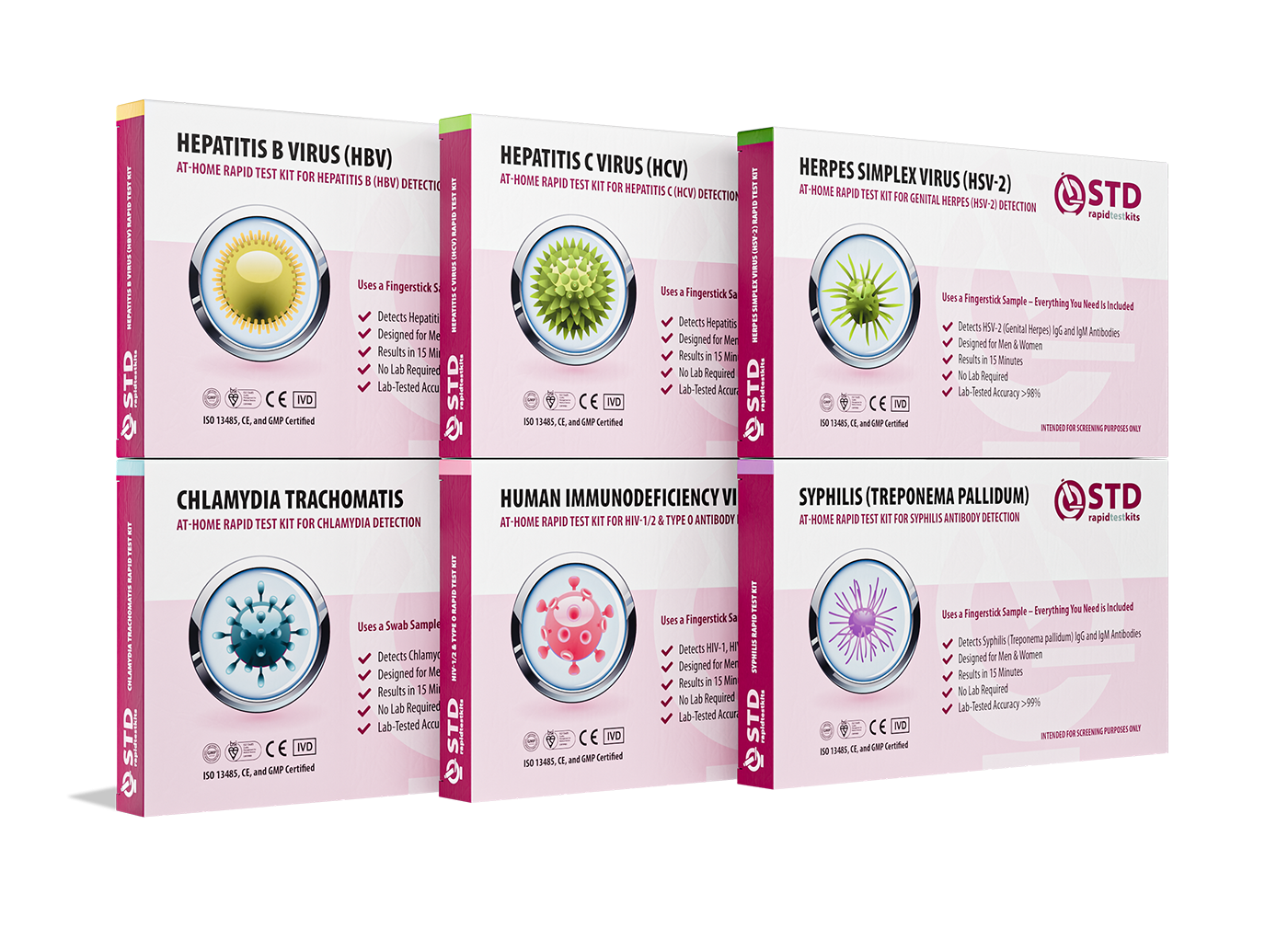 For Men & WomenResults in MinutesNo Lab NeededPrivate & Discreet
Order Now $119.00 $294.00
For all 6 tests
If It’s Positive: What Happens Next (Spoiler: You’ll Be Okay)
There’s a gut punch that comes with seeing a positive result, especially if you were already telling yourself it was just shaving irritation. You might feel embarrassed. You might feel dirty. You might spiral. All of that is normal. But here’s the part you need to hear: you are not broken. An STD result isn’t a punishment or a label. It’s a medical outcome, just like high cholesterol or strep throat. And it’s something you can deal with.
Most STDs, including herpes, chlamydia, and gonorrhea, are manageable with treatment or daily suppression. What’s more, treatment reduces your chances of passing it to someone else. For example, antiviral meds for herpes can cut transmission risk by half or more. If it’s bacterial, like chlamydia, it’s often cured with a single round of antibiotics.
But beyond meds, what most people need is someone to tell them: you still deserve intimacy, connection, and confidence. You’re still lovable. You still have options. One test doesn’t take that away.
If It’s Negative: What to Do With the Relief (and Doubt)
Testing negative can bring enormous relief, but also confusion. If your symptoms are still present, you might wonder: was the test wrong? Did I test too early? Or is this really just razor burn after all?
The answer: maybe. Maybe not. Testing isn’t about closing the door on all worry, it’s about building a foundation of data. A negative result tells you what’s detectable right now. If you’re within a window period, you may need to retest. If symptoms worsen, come back, or spread, retesting is absolutely valid. You’re not being paranoid. You’re being proactive.
And if the symptoms fade and don’t return? That’s a win too. But now you have a tool in your back pocket. You’ve tested. You’ve tracked your body. You know how to do it again if something feels off. That’s real power. That’s agency. That’s sexual health, redefined.
Testing Is Care, Not Crisis
This isn’t just about bumps. It’s about learning to check in with yourself, without shame. Too often, people wait until they’re scared to take action. But testing doesn’t have to be dramatic. It can be routine. Preventive. Empowering. Like brushing your teeth or getting a flu shot. You don’t need to hit panic mode to justify it.
Testing is care. For you, for your partners, for the future you want to build. If something looks or feels off, even if it’s small, even if it’s probably just razor burn, you deserve clarity. You deserve peace of mind. That starts with a test.
Order your rapid test today, results in minutes.
Case Study: “I Thought It Was a Shaving Cut. It Wasn't.”
Lena, 25, had just started dating someone new. “We’d only hooked up a couple times, but I always shaved beforehand,” she said. “It was part of my routine, clean up, get ready, feel confident.” After their second night together, she noticed a tiny bump on her inner thigh. “It didn’t hurt, just looked like a little red dot. I figured I got too aggressive with the razor.”
She tried everything, witch hazel, aloe, exfoliating pads. But the bump turned into two, then three. Still, she didn’t test. “I just couldn’t face the idea that it might be something else. I kept telling myself it wasn’t the ‘right’ spot for herpes. I was being safe. He looked clean. I don’t know. I just... waited.” Two weeks later, she developed flu-like symptoms, and her doctor confirmed it: genital HSV-1.
“I felt like I failed some invisible test. Like I was stupid for missing the signs,” she said. “But the more I talked to friends, the more I realized everyone had a story like mine, except they just hadn’t tested yet.”
Lena now uses home test kits regularly and helps others do the same. “I wish I’d known it was okay to be cautious. That testing wasn’t overreacting. It was self-respect.”
People are also reading: The STDs That Could Be Killing Your Sperm Without You Knowing
This Isn’t About Blame, It’s About Your Next Step
If you’ve made it this far, it probably means you’re noticing something. A bump. An itch. A weird tingle. Maybe you’ve already Googled “herpes vs razor burn” or stared too long at a spot in the mirror. That’s not paranoia. That’s your nervous system trying to protect you.
You don’t need to explain it to anyone. You don’t need to justify your concern. What you need is data. Truth. A moment of clarity in the middle of a foggy, anxious experience. That’s what testing gives you. Not shame. Not judgment. Just information you can act on.
Take control of your sexual health today. Whether it’s a single test for herpes or a full combo panel, you deserve to know what’s going on in your body. This isn’t about fear. It’s about freedom.
FAQs
1. Can razor burn look like herpes?
Yes, especially early on. Both can appear as red bumps, but herpes often forms blisters or sores and may be painful or tingly.
2. How soon after shaving can irritation appear?
Razor burn usually shows up within 24 hours. If bumps appear several days later or spread, it could be something else.
3. Can you have herpes without any symptoms?
Yes, of course. A lot of people with herpes don't know they have it because the symptoms are mild or they don't understand them.
4. Is it possible to test for herpes at home?
Yes. You can check from the comfort of your own home with a reliable herpes test kit. Depending on the kit, results may be available in a few minutes or a few days.
5. What if I took the test too soon?
The test might not find the virus yet if you're in its window period. If symptoms don't go away after 1–2 weeks, it's best to test again.
6. What is the difference between herpes bumps and ingrown hairs?
Herpes bumps can be painful, itchy, or tingly, and they often turn into blisters. Most of the time, ingrown hairs stay hard red bumps with a hair stuck in them.
7. Is it okay to wait and see if the bump goes away?
It's normal to wait, but it's risky. Some STDs can get worse or spread even if you don't have any signs of them. Testing is always safer.
8. Can I still get an STD even if I used protection?
Yes. Condoms don't cover all of the skin, so herpes and HPV can spread from one person to another.
9. What should I do if my test comes back positive?
Talk to your doctor about how to treat it. Getting help early is very important because many STDs can be treated or cured.
10. Can I have sex if I have an STD?
As long as they know what they're doing and get the right care, many people with STDs have healthy sex lives. Talking and testing are very important.
You Deserve Answers, Not Assumptions
Whether it's one bump or a lingering doubt, you don’t have to sit in uncertainty. You don’t have to spiral in guilt or delay your peace of mind.Testing isn't just about finding problems; it's also about knowing what's best for your body, your choices, and your future.
Don't put off getting the answers you need. This at-home combo test kit checks for the most common STDs discreetly and quickly.
Sources
1. JAMA Dermatology – Diagnostic Challenges in Genital Lesions
2. World Health Organization – STI Factsheet
3. NHS – Genital Herpes Overview
4. Mayo Clinic – STD Symptoms & Causes


