






Quick Answer: Silent STDs in women include infections like Chlamydia, HPV, Gonorrhea, and Trichomoniasis. These infections often produce few or no symptoms but can lead to infertility, pelvic inflammatory disease, and other serious health problems if left untreated.
Why Some STDs Stay Silent for So Long
Many people expect sexually transmitted infections to be obvious. Painful sores. Burning urination. Strange discharge. Those symptoms do happen, but far less often than most people think, especially for women.
The female reproductive system actually makes it easier for certain infections to go unnoticed. Bacteria can live inside the cervix or reproductive tract without causing obvious irritation at first. That means someone can feel completely fine while an infection slowly spreads upward.
Doctors see this situation all the time. A patient arrives for routine screening, expecting nothing unusual, only to discover a long-standing infection.
“I felt totally normal,” recalls Daniela, who discovered she had Chlamydia during a yearly exam. “If I hadn’t been tested, I would have had no idea.”
Silent infections matter because untreated STDs can gradually affect reproductive organs. In some cases, they trigger pelvic inflammatory disease, which can scar the fallopian tubes and raise the risk of infertility or ectopic pregnancy.
According to research summarized by the Centers for Disease Control and Prevention, many women with common bacterial STDs experience no symptoms at all during early infection. That’s one reason routine screening is recommended even when someone feels healthy.
The Silent STDs Doctors Worry About Most
Not every sexually transmitted infection behaves the same way. Some cause dramatic symptoms early on. Others quietly linger in the body. The infections below are among the most commonly missed STDs in women.
| STD | Why It’s Often Missed | Potential Long-Term Risks |
|---|---|---|
| Chlamydia | Often produces no noticeable symptoms | Infertility, pelvic inflammatory disease |
| Gonorrhea | Symptoms frequently mistaken for UTI or mild irritation | Pelvic inflammatory disease, pregnancy complications |
| HPV | Usually has no symptoms for years | Cervical cancer risk |
| Trichomoniasis | Up to half of infections cause no symptoms | Pregnancy complications, increased HIV risk |
Each of these infections behaves differently, but they share one trait: many women don’t notice anything wrong at first.

People are also reading: Tested Positive for Chlamydia: What Happens Next?
The Infection That Quietly Affects Millions: Chlamydia
Chlamydia is one of the most common STDs worldwide and also one of the most silent. Many women never experience obvious symptoms during the early stages of infection.
When symptoms do show up, they can be so mild that you might not even notice them. Slight pelvic discomfort, mild discharge, or light bleeding between periods are sometimes written off as hormonal changes or stress.
This is one reason doctors often refer to chlamydia as a “silent infection.” Without treatment, the bacteria can travel from the cervix into the uterus and fallopian tubes.
“I thought it was just cramps,” said Lena, who discovered the infection after months of mild pelvic pain. “I never imagined it could be an STD.”
When untreated, chlamydia can cause pelvic inflammatory disease. This condition may damage reproductive organs and affect fertility later in life.
Because symptoms can be so subtle, testing becomes the only reliable way to detect the infection. A lot of women now choose private options like at-home STD testing kits, which let them get tested without going to a clinic.
Gonorrhea: The Infection That Mimics Other Conditions
Gonorrhea often appears alongside chlamydia and behaves in similar ways. In many women, the infection produces no clear warning signs.
When symptoms do appear, they can resemble other common conditions. Some women notice burning during urination, which can easily be mistaken for a urinary tract infection. Others experience mild discharge that looks similar to normal vaginal changes.
This overlap is one reason gonorrhea frequently goes undiagnosed for months. During that time, the infection can spread deeper into reproductive tissues.
The long-term consequences are similar to those of chlamydia. Pelvic inflammatory disease, chronic pelvic pain, and complications during pregnancy are all possible outcomes if the infection is left untreated.
Testing is simple and effective, yet many women only discover the infection during routine screening. That reality explains why public health experts continue to emphasize regular testing for sexually active adults.
The Virus That Can Stay Hidden for Years: HPV
Some infections stay quiet for months. Others can remain unnoticed for years. HPV, human papillomavirus, is one of the most common sexually transmitted infections in the world, and also one of the easiest to miss.
Most people who have HPV don't know they have it. In a lot of cases, the body gets rid of the virus on its own without making any symptoms. But some strains that are more likely to cause problems act differently. HPV is closely linked to cervical cancer because it can slowly change cervical cells over time.
What makes HPV especially tricky is the timeline. A woman may contract the virus in her early twenties and not experience abnormal cervical changes until years later. That’s why routine pap smears and HPV screenings are so important, they detect changes long before symptoms appear.
“I was shocked when my doctor said the test showed abnormal cells,” said Isabel, who discovered HPV during a routine screening. “I felt completely fine. Nothing felt different.”
HPV rarely produces clear warning signs unless genital warts appear, and even those only occur with certain strains. Many high-risk types responsible for cervical cancer produce no visible symptoms at all.
That’s why doctors often describe HPV as a virus discovered through screening rather than symptoms. Regular testing doesn’t just detect infection, it can catch cellular changes early enough to prevent cancer from developing.
Check Your STD Status in Minutes
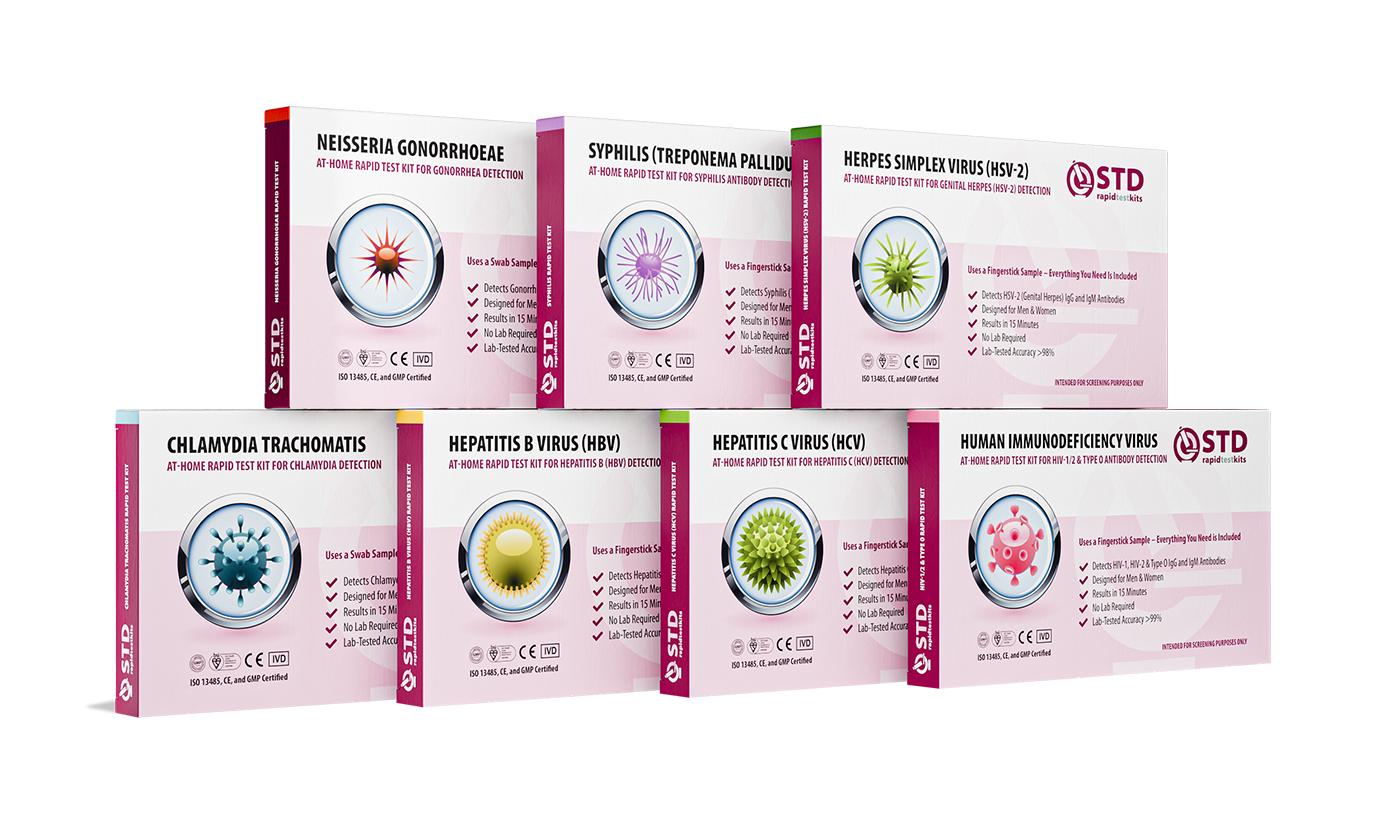
Test at Home with Remedium7-in-1 STD Test Kit
 For Men & Women
 Results in Minutes
 No Lab Needed
 Private & Discreet
Order Now $129.00 $343.00
For all 7 tests
Trichomoniasis: The Overlooked Infection Many People Forget Exists
Compared with chlamydia or HPV, Trichomoniasis doesn’t get nearly as much attention in conversations about sexual health. Yet millions of infections occur each year.
The infection is caused by a microscopic parasite rather than bacteria or a virus. And like other silent STDs, it frequently causes no symptoms in women.
When symptoms do appear, they can include itching, irritation, or unusual discharge. But the key detail is that many women never experience those signs at all.
This makes trichomoniasis one of the infections that can quietly persist without detection. In some cases, it may increase susceptibility to other infections, including HIV.
Because symptoms are inconsistent, testing again becomes the only reliable way to identify the infection. Many women discover it only during routine screening.
When Symptoms Do Appear, They’re Often Misread
One reason silent STDs go undetected is that the symptoms, when they do happen, rarely look dramatic. Instead, they often resemble everyday health issues.
Because of this mix-up, many women think that their symptoms are caused by something that isn't dangerous. You might feel the same way if you have hormonal changes, a yeast infection, irritation from new products, or a mild urinary tract infection.
| Symptom | Often Mistaken For | Possible STD Connection |
|---|---|---|
| Mild pelvic discomfort | Menstrual cramps | Chlamydia or Gonorrhea |
| Burning during urination | Urinary tract infection | Gonorrhea or Trichomoniasis |
| Light bleeding between periods | Hormonal changes | Chlamydia |
| Unusual discharge | Yeast infection or BV | Trichomoniasis or Gonorrhea |
It's hard to tell the difference between normal changes in the body and an infection that needs treatment when they overlap. That's one reason why medical advice often says that people should get tested for STDs on a regular basis instead of just looking for signs of them.
How Untreated Infections Can Affect Fertility
One of the most worrying things about silent STDs is how they might affect reproductive health. Pelvic inflammatory disease can happen when infections spread from the cervix to the uterus or fallopian tubes.
Pelvic inflammatory disease, often abbreviated as PID, is essentially inflammation and infection inside the reproductive organs. Over time, it can cause scarring in the fallopian tubes.
That scarring may block eggs from traveling normally through the reproductive system. In some cases, it increases the risk of infertility. In others, it can lead to ectopic pregnancy, which occurs when a fertilized egg implants outside the uterus.
Not every infection that isn't treated causes these problems. But the longer an infection goes undiagnosed, the more dangerous it becomes.
This is why early detection matters so much. Identifying infections before they spread can prevent the cascade of complications that sometimes follow silent STDs.
For many women today, screening doesn’t necessarily mean scheduling an in-person appointment. Options like the combo STD home test kit allow individuals to test for multiple infections privately, which can make routine screening easier to maintain.
A Story Doctors Hear More Often Than You Think
Healthcare providers frequently encounter situations where someone learns about an infection unexpectedly. It might happen during a fertility evaluation, a pregnancy test, or a routine annual exam.
Amara remembers the moment clearly. She had scheduled a simple checkup before trying to conceive.
“My doctor said they wanted to run a few routine tests first. I wasn’t worried at all. Then the results came back showing I had gonorrhea.”
She had experienced no symptoms. No discomfort. Nothing that suggested infection.
After treatment, her doctor explained that infections like gonorrhea can remain silent for long periods. Many people only discover them through screening rather than symptoms.
Stories like this aren’t rare. They’re one reason sexual health experts consistently encourage routine testing, even when someone feels completely healthy.

People are also reading: Is That Faint Line a Positive Chlamydia Test? What It Really Means
How Someone Can Have an STD for Years Without Knowing
One of the most unsettling things about silent STDs is how long they can stay undetected. People often assume infections show symptoms quickly, but that isn’t always how sexually transmitted infections behave.
Many bacterial infections start quietly. The body may not react strongly at first, especially when bacteria remain localized in the cervix. Without noticeable inflammation, pain, or discharge, a person may go about their normal life completely unaware of the infection.
Viruses can behave even differently. With infections like HPV, the virus may remain dormant in the body for years before causing any detectable changes. In some cases, the immune system clears it naturally. In some cases, it changes cervical cells slowly without causing pain or any other signs.
This explains why someone might test positive during routine screening even when their last sexual encounter was months, or sometimes years, earlier. It doesn’t necessarily mean the infection is new. It simply means the body didn’t produce obvious warning signs.
For many women, that realization can feel confusing or even alarming. But medically speaking, it’s extremely common.
Why Doctors Recommend Routine Screening Even Without Symptoms
Because silent infections are so common, sexual health guidelines rarely rely on symptoms alone. Instead, screening schedules are meant to find infections early, before they get worse.
Organizations like the Centers for Disease Control and Prevention recommend regular testing for sexually active individuals, particularly younger adults and those with new partners.
Routine screening works the same way many preventive health checks do. Pap smears detect cervical changes before cancer develops. Blood pressure tests find heart problems early. The same logic applies to STD testing: find problems early so they can be treated before they get worse.
Many infections respond quickly to treatment once detected. Antibiotics can eliminate bacterial infections like Chlamydia and Gonorrhea. Other infections might need ongoing observation or treatment instead of just one course of medication, but finding them early still makes a big difference in how well they work.
In other words, testing is less about reacting to symptoms and more about protecting long-term health.
Recommended STD Screening Frequency for Women
The time frame for testing changes based on your age, sexual activity, and other things that put you at risk. The table below shows the most common times to get tested for different types of infections.
| Infection | Who Should Be Tested | Suggested Frequency |
|---|---|---|
| Chlamydia | Sexually active women under 25 or with new partners | Once per year |
| Gonorrhea | Women with new or multiple partners | Once per year |
| HPV | Women beginning at age 21 through cervical screening | Every three to five years, depending on the type of test |
| Trichomoniasis | Females exhibiting symptoms or heightened risk factors | As a doctor said |
These deadlines are more like suggestions than hard and fast rules. Changes in a person's health history, pregnancy status, or relationships may change when they can get tested.
Still, the overall message remains consistent: routine screening matters because symptoms are not always reliable indicators of infection.
Check Your STD Status in Minutes
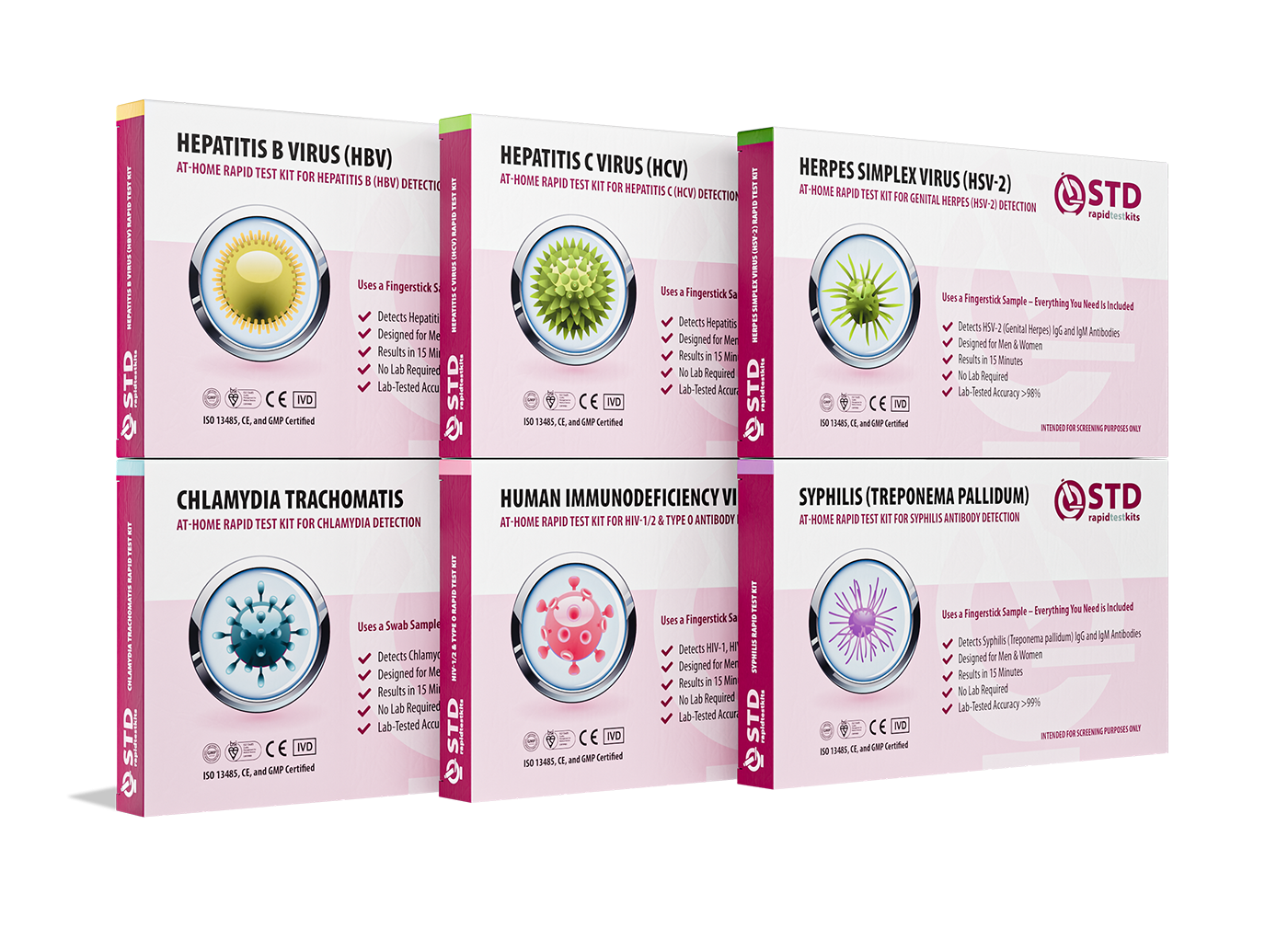
Test at Home with Remedium6-in-1 STD Test Kit
 For Men & WomenResults in MinutesNo Lab NeededPrivate & Discreet
Order Now $119.00 $294.00
For all 6 tests
The Myths That Cause Many Women to Delay Testing
Even with widespread information about sexual health, several misconceptions still prevent people from getting tested regularly.
One of the most common beliefs is that an STD always produces obvious symptoms. While that can happen, silent infections prove that assumption wrong.
Another myth suggests that infections only occur in people with many partners. In reality, a single exposure can transmit an infection. Many individuals discover STDs in long-term relationships simply because the infection remained undetected earlier.
Some people also believe routine testing is unnecessary if they feel healthy. But silent infections are precisely the reason testing guidelines exist in the first place.
“I thought I’d know if something was wrong,” said Sofia, who learned she had chlamydia during a screening appointment. “I didn’t realize how many infections don’t show symptoms.”
Breaking down these misconceptions is one of the most important steps in improving sexual health awareness. When people understand that infections can exist quietly, routine screening starts to feel less like a reaction to fear and more like a normal part of preventive care.
When Testing Is Especially Important
There are certain situations where screening becomes particularly important, even if someone feels completely healthy.
Starting a new relationship is one example. Testing before becoming sexually active with a new partner can help both individuals understand their health status and make informed decisions.
Pregnancy is another time when screening becomes essential. Some infections can affect pregnancy outcomes or be transmitted to newborns during delivery. Early testing helps doctors provide treatment that protects both parent and baby.
Changes in symptoms, even mild ones, may also justify testing. Many STDs don't show any signs, but small changes like strange discharge, pelvic pain, or bleeding between periods can sometimes mean you have an infection.
Finally, getting a checkup every year is still one of the easiest ways to stay ahead of possible infections. It may seem like testing isn't necessary when everything seems fine, but that's often when it is.
FAQs
1. Can a woman really have an STD and feel completely normal?
Yes, and this happens more often than most people think. Chlamydia and HPV are two infections that can stay in the body without causing any obvious symptoms. Someone can feel perfectly healthy, go to a routine exam, and suddenly learn an infection has been there for months.
2. Which STDs are the most likely to be silent in women?
The usual suspects are Chlamydia, Gonorrhea, HPV, and sometimes Trichomoniasis. Doctors worry about these because symptoms can be so subtle, or completely absent, that people don’t think to get tested.
3. How long could someone carry an STD without knowing?
Sometimes a surprisingly long time. Some infections can stay quiet for months, and viruses like HPV can stay in the body for years before showing up on a test. That's why you should get tested even when everything seems fine.
4. Does that mean an STD is safe if it doesn't make any noise?
Not necessarily. “Silent” just means the infection isn’t causing obvious symptoms. Some untreated infections can slowly move through the reproductive system and eventually lead to complications like pelvic inflammatory disease if they’re never detected.
5. What subtle symptoms should women pay attention to?
Sometimes the signs are easy to overlook, mild pelvic pressure, light bleeding between periods, unusual discharge, or burning during urination. None of these automatically mean an STD, but they’re the kinds of changes doctors usually recommend checking out.
6. Can someone get an STD from just one partner?
Yes. Transmission only requires exposure once if the other person has an infection. That’s why doctors often encourage testing at the beginning of new relationships, it’s a simple way for both people to start with clarity.
7. Do I still need testing if I feel healthy?
Most sexual health experts would say yes. Feeling healthy doesn’t always reflect what’s happening biologically, especially with silent infections. Routine screening is really just another form of preventive healthcare, like getting a blood pressure check.
8. Are at-home STD tests actually useful?
For many people, they’re a practical option. Modern at-home tests can screen for common infections and give people a way to check their status without scheduling a clinic visit. If something shows up, follow-up testing with a healthcare provider is usually recommended.
9. What should someone do if a test comes back positive?
First, take a breath. Most bacterial STDs can be treated, usually with simple medicine. The next steps usually include confirming treatment, telling partners when it's appropriate, and sometimes taking the test again later to make sure the infection is gone.
10. What is the simplest way to lower the chance of getting silent STDs?
Regular testing, open communication with partners, and safer sex practices go a long way. None of these need to be dramatic lifestyle changes, they’re simply part of maintaining sexual health over time.
The Quiet Infections That Deserve More Attention
Infections without symptoms rarely get the same attention as the ones that cause pain or obvious changes. Yet doctors often worry about them more. When an STD stays hidden, it can remain in the body longer, which gives it more time to create problems if it isn’t caught early.
The good news is that most of these infections can be treated or managed once they are found. Regular checkups, being aware of small signs, and being open with doctors and nurses can all help lower long-term health risks.
Testing doesn’t have to be a big ordeal. For a lot of people, simple screening tools help them keep track of their health without adding stress. If you're not sure about your status, STD Rapid Test Kits can help you get clear answers from home without drawing attention to yourself. One of these is the combo STD home test kit. It can look for several common infections at the same time.
You shouldn't be afraid or embarrassed to know where you stand. It's about being clear, staying out of trouble, and taking care of your health.
How We Sourced This Article: This guide combines clinical guidance on sexually transmitted infections with peer-reviewed research and public health recommendations. We reviewed literature on asymptomatic STDs, pelvic inflammatory disease, and cervical cancer risk alongside screening guidelines from major health organizations. We wanted to turn complicated medical information into simple, stigma-free language that helps people understand silent infections without being scared or confused.
Sources
1. Centers for Disease Control and Prevention – Chlamydia Fact Sheet
2. Centers for Disease Control and Prevention – Gonorrhea Fact Sheet
3. Centers for Disease Control and Prevention – HPV and Cervical Cancer
4. World Health Organization – Sexually Transmitted Infections Fact Sheet
5. NHS – Sexually Transmitted Infections Overview
6. Planned Parenthood – Chlamydia
7. Mayo Clinic – Pelvic Inflammatory Disease Overview
About the Author
Dr. F. David, MD is a board-certified infectious disease specialist focused on STI prevention, testing, and treatment. His work emphasizes practical education, stigma-free sexual health guidance, and helping patients make informed decisions about testing and care.
Reviewed by: Sarah K. Mitchell, MD, Obstetrics & Gynecology | Last medically reviewed: February 2026
This article is only meant to give you information and should not be used as medical advice.


